Divisi
If a chama, stokvel, susu or tontine already meets near you, joining…

If a chama, stokvel, susu or tontine already meets near you, joining before its next cycle starts is worth doing before you compare anything else.
The mechanism: 15-25 people you trust save a set amount every week into a shared pot. Once there's money in the pot, members can borrow up to three times what they've saved, repaid within three months, at a monthly charge the group agrees on itself — commonly around 10%, though some groups run at 5% and others at 20%. Because that interest stays with the group instead of going to a bank, a review by the Mastercard Foundation found members' savings had typically grown 30-60% over a year.
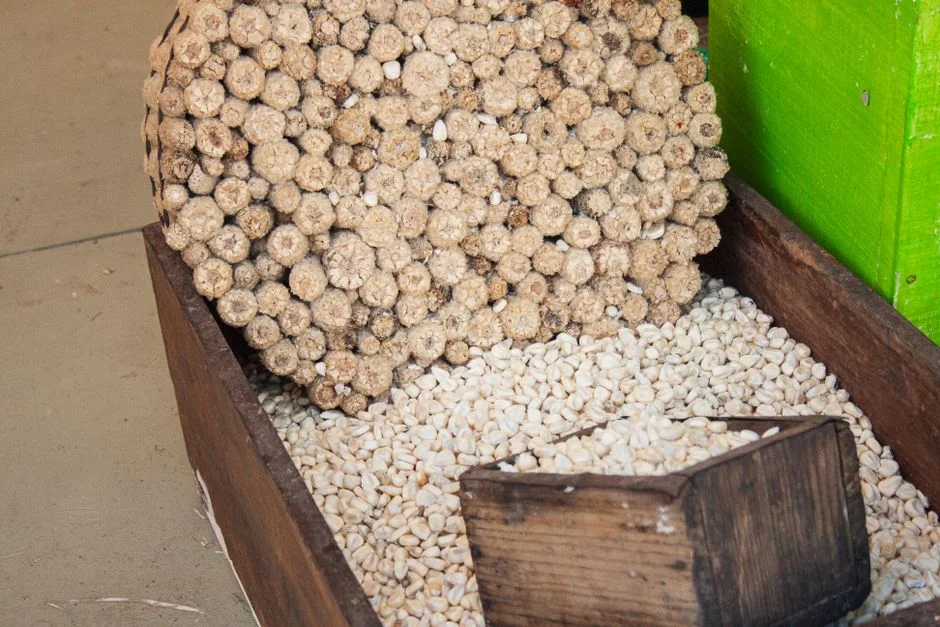
If you've got grain in store instead of cash, warrantage does something similar — borrow against the stored harvest for less than it's worth, then sell later. Research in East African markets found maize prices climbing 25-40% by the lean season.
Either way, the rule that matters most: never borrow more than a normal harvest can repay, and match your repayment date to when you actually sell.
Which one is closer for you right now — a savings group to join, or grain in store you could borrow against? Reply and tell us.
https://divisi.africa/insights/village-savings-groups-input-finance-farm/


What other farmers said

I like the concept of borrowing against your grain store but there needs to be a "credit score" of sorts which outlives the stokvel or savings scheme so I can prove my ability to repay loans
Reply, react and follow the farmers in this thread — the conversation lives in the app, free.