 Divisi
The season is won or lost twice: once in the canopy, and again on the…

The season is won or lost twice: once in the canopy, and again on the drying mat.
Most of a cocoa farmer's year goes into the trees, and then a rushed ferment undoes it in a week. Ferment 6–8 days, turning every two days, then dry slowly to 7–8% moisture. A Ghana trial that did exactly that came out at 98% bean purity; the same beans rushed to a five-day ferment came out nearly a fifth mouldy — same farm, same pods, a different price.
Back in the field, the two things that decide how many pods reach the mat:
• Shade at 30–40% — about 16–18 tall trees per hectare, roughly 24 m apart. Cool enough to hold the canopy temperature down, open enough that it dries between rains.
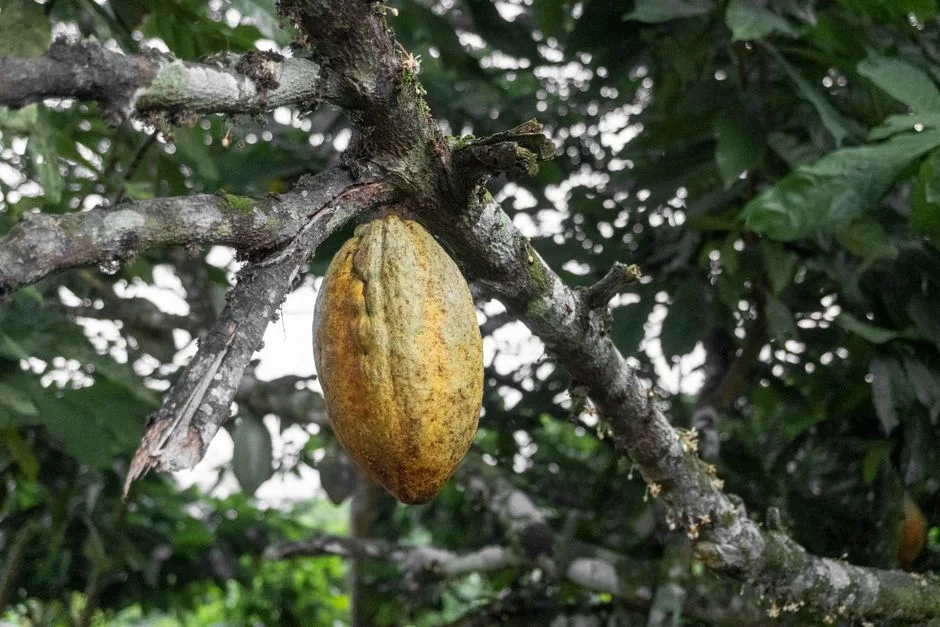
• Weekly harvest, and bury every infected pod you find. A Cameroon trial doing only this cut black pod by 22–31% in the first season — no spray involved.
If it is still spreading after that, three well-timed copper sprays do more than the usual six, and cost less.
Worth knowing before the wet stretch: once rainfall passed 2,200 mm in one Cameroon study, 65–70% of pods were hit by rot. Thick shade in a wet year is not protection — it is what keeps the canopy damp.
https://divisi.africa/insights/cocoa-climate-resilience-el-nino-west-africa/


What other farmers said

interesting, smart farming isn't only about using Apps & tech gadgets but also improving our farming practices to use scientific based approaches in addition to our ancestral farming methods.
Reply, react and follow the farmers in this thread — the conversation lives in the app, free.