 Divisi
What grows in Kiremba
Ngozi, Burundi

The 2026/27 season in Kiremba
| Rainy seasons | One each year — one chance to plant, so timing carries it |
|---|---|
| When the rains are expected | September 2026 to June 2027 |
| Rain in a typical year | About 982 mm |
| This season's rain | Leaning wet — January, February, October, November and December look heavier than usual. Make sure water can drain off the field; a wet year does more damage through waterlogging and disease than through the rain itself. |
| This season's heat | Hotter than usual — about +1.2 °C over the growing months. Heat makes the same rain do less, so a dry spell bites sooner: do not plant late, and shade or mulch what you can. |
| What that supports | enough rain for a long crop, or two in a year, warm all year, so nothing but rain ends the season |
| Ground this covers | 3 kinds of ground. The season below is the largest that farms — about 70% of this area. |
| 70% | enough rain for a long crop, or two in a year; warm all year, so nothing but rain ends the season 288 growing days · about 960 mm · September to June |
|---|---|
| 25% | enough rain for a long crop, or two in a year; warm all year, so nothing but rain ends the season 289 growing days · about 940 mm · September to June |
| 5% | enough rain for a long crop, or two in a year; warm all year, so nothing but rain ends the season 287 growing days · about 930 mm · September to June |
last updated 16 September 2026
What grows in Kiremba
70% highland, humid, warm — 56 crops
-
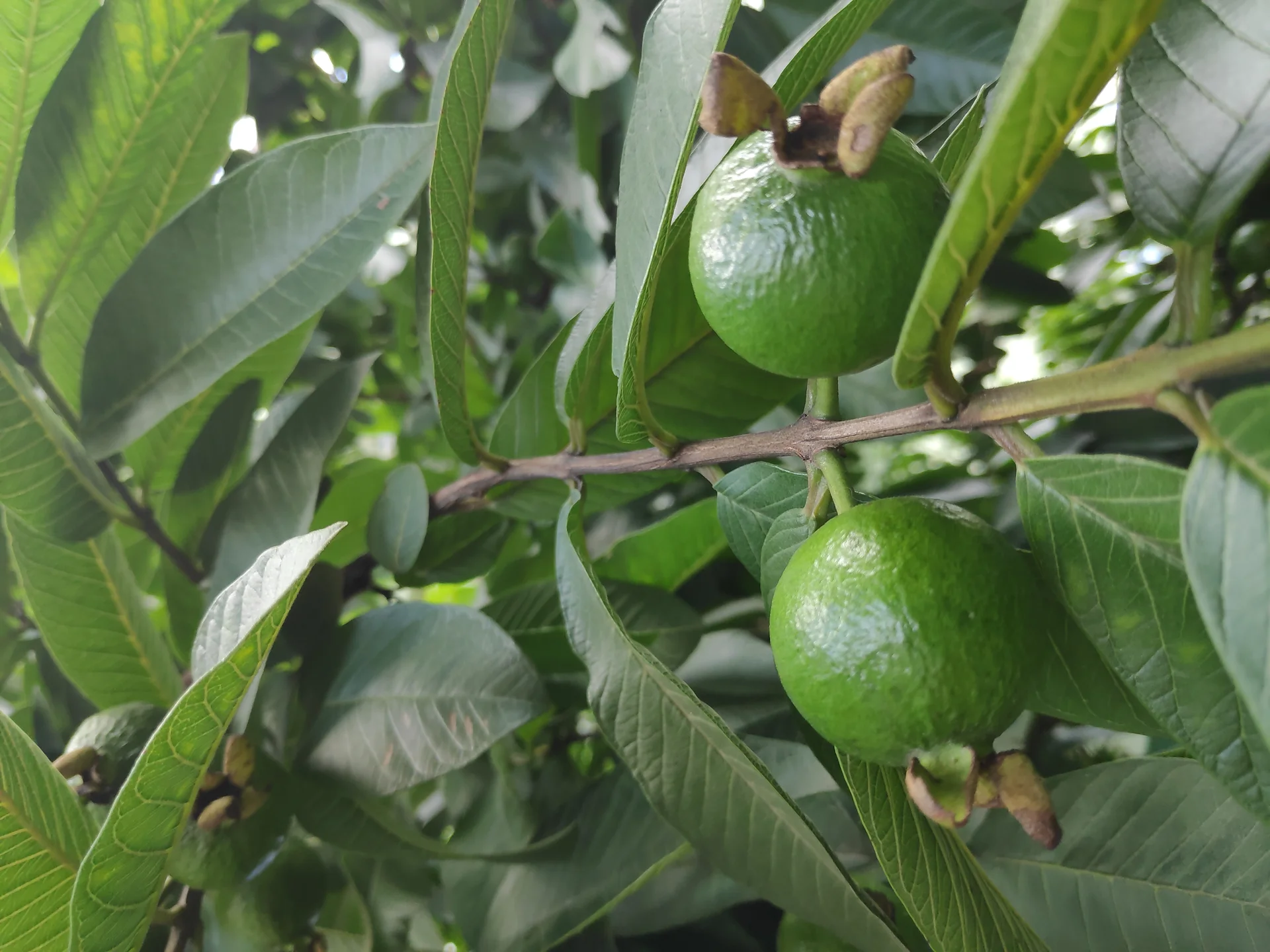 GuavaFavourable
Plant 7 Sep 2026 – 30 Mar 2027 open now
matched to this season's forecast
about 23.1 t/ha expected
Irrigated: plant 21 Jan 2026 – 1 Jan 2027 · about 26.4 t/ha
Pest/disease risk — manageableSoil pH below the crop's optimum -
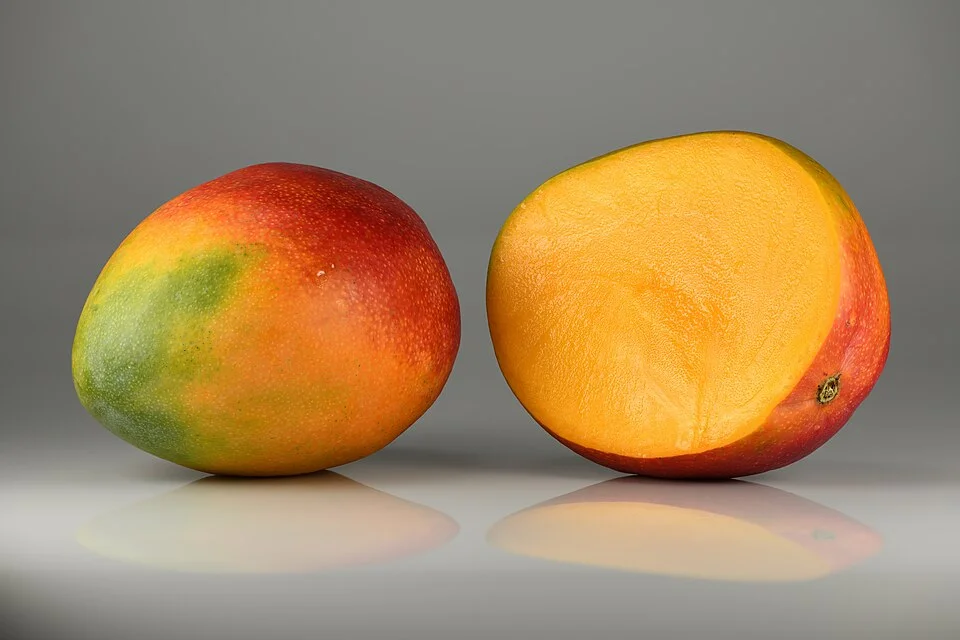 MangoFavourable
Plant 7 Sep 2026 – 30 Mar 2027 open now
matched to this season's forecast
about 16.6 t/ha expected
Irrigated: plant 21 Jan 2026 – 1 Jan 2027 · about 18.8 t/ha
Soil pH below the crop's optimum -
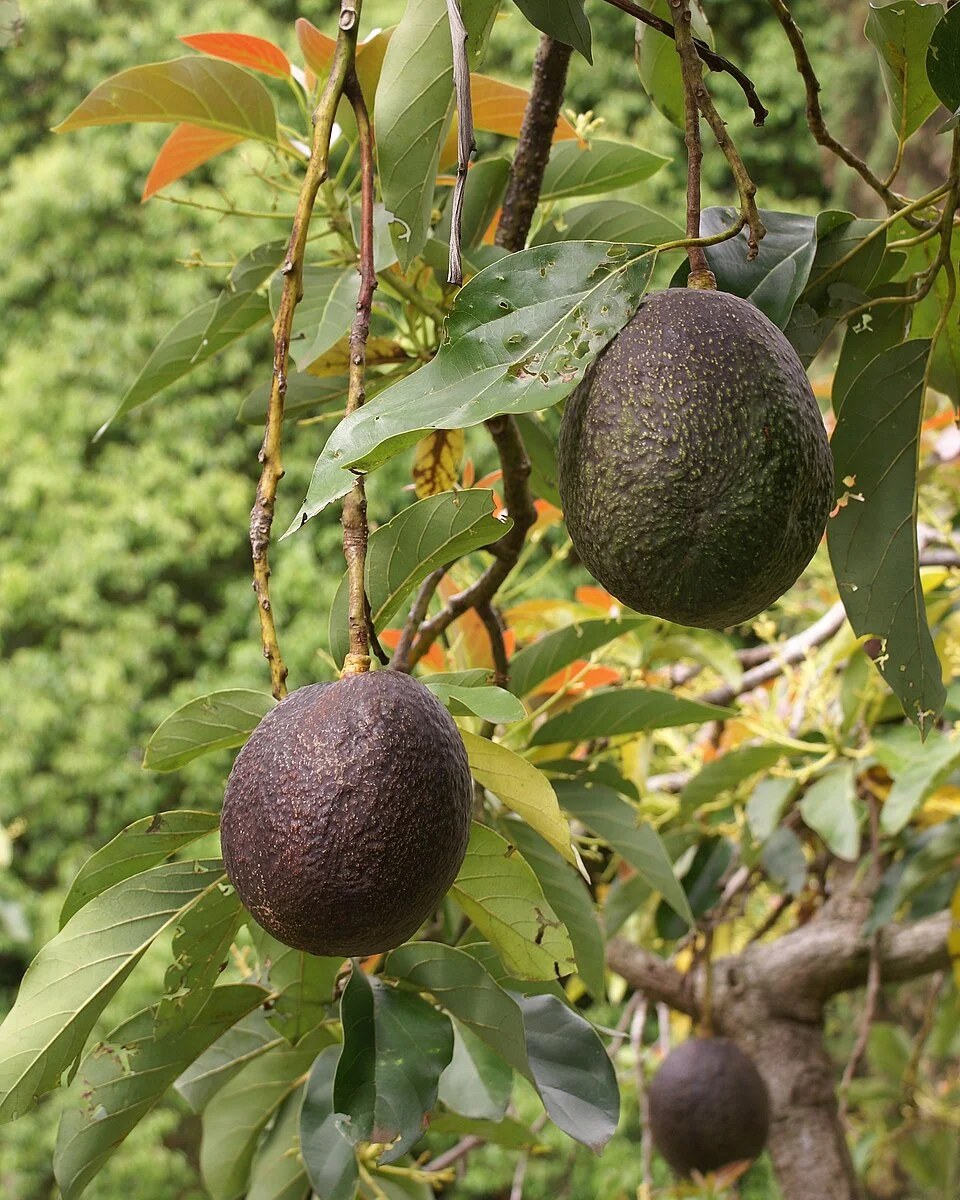 AvocadoFavourable
Plant 7 Sep 2026 – 22 Feb 2027 open now
matched to this season's forecast
about 12.9 t/ha expected
Irrigated: plant 21 Jan 2026 – 1 Jan 2027 · about 15.1 t/ha
Soil pH outside the crop's rangeCorrect soil pH (lime)Correctable with liming -
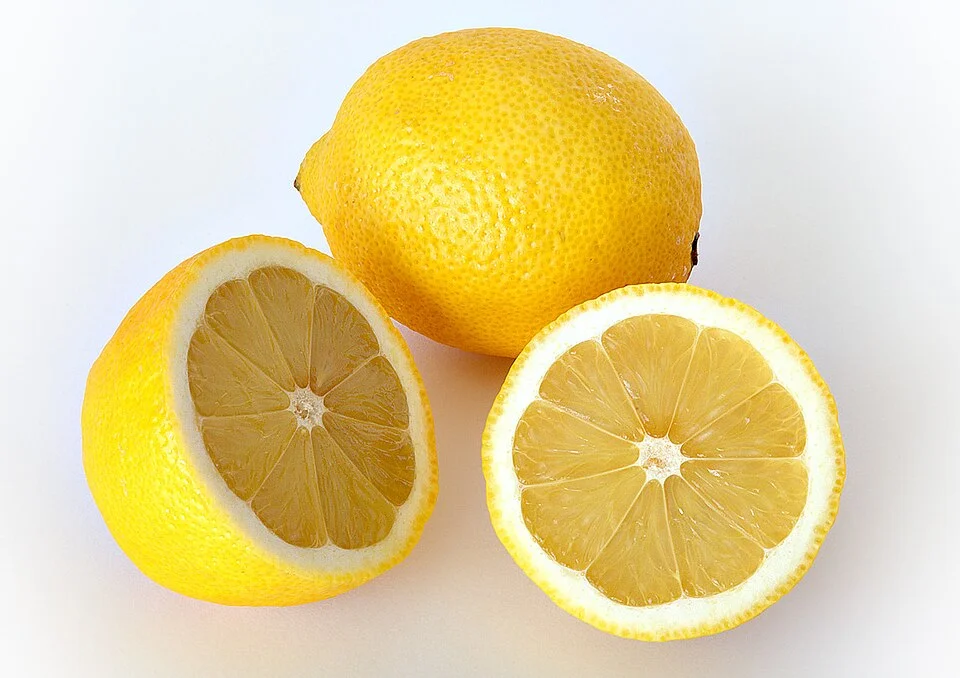 LemonFavourable
Plant 7 Sep 2026 – 30 Mar 2027 open now
matched to this season's forecast
22.8–23.1 t/ha expected
Irrigated: plant 21 Jan 2026 – 1 Jan 2027 · about 30.1 t/ha
Pest/disease risk — manageableSoil pH outside the crop's rangeCorrect soil pH (lime) -
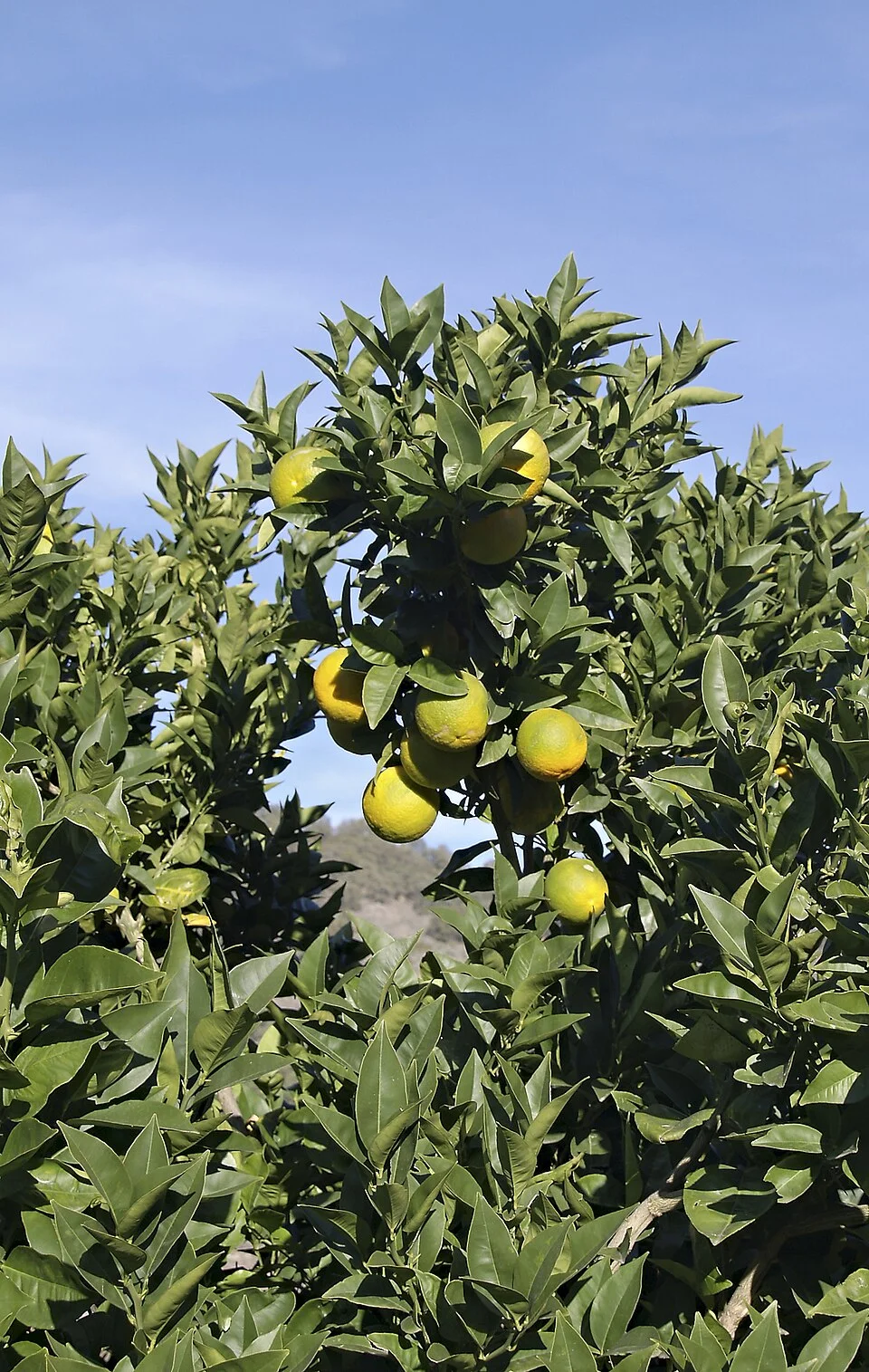 Sweet orangeFavourable
Plant 7 Sep 2026 – 17 Oct 2026 open now
matched to this season's forecast
about 23.1 t/ha expected
Irrigated: plant 21 Jan 2026 – 1 Jan 2027 · about 30.1 t/ha
Pest/disease risk — manageableSoil pH outside the crop's rangeCorrect soil pH (lime) -
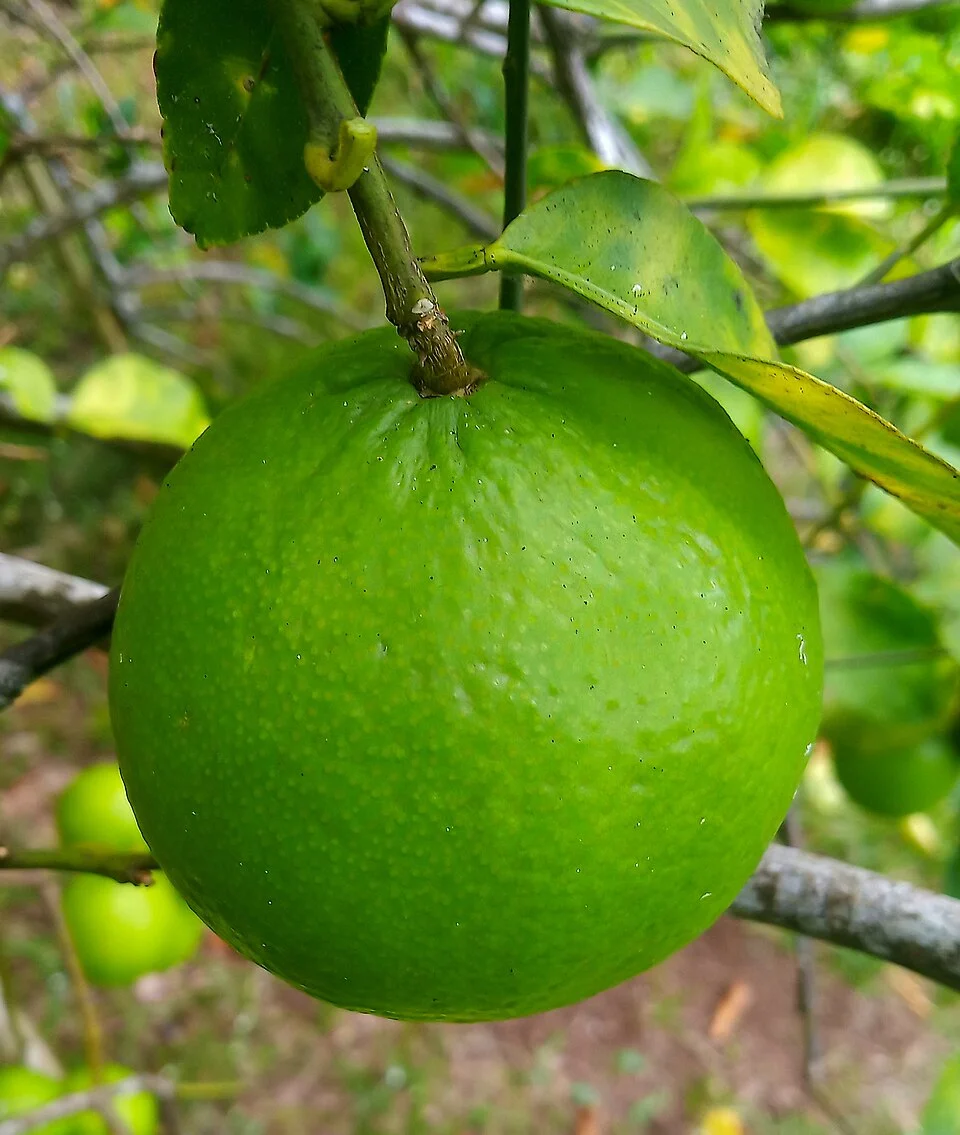 LimeFavourable
Plant 7 Sep 2026 – 30 Mar 2027 open now
matched to this season's forecast
about 16.6 t/ha expected
Irrigated: plant 21 Jan 2026 – 1 Jan 2027 · about 18.8 t/ha
Pest/disease risk — manageableSoil pH outside the crop's rangeCorrect soil pH (lime) -
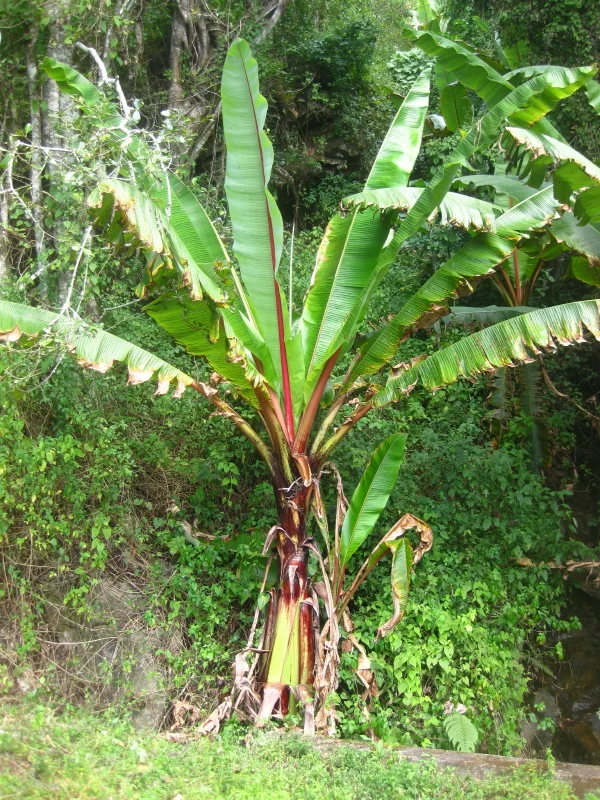 EnsetFavourable
Plant 7 Sep 2026 – 27 Sep 2026 closed for this season
matched to this season's forecast
22.5–23.1 t/ha expected
Irrigated: plant 21 Jan 2026 – 1 Jan 2027 · about 22.6 t/ha
Pest/disease risk — manageableSteep slope -
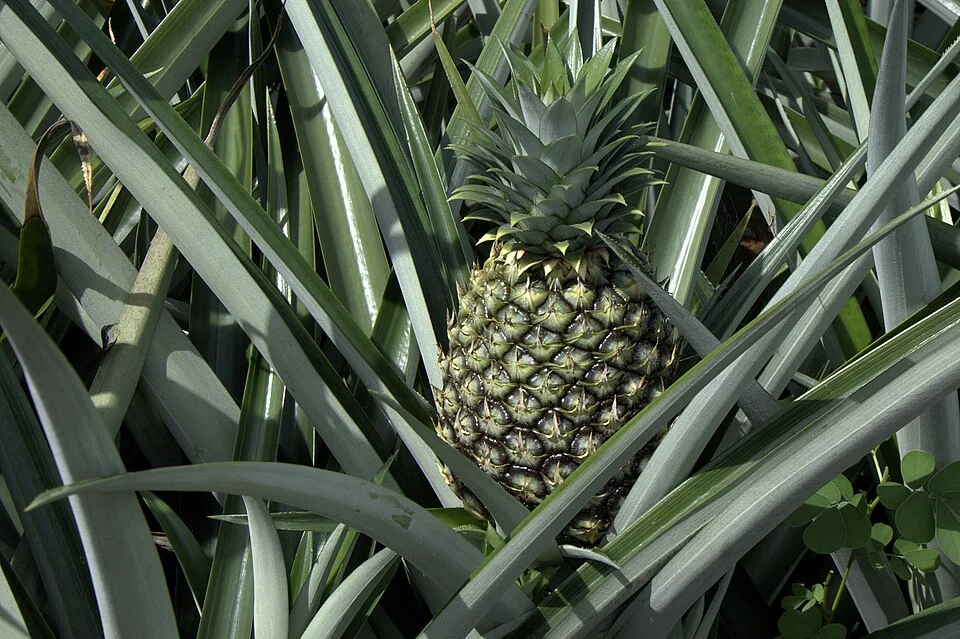 PineappleFavourable
Plant 8 Sep 2026 – 28 Sep 2026 closed for this season
matched to this season's forecast
42.1–42.7 t/ha expected
Irrigated: plant 21 Jan 2026 – 1 Jan 2027 · about 52.7 t/ha
Pest/disease risk — manageableSteep slope -
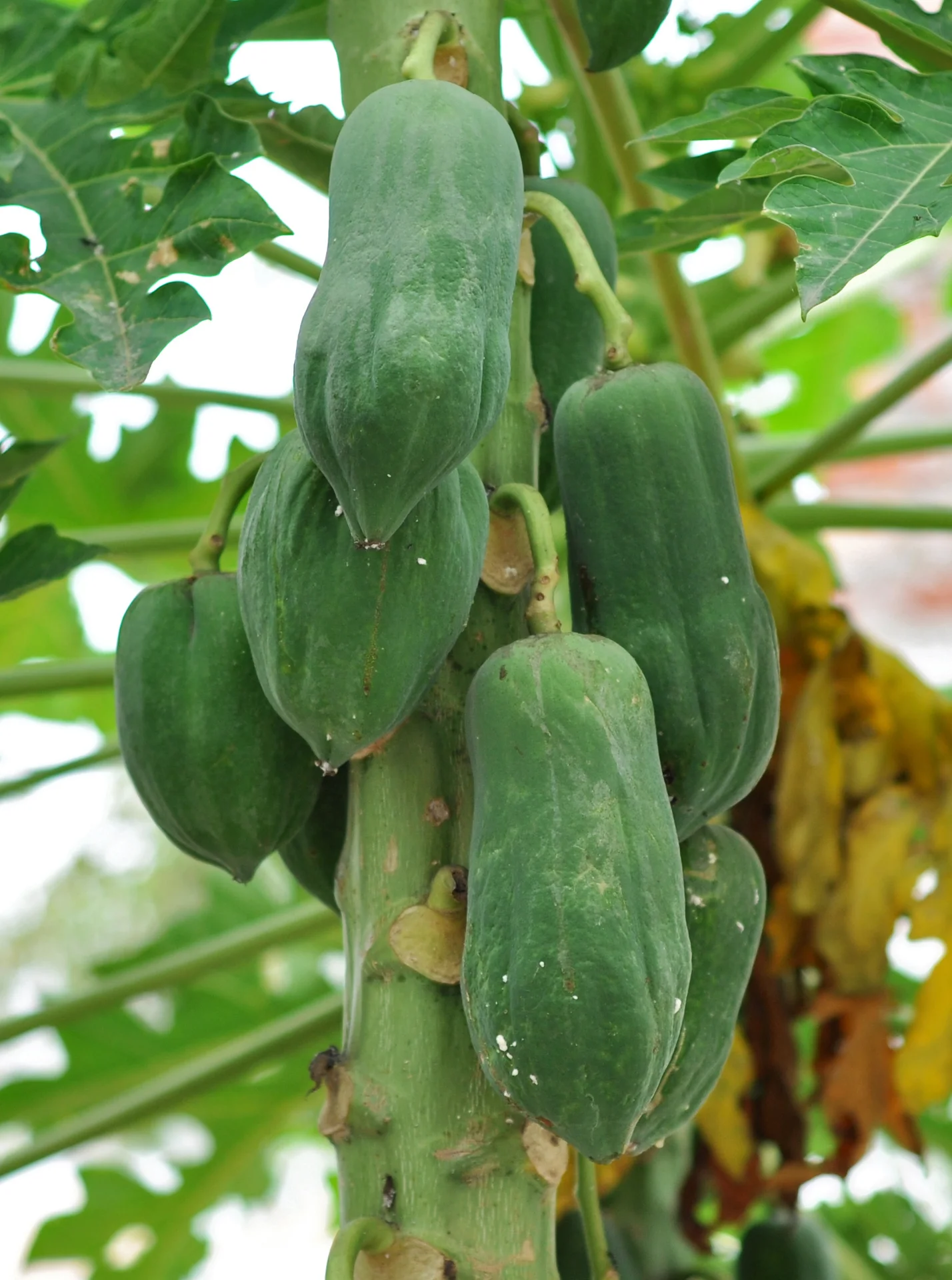 PapayaFavourable
Plant 8 Sep 2026 – 11 Feb 2027 open now
matched to this season's forecast
35.5–38.5 t/ha expected
Irrigated: plant 21 Jan 2026 – 1 Jan 2027 · about 41.6 t/ha
Pest/disease risk — manageableSoil pH below the crop's optimumSteep slope -
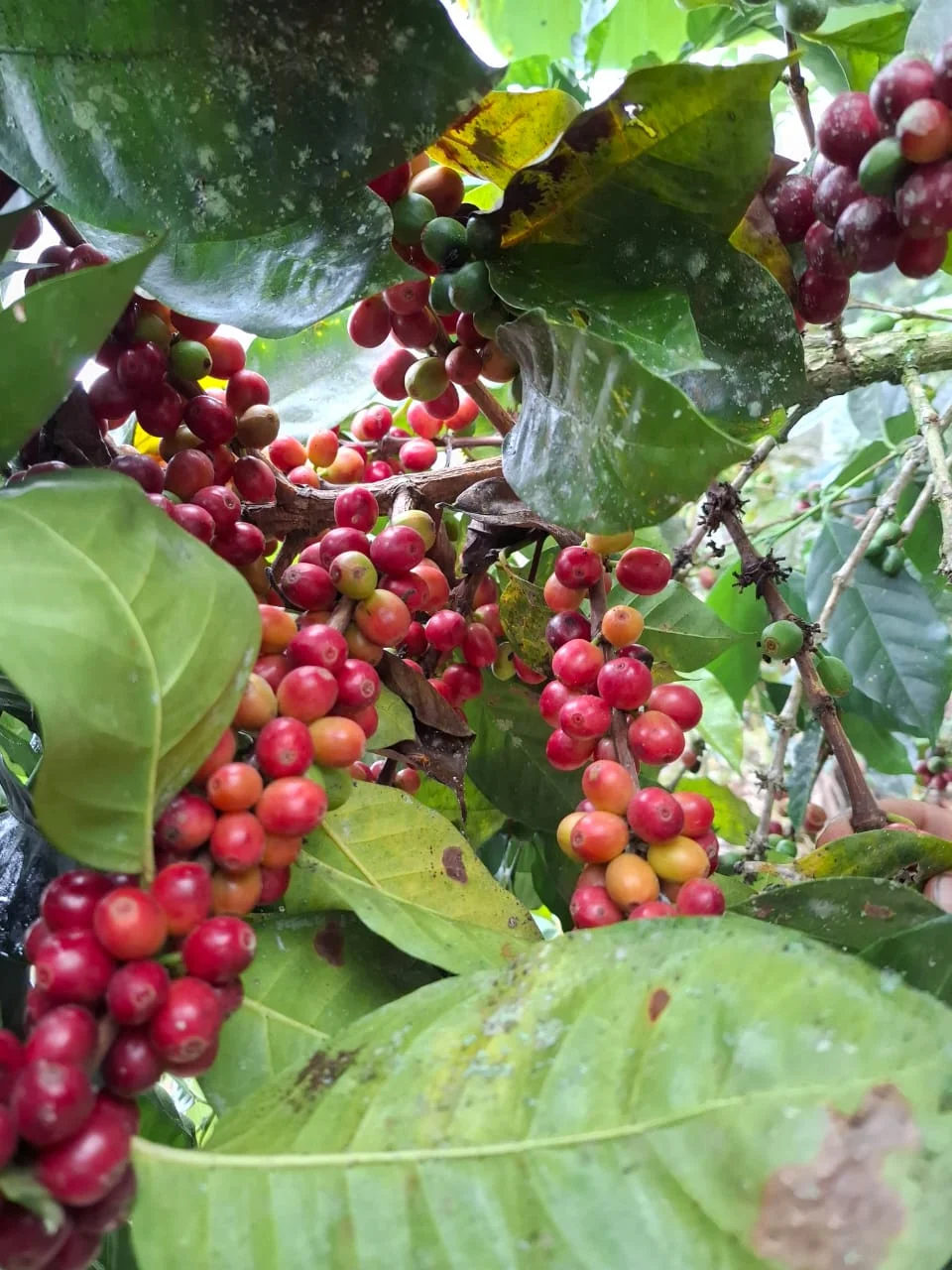 Arabica coffeeFavourable
Plant 8 Sep 2026 – 7 Nov 2026 open now
matched to this season's forecast
1.3–1.4 t/ha expected
Irrigated: plant 21 Jan 2026 – 1 Jan 2027 · about 1.9 t/ha
Pest/disease risk — manageableSteep slope -
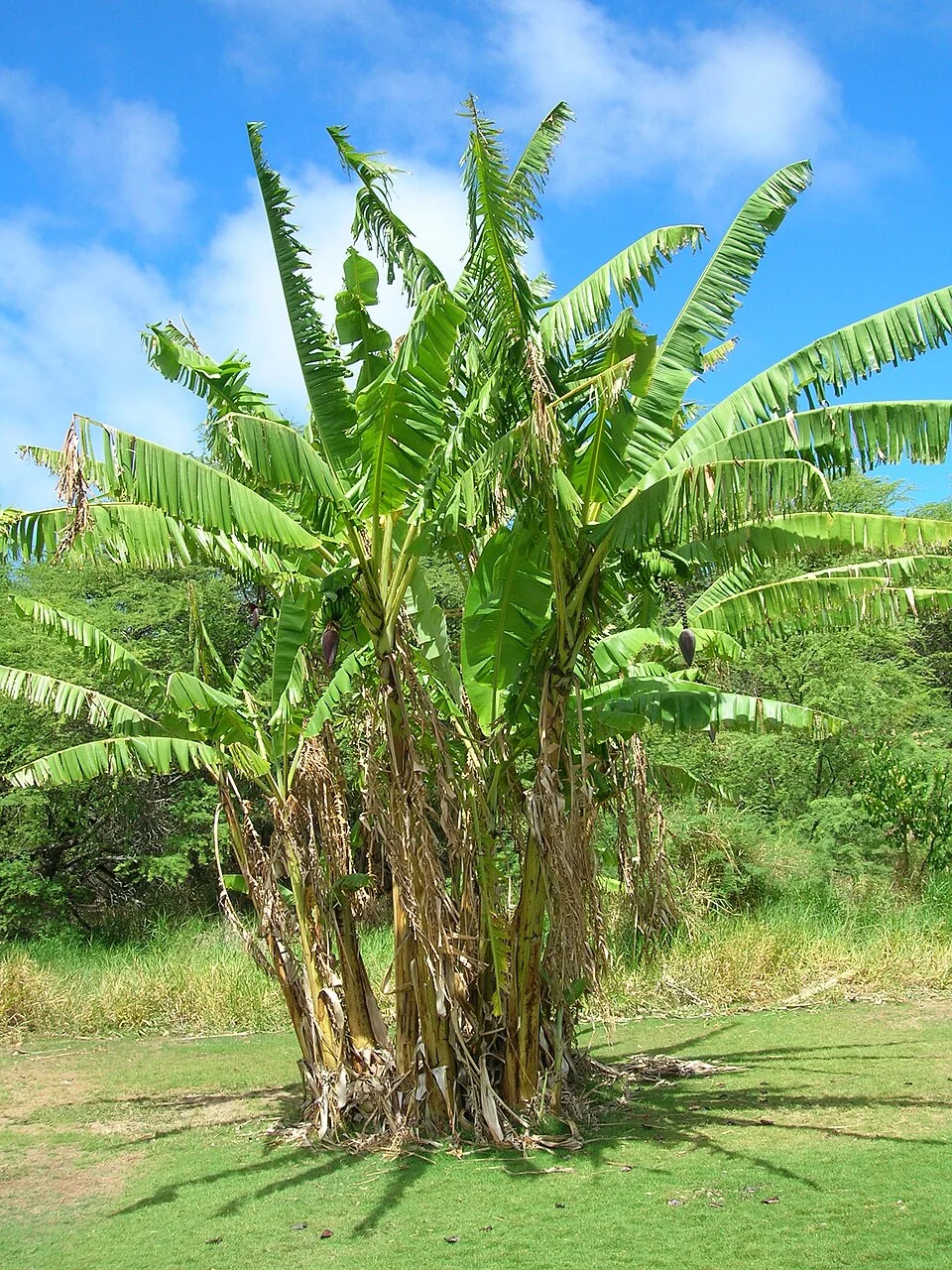 BananaFavourable
Plant 7 Sep 2026 – 10 Feb 2027 open now
matched to this season's forecast
about 23.1 t/ha expected
Irrigated: plant 21 Jan 2026 – 1 Jan 2027 · about 41.9 t/ha
Pest/disease risk — manageableSoil pH outside the crop's rangeCorrect soil pH (lime) -
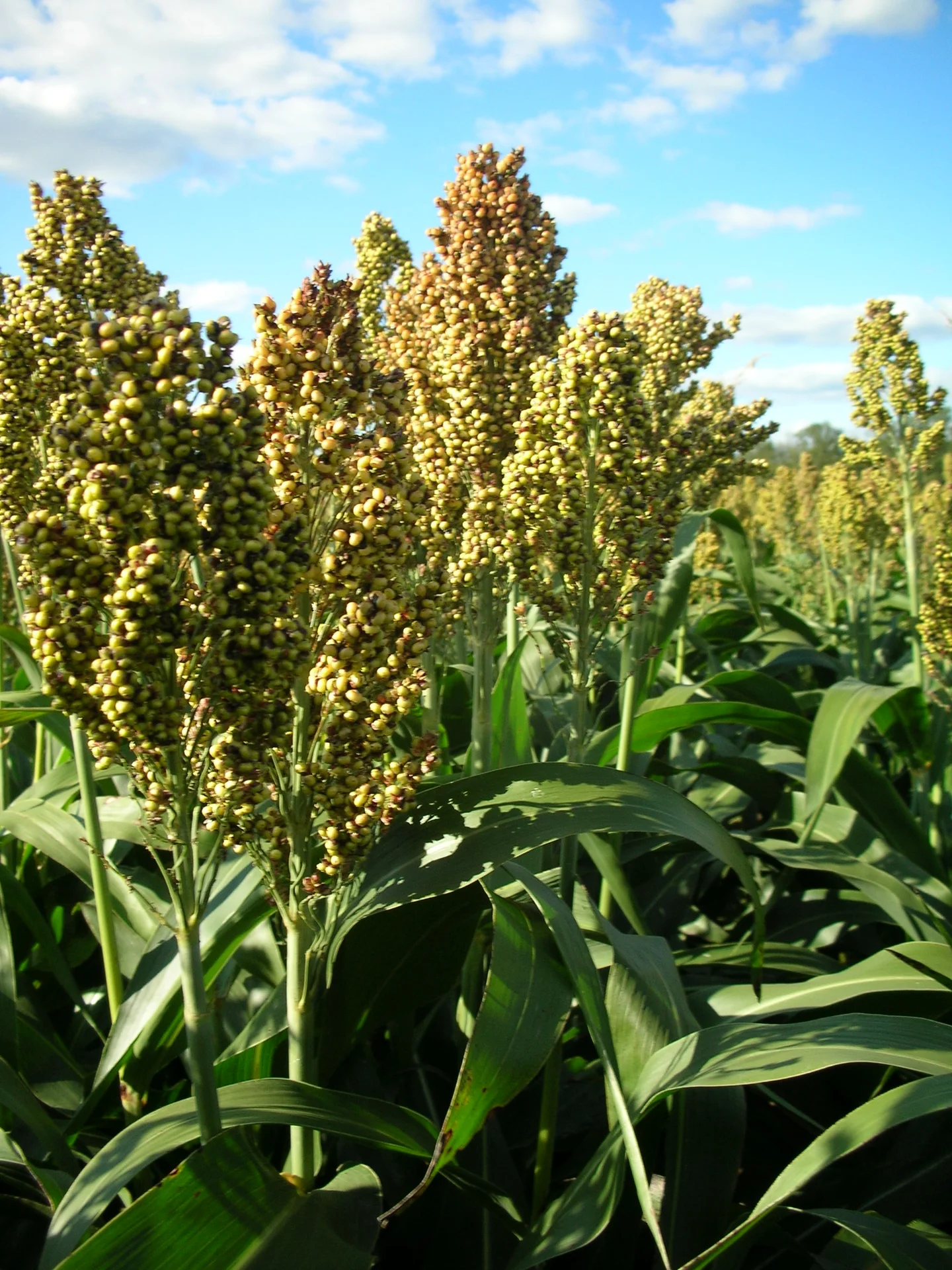 SorghumFavourable
Plant 8 Sep 2026 – 30 Jan 2027 open now
matched to this season's forecast
about 2.7 t/ha expected
Irrigated: plant 21 Jan 2026 – 1 Jan 2027 · about 1.8 t/ha
Pest/disease risk — manageableSoil pH outside the crop's rangeCorrect soil pH (lime) -
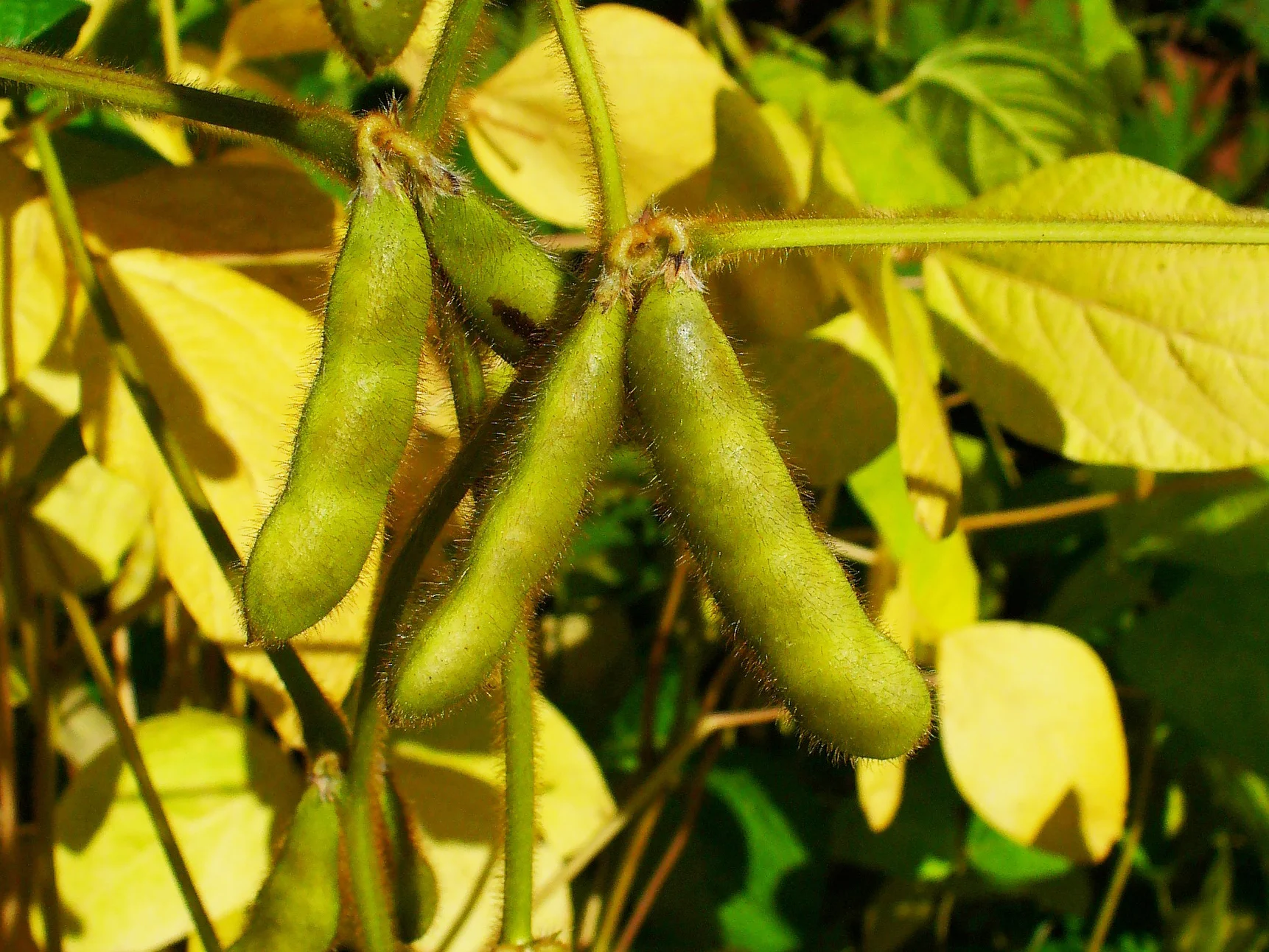 SoybeanFavourable
Plant 8 Sep 2026 – 2 Oct 2026 open now
matched to this season's forecast
about 1.9 t/ha expected
Irrigated: plant 1 May 2026 – 1 Jan 2027 · about 1.4 t/ha
Pest/disease risk — manageableSoil pH outside the crop's rangeCorrect soil pH (lime) -
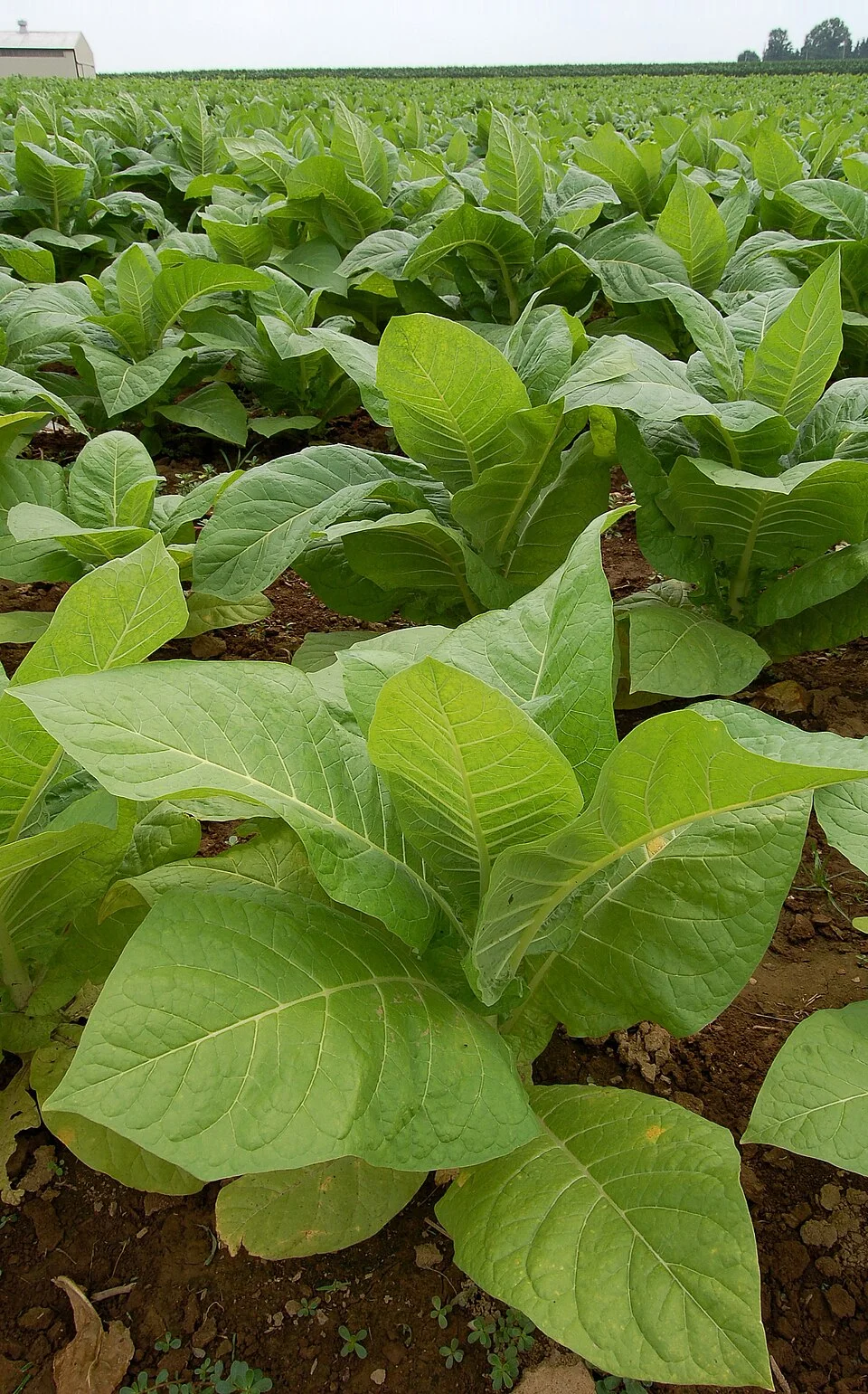 TobaccoFavourable
Plant 8 Sep 2026 – 16 Jan 2027 open now
matched to this season's forecast
about 1.8 t/ha expected
Irrigated: plant 21 Jan 2026 – 1 Jan 2027 · about 1.2 t/ha
Pest/disease risk — manageableSoil pH below the crop's optimumSteep slope -
 SunflowerFavourable
Plant 8 Sep 2026 – 9 Mar 2027 open now
matched to this season's forecast
about 1.6 t/ha expected
Irrigated: plant 21 Jan 2026 – 1 Jan 2027
Pest/disease risk — manageableSoil pH outside the crop's rangeCorrect soil pH (lime) -
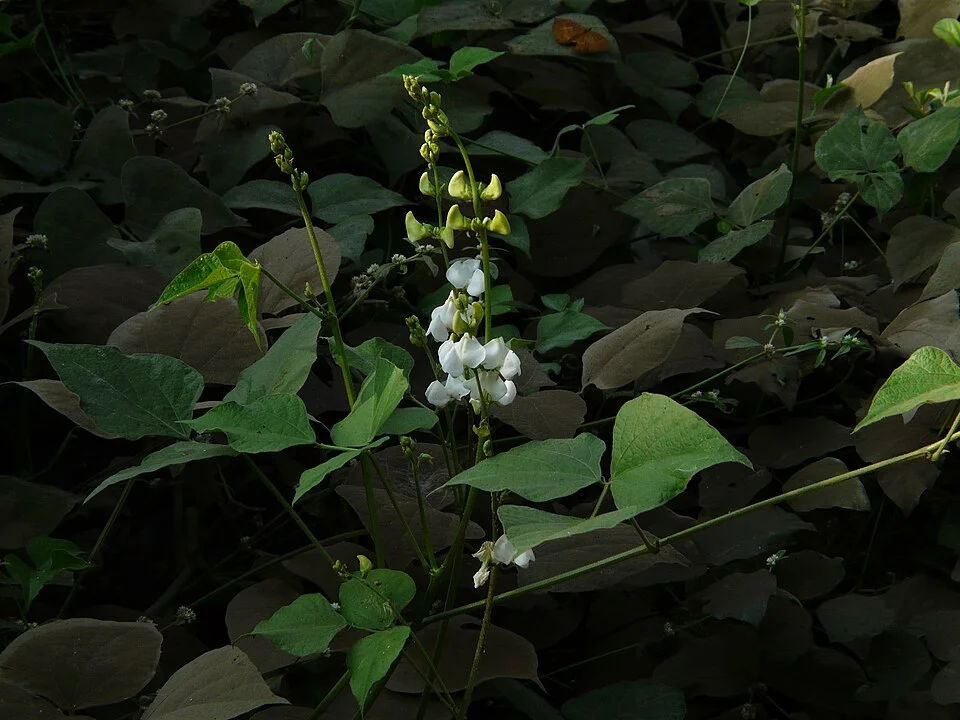 LablabFavourable
Plant 8 Sep 2026 – 30 Jan 2027 open now
matched to this season's forecast
about 1.4 t/ha expected
Irrigated: plant 21 Jan 2026 – 1 Jan 2027 · about 0.7 t/ha
Pest/disease risk — manageableSteep slope -
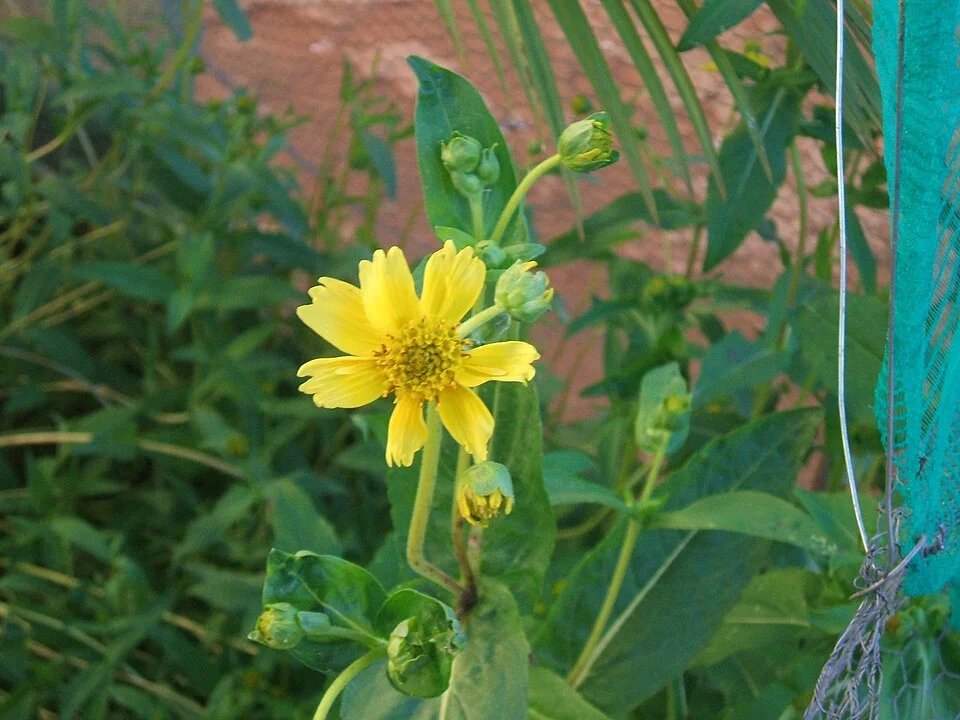 Niger seedFavourable
Plant 8 Sep 2026 – 31 Mar 2027 open now
matched to this season's forecast
about 0.7 t/ha expected
Irrigated: plant 21 Jan 2026 – 1 Jan 2027 · about 0.4 t/ha
Pest/disease risk — manageableSoil pH below the crop's optimumSteep slope -
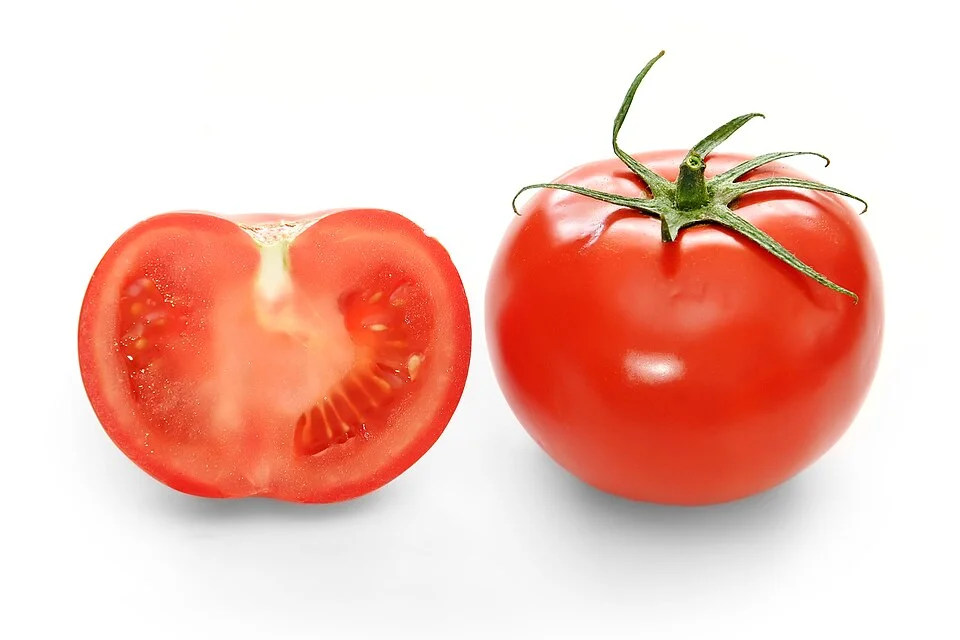 TomatoFavourable
Plant 8 Sep 2026 – 6 Jan 2027 open now
matched to this season's forecast
about 25.4 t/ha expected
Irrigated: plant 21 Jan 2026 – 1 Jan 2027 · about 23.9 t/ha
Pest/disease risk — manageableSoil pH outside the crop's rangeCorrect soil pH (lime) -
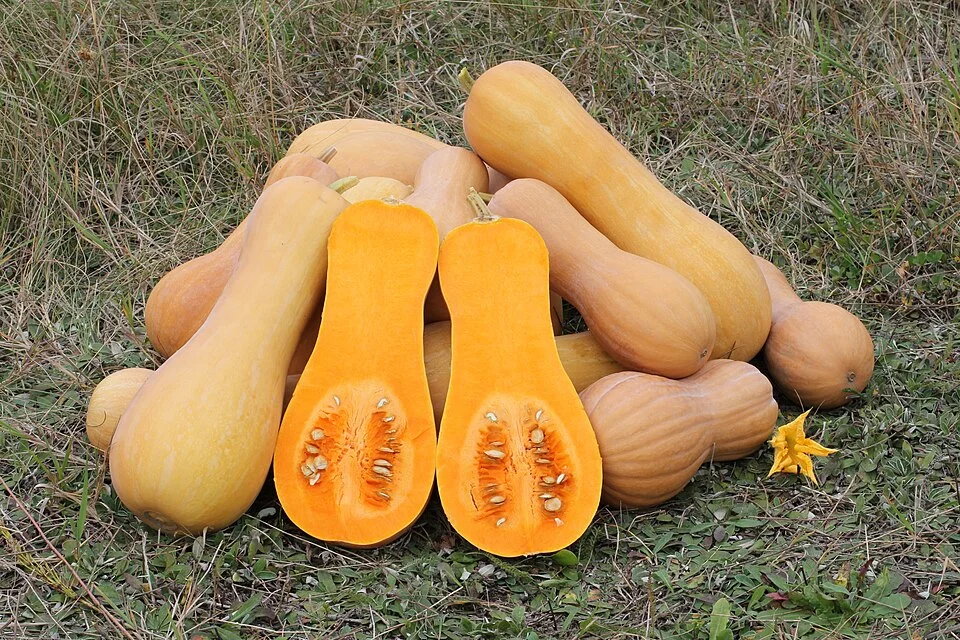 PumpkinFavourable
Plant 8 Sep 2026 – 9 Mar 2027 open now
matched to this season's forecast
about 15.8 t/ha expected
Irrigated: plant 21 Jan 2026 – 1 Jan 2027 · about 11.9 t/ha
Pest/disease risk — manageableSoil pH outside the crop's rangeCorrect soil pH (lime) -
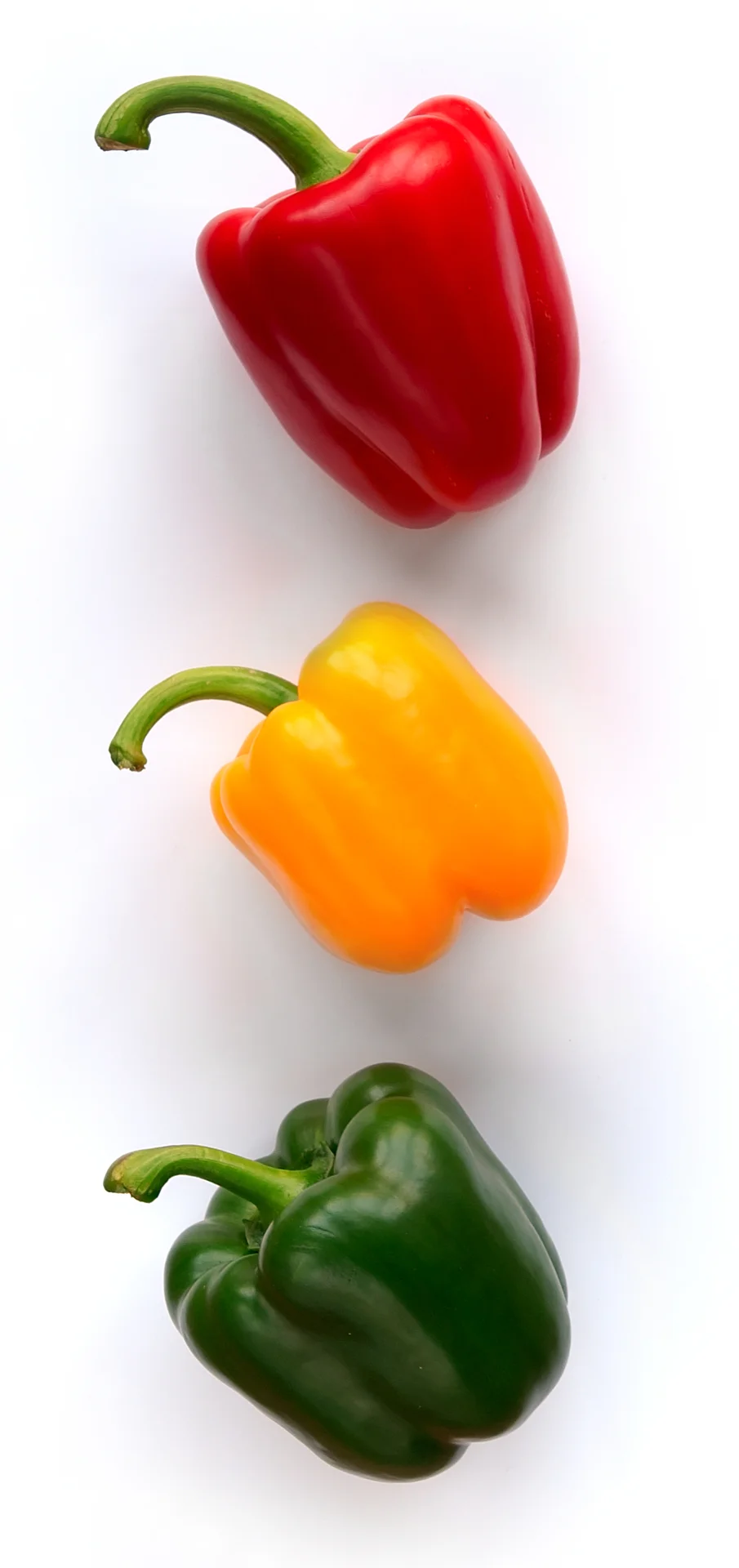 Sweet pepperFavourable
Plant 8 Sep 2026 – 16 Jan 2027 open now
matched to this season's forecast
about 15.8 t/ha expected
Irrigated: plant 21 Jan 2026 – 1 Jan 2027 · about 13.7 t/ha
Pest/disease risk — manageableSoil pH outside the crop's rangeCorrect soil pH (lime) -
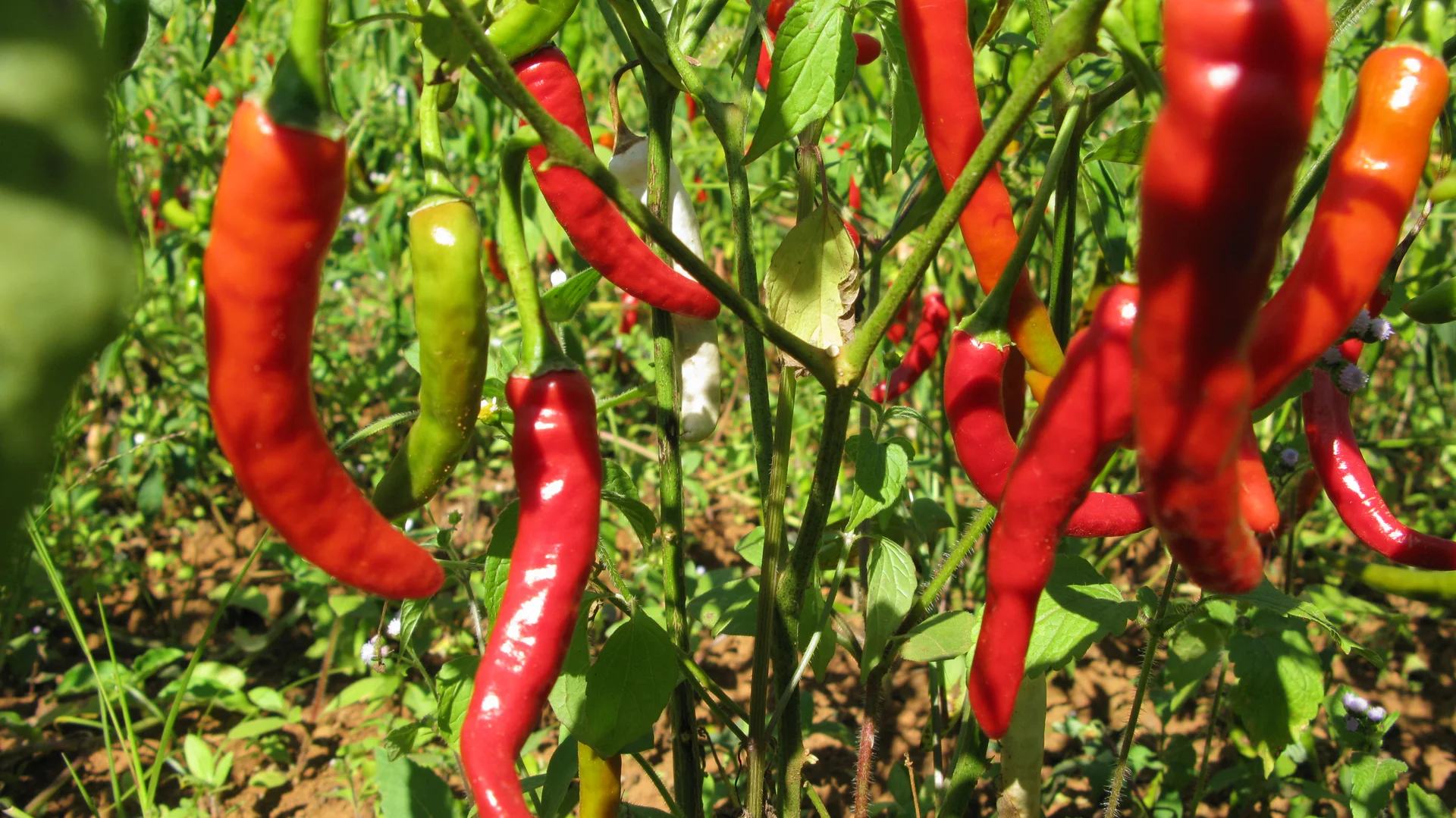 ChilliFavourable
Plant 8 Sep 2026 – 27 Dec 2026 open now
matched to this season's forecast
about 9.5 t/ha expected
Irrigated: plant 21 Jan 2026 – 1 Jan 2027 · about 8.5 t/ha
Pest/disease risk — manageableSoil pH outside the crop's rangeCorrect soil pH (lime) -
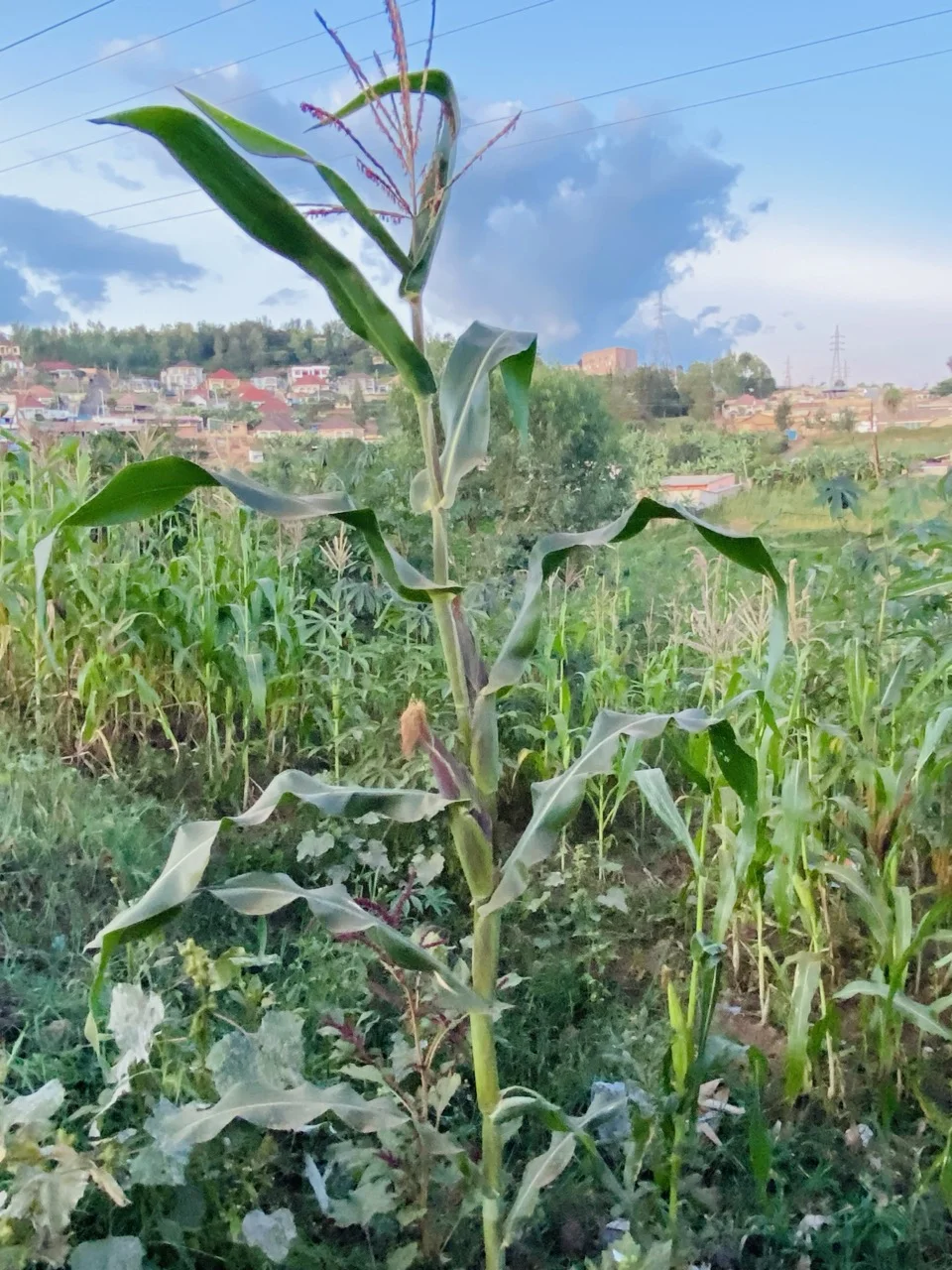 MaizeFavourable
Plant 8 Sep 2026 – 29 Jan 2027 open now
matched to this season's forecast
about 4.4 t/ha expected
Irrigated: plant 21 Jan 2026 – 1 Jan 2027 · about 3.4 t/ha
Pest/disease risk — manageableSoil pH below the crop's optimumSteep slope -
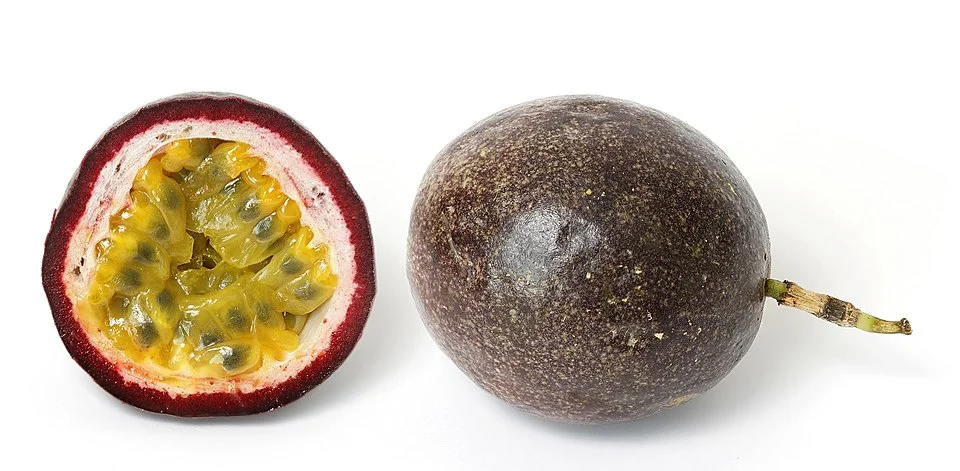 Passion fruitFavourable
Plant 22 Sep 2026 – 6 Apr 2027 open now
matched to this season's forecast
about 15.4 t/ha expected
Irrigated: plant 21 Jan 2026 – 1 Jan 2027 · about 17.8 t/ha
Soil pH outside the crop's rangeCorrect soil pH (lime)Correctable with liming -
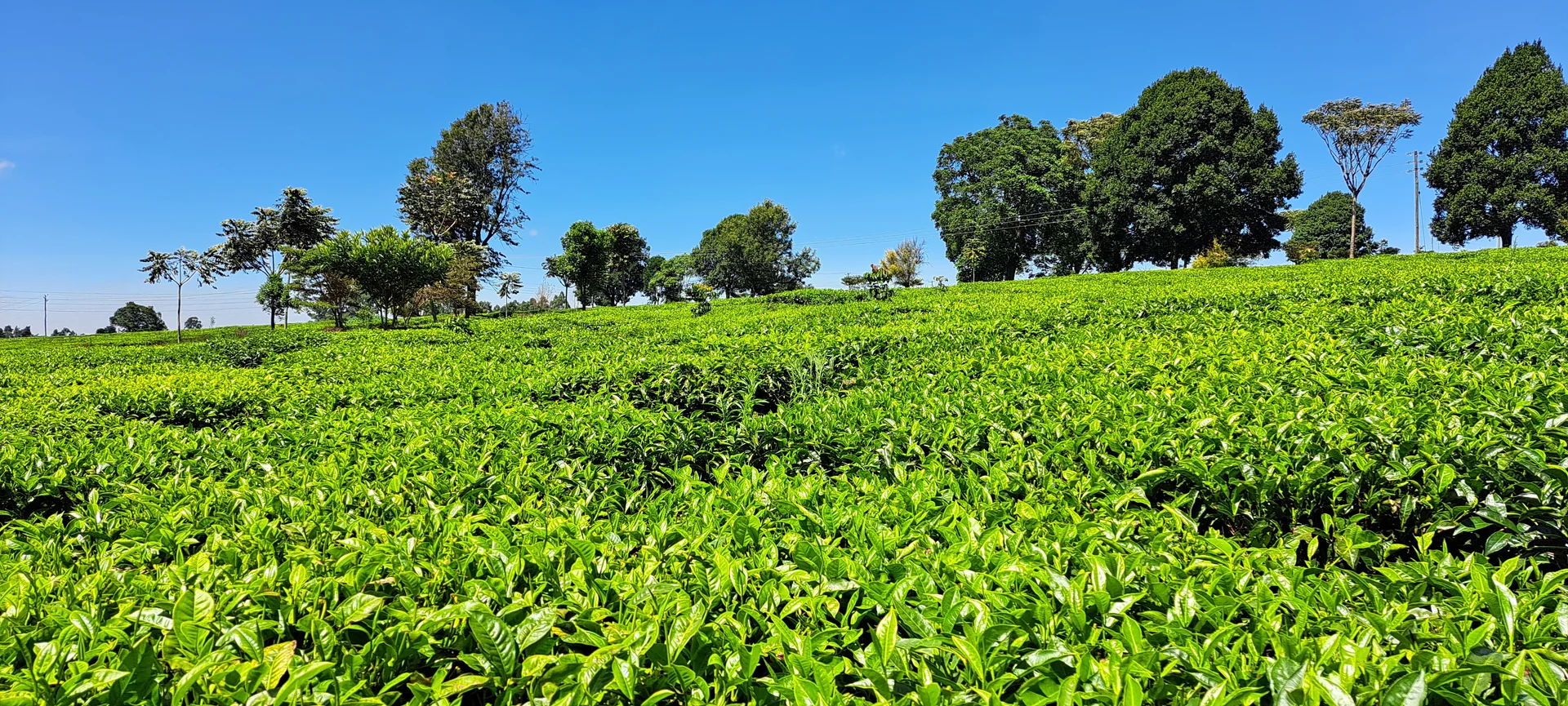 TeaFavourable
Plant 20 Sep 2026 – 7 Mar 2027 open now
matched to this season's forecast
about 2.7 t/ha expected
Irrigated: plant 21 Jan 2026 – 1 Jan 2027 · about 3.4 t/ha
Pest/disease risk — manageableSteep slope -
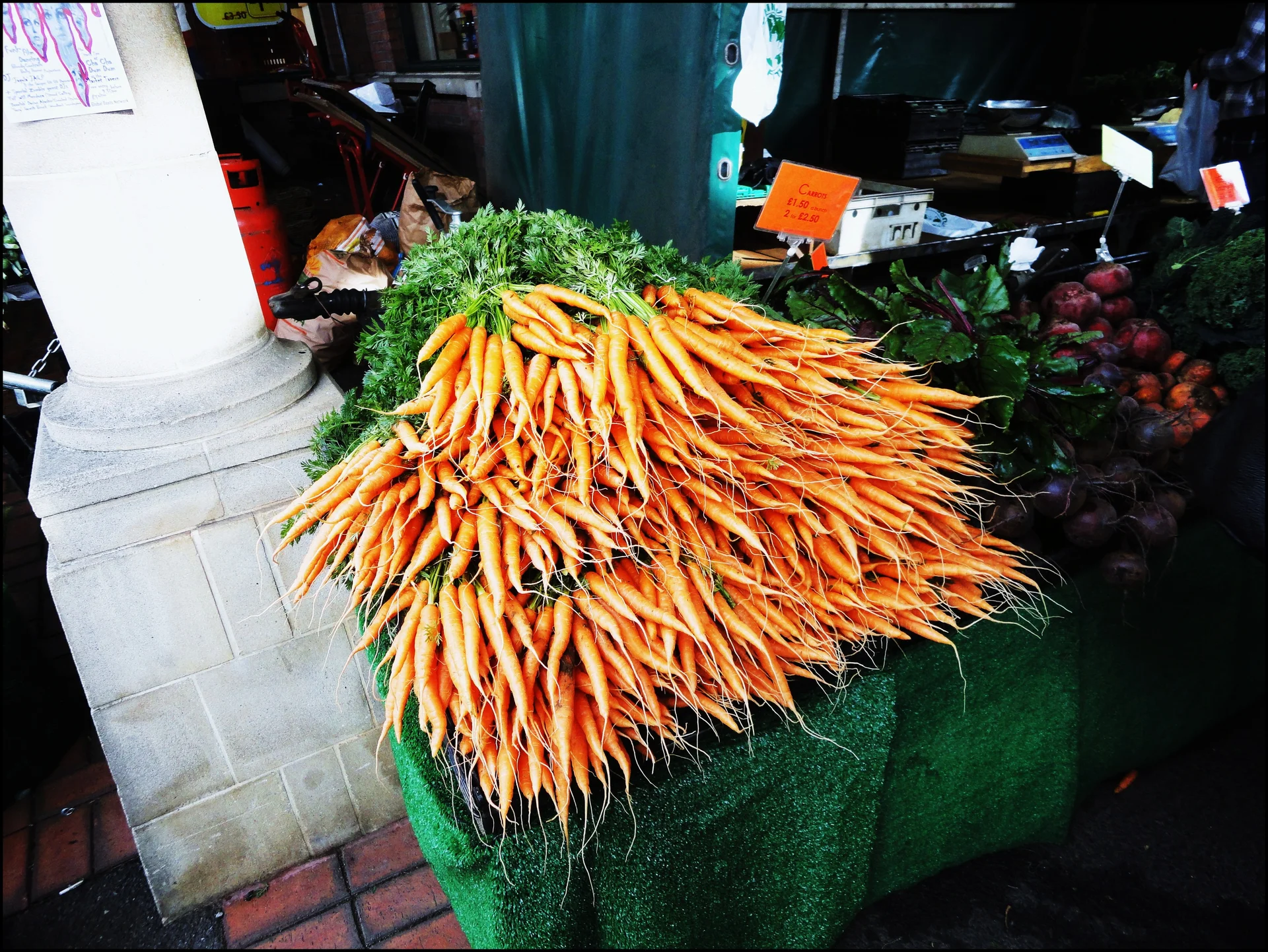 CarrotFavourable
Plant 21 Sep 2026 – 9 Mar 2027 open now
matched to this season's forecast
about 22.2 t/ha expected
Irrigated: plant 21 Jan 2026 – 1 Jan 2027 · about 17.1 t/ha
Pest/disease risk — manageableSoil pH outside the crop's rangeCorrect soil pH (lime) -
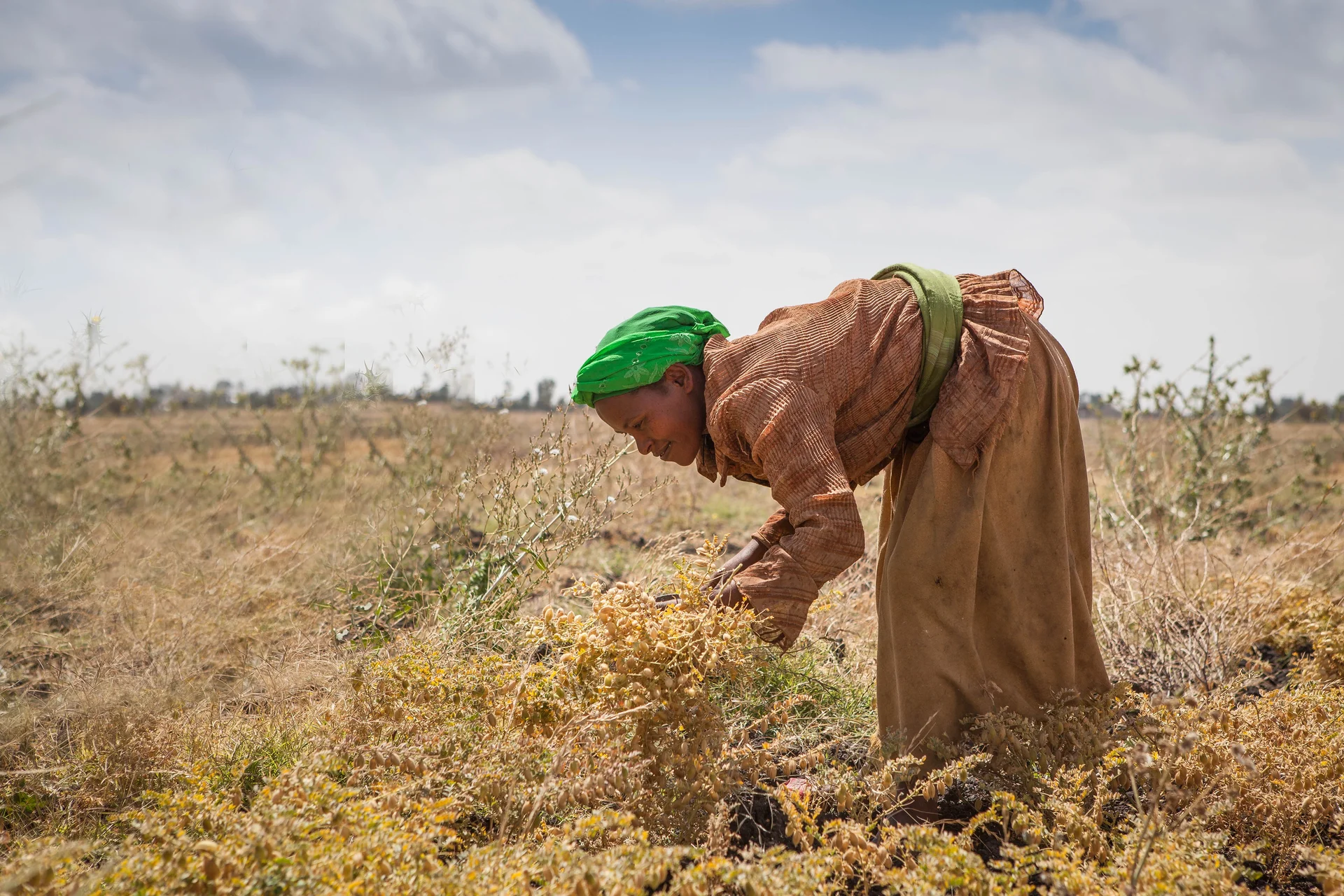 ChickpeaFavourable
Plant 20 Sep 2026 – 7 Nov 2026 open now
matched to this season's forecast
about 1.6 t/ha expected
Irrigated: plant 21 May 2027 – 10 Jun 2027 · about 1.1 t/ha
Pest/disease risk — manageableSoil pH outside the crop's rangeCorrect soil pH (lime) -
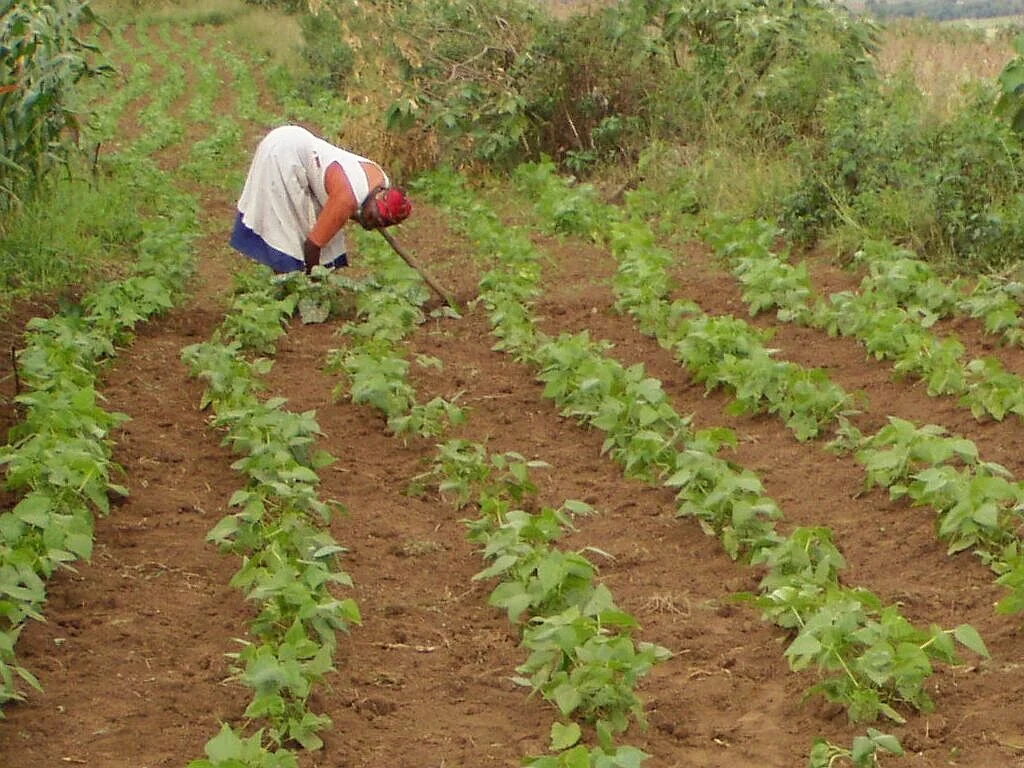 Common beanFavourable
Plant 21 Sep 2026 – 4 Apr 2027 open now
matched to this season's forecast
about 1.6 t/ha expected
Irrigated: plant 21 Jan 2026 – 1 Jan 2027 · about 1.0 t/ha
Pest/disease risk — manageableSoil pH below the crop's optimumSteep slope -
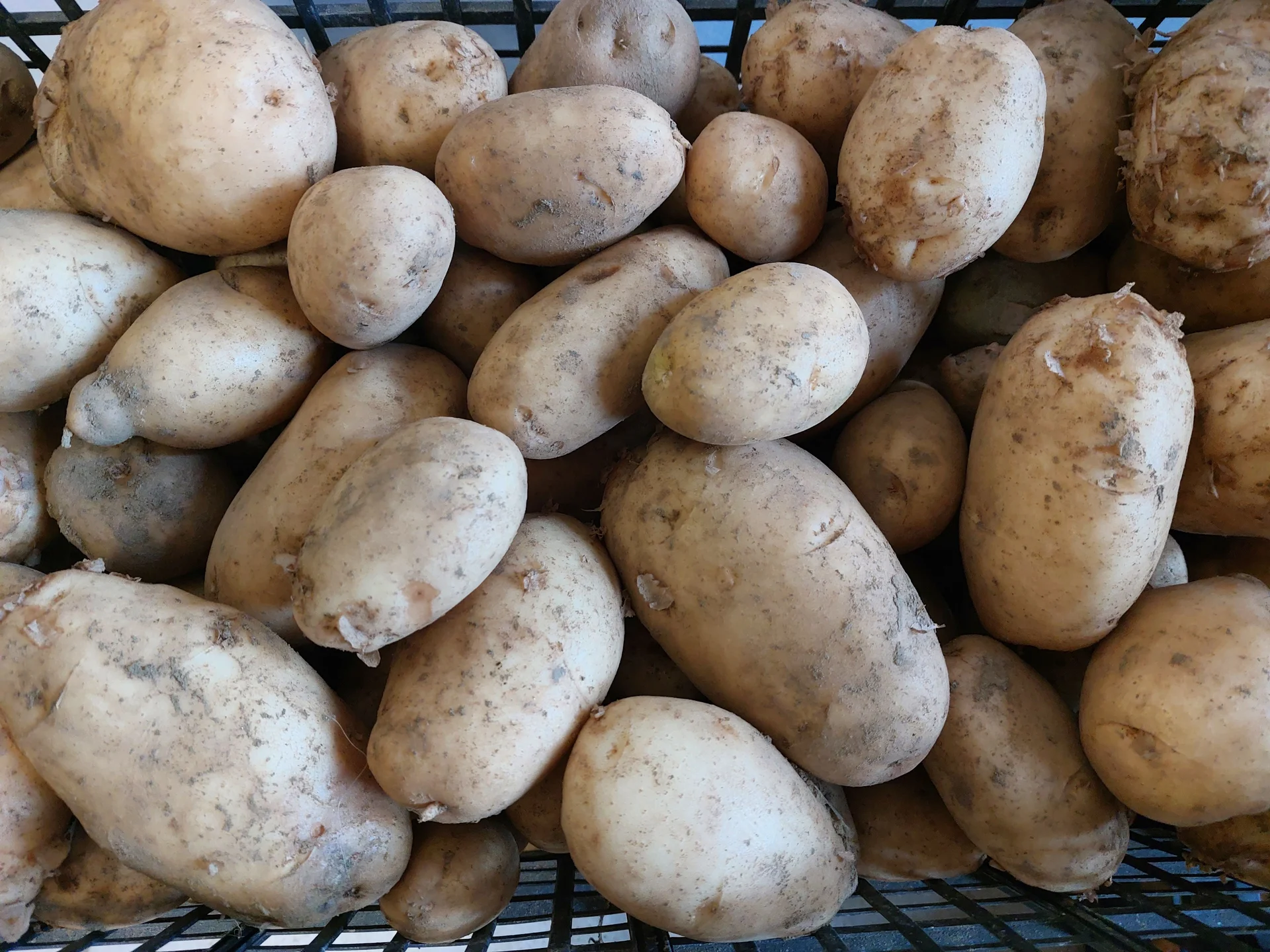 Irish potatoFavourable
Plant 21 Sep 2026 – 9 Mar 2027 open now
matched to this season's forecast
about 22.2 t/ha expected
Irrigated: plant 21 Jan 2026 – 1 Jan 2027 · about 15.4 t/ha
Pest/disease risk — manageableSteep slope -
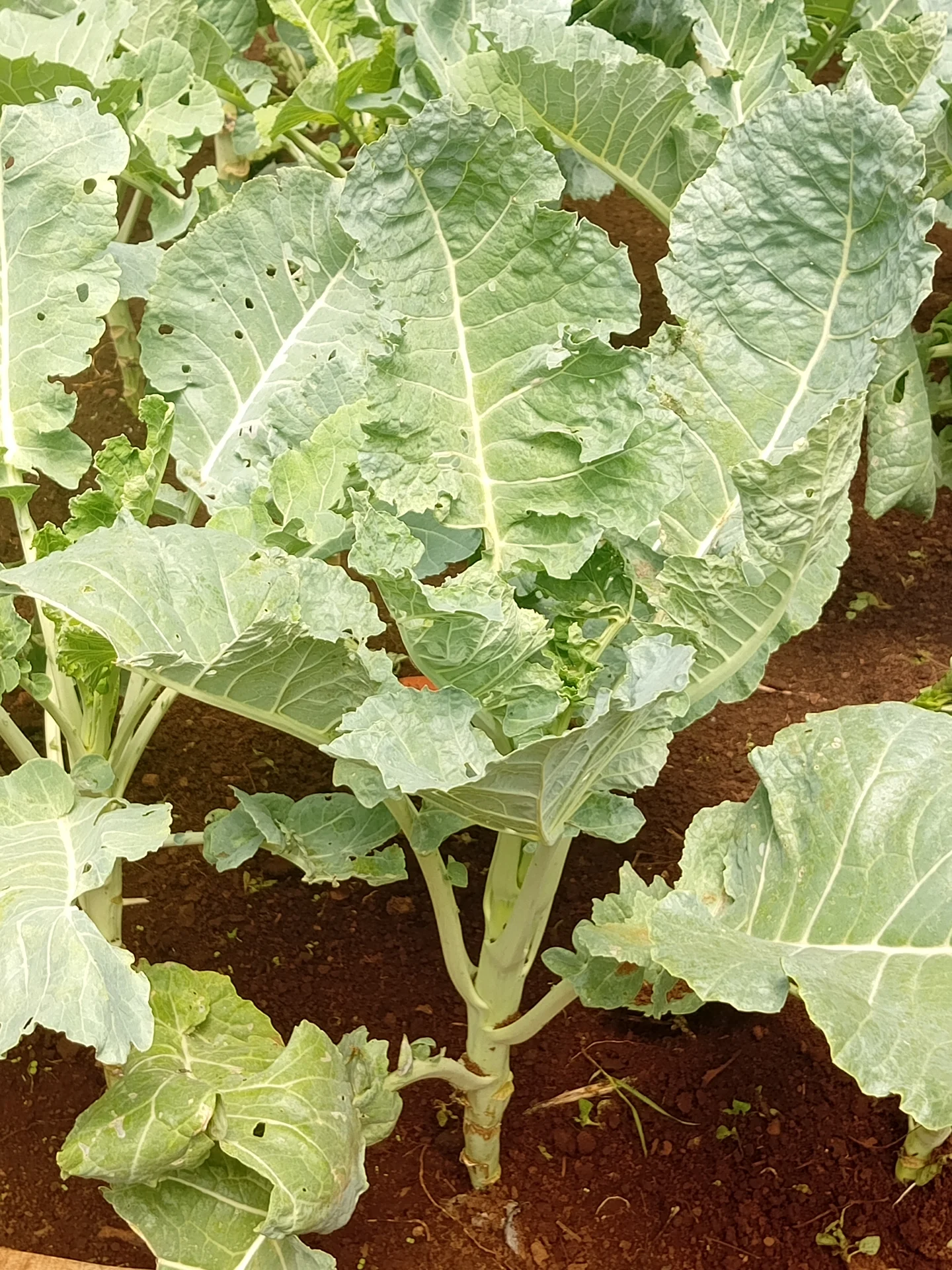 KaleFavourable
Plant 18 Sep 2026 – 15 Feb 2027 open now
matched to this season's forecast
about 22.2 t/ha expected
Irrigated: plant 21 Jan 2026 – 1 Jan 2027 · about 17.1 t/ha
Pest/disease risk — manageableSoil pH outside the crop's rangeCorrect soil pH (lime) -
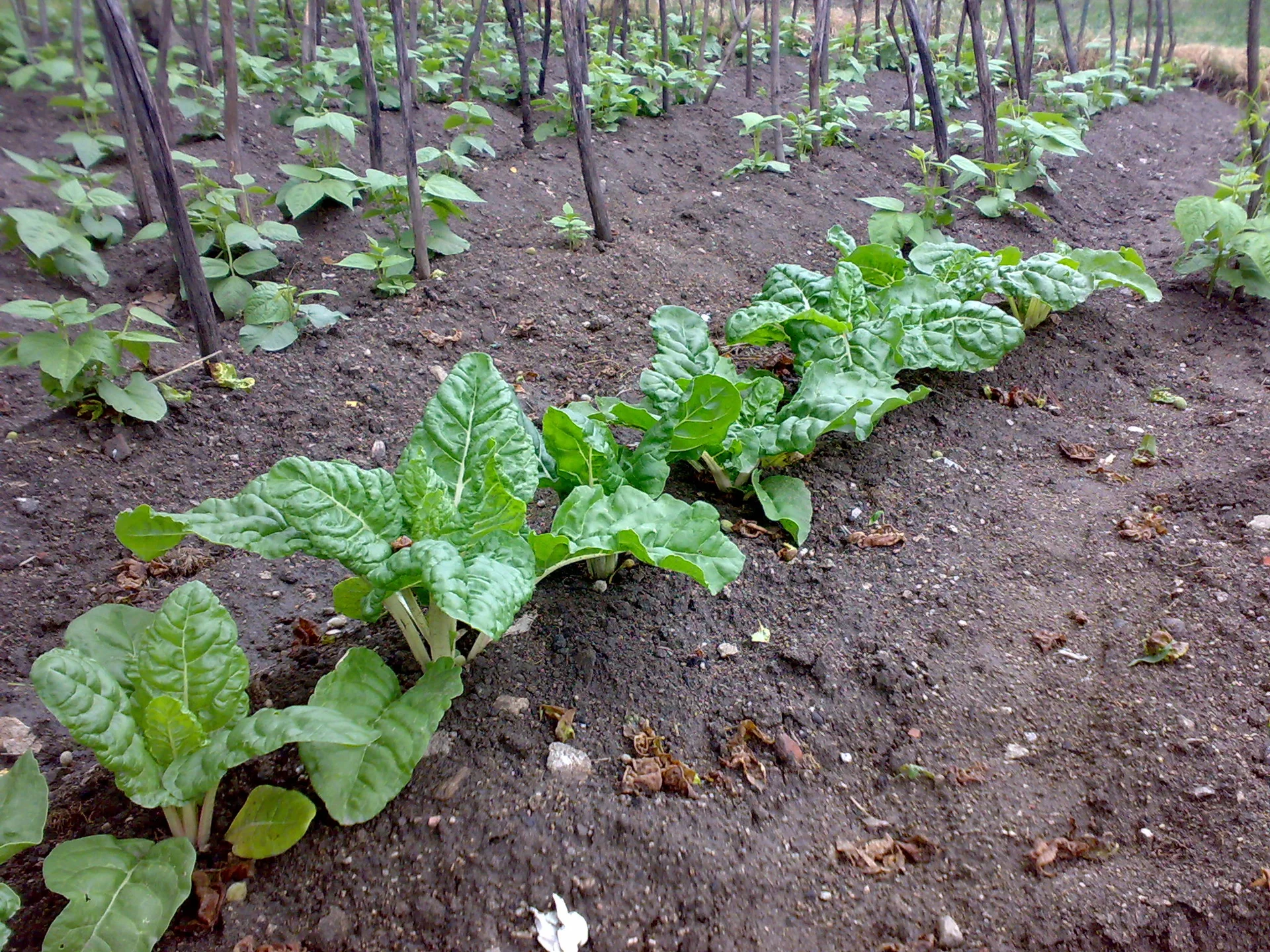 Swiss chardFavourable
Plant 18 Sep 2026 – 15 Feb 2027 open now
matched to this season's forecast
about 22.2 t/ha expected
Irrigated: plant 21 Jan 2026 – 1 Jan 2027 · about 17.1 t/ha
Pest/disease risk — manageableSoil pH below the crop's optimumSteep slope -
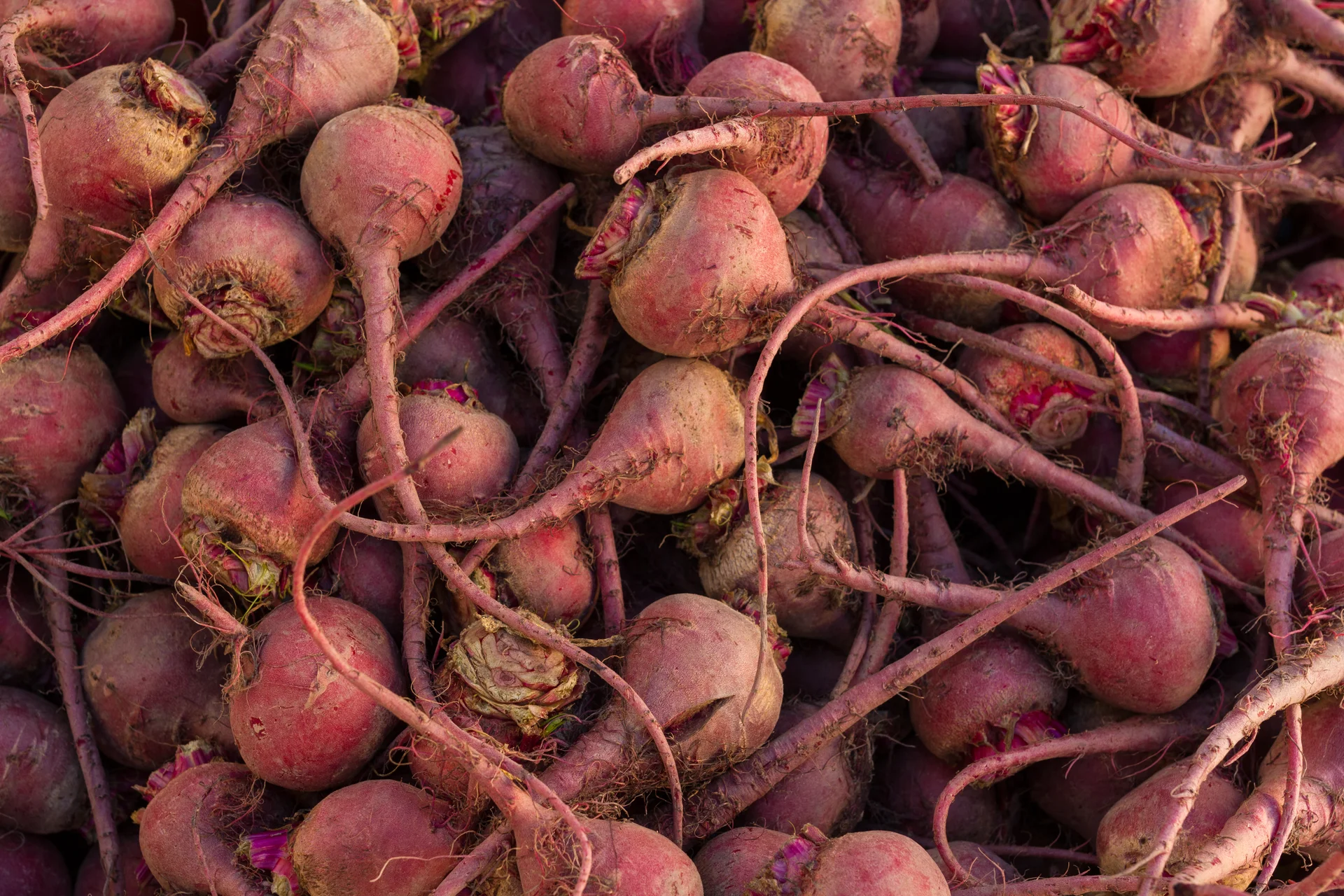 BeetrootFavourable
Plant 23 Sep 2026 – 6 Apr 2027 open now
matched to this season's forecast
about 19.0 t/ha expected
Irrigated: plant 21 Jan 2026 – 1 Jan 2027 · about 13.7 t/ha
Pest/disease risk — manageableSoil pH outside the crop's rangeCorrect soil pH (lime) -
OnionFavourable
Plant 21 Sep 2026 – 9 Mar 2027 open now
matched to this season's forecast
about 19.0 t/ha expected
Irrigated: plant 21 Jan 2026 – 1 Jan 2027 · about 15.4 t/ha
Pest/disease risk — manageableSoil pH outside the crop's rangeCorrect soil pH (lime) -
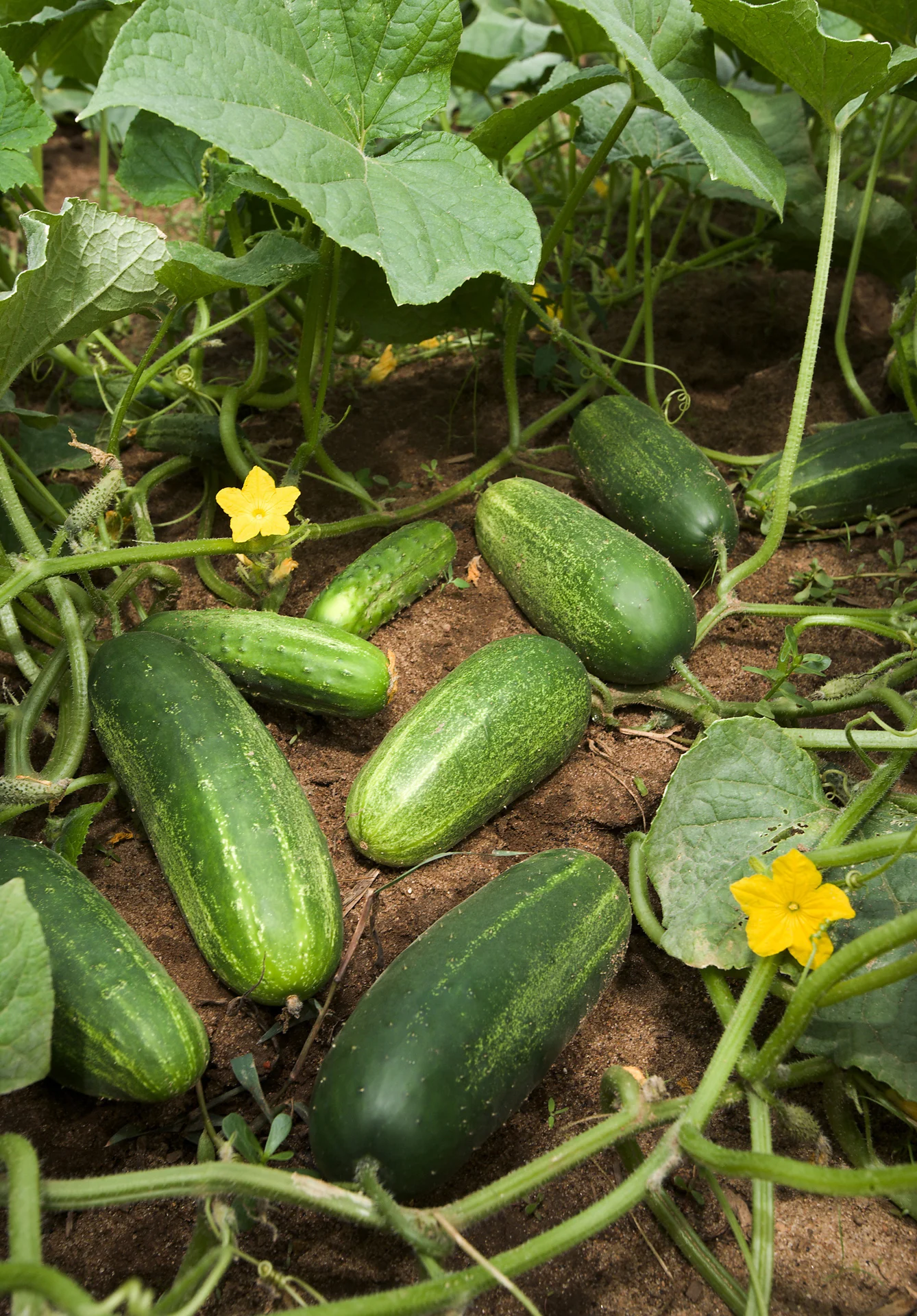 CucumberFavourable
Plant 23 Sep 2026 – 6 Apr 2027 open now
matched to this season's forecast
about 15.8 t/ha expected
Irrigated: plant 21 Jan 2026 – 1 Jan 2027 · about 13.7 t/ha
Pest/disease risk — manageableSoil pH outside the crop's rangeCorrect soil pH (lime) -
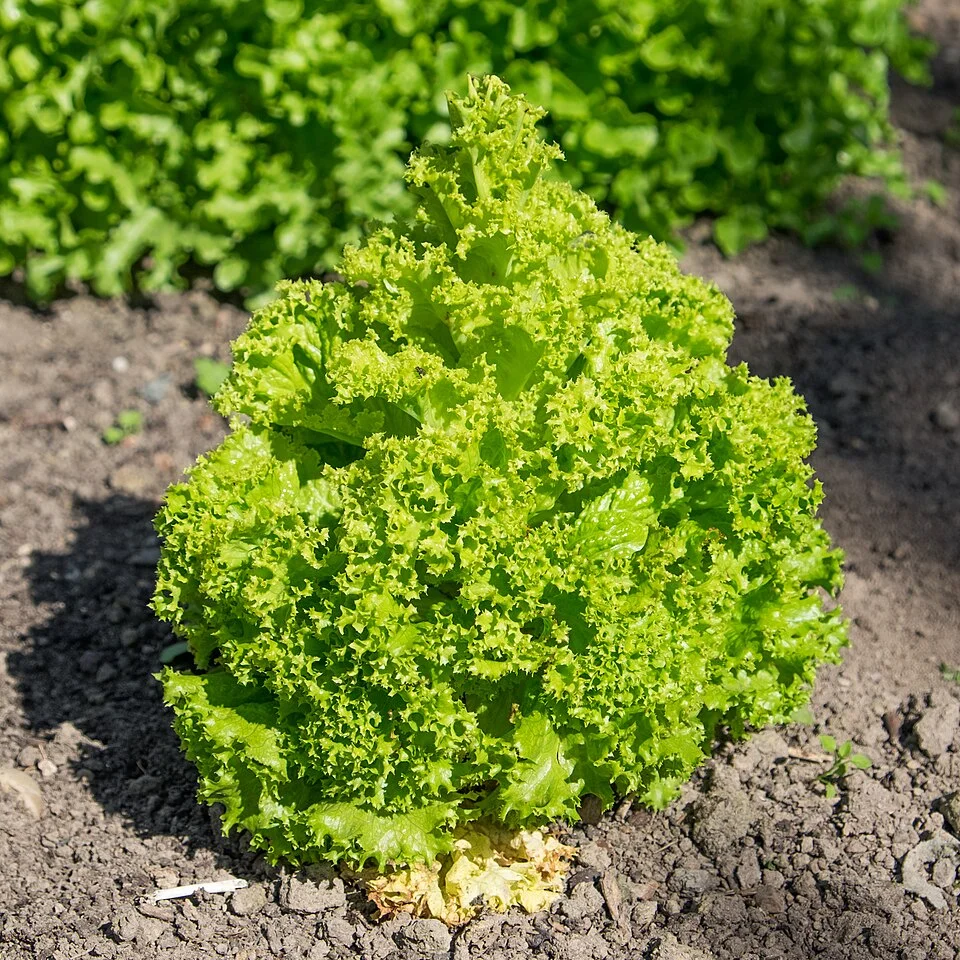 LettuceFavourable
Plant 8 Oct 2026 – 6 Apr 2027 opens in 1 week
matched to this season's forecast
about 15.8 t/ha expected
· about 11.9 t/ha
Pest/disease risk — manageableSoil pH outside the crop's rangeCorrect soil pH (lime) -
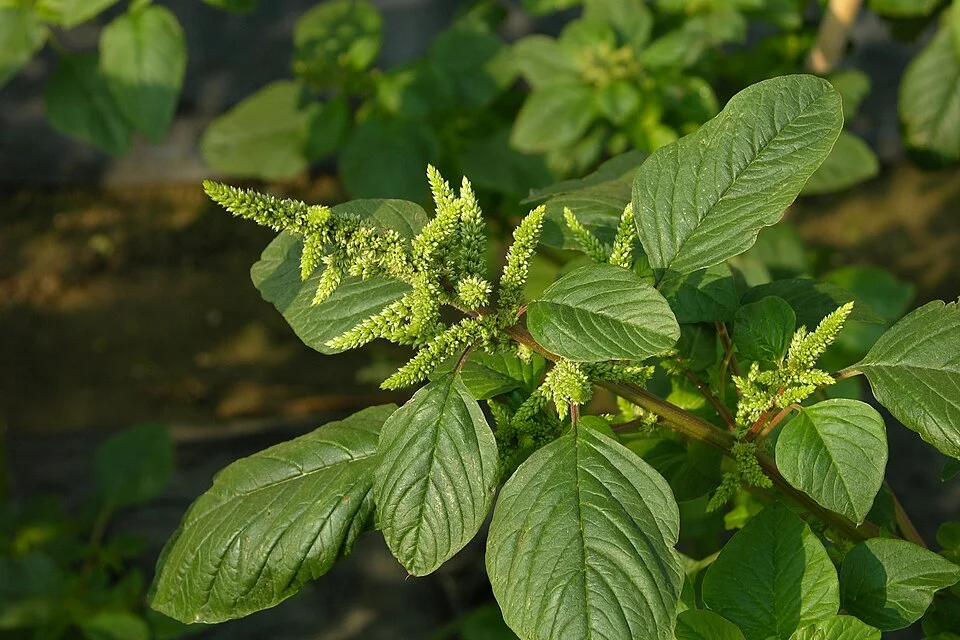 AmaranthFavourable
Plant 22 Sep 2026 – 12 Jan 2027 open now
matched to this season's forecast
about 12.7 t/ha expected
Irrigated: plant 21 Jan 2026 – 1 Jan 2027 · about 10.2 t/ha
Pest/disease risk — manageableSoil pH below the crop's optimumSteep slope -
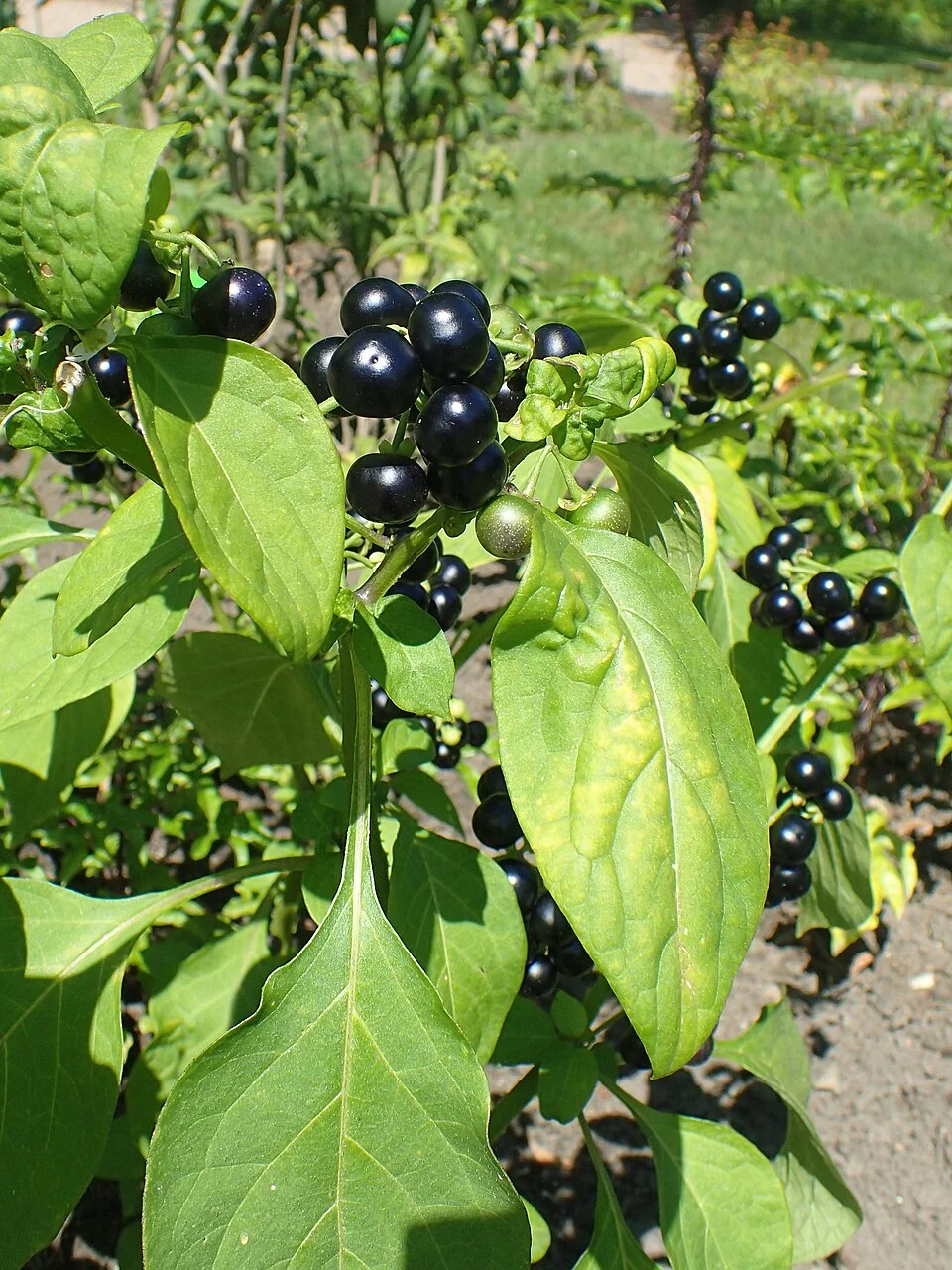 African nightshadeFavourable
Plant 22 Sep 2026 – 6 Apr 2027 open now
matched to this season's forecast
about 11.4 t/ha expected
Irrigated: plant 21 Jan 2026 – 1 Jan 2027 · about 8.5 t/ha
Pest/disease risk — manageableSoil pH outside the crop's rangeCorrect soil pH (lime) -
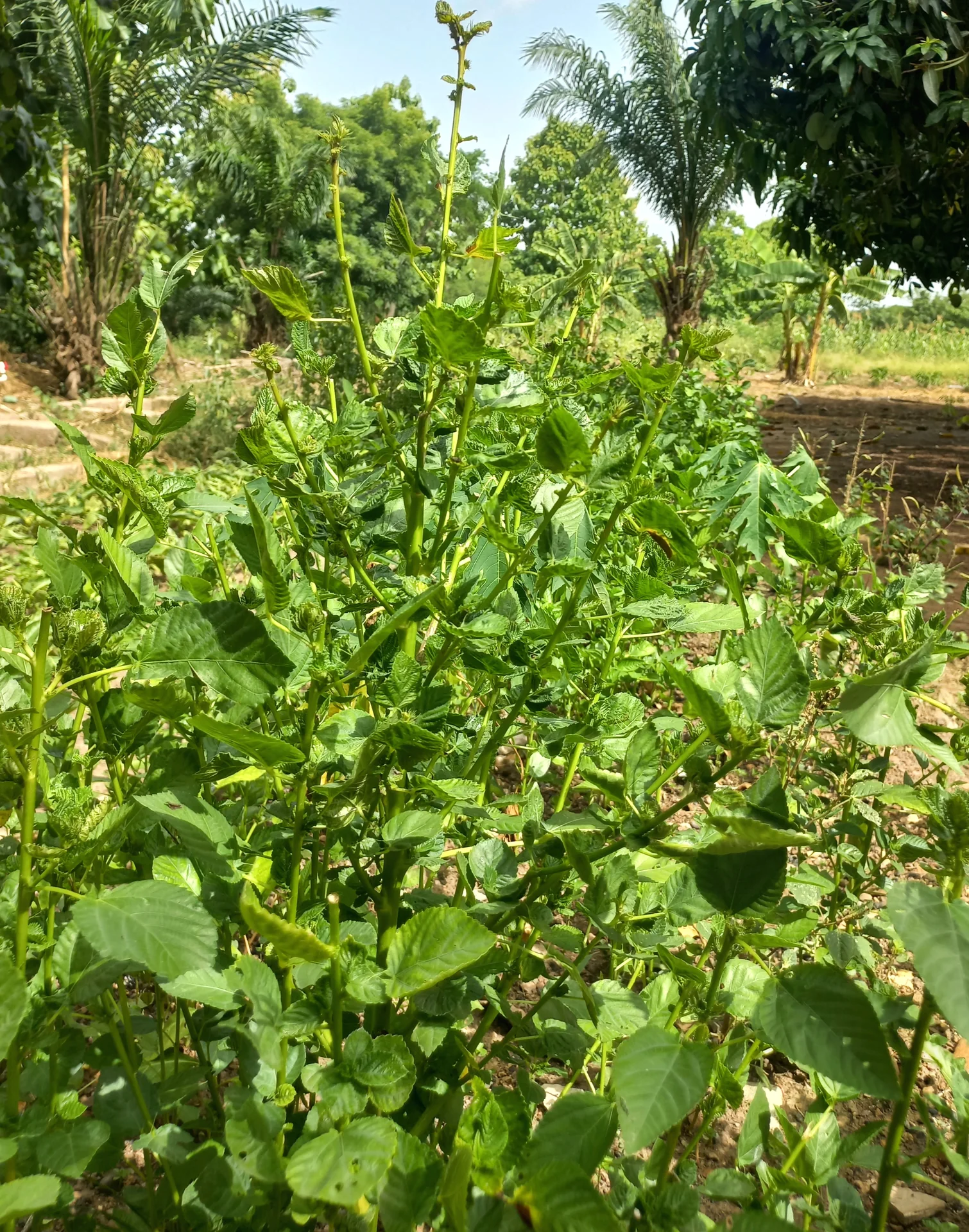 Jute mallowFavourable
Plant 24 Sep 2026 – 30 Jan 2027 open now
matched to this season's forecast
about 6.3 t/ha expected
Irrigated: plant 30 Jun 2026 – 21 Jan 2027 · about 5.1 t/ha
Pest/disease risk — manageableSteep slope -
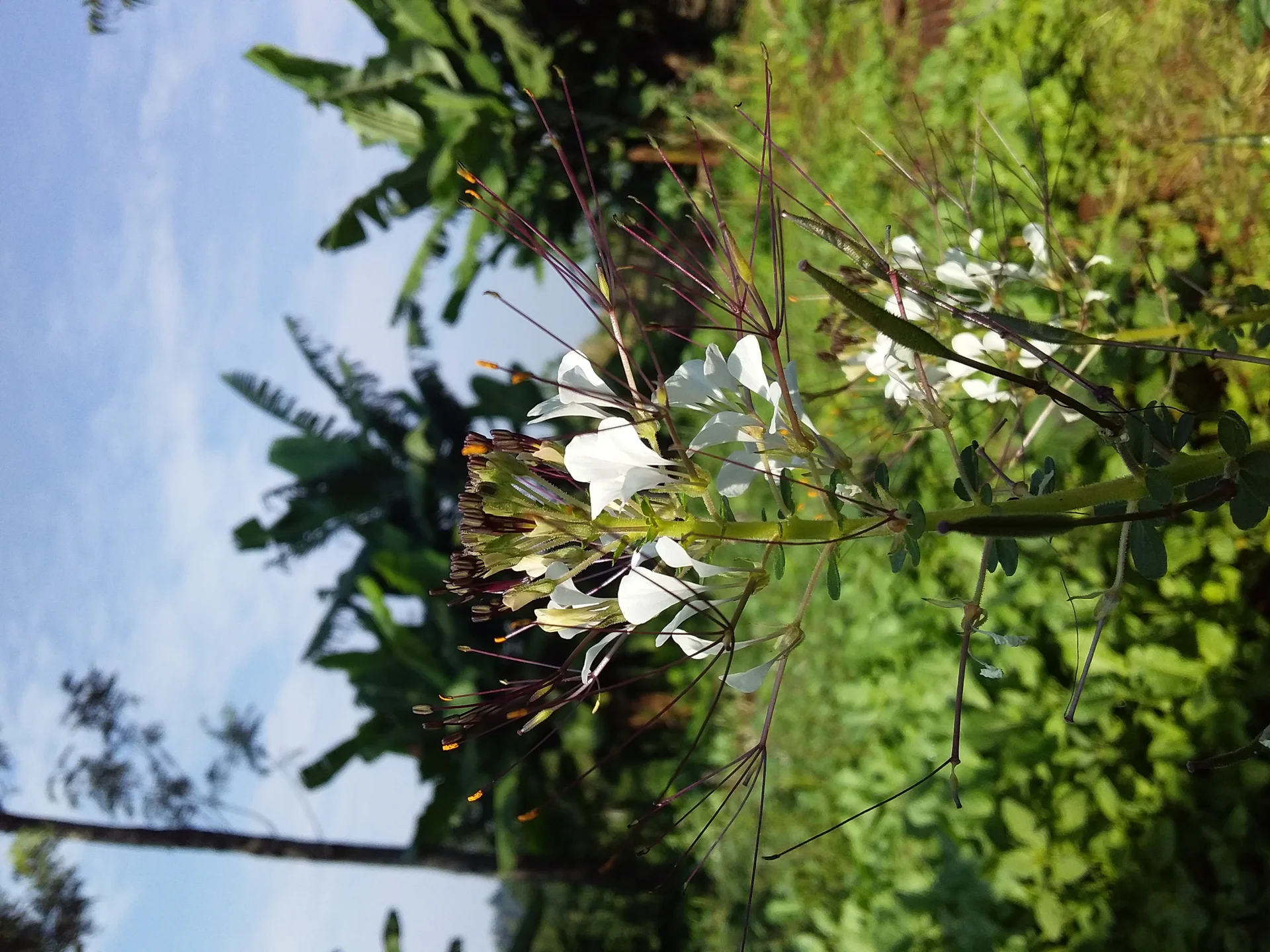 Spider plantFavourable
Plant 22 Sep 2026 – 6 Apr 2027 open now
matched to this season's forecast
about 6.3 t/ha expected
Irrigated: plant 21 Jan 2026 – 1 Jan 2027 · about 5.1 t/ha
Pest/disease risk — manageableSoil pH outside the crop's rangeCorrect soil pH (lime) -
 WheatFavourable
Plant 13 Dec 2026 – 19 Mar 2027 opens in 10 weeks
matched to this season's forecast
about 3.2 t/ha expected
Irrigated: plant 27 Dec 2026 – 10 Jun 2027 · about 2.4 t/ha
Pest/disease risk — manageableSoil pH outside the crop's rangeCorrect soil pH (lime) -
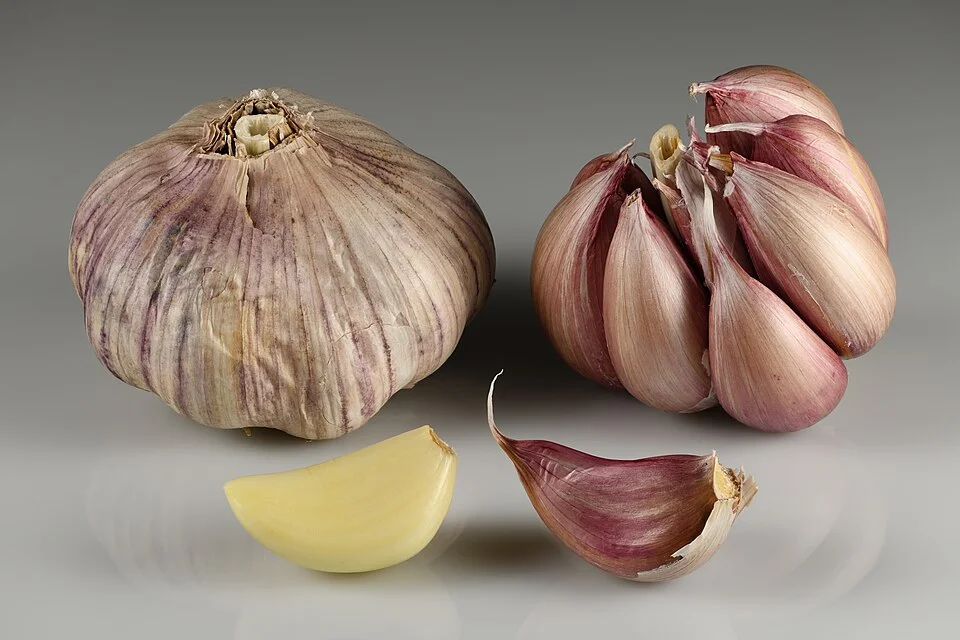 GarlicFavourable
Plant 27 Dec 2026 – 15 Feb 2027 opens in 12 weeks
matched to this season's forecast
about 6.3 t/ha expected
Pest/disease risk — manageableSoil pH outside the crop's rangeCorrect soil pH (lime) -
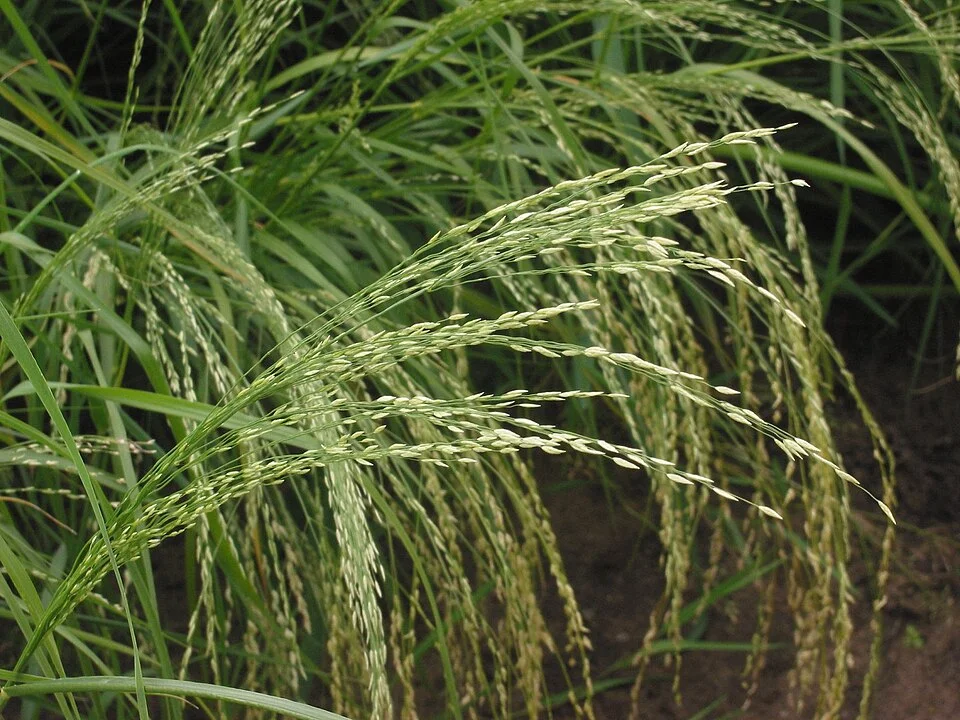 TeffFavourable
Plant 12 Jan 2027 – 23 Mar 2027 opens in 15 weeks
matched to this season's forecast
about 2.1 t/ha expected
Irrigated: plant 21 Jan 2027 – 30 Jun 2027 · about 1.3 t/ha
Pest/disease risk — manageableSteep slope -
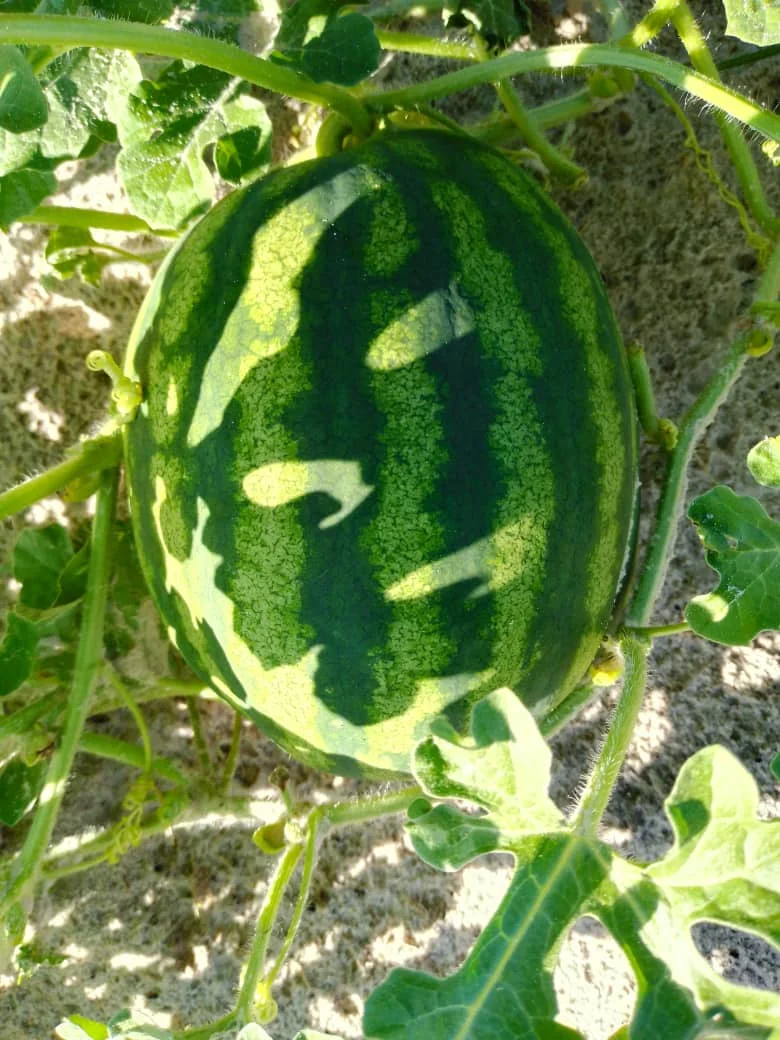 WatermelonFavourable
Plant 7 Sep 2026 – 15 Jan 2027 open now
matched to this season's forecast
about 20.3 t/ha expected
Irrigated: plant 10 Jun 2026 – 21 Jan 2027 · about 17.1 t/ha
Pest/disease risk — manageableSoil pH outside the crop's rangeCorrect soil pH (lime) -
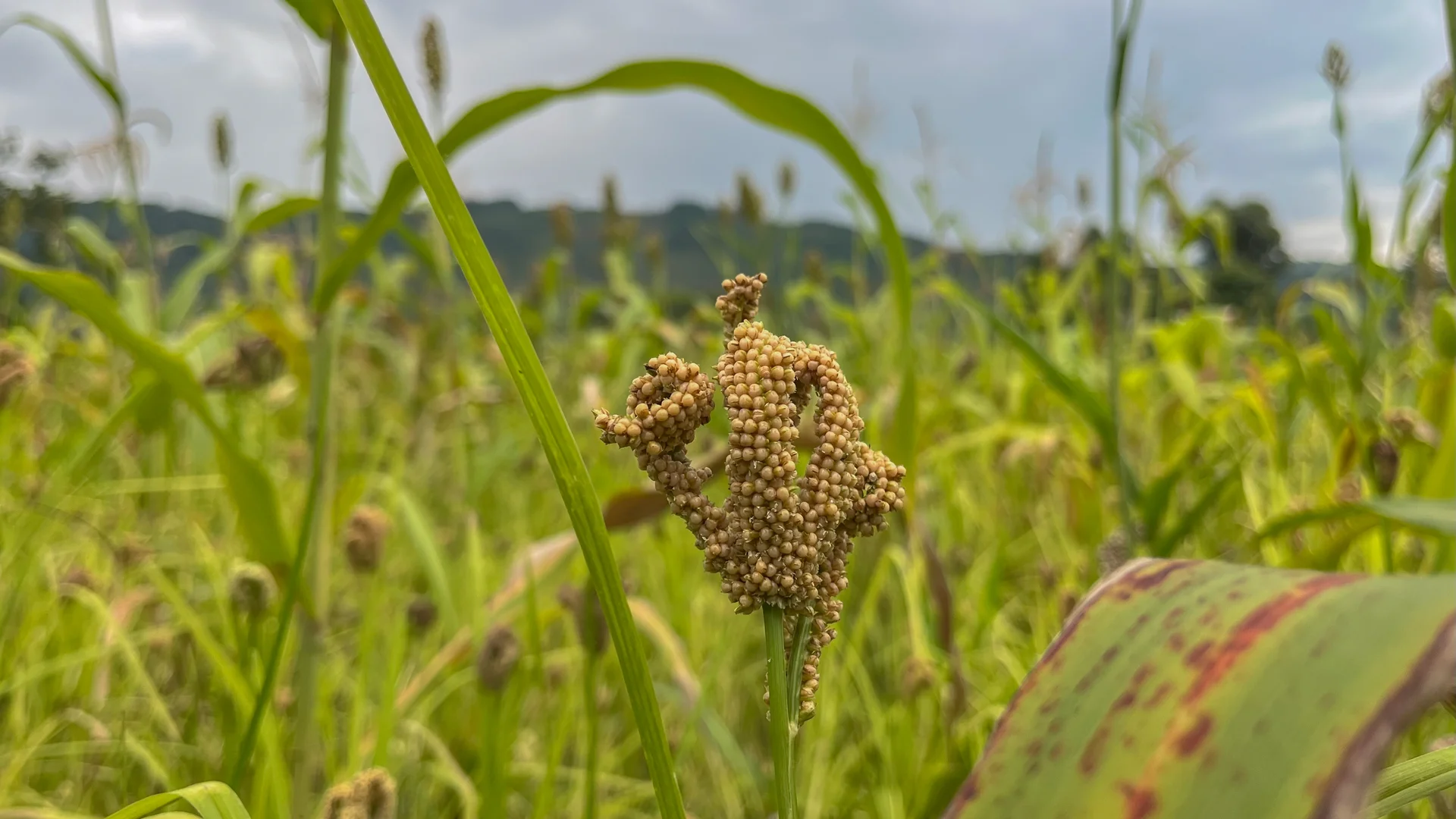 Finger milletFavourable
Plant 7 Sep 2026 – 2 Jan 2027 open now
matched to this season's forecast
about 1.8 t/ha expected
Irrigated: plant 11 Apr 2026 – 1 Jan 2027 · about 0.9 t/ha
Pest/disease risk — manageableSoil pH outside the crop's rangeCorrect soil pH (lime) -
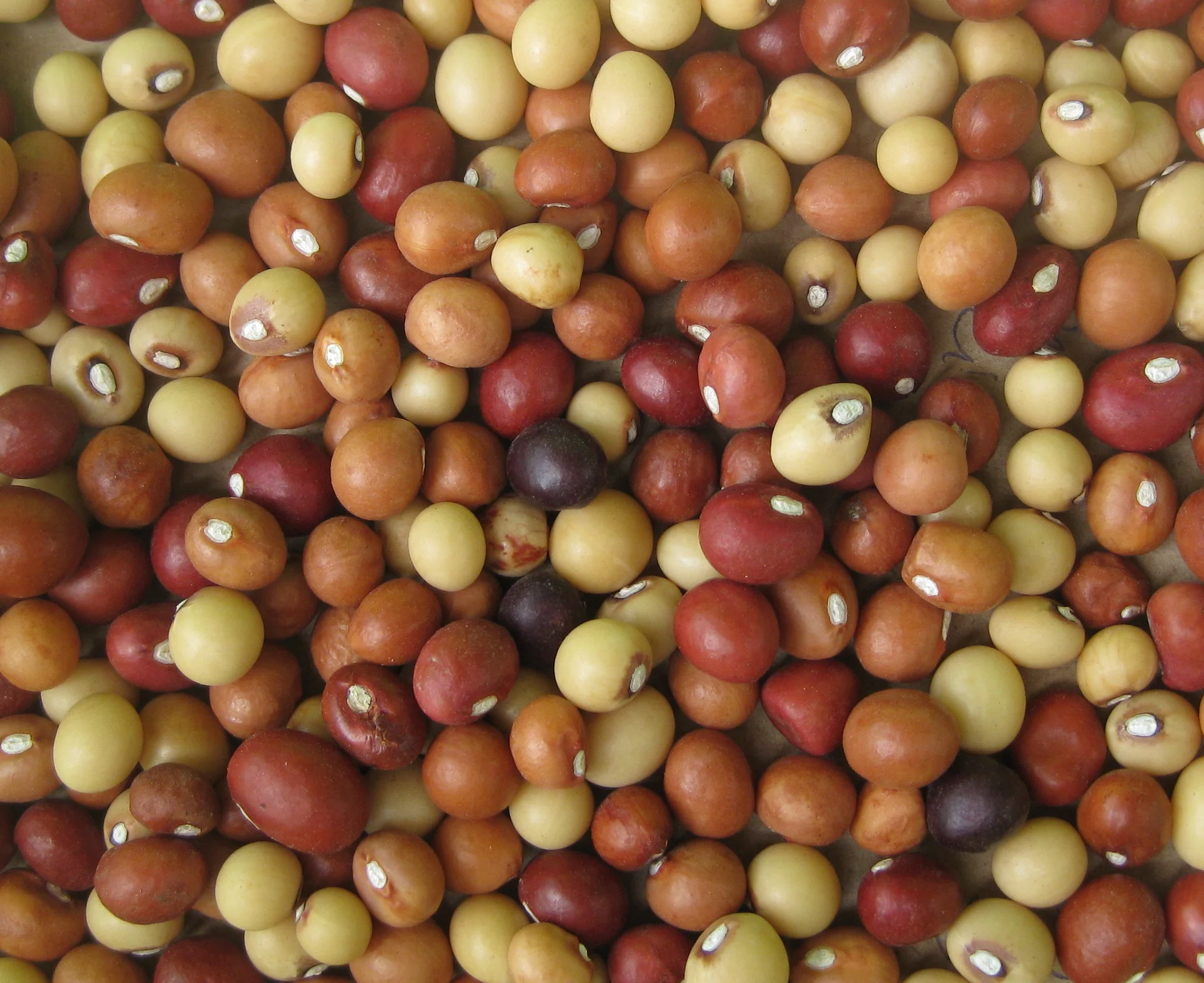 Bambara groundnutFavourable
Plant 7 Sep 2026 – 15 Dec 2026 open now
matched to this season's forecast
about 1.2 t/ha expected
Irrigated: plant 1 May 2026 – 7 Dec 2026 · about 0.7 t/ha
Pest/disease risk — manageable -
 FonioFavourable
Plant 8 Sep 2026 – 15 Dec 2026 open now
matched to this season's forecast
about 0.9 t/ha expected
Irrigated: plant 1 May 2026 – 7 Dec 2026 · about 0.5 t/ha
Pest/disease risk — manageableSteep slope -
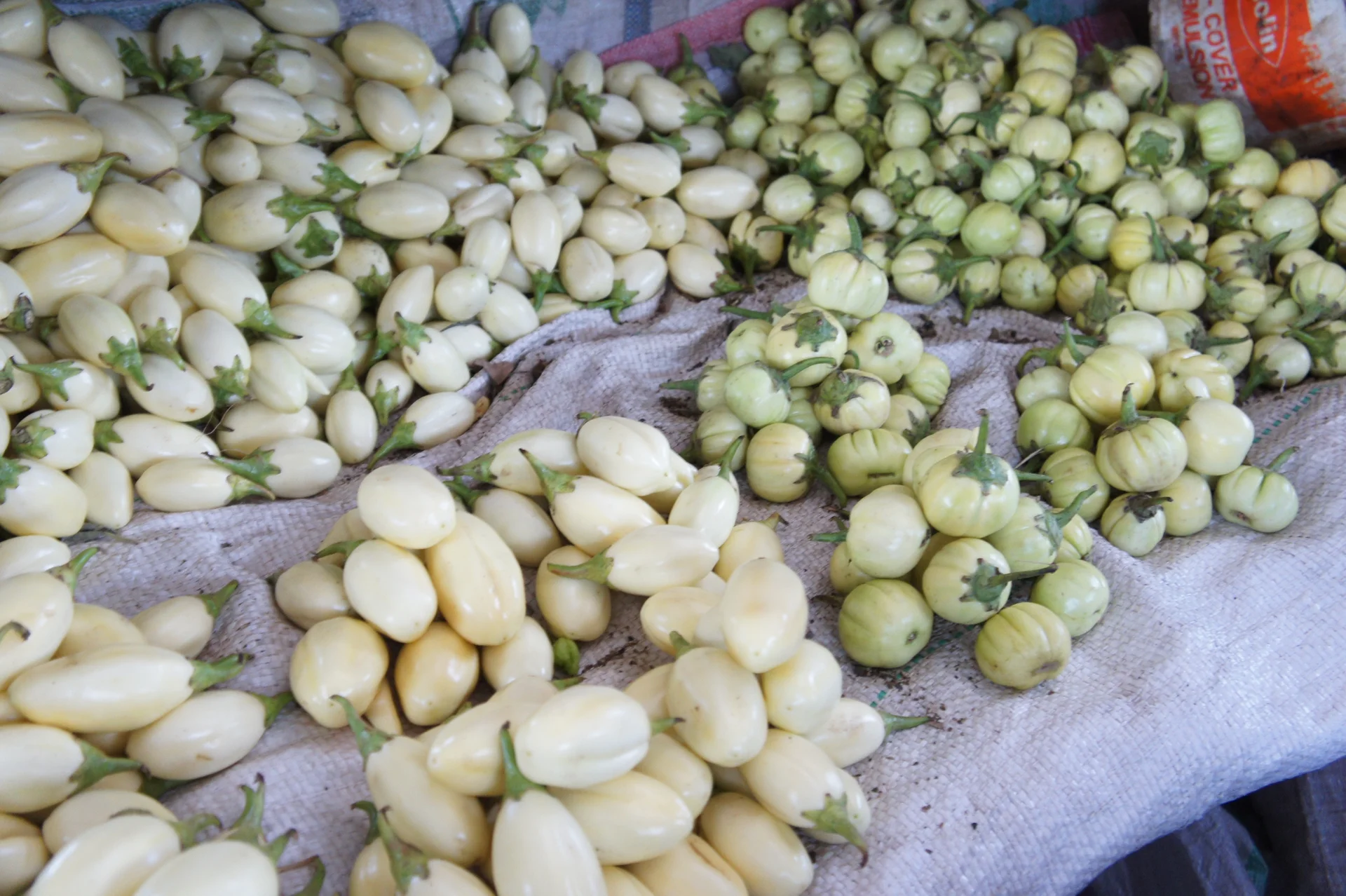 African eggplantFavourable
Plant 8 Sep 2026 – 21 Dec 2026 open now
matched to this season's forecast
about 13.4 t/ha expected
Irrigated: plant 1 May 2026 – 7 Dec 2026 · about 11.9 t/ha
Pest/disease risk — manageableSoil pH below the crop's optimumSteep slope -
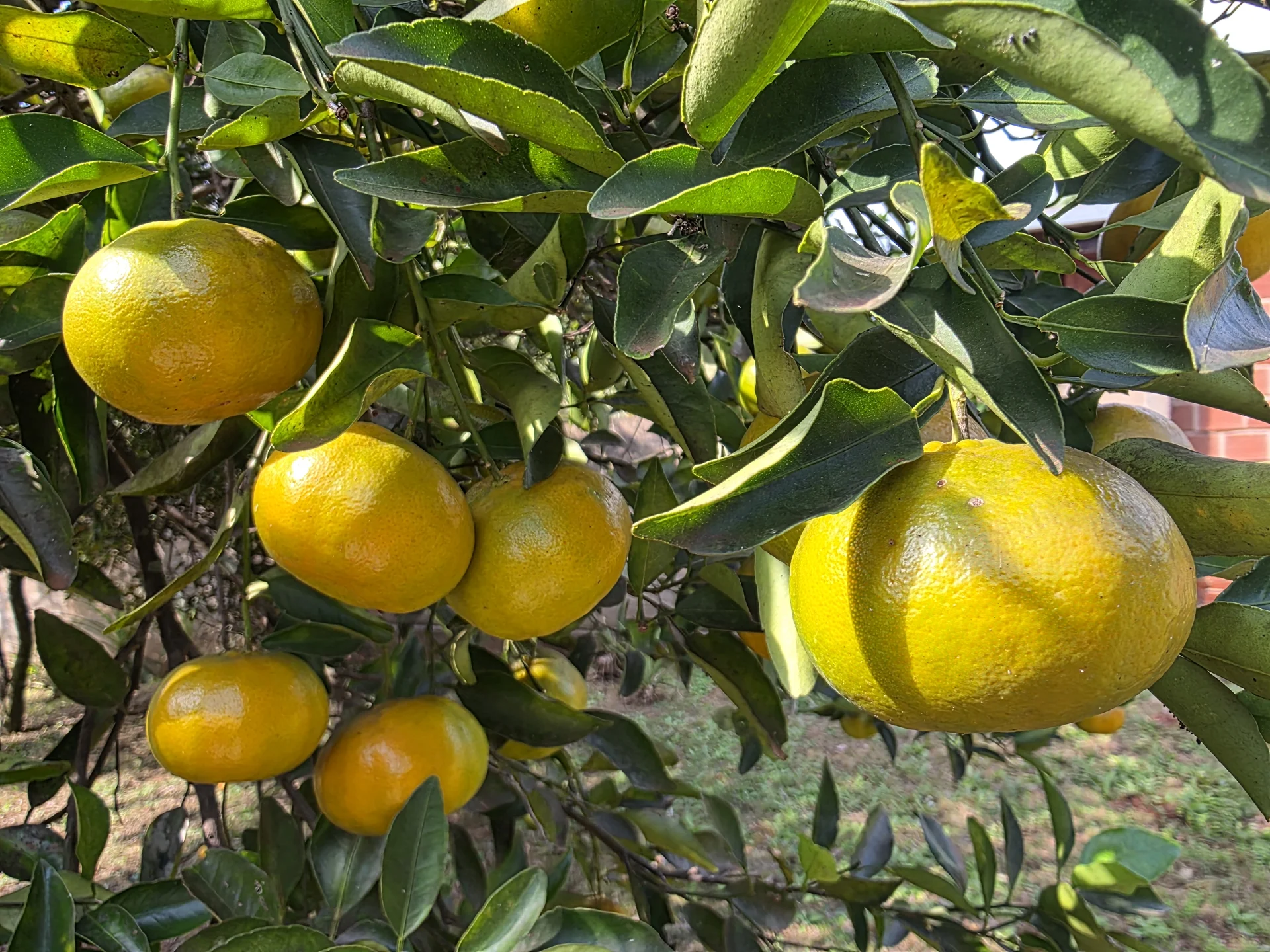 MandarinFavourable
Plant 7 Sep 2026 – 30 Mar 2027 open now
matched to this season's forecast
about 10.9 t/ha expected
Irrigated: plant 21 Jan 2026 – 1 Jan 2027 · about 15.9 t/ha
Pest/disease risk — manageableSoil pH outside the crop's rangeCorrect soil pH (lime) -
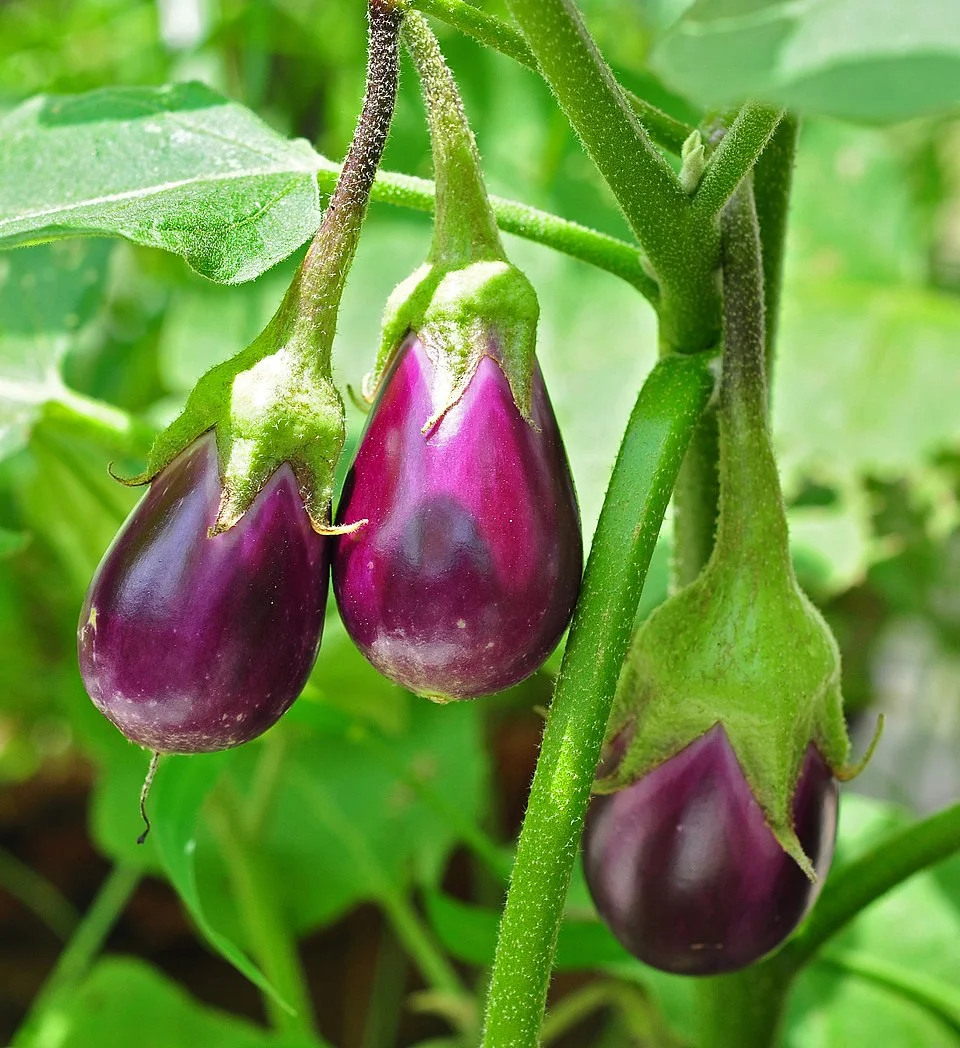 EggplantFavourable
Plant 8 Sep 2026 – 17 Dec 2026 open now
matched to this season's forecast
about 18.3 t/ha expected
Irrigated: plant 1 May 2026 – 7 Dec 2026 · about 17.1 t/ha
Pest/disease risk — manageableSoil pH below the crop's optimumSteep slope -
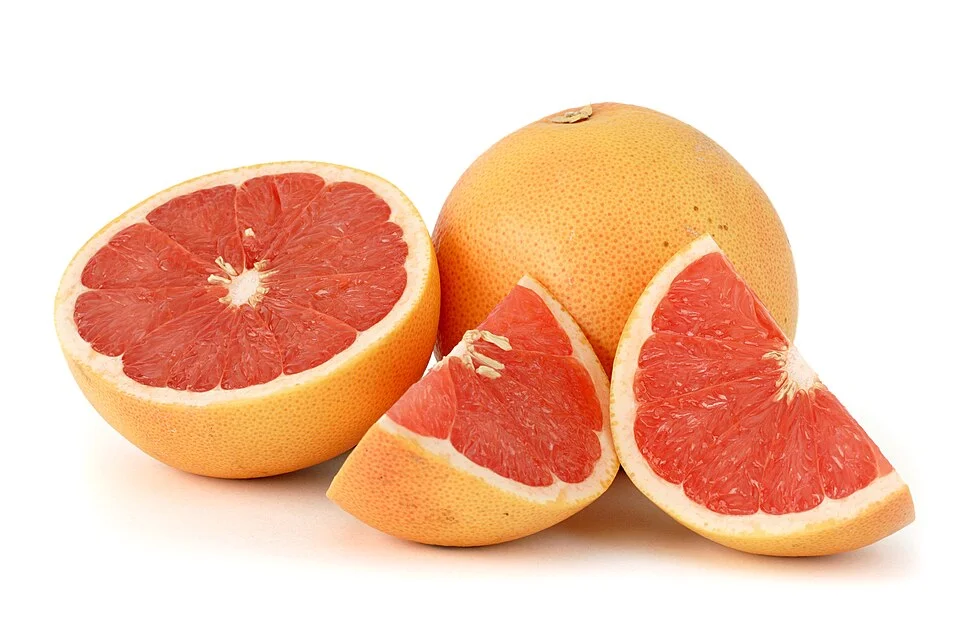 GrapefruitFavourable
Plant 7 Sep 2026 – 27 Sep 2026 closed for this season
matched to this season's forecast
about 10.1 t/ha expected
Irrigated: plant 21 Jan 2026 – 1 Jan 2027 · about 18.5 t/ha
Pest/disease risk — manageableSoil pH outside the crop's rangeCorrect soil pH (lime) -
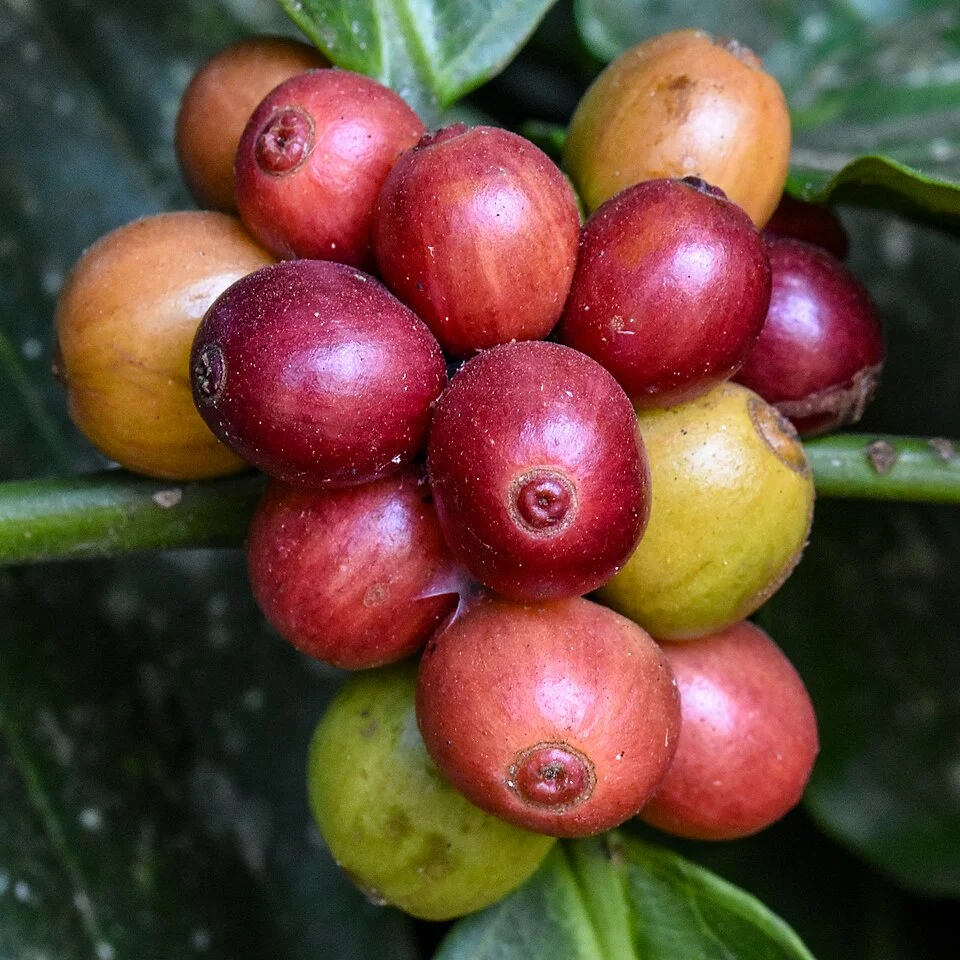 Robusta coffeeFavourable
Plant 7 Sep 2026 – 27 Sep 2026 closed for this season
matched to this season's forecast
about 0.8 t/ha expected
Irrigated: plant 21 Jan 2026 – 1 Jan 2027
Pest/disease risk — manageableSteep slope -
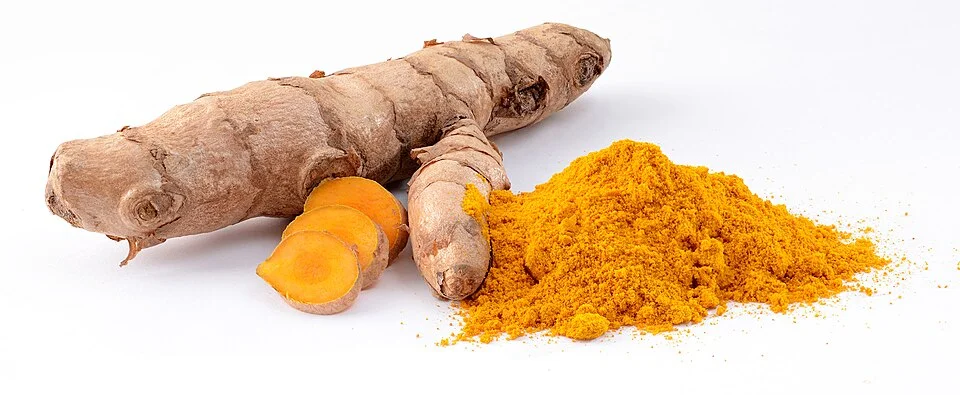 TurmericFavourable
Plant 8 Sep 2026 – 28 Sep 2026 closed for this season
matched to this season's forecast
about 11.2 t/ha expected
Irrigated: plant 21 Jan 2026 – 1 Jan 2027 · about 10.2 t/ha
Pest/disease risk — manageableSoil pH below the crop's optimumSteep slope -
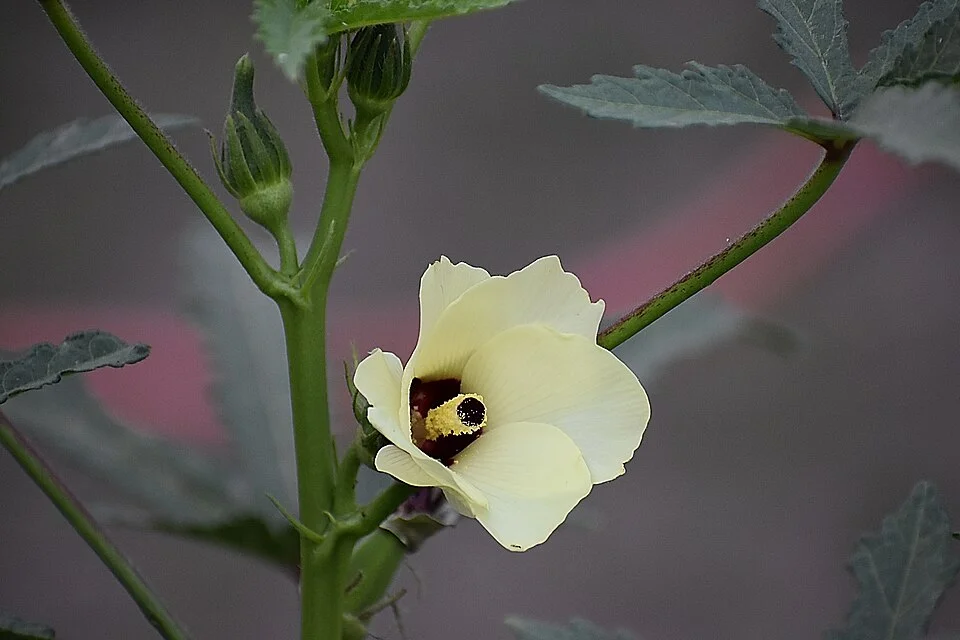 OkraFavourable
Plant 24 Sep 2026 – 14 Jan 2027 open now
matched to this season's forecast
about 4.4 t/ha expected
Irrigated: plant 30 Jun 2026 – 1 Jan 2027 · about 4.7 t/ha
Pest/disease risk — manageableSoil pH outside the crop's rangeCorrect soil pH (lime) -
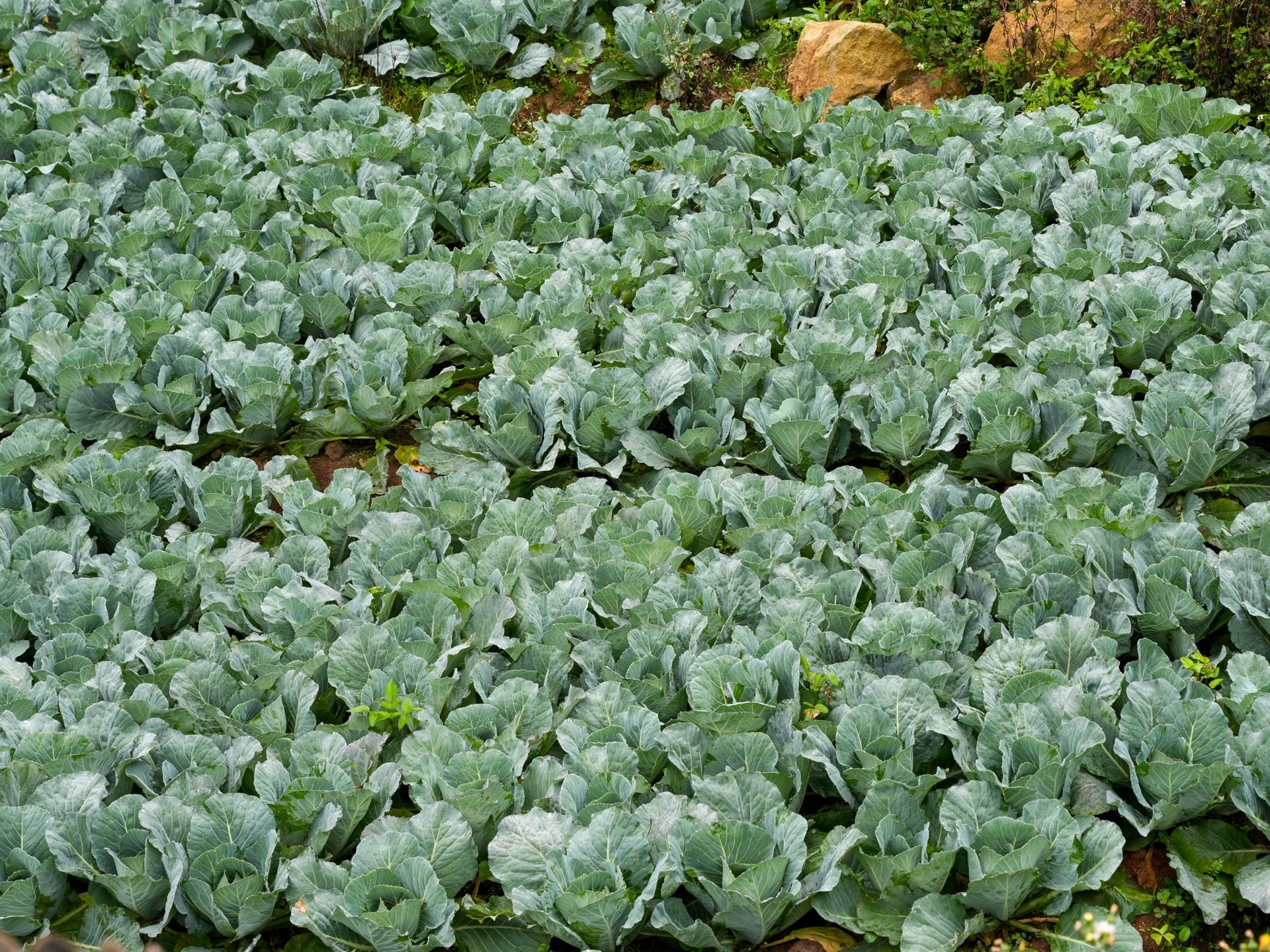 CabbageFavourable
Plant 29 Jan 2027 – 22 Mar 2027 opens in 17 weeks
matched to this season's forecast
about 23.8 t/ha expected
Irrigated: plant 10 Feb 2027 – 10 Jun 2027 · about 17.9 t/ha
Pest/disease risk — manageableSoil pH outside the crop's rangeCorrect soil pH (lime) -
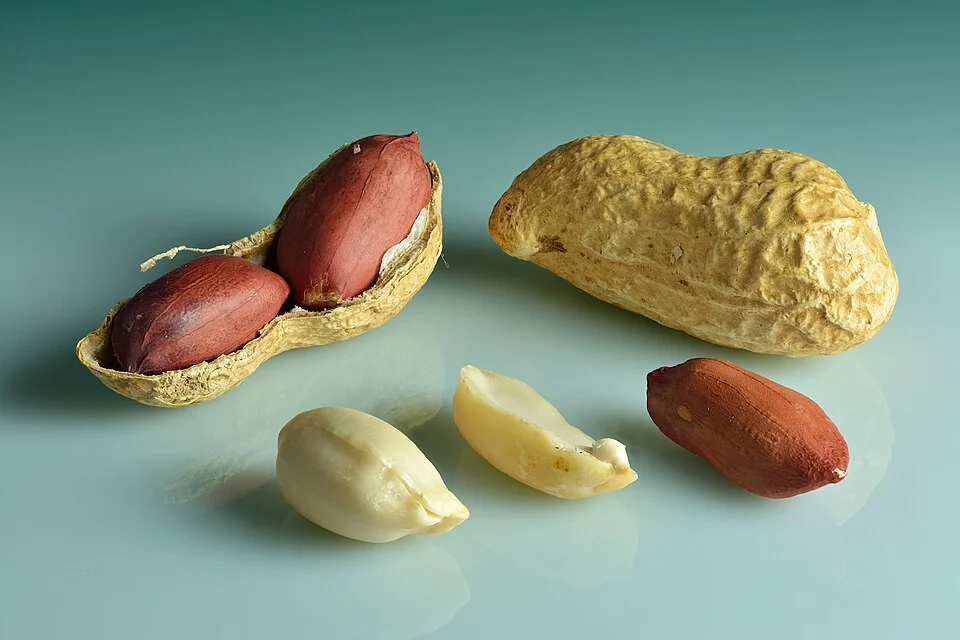 GroundnutModerate
Plant 7 Sep 2026 – 6 Nov 2026 open now
matched to this season's forecast
about 1.1 t/ha expected
Irrigated: plant 11 Apr 2026 – 8 Oct 2026 · about 0.7 t/ha
Soil pH below the crop's optimumSteep slope -
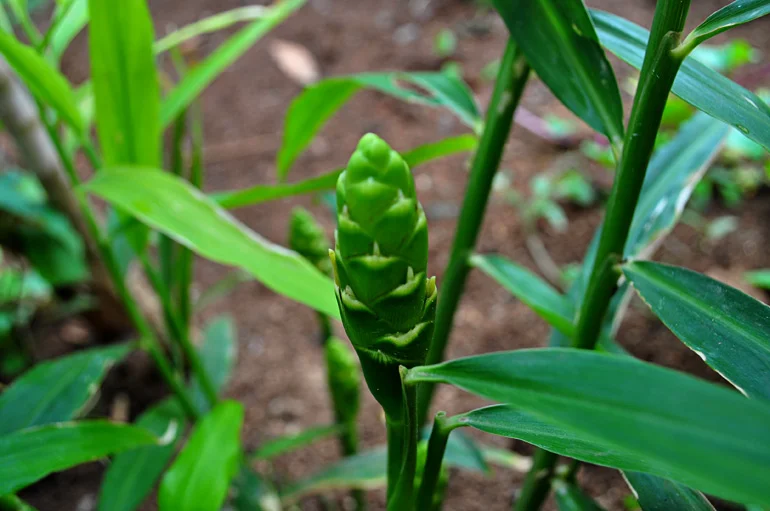 GingerModerate
Plant 8 Sep 2026 – 28 Sep 2026 closed for this season
matched to this season's forecast
about 5.5 t/ha expected
Irrigated: plant 21 Jan 2026 – 1 Jan 2027 · about 7.2 t/ha
Soil pH outside the crop's rangeCorrect soil pH (lime)Correctable with liming -
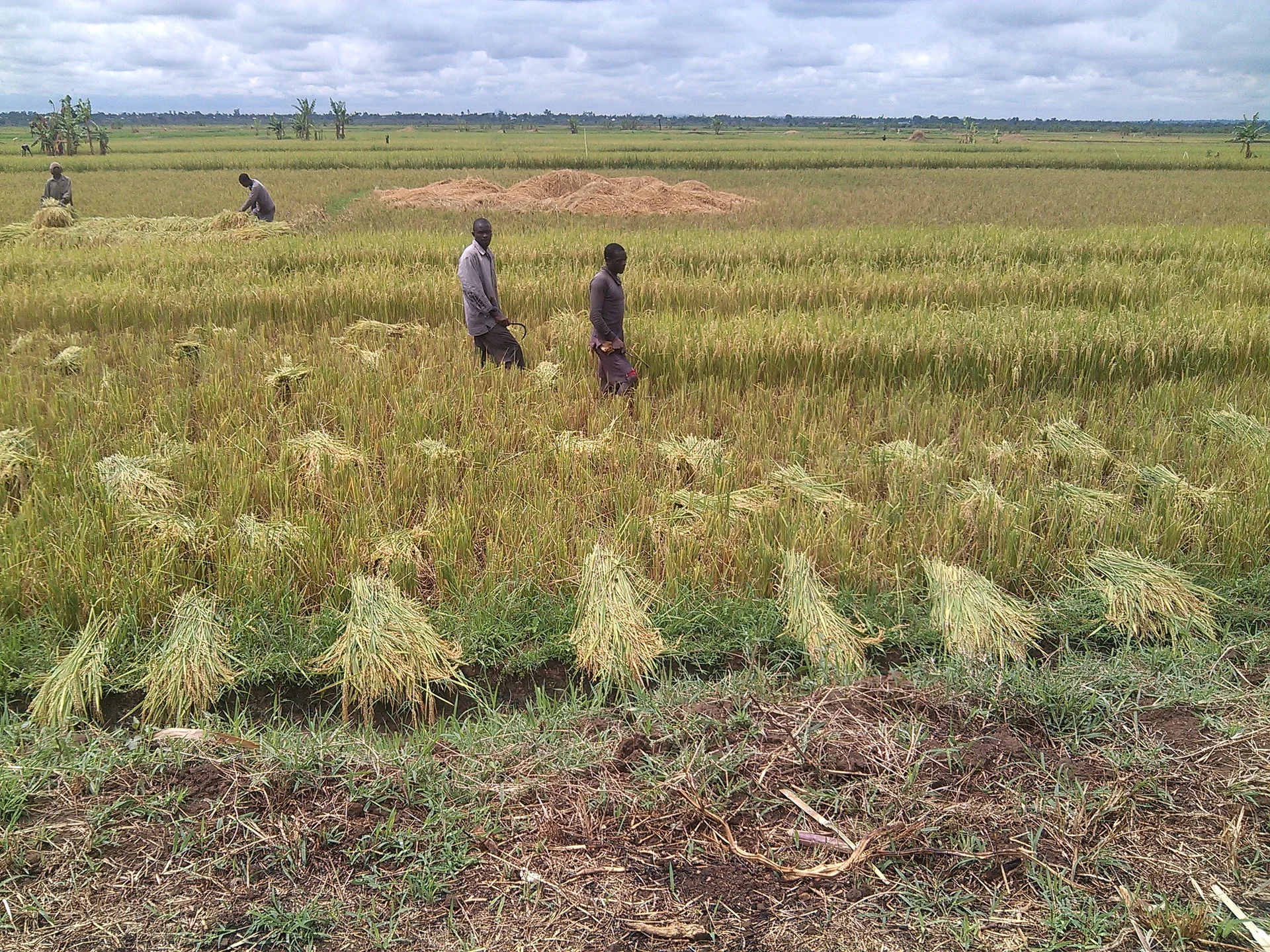 RiceModerate
Plant 19 Sep 2026 – 12 Dec 2026 open now
matched to this season's forecast
about 1.7 t/ha expected
Irrigated: plant 21 Jan 2026 – 1 Jan 2027 · about 1.5 t/ha
Soil pH below the crop's optimumSteep slope
25% lowland, humid, warm — 66 crops
-
SorghumFavourable
Plant 8 Sep 2026 – 30 Jan 2027 open now
matched to this season's forecast
3.9–4.0 t/ha expected
Irrigated: plant 21 Jan 2026 – 1 Jan 2027 · about 1.8 t/ha
Pest/disease risk — manageableSoil pH below the crop's optimum -
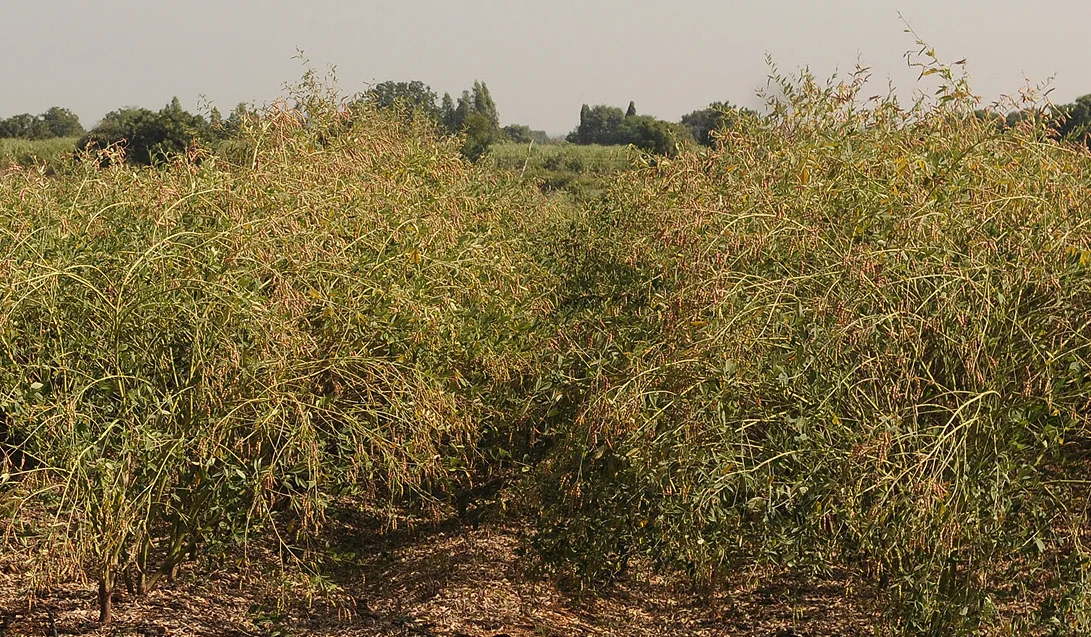 Pigeon peaFavourable
Plant 8 Sep 2026 – 6 Jan 2027 open now
matched to this season's forecast
1.8–2.0 t/ha expected
Irrigated: plant 20 Jul 2027 – 29 Aug 2027
Pest/disease risk — manageable -
LablabFavourable
Plant 8 Sep 2026 – 30 Jan 2027 open now
matched to this season's forecast
1.9–2.0 t/ha expected
Irrigated: plant 21 Jan 2026 – 1 Jan 2027 · about 0.7 t/ha
Pest/disease risk — manageable -
Niger seedFavourable
Plant 8 Sep 2026 – 19 Mar 2027 open now
matched to this season's forecast
about 1.0 t/ha expected
Irrigated: plant 21 Jan 2026 – 1 Jan 2027 · about 0.4 t/ha
Pest/disease risk — manageable -
GuavaFavourable
Plant 8 Sep 2026 – 19 Mar 2027 open now
matched to this season's forecast
about 22.7 t/ha expected
Irrigated: plant 21 Jan 2026 – 1 Jan 2027 · about 26.4 t/ha
Pest/disease risk — manageableSoil pH below the crop's optimum -
LemonFavourable
Plant 8 Sep 2026 – 31 Mar 2027 open now
matched to this season's forecast
22.0–22.7 t/ha expected
Irrigated: plant 21 Jan 2026 – 1 Jan 2027 · about 30.1 t/ha
Pest/disease risk — manageableSoil pH outside the crop's rangeCorrect soil pH (lime) -
LimeFavourable
Plant 8 Sep 2026 – 31 Mar 2027 open now
matched to this season's forecast
16.1–16.3 t/ha expected
Irrigated: plant 21 Jan 2026 – 1 Jan 2027 · about 18.8 t/ha
Pest/disease risk — manageableSoil pH outside the crop's rangeCorrect soil pH (lime) -
MangoFavourable
Plant 8 Sep 2026 – 31 Mar 2027 open now
matched to this season's forecast
about 16.3 t/ha expected
Irrigated: plant 21 Jan 2026 – 1 Jan 2027 · about 18.8 t/ha
Pest/disease risk — manageableSoil pH below the crop's optimum -
AvocadoFavourable
Plant 8 Sep 2026 – 23 Feb 2027 open now
matched to this season's forecast
12.5–12.7 t/ha expected
Irrigated: plant 21 Jan 2026 – 1 Jan 2027 · about 15.1 t/ha
Pest/disease risk — manageableSoil pH outside the crop's rangeCorrect soil pH (lime) -
Sweet orangeFavourable
Plant 8 Sep 2026 – 18 Oct 2026 open now
matched to this season's forecast
22.5–22.7 t/ha expected
Irrigated: plant 21 Jan 2026 – 1 Jan 2027 · about 30.1 t/ha
Pest/disease risk — manageableSoil pH outside the crop's rangeCorrect soil pH (lime) -
PineappleFavourable
Plant 8 Sep 2026 – 28 Sep 2026 closed for this season
matched to this season's forecast
about 46.3 t/ha expected
Irrigated: plant 21 Jan 2026 – 1 Jan 2027 · about 52.7 t/ha
Pest/disease risk — manageableSoil pH below the crop's optimum -
PapayaFavourable
Plant 20 Sep 2026 – 11 Feb 2027 open now
matched to this season's forecast
about 46.3 t/ha expected
Irrigated: plant 21 Jan 2026 – 1 Jan 2027 · about 41.6 t/ha
Pest/disease risk — manageableSoil pH below the crop's optimum -
Passion fruitFavourable
Plant 22 Sep 2026 – 23 Mar 2027 open now
matched to this season's forecast
about 18.5 t/ha expected
Irrigated: plant 21 Jan 2026 – 1 Jan 2027 · about 17.8 t/ha
Pest/disease risk — manageable -
TomatoFavourable
Plant 8 Sep 2026 – 18 Jan 2027 open now
matched to this season's forecast
about 25.4 t/ha expected
Irrigated: plant 21 Jan 2026 – 1 Jan 2027 · about 23.9 t/ha
Pest/disease risk — manageableSoil pH below the crop's optimumSteep slope -
EggplantFavourable
Plant 8 Sep 2026 – 16 Jan 2027 open now
matched to this season's forecast
about 22.2 t/ha expected
Irrigated: plant 1 May 2026 – 7 Dec 2026 · about 17.1 t/ha
Pest/disease risk — manageableSoil pH below the crop's optimumSteep slope -
African eggplantFavourable
Plant 8 Sep 2026 – 29 Jan 2027 open now
matched to this season's forecast
about 15.8 t/ha expected
Irrigated: plant 1 May 2026 – 7 Dec 2026 · about 11.9 t/ha
Pest/disease risk — manageableSoil pH below the crop's optimumSteep slope -
Sweet pepperFavourable
Plant 8 Sep 2026 – 26 Jan 2027 open now
matched to this season's forecast
about 15.8 t/ha expected
Irrigated: plant 21 Jan 2026 – 1 Jan 2027 · about 13.7 t/ha
Pest/disease risk — manageableSoil pH below the crop's optimumSteep slope -
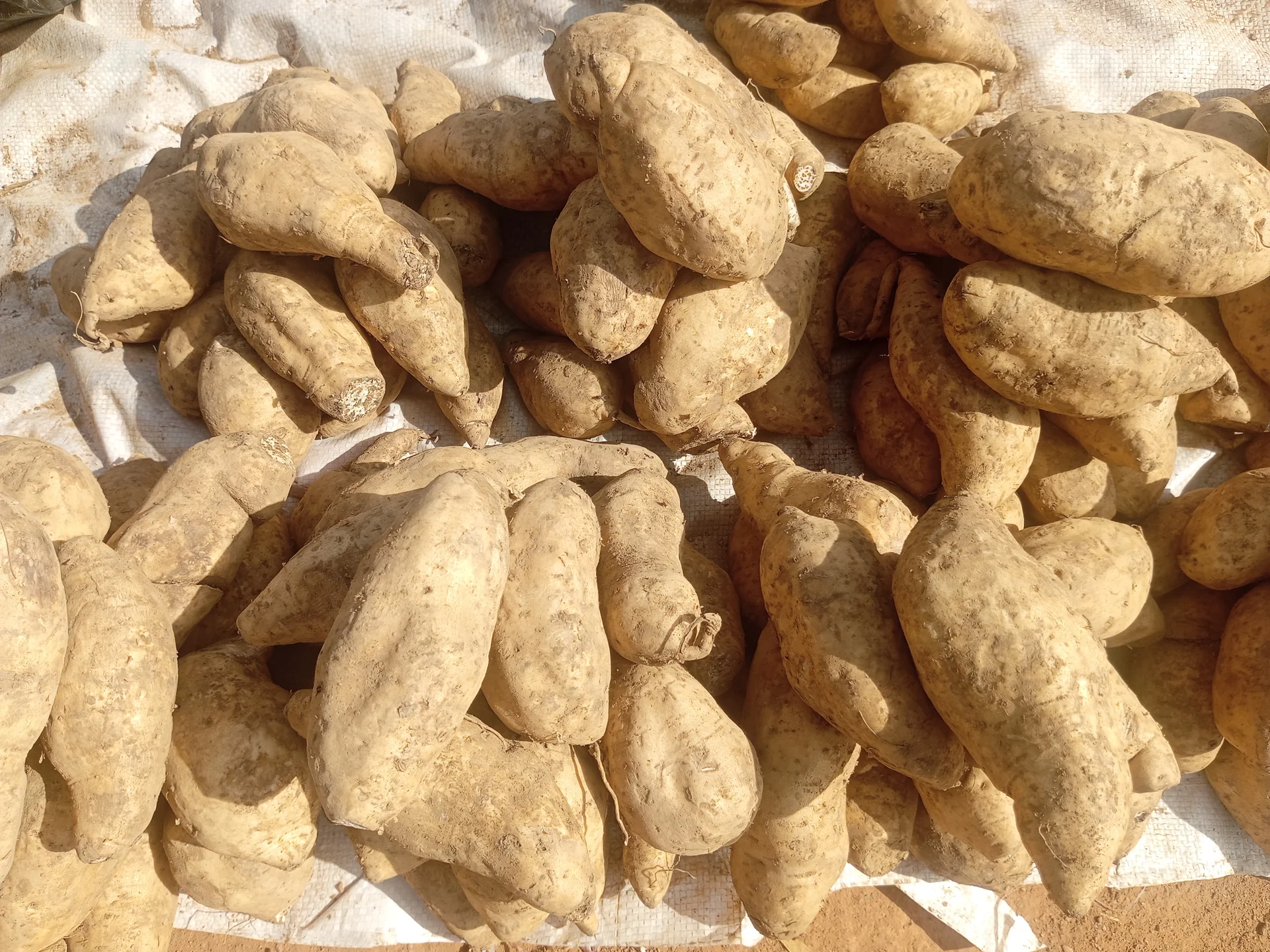 Sweet potatoFavourable
Plant 8 Sep 2026 – 19 Nov 2026 open now
matched to this season's forecast
about 17.1 t/ha expected
Irrigated: plant 30 Jun 2026 – 28 Oct 2026 · about 7.5 t/ha
Pest/disease risk — manageableSteep slope -
ChilliFavourable
Plant 8 Sep 2026 – 6 Jan 2027 open now
matched to this season's forecast
about 9.5 t/ha expected
Irrigated: plant 21 Jan 2026 – 1 Jan 2027 · about 8.5 t/ha
Pest/disease risk — manageableSoil pH below the crop's optimumSteep slope -
MaizeFavourable
Plant 8 Sep 2026 – 9 Feb 2027 open now
matched to this season's forecast
about 4.4 t/ha expected
Irrigated: plant 21 Jan 2026 – 1 Jan 2027 · about 3.4 t/ha
Pest/disease risk — manageableSteep slope -
SoybeanFavourable
Plant 8 Sep 2026 – 6 Jan 2027 open now
matched to this season's forecast
about 2.1 t/ha expected
Irrigated: plant 1 May 2026 – 1 Jan 2027 · about 1.4 t/ha
Pest/disease risk — manageableSoil pH below the crop's optimumSteep slope -
TobaccoFavourable
Plant 8 Sep 2026 – 16 Jan 2027 open now
matched to this season's forecast
about 2.1 t/ha expected
Irrigated: plant 21 Jan 2026 – 1 Jan 2027 · about 1.2 t/ha
Pest/disease risk — manageableSteep slope -
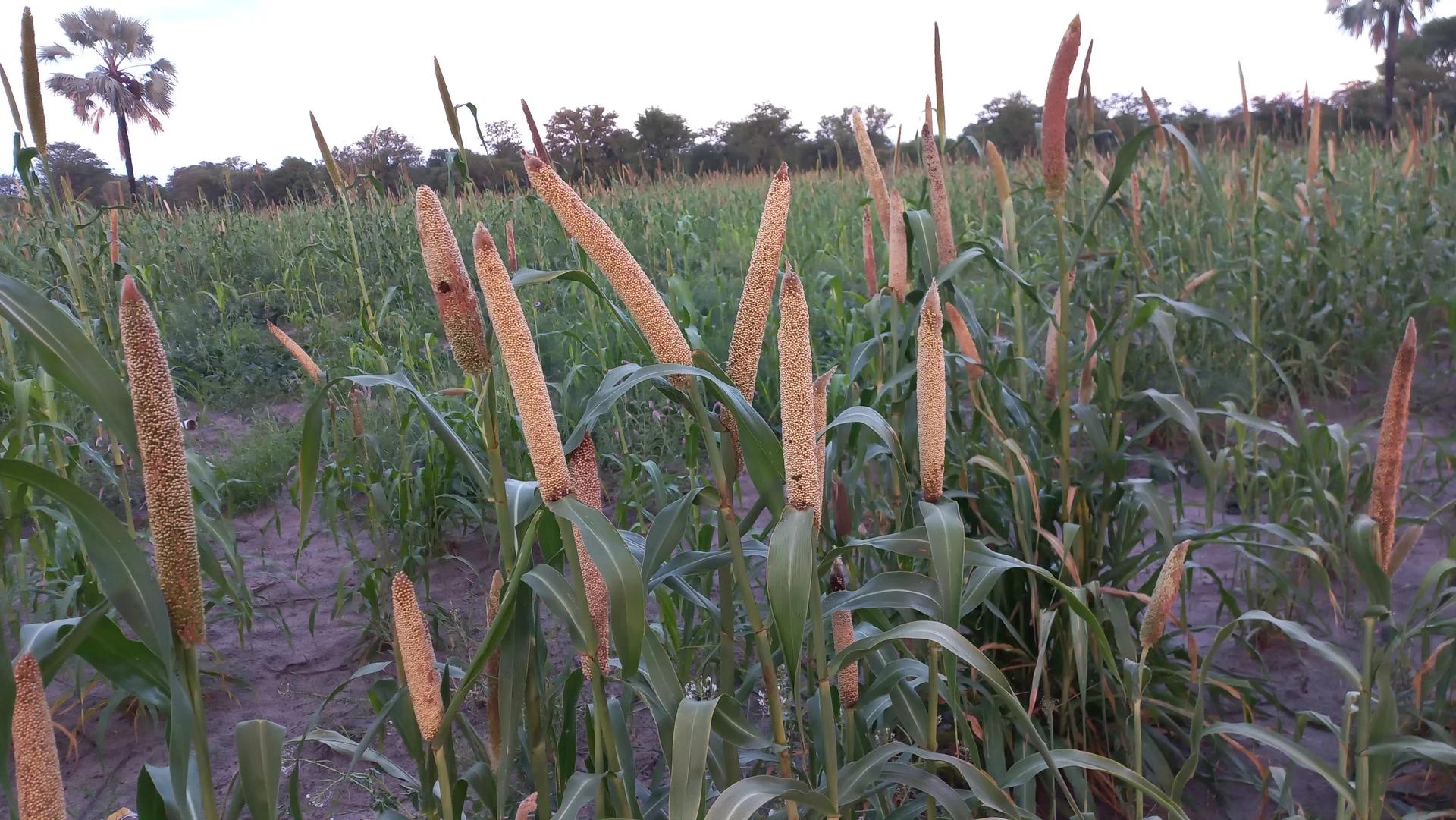 Pearl milletFavourable
Plant 8 Sep 2026 – 23 Feb 2027 open now
matched to this season's forecast
about 1.9 t/ha expected
Irrigated: plant 20 Jul 2026 – 8 Oct 2026
Pest/disease risk — manageableSoil pH below the crop's optimum -
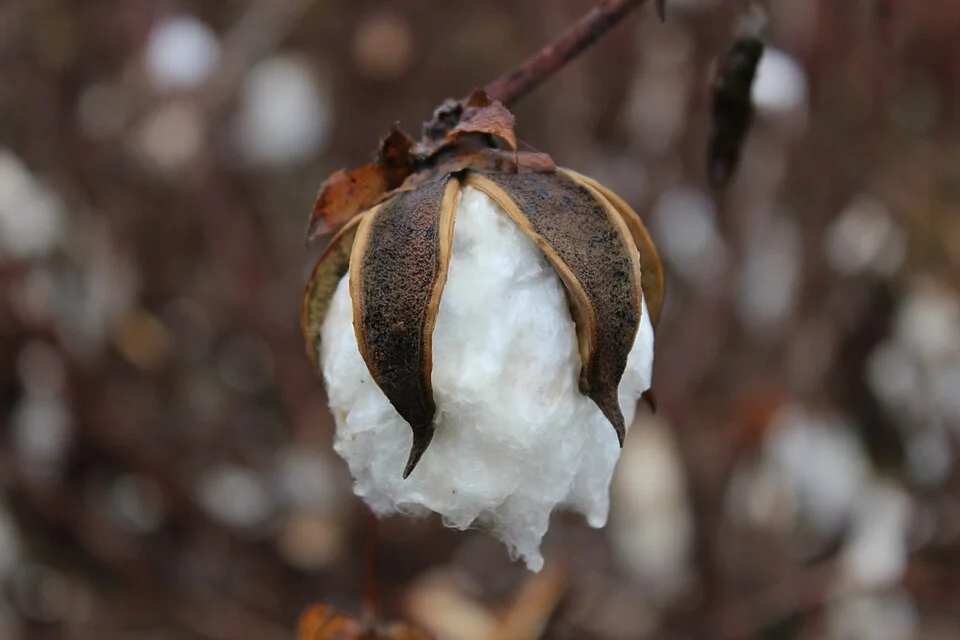 CottonFavourable
Plant 8 Sep 2026 – 28 Oct 2026 open now
matched to this season's forecast
about 1.9 t/ha expected
Irrigated: plant 21 May 2027 – 9 Aug 2027
Pest/disease risk — manageableSoil pH outside the crop's rangeCorrect soil pH (lime) -
SunflowerFavourable
Plant 8 Sep 2026 – 19 Mar 2027 open now
matched to this season's forecast
about 1.7 t/ha expected
Irrigated: plant 21 Jan 2026 – 1 Jan 2027
Pest/disease risk — manageableSoil pH outside the crop's rangeCorrect soil pH (lime) -
Bambara groundnutFavourable
Plant 8 Sep 2026 – 18 Jan 2027 open now
matched to this season's forecast
about 1.4 t/ha expected
Irrigated: plant 1 May 2026 – 7 Dec 2026 · about 0.7 t/ha
Pest/disease risk — manageableSteep slope -
FonioFavourable
Plant 8 Sep 2026 – 12 Jan 2027 open now
matched to this season's forecast
about 1.0 t/ha expected
Irrigated: plant 1 May 2026 – 7 Dec 2026 · about 0.5 t/ha
Pest/disease risk — manageableSteep slope -
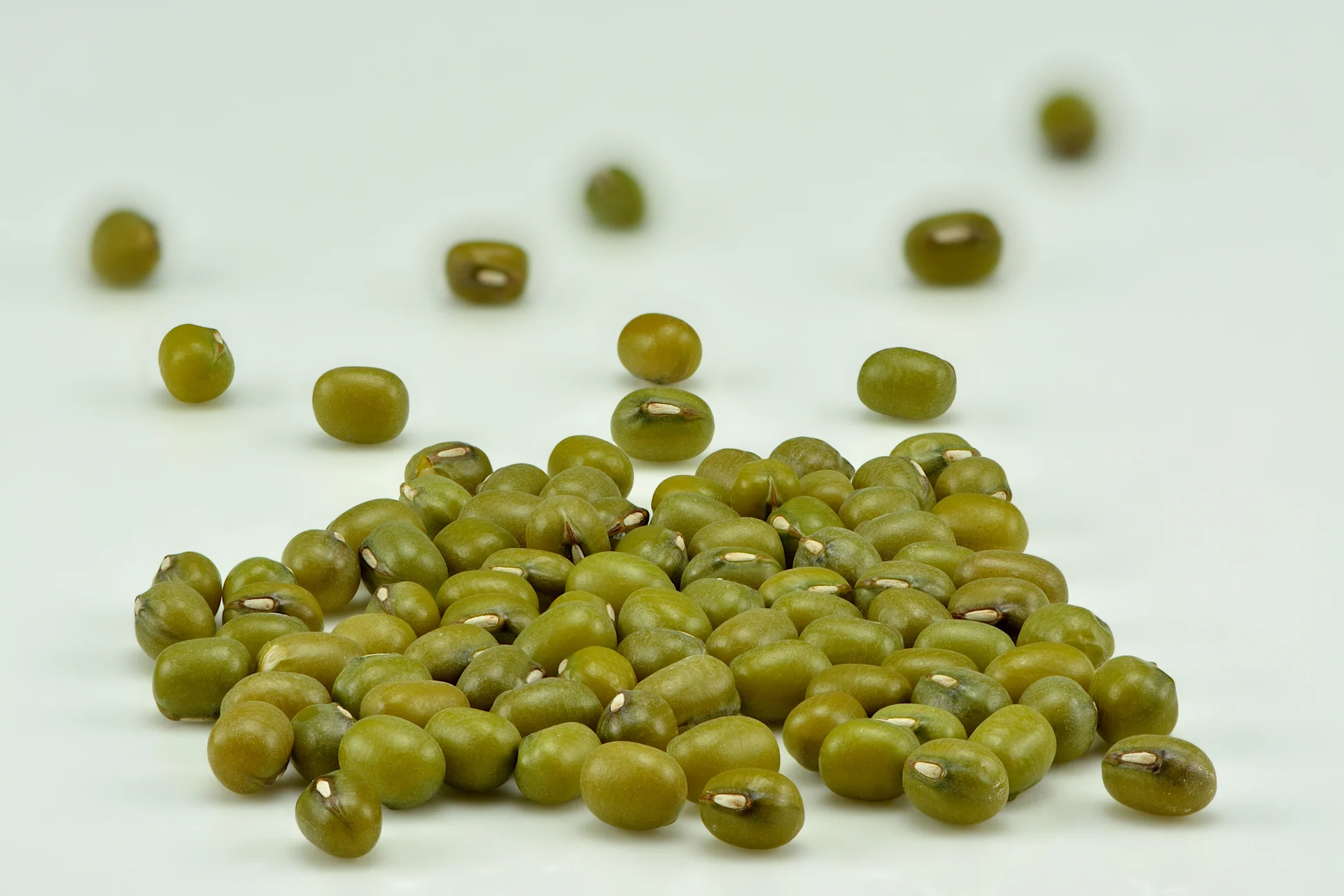 Green gramFavourable
Plant 8 Sep 2026 – 23 Feb 2027 open now
matched to this season's forecast
about 1.2 t/ha expected
Irrigated: plant 20 Jul 2026 – 28 Oct 2026
Pest/disease risk — manageableSoil pH outside the crop's rangeCorrect soil pH (lime) -
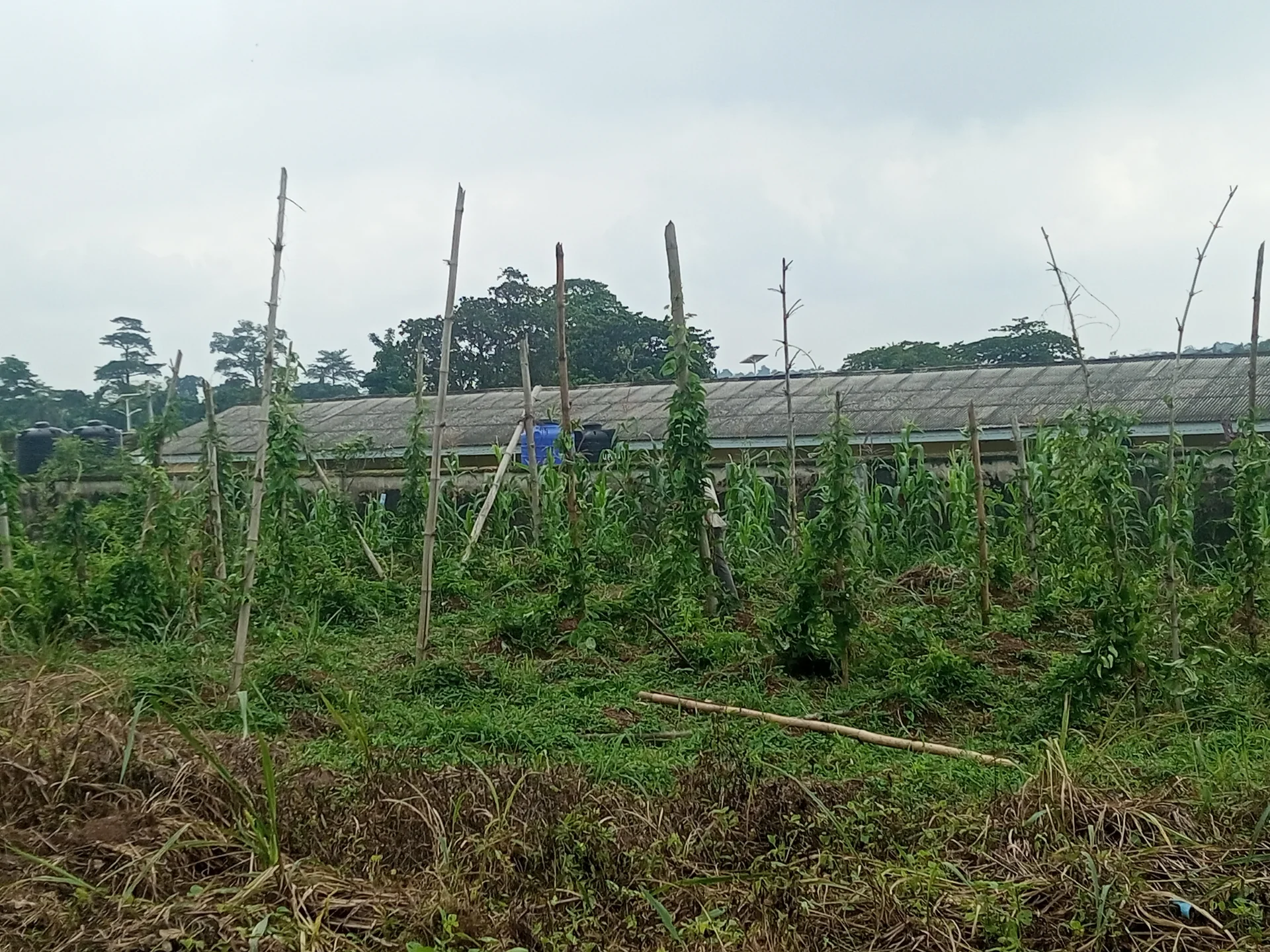 YamFavourable
Plant 8 Sep 2026 – 28 Sep 2026 closed for this season
matched to this season's forecast
about 19.5 t/ha expected
Irrigated: plant 1 May 2027 – 9 Aug 2027
Pest/disease risk — manageableSoil pH below the crop's optimum -
Finger milletFavourable
Plant 8 Sep 2026 – 6 Jan 2027 open now
matched to this season's forecast
about 1.9 t/ha expected
Irrigated: plant 11 Apr 2026 – 1 Jan 2027 · about 0.9 t/ha
Pest/disease risk — manageableSoil pH below the crop's optimumSteep slope -
TurmericFavourable
Plant 8 Sep 2026 – 28 Sep 2026 closed for this season
matched to this season's forecast
about 16.8 t/ha expected
Irrigated: plant 21 Jan 2026 – 1 Jan 2027 · about 10.2 t/ha
Pest/disease risk — manageableSoil pH below the crop's optimum -
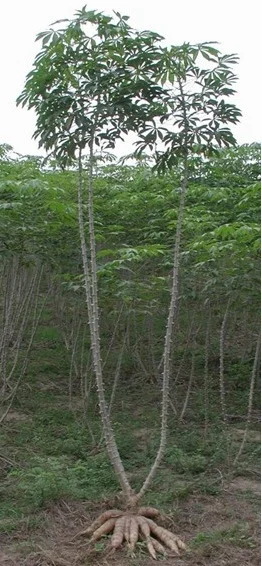 CassavaFavourable
Plant 8 Sep 2026 – 28 Sep 2026 closed for this season
matched to this season's forecast
about 19.8 t/ha expected
Pest/disease risk — manageableSteep slope -
BananaFavourable
Plant 8 Sep 2026 – 11 Feb 2027 open now
matched to this season's forecast
19.4–22.4 t/ha expected
Irrigated: plant 21 Jan 2026 – 1 Jan 2027 · about 41.9 t/ha
Pest/disease risk — manageableSoil pH below the crop's optimumSteep slope -
WatermelonFavourable
Plant 8 Sep 2026 – 29 Jan 2027 open now
matched to this season's forecast
about 23.9 t/ha expected
Irrigated: plant 10 Jun 2026 – 21 Jan 2027 · about 17.1 t/ha
Pest/disease risk — manageableSoil pH below the crop's optimumSteep slope -
PumpkinFavourable
Plant 8 Sep 2026 – 22 Mar 2027 open now
matched to this season's forecast
about 15.8 t/ha expected
Irrigated: plant 21 Jan 2026 – 1 Jan 2027 · about 11.9 t/ha
Pest/disease risk — manageableSoil pH below the crop's optimumSteep slope -
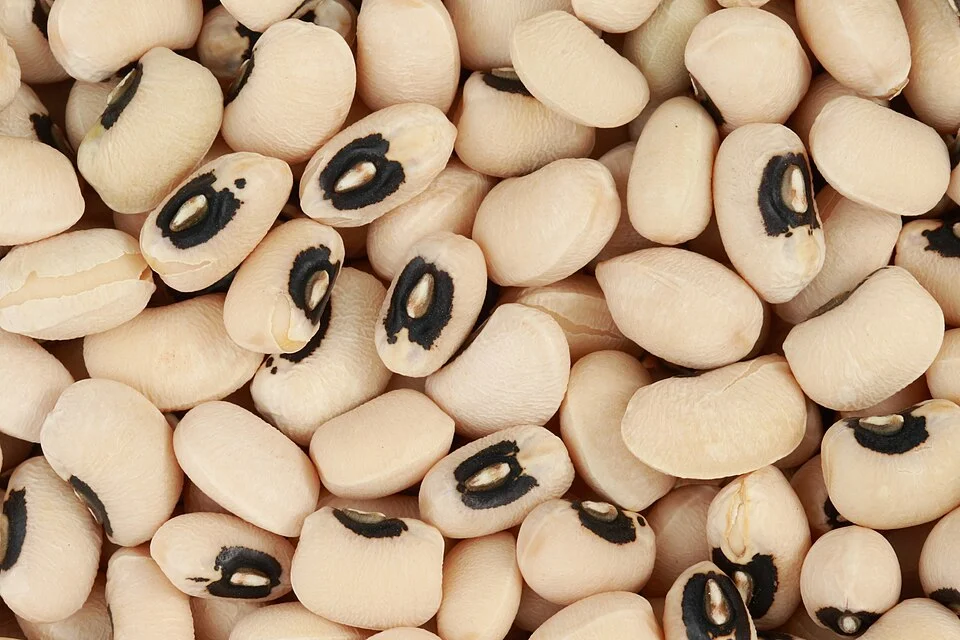 CowpeaFavourable
Plant 8 Sep 2026 – 1 Dec 2026 open now
matched to this season's forecast
about 1.1 t/ha expected
Irrigated: plant 9 Aug 2026 – 17 Nov 2026 · about 0.6 t/ha
Pest/disease risk — manageableSteep slope -
GrapefruitFavourable
Plant 8 Sep 2026 – 28 Sep 2026 closed for this season
matched to this season's forecast
about 19.7 t/ha expected
Irrigated: plant 21 Jan 2026 – 1 Jan 2027 · about 18.5 t/ha
Pest/disease risk — manageableSoil pH outside the crop's rangeCorrect soil pH (lime) -
Arabica coffeeFavourable
Plant 8 Sep 2026 – 7 Nov 2026 open now
matched to this season's forecast
about 1.4 t/ha expected
Irrigated: plant 21 Jan 2026 – 1 Jan 2027 · about 1.9 t/ha
Pest/disease risk — manageable -
EnsetFavourable
Plant 8 Sep 2026 – 28 Sep 2026 closed for this season
matched to this season's forecast
about 23.8 t/ha expected
Irrigated: plant 21 Jan 2026 – 1 Jan 2027 · about 22.6 t/ha
Pest/disease risk — manageable -
Robusta coffeeFavourable
Plant 8 Sep 2026 – 28 Sep 2026 closed for this season
matched to this season's forecast
about 1.5 t/ha expected
Irrigated: plant 21 Jan 2026 – 1 Jan 2027
Pest/disease risk — manageable -
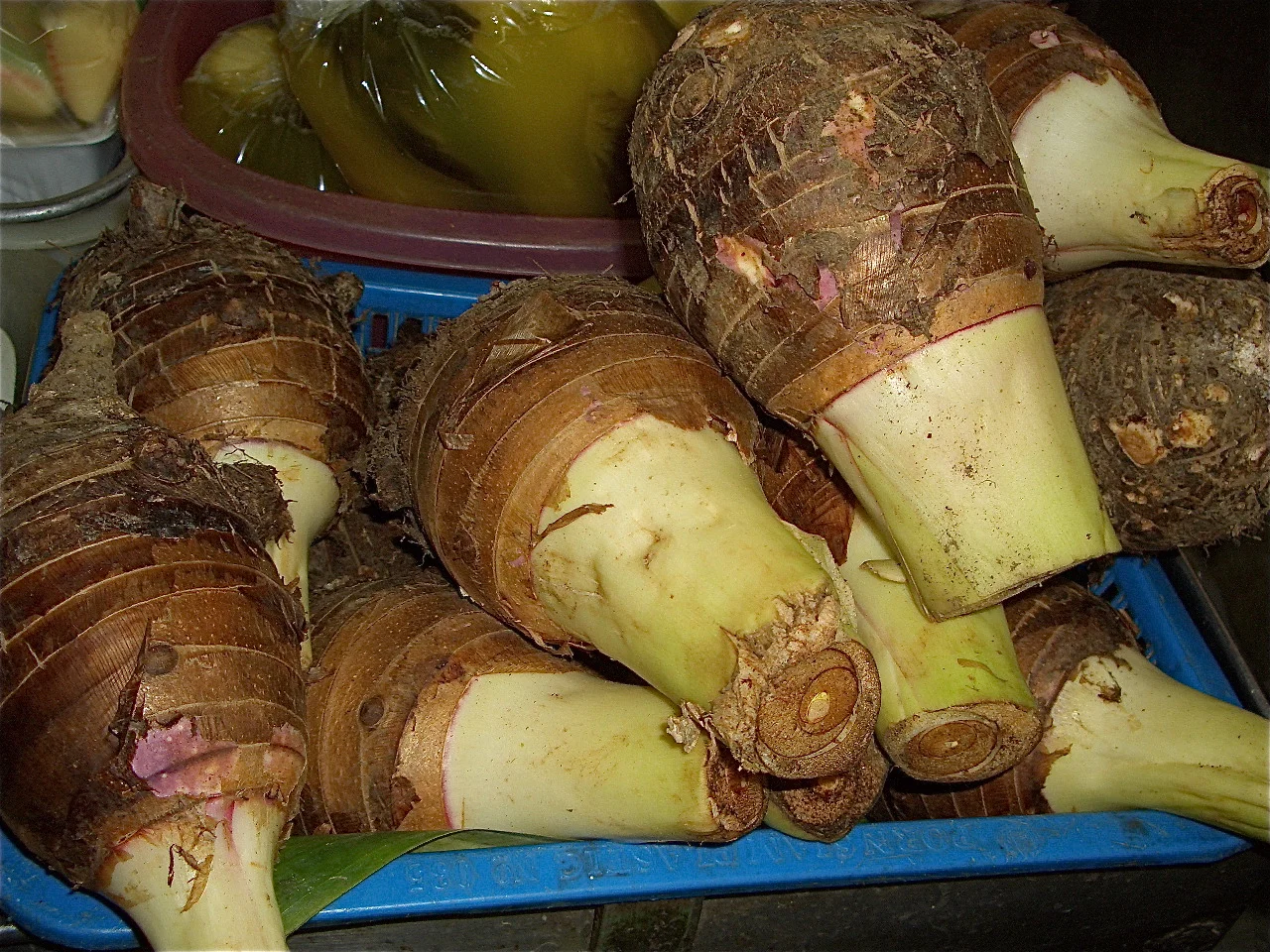 TaroFavourable
Plant 8 Sep 2026 – 28 Sep 2026 closed for this season
matched to this season's forecast
about 13.3 t/ha expected
Irrigated: plant 1 Jan 2027 – 31 Jan 2027
Pest/disease risk — manageable -
CarrotFavourable
Plant 20 Sep 2026 – 7 Mar 2027 open now
matched to this season's forecast
about 23.9 t/ha expected
Irrigated: plant 21 Jan 2026 – 1 Jan 2027 · about 17.1 t/ha
Pest/disease risk — manageableSoil pH below the crop's optimumSteep slope -
Irish potatoFavourable
Plant 21 Sep 2026 – 9 Mar 2027 open now
matched to this season's forecast
about 22.2 t/ha expected
Irrigated: plant 21 Jan 2026 – 1 Jan 2027 · about 15.4 t/ha
Pest/disease risk — manageableSteep slope -
KaleFavourable
Plant 18 Sep 2026 – 15 Feb 2027 open now
matched to this season's forecast
about 22.2 t/ha expected
Irrigated: plant 21 Jan 2026 – 1 Jan 2027 · about 17.1 t/ha
Pest/disease risk — manageableSteep slope -
Swiss chardFavourable
Plant 18 Sep 2026 – 15 Feb 2027 open now
matched to this season's forecast
about 22.2 t/ha expected
Irrigated: plant 21 Jan 2026 – 1 Jan 2027 · about 17.1 t/ha
Pest/disease risk — manageableSoil pH below the crop's optimumSteep slope -
BeetrootFavourable
Plant 23 Sep 2026 – 6 Apr 2027 open now
matched to this season's forecast
about 19.0 t/ha expected
Irrigated: plant 21 Jan 2026 – 1 Jan 2027 · about 13.7 t/ha
Pest/disease risk — manageableSoil pH below the crop's optimumSteep slope -
OnionFavourable
Plant 21 Sep 2026 – 9 Mar 2027 open now
matched to this season's forecast
about 19.0 t/ha expected
Irrigated: plant 21 Jan 2026 – 1 Jan 2027 · about 15.4 t/ha
Pest/disease risk — manageableSoil pH outside the crop's rangeCorrect soil pH (lime) -
CucumberFavourable
Plant 23 Sep 2026 – 6 Apr 2027 open now
matched to this season's forecast
about 15.8 t/ha expected
Irrigated: plant 21 Jan 2026 – 1 Jan 2027 · about 13.7 t/ha
Pest/disease risk — manageableSoil pH below the crop's optimumSteep slope -
AmaranthFavourable
Plant 22 Sep 2026 – 26 Jan 2027 open now
matched to this season's forecast
about 12.7 t/ha expected
Irrigated: plant 21 Jan 2026 – 1 Jan 2027 · about 10.2 t/ha
Pest/disease risk — manageableSteep slope -
African nightshadeFavourable
Plant 22 Sep 2026 – 6 Apr 2027 open now
matched to this season's forecast
about 11.4 t/ha expected
Irrigated: plant 21 Jan 2026 – 1 Jan 2027 · about 8.5 t/ha
Pest/disease risk — manageableSoil pH below the crop's optimumSteep slope -
Jute mallowFavourable
Plant 24 Sep 2026 – 15 Feb 2027 open now
matched to this season's forecast
about 6.3 t/ha expected
Irrigated: plant 30 Jun 2026 – 21 Jan 2027 · about 5.1 t/ha
Pest/disease risk — manageableSteep slope -
Spider plantFavourable
Plant 6 Oct 2026 – 6 Apr 2027 opens in 1 week
matched to this season's forecast
about 6.3 t/ha expected
Irrigated: plant 21 Jan 2026 – 1 Jan 2027 · about 5.1 t/ha
Pest/disease risk — manageableSoil pH below the crop's optimumSteep slope -
Common beanFavourable
Plant 21 Sep 2026 – 22 Mar 2027 open now
matched to this season's forecast
about 1.7 t/ha expected
Irrigated: plant 21 Jan 2026 – 1 Jan 2027 · about 1.0 t/ha
Pest/disease risk — manageableSteep slope -
OkraFavourable
Plant 24 Sep 2026 – 30 Jan 2027 open now
matched to this season's forecast
about 6.2 t/ha expected
Irrigated: plant 30 Jun 2026 – 1 Jan 2027 · about 4.7 t/ha
Pest/disease risk — manageableSoil pH below the crop's optimumSteep slope -
RiceFavourable
Plant 20 Sep 2026 – 25 Dec 2026 open now
matched to this season's forecast
about 3.6 t/ha expected
Irrigated: plant 21 Jan 2026 – 1 Jan 2027 · about 1.5 t/ha
Pest/disease risk — manageableSoil pH below the crop's optimum -
TeaFavourable
Plant 20 Sep 2026 – 23 Feb 2027 open now
matched to this season's forecast
about 2.6 t/ha expected
Irrigated: plant 21 Jan 2026 – 1 Jan 2027 · about 3.4 t/ha
Pest/disease risk — manageableSoil pH outside the crop's rangeCorrect soil pH (acidifier) -
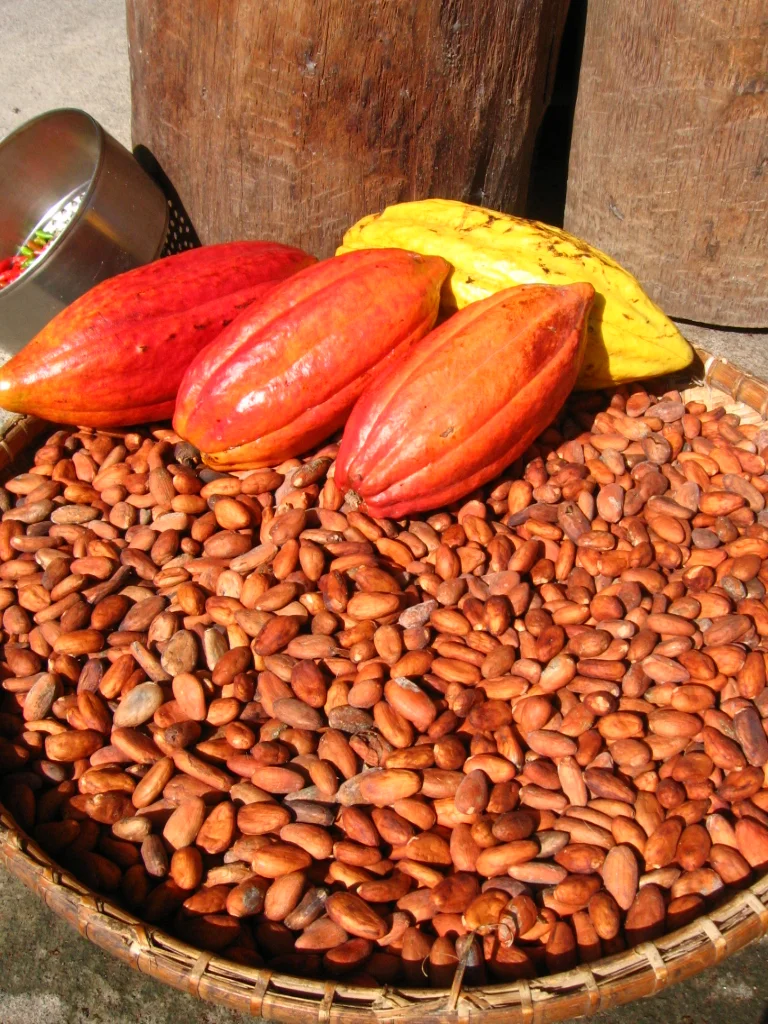 CocoaFavourable
Plant 18 Sep 2026 – 6 Jan 2027 open now
matched to this season's forecast
about 1.2 t/ha expected
Irrigated: plant 1 Jan 2027 – 31 Jul 2027
Pest/disease risk — manageableSoil pH below the crop's optimum -
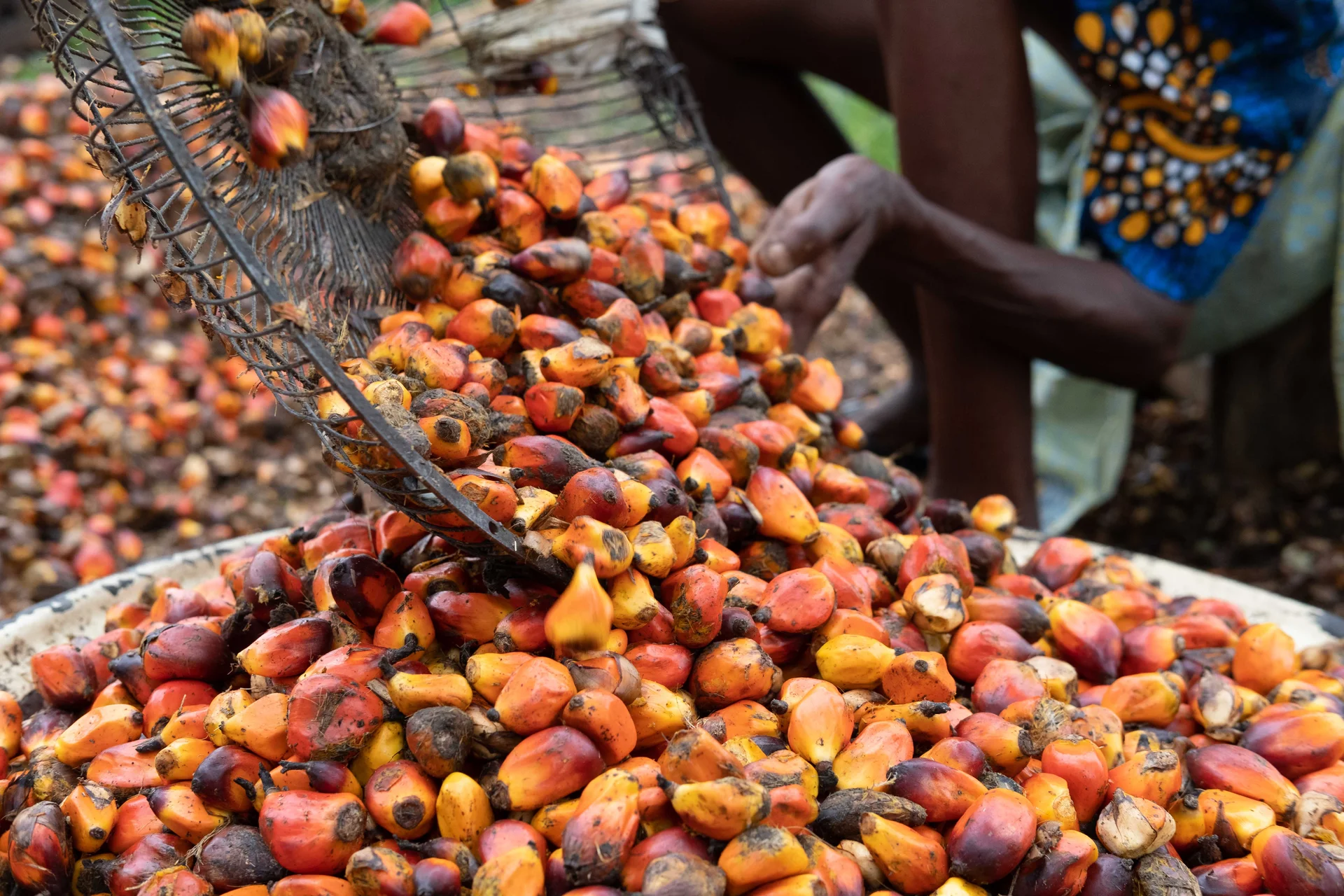 Oil palmFavourable
Plant 2 Oct 2026 – 11 Feb 2027 opens in 1 week
matched to this season's forecast
about 9.6 t/ha expected
Irrigated: plant 1 Jan 2026 – 31 Dec 2026
Pest/disease risk — manageable -
LettuceFavourable
Plant 5 Feb 2027 – 6 Apr 2027 opens in 18 weeks
matched to this season's forecast
about 15.8 t/ha expected
· about 11.9 t/ha
Pest/disease risk — manageableSoil pH below the crop's optimumSteep slope -
WheatFavourable
Plant 18 Jan 2027 – 19 Mar 2027 opens in 16 weeks
matched to this season's forecast
about 3.2 t/ha expected
Irrigated: plant 27 Dec 2026 – 10 Jun 2027 · about 2.4 t/ha
Pest/disease risk — manageableSoil pH below the crop's optimumSteep slope -
MandarinFavourable
Plant 8 Sep 2026 – 31 Mar 2027 open now
matched to this season's forecast
about 11.1 t/ha expected
Irrigated: plant 21 Jan 2026 – 1 Jan 2027 · about 15.9 t/ha
Pest/disease risk — manageableSoil pH below the crop's optimumSteep slope -
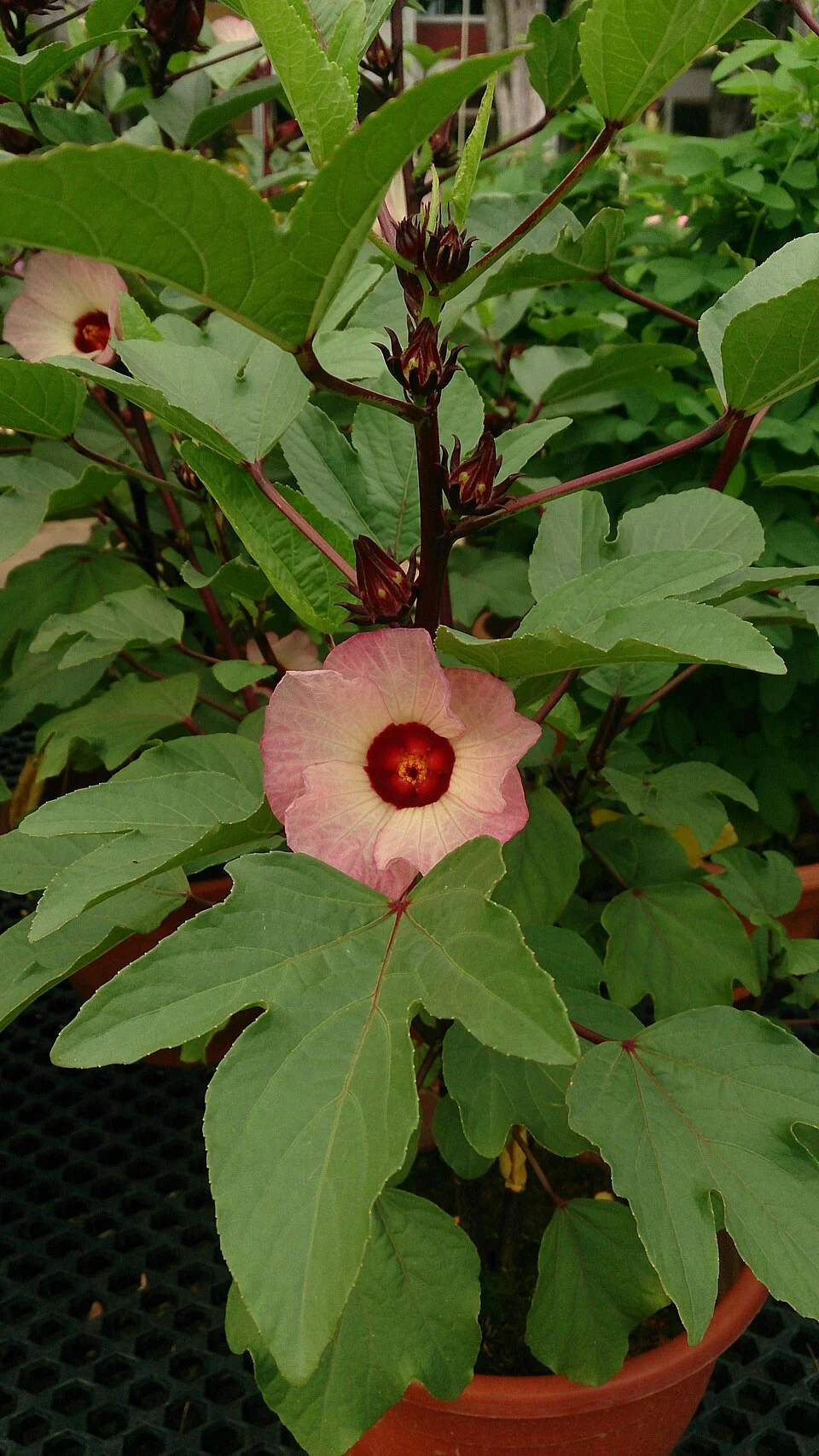 RoselleFavourable
Plant 8 Sep 2026 – 27 Nov 2026 open now
matched to this season's forecast
about 0.5 t/ha expected
Irrigated: plant 20 Jul 2027 – 29 Aug 2027
Pest/disease risk — manageableSoil pH below the crop's optimum -
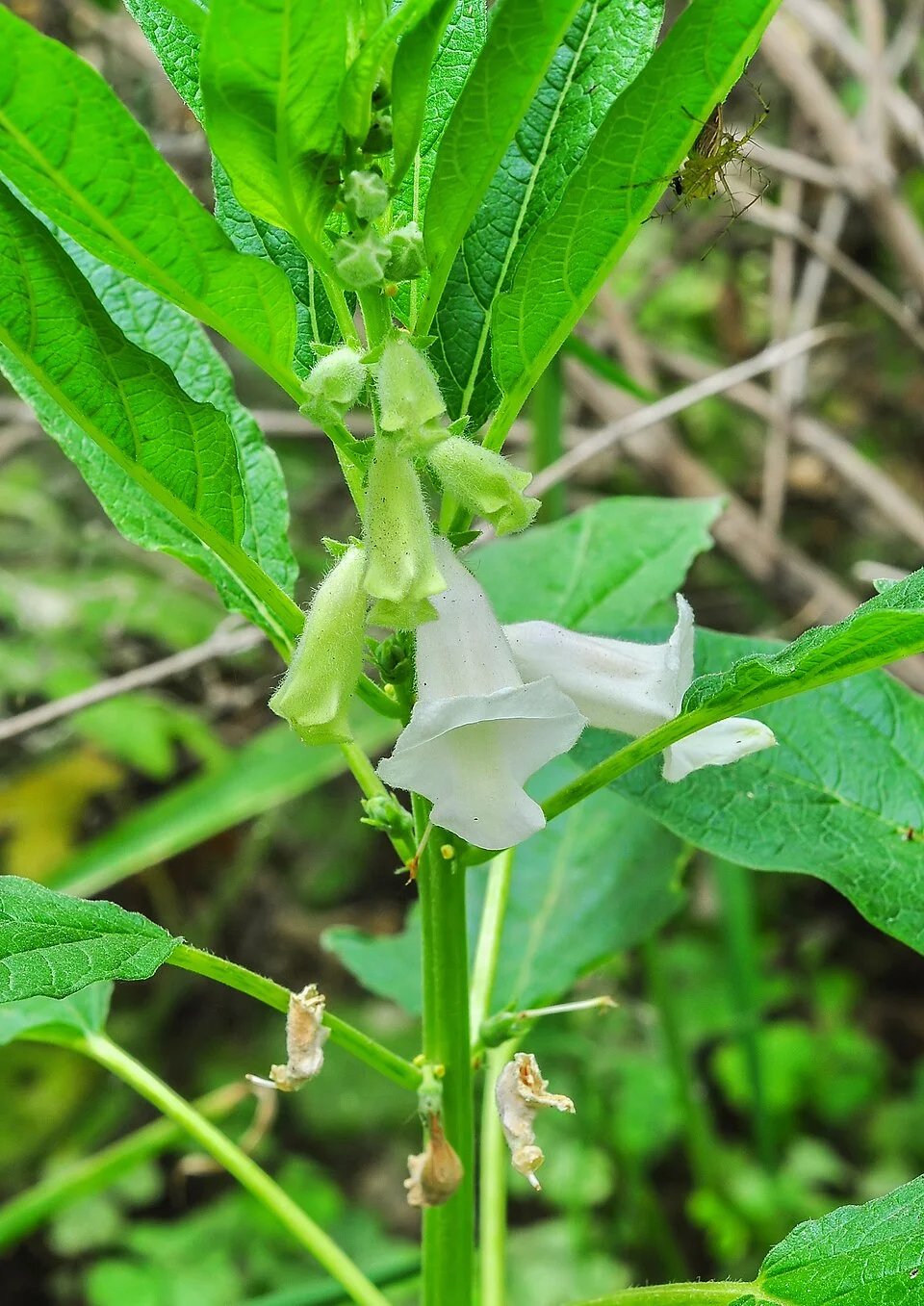 SesameFavourable
Plant 8 Sep 2026 – 26 Oct 2026 open now
matched to this season's forecast
about 0.7 t/ha expected
Irrigated: plant 1 May 2026 – 18 Sep 2026
Pest/disease risk — manageable -
GroundnutFavourable
Plant 8 Sep 2026 – 19 Nov 2026 open now
matched to this season's forecast
about 1.7 t/ha expected
Irrigated: plant 11 Apr 2026 – 8 Oct 2026 · about 0.7 t/ha
Pest/disease risk — manageableSoil pH below the crop's optimum -
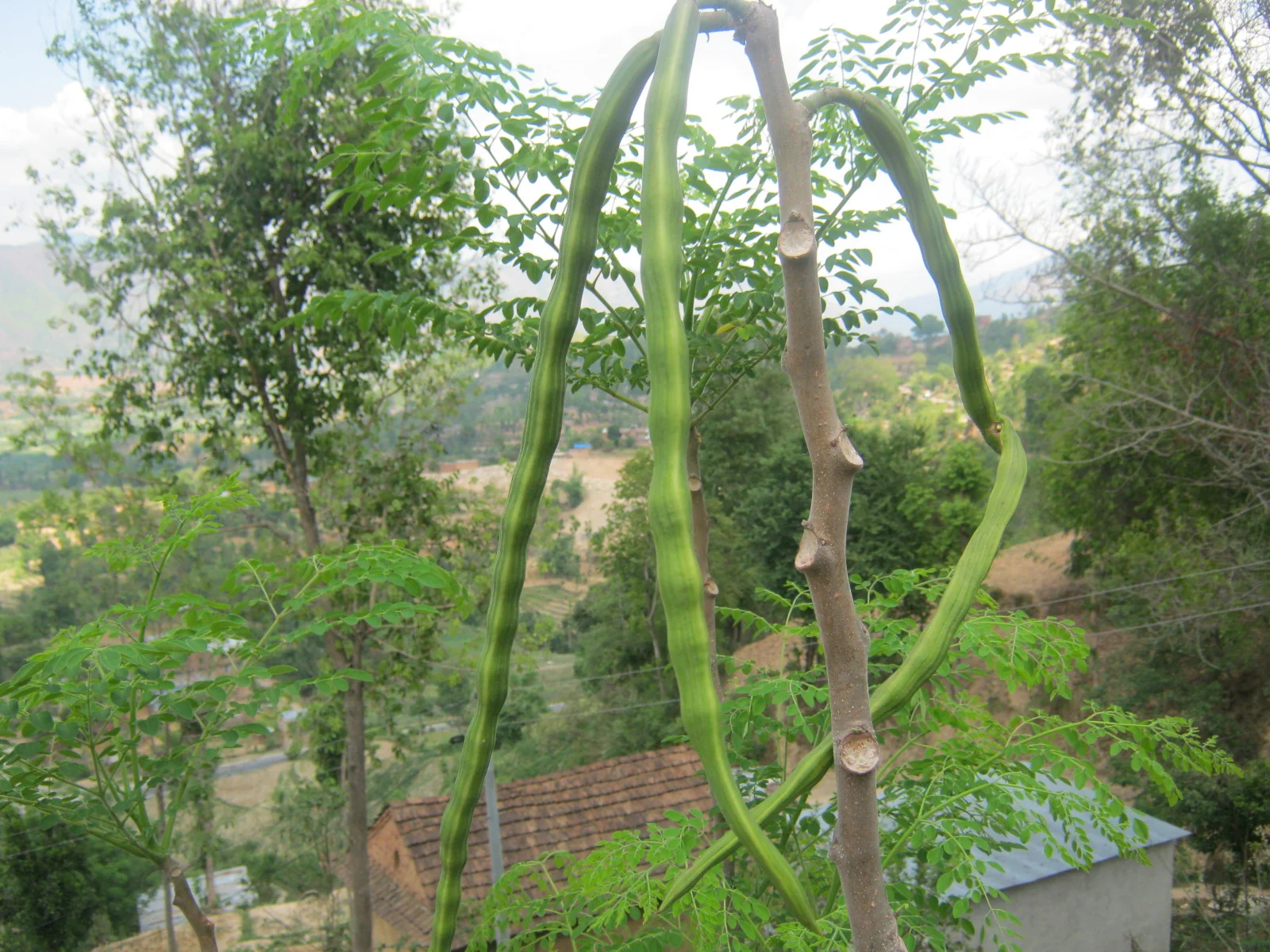 MoringaFavourable
Plant 8 Sep 2026 – 11 Feb 2027 open now
matched to this season's forecast
about 10.2 t/ha expected
Irrigated: plant 21 Jan 2026 – 1 Jan 2027
Pest/disease risk — manageableSoil pH below the crop's optimum -
GingerModerate
Plant 8 Sep 2026 – 28 Sep 2026 closed for this season
matched to this season's forecast
about 7.5 t/ha expected
Irrigated: plant 21 Jan 2026 – 1 Jan 2027 · about 7.2 t/ha
Pest/disease risk — manageableSoil pH outside the crop's rangeCorrect soil pH (lime)
5% humid, warm — 62 crops
-
GuavaFavourable
Plant 8 Sep 2026 – 31 Mar 2027 open now
matched to this season's forecast
about 18.8 t/ha expected
Irrigated: plant 21 Jan 2026 – 1 Jan 2027 · about 26.4 t/ha
Pest/disease risk — manageableSoil pH below the crop's optimumSteep slope -
LemonFavourable
Plant 8 Sep 2026 – 31 Mar 2027 open now
matched to this season's forecast
18.3–18.8 t/ha expected
Irrigated: plant 21 Jan 2026 – 1 Jan 2027 · about 30.1 t/ha
Pest/disease risk — manageableSoil pH outside the crop's rangeCorrect soil pH (lime) -
Sweet orangeFavourable
Plant 8 Sep 2026 – 18 Oct 2026 open now
matched to this season's forecast
about 18.8 t/ha expected
Irrigated: plant 21 Jan 2026 – 1 Jan 2027 · about 30.1 t/ha
Pest/disease risk — manageableSoil pH outside the crop's rangeCorrect soil pH (lime) -
LimeFavourable
Plant 8 Sep 2026 – 31 Mar 2027 open now
matched to this season's forecast
13.4–13.6 t/ha expected
Irrigated: plant 21 Jan 2026 – 1 Jan 2027 · about 18.8 t/ha
Pest/disease risk — manageableSoil pH outside the crop's rangeCorrect soil pH (lime) -
MangoFavourable
Plant 8 Sep 2026 – 31 Mar 2027 open now
matched to this season's forecast
about 13.6 t/ha expected
Irrigated: plant 21 Jan 2026 – 1 Jan 2027 · about 18.8 t/ha
Pest/disease risk — manageableSoil pH below the crop's optimumSteep slope -
AvocadoFavourable
Plant 8 Sep 2026 – 23 Feb 2027 open now
matched to this season's forecast
10.4–10.5 t/ha expected
Irrigated: plant 21 Jan 2026 – 1 Jan 2027 · about 15.1 t/ha
Pest/disease risk — manageableSoil pH outside the crop's rangeCorrect soil pH (lime) -
PineappleFavourable
Plant 8 Sep 2026 – 28 Sep 2026 closed for this season
matched to this season's forecast
37.3–37.9 t/ha expected
Irrigated: plant 21 Jan 2026 – 1 Jan 2027 · about 52.7 t/ha
Pest/disease risk — manageableSteep slope -
EnsetFavourable
Plant 8 Sep 2026 – 28 Sep 2026 closed for this season
matched to this season's forecast
19.7–20.2 t/ha expected
Irrigated: plant 21 Jan 2026 – 1 Jan 2027 · about 22.6 t/ha
Pest/disease risk — manageableSteep slope -
GrapefruitFavourable
Plant 8 Sep 2026 – 28 Sep 2026 closed for this season
matched to this season's forecast
16.0–16.6 t/ha expected
Irrigated: plant 21 Jan 2026 – 1 Jan 2027 · about 18.5 t/ha
Pest/disease risk — manageableSoil pH outside the crop's rangeCorrect soil pH (lime) -
BananaFavourable
Plant 8 Sep 2026 – 11 Feb 2027 open now
matched to this season's forecast
17.1–19.7 t/ha expected
Irrigated: plant 21 Jan 2026 – 1 Jan 2027 · about 41.9 t/ha
Pest/disease risk — manageableSoil pH outside the crop's rangeCorrect soil pH (lime) -
Arabica coffeeFavourable
Plant 8 Sep 2026 – 7 Nov 2026 open now
matched to this season's forecast
1.0–1.2 t/ha expected
Irrigated: plant 21 Jan 2026 – 1 Jan 2027 · about 1.9 t/ha
Pest/disease risk — manageableSteep slope -
Robusta coffeeFavourable
Plant 8 Sep 2026 – 28 Sep 2026 closed for this season
matched to this season's forecast
1.0–1.3 t/ha expected
Irrigated: plant 21 Jan 2026 – 1 Jan 2027
Pest/disease risk — manageableSteep slope -
TeaFavourable
Plant 20 Sep 2026 – 23 Feb 2027 open now
matched to this season's forecast
about 2.3 t/ha expected
Irrigated: plant 21 Jan 2026 – 1 Jan 2027 · about 3.4 t/ha
Pest/disease risk — manageableSteep slope -
PapayaFavourable
Plant 8 Sep 2026 – 11 Feb 2027 open now
matched to this season's forecast
about 29.7 t/ha expected
Irrigated: plant 21 Jan 2026 – 1 Jan 2027 · about 41.6 t/ha
Pest/disease risk — manageableSoil pH below the crop's optimumSteep slope -
Pigeon peaFavourable
Plant 8 Sep 2026 – 28 Sep 2026 closed for this season
matched to this season's forecast
about 1.0 t/ha expected
Irrigated: plant 20 Jul 2027 – 29 Aug 2027
Pest/disease risk — manageableSteep slope -
MandarinFavourable
Plant 8 Sep 2026 – 31 Mar 2027 open now
matched to this season's forecast
about 9.7 t/ha expected
Irrigated: plant 21 Jan 2026 – 1 Jan 2027 · about 15.9 t/ha
Pest/disease risk — manageableSoil pH outside the crop's rangeCorrect soil pH (lime) -
CassavaFavourable
Plant 8 Sep 2026 – 28 Sep 2026 closed for this season
matched to this season's forecast
about 14.3 t/ha expected
Pest/disease risk — manageableSteep slope -
Passion fruitFavourable
Plant 22 Sep 2026 – 6 Apr 2027 open now
matched to this season's forecast
about 11.9 t/ha expected
Irrigated: plant 21 Jan 2026 – 1 Jan 2027 · about 17.8 t/ha
Pest/disease risk — manageableSoil pH outside the crop's rangeCorrect soil pH (lime) -
SorghumModerate
Plant 8 Sep 2026 – 11 Feb 2027 open now
matched to this season's forecast
about 1.5 t/ha expected
Irrigated: plant 21 Jan 2026 – 1 Jan 2027 · about 1.8 t/ha
Pest/disease risk — manageableSoil pH outside the crop's rangeCorrect soil pH (lime) -
LablabModerate
Plant 8 Sep 2026 – 11 Feb 2027 open now
matched to this season's forecast
about 0.7 t/ha expected
Irrigated: plant 21 Jan 2026 – 1 Jan 2027 · about 0.7 t/ha
Pest/disease risk — manageableSteep slope -
Niger seedModerate
Plant 8 Sep 2026 – 31 Mar 2027 open now
matched to this season's forecast
about 0.4 t/ha expected
Irrigated: plant 21 Jan 2026 – 1 Jan 2027 · about 0.4 t/ha
Pest/disease risk — manageableSoil pH below the crop's optimumSteep slope -
TomatoModerate
Plant 8 Sep 2026 – 18 Jan 2027 open now
matched to this season's forecast
about 13.7 t/ha expected
Irrigated: plant 21 Jan 2026 – 1 Jan 2027 · about 23.9 t/ha
Pest/disease risk — manageableSoil pH outside the crop's rangeCorrect soil pH (lime) -
EggplantModerate
Plant 8 Sep 2026 – 16 Jan 2027 open now
matched to this season's forecast
about 11.9 t/ha expected
Irrigated: plant 1 May 2026 – 7 Dec 2026 · about 17.1 t/ha
Pest/disease risk — manageableSoil pH outside the crop's rangeCorrect soil pH (lime) -
WatermelonModerate
Plant 8 Sep 2026 – 29 Jan 2027 open now
matched to this season's forecast
about 11.9 t/ha expected
Irrigated: plant 10 Jun 2026 – 21 Jan 2027 · about 17.1 t/ha
Pest/disease risk — manageableSoil pH outside the crop's rangeCorrect soil pH (lime) -
African eggplantModerate
Plant 8 Sep 2026 – 29 Jan 2027 open now
matched to this season's forecast
about 8.5 t/ha expected
Irrigated: plant 1 May 2026 – 7 Dec 2026 · about 11.9 t/ha
Pest/disease risk — manageableSoil pH outside the crop's rangeCorrect soil pH (lime) -
PumpkinModerate
Plant 8 Sep 2026 – 22 Mar 2027 open now
matched to this season's forecast
about 8.5 t/ha expected
Irrigated: plant 21 Jan 2026 – 1 Jan 2027 · about 11.9 t/ha
Pest/disease risk — manageableSoil pH outside the crop's rangeCorrect soil pH (lime) -
Sweet pepperModerate
Plant 8 Sep 2026 – 26 Jan 2027 open now
matched to this season's forecast
about 8.5 t/ha expected
Irrigated: plant 21 Jan 2026 – 1 Jan 2027 · about 13.7 t/ha
Pest/disease risk — manageableSoil pH outside the crop's rangeCorrect soil pH (lime) -
Sweet potatoModerate
Plant 8 Sep 2026 – 19 Nov 2026 open now
matched to this season's forecast
about 8.5 t/ha expected
Irrigated: plant 30 Jun 2026 – 28 Oct 2026 · about 7.5 t/ha
Pest/disease risk — manageableSteep slope -
ChilliModerate
Plant 8 Sep 2026 – 6 Jan 2027 open now
matched to this season's forecast
about 5.1 t/ha expected
Irrigated: plant 21 Jan 2026 – 1 Jan 2027 · about 8.5 t/ha
Pest/disease risk — manageableSoil pH outside the crop's rangeCorrect soil pH (lime) -
MaizeModerate
Plant 8 Sep 2026 – 9 Feb 2027 open now
matched to this season's forecast
about 2.4 t/ha expected
Irrigated: plant 21 Jan 2026 – 1 Jan 2027 · about 3.4 t/ha
Pest/disease risk — manageableSoil pH below the crop's optimumSteep slope -
SoybeanModerate
Plant 8 Sep 2026 – 6 Jan 2027 open now
matched to this season's forecast
about 1.0 t/ha expected
Irrigated: plant 1 May 2026 – 1 Jan 2027 · about 1.4 t/ha
Pest/disease risk — manageableSoil pH outside the crop's rangeCorrect soil pH (lime) -
TobaccoModerate
Plant 8 Sep 2026 – 16 Jan 2027 open now
matched to this season's forecast
about 1.0 t/ha expected
Irrigated: plant 21 Jan 2026 – 1 Jan 2027 · about 1.2 t/ha
Pest/disease risk — manageableSoil pH below the crop's optimumSteep slope -
SunflowerModerate
Plant 8 Sep 2026 – 19 Mar 2027 open now
matched to this season's forecast
about 0.9 t/ha expected
Irrigated: plant 21 Jan 2026 – 1 Jan 2027
Pest/disease risk — manageableSoil pH outside the crop's rangeCorrect soil pH (lime) -
Bambara groundnutModerate
Plant 8 Sep 2026 – 18 Jan 2027 open now
matched to this season's forecast
about 0.7 t/ha expected
Irrigated: plant 1 May 2026 – 7 Dec 2026 · about 0.7 t/ha
Pest/disease risk — manageableSteep slope -
FonioModerate
Plant 8 Sep 2026 – 12 Jan 2027 open now
matched to this season's forecast
about 0.5 t/ha expected
Irrigated: plant 1 May 2026 – 7 Dec 2026 · about 0.5 t/ha
Pest/disease risk — manageableSteep slope -
Finger milletModerate
Plant 8 Sep 2026 – 18 Jan 2027 open now
matched to this season's forecast
about 0.9 t/ha expected
Irrigated: plant 11 Apr 2026 – 1 Jan 2027 · about 0.9 t/ha
Pest/disease risk — manageableSoil pH outside the crop's rangeCorrect soil pH (lime) -
CowpeaModerate
Plant 8 Sep 2026 – 1 Dec 2026 open now
matched to this season's forecast
about 0.6 t/ha expected
Irrigated: plant 9 Aug 2026 – 17 Nov 2026 · about 0.6 t/ha
Pest/disease risk — manageableSoil pH below the crop's optimumSteep slope -
YamModerate
Plant 8 Sep 2026 – 28 Sep 2026 closed for this season
matched to this season's forecast
about 7.3 t/ha expected
Irrigated: plant 1 May 2027 – 9 Aug 2027
Pest/disease risk — manageableSoil pH below the crop's optimumSteep slope -
TurmericModerate
Plant 8 Sep 2026 – 8 Oct 2026 open now
matched to this season's forecast
about 7.2 t/ha expected
Irrigated: plant 21 Jan 2026 – 1 Jan 2027 · about 10.2 t/ha
Pest/disease risk — manageableSoil pH below the crop's optimumSteep slope -
Pearl milletModerate
Plant 8 Sep 2026 – 20 Oct 2026 open now
matched to this season's forecast
about 0.7 t/ha expected
Irrigated: plant 20 Jul 2026 – 8 Oct 2026
Pest/disease risk — manageableSoil pH below the crop's optimumSteep slope -
CottonModerate
Plant 8 Sep 2026 – 28 Sep 2026 closed for this season
matched to this season's forecast
about 0.7 t/ha expected
Irrigated: plant 21 May 2027 – 9 Aug 2027
Pest/disease risk — manageableSoil pH outside the crop's rangeCorrect soil pH (lime) -
Green gramModerate
Plant 8 Sep 2026 – 17 Nov 2026 open now
matched to this season's forecast
about 0.4 t/ha expected
Irrigated: plant 20 Jul 2026 – 28 Oct 2026
Pest/disease risk — manageableSoil pH outside the crop's rangeCorrect soil pH (lime) -
CarrotModerate
Plant 20 Sep 2026 – 7 Mar 2027 open now
matched to this season's forecast
about 11.9 t/ha expected
Irrigated: plant 21 Jan 2026 – 1 Jan 2027 · about 17.1 t/ha
Pest/disease risk — manageableSoil pH outside the crop's rangeCorrect soil pH (lime) -
Irish potatoModerate
Plant 21 Sep 2026 – 9 Mar 2027 open now
matched to this season's forecast
about 11.9 t/ha expected
Irrigated: plant 21 Jan 2026 – 1 Jan 2027 · about 15.4 t/ha
Pest/disease risk — manageableSteep slope -
KaleModerate
Plant 18 Sep 2026 – 15 Feb 2027 open now
matched to this season's forecast
about 11.9 t/ha expected
Irrigated: plant 21 Jan 2026 – 1 Jan 2027 · about 17.1 t/ha
Pest/disease risk — manageableSoil pH outside the crop's rangeCorrect soil pH (lime) -
Swiss chardModerate
Plant 18 Sep 2026 – 15 Feb 2027 open now
matched to this season's forecast
about 11.9 t/ha expected
Irrigated: plant 21 Jan 2026 – 1 Jan 2027 · about 17.1 t/ha
Pest/disease risk — manageableSoil pH below the crop's optimumSteep slope -
BeetrootModerate
Plant 23 Sep 2026 – 6 Apr 2027 open now
matched to this season's forecast
about 10.2 t/ha expected
Irrigated: plant 21 Jan 2026 – 1 Jan 2027 · about 13.7 t/ha
Pest/disease risk — manageableSoil pH outside the crop's rangeCorrect soil pH (lime) -
OnionModerate
Plant 21 Sep 2026 – 9 Mar 2027 open now
matched to this season's forecast
about 10.2 t/ha expected
Irrigated: plant 21 Jan 2026 – 1 Jan 2027 · about 15.4 t/ha
Pest/disease risk — manageableSoil pH outside the crop's rangeCorrect soil pH (lime) -
CucumberModerate
Plant 23 Sep 2026 – 6 Apr 2027 open now
matched to this season's forecast
about 8.5 t/ha expected
Irrigated: plant 21 Jan 2026 – 1 Jan 2027 · about 13.7 t/ha
Pest/disease risk — manageableSoil pH outside the crop's rangeCorrect soil pH (lime) -
AmaranthModerate
Plant 22 Sep 2026 – 26 Jan 2027 open now
matched to this season's forecast
about 6.8 t/ha expected
Irrigated: plant 21 Jan 2026 – 1 Jan 2027 · about 10.2 t/ha
Pest/disease risk — manageableSoil pH below the crop's optimumSteep slope -
African nightshadeModerate
Plant 22 Sep 2026 – 6 Apr 2027 open now
matched to this season's forecast
about 6.1 t/ha expected
Irrigated: plant 21 Jan 2026 – 1 Jan 2027 · about 8.5 t/ha
Pest/disease risk — manageableSoil pH outside the crop's rangeCorrect soil pH (lime) -
Jute mallowModerate
Plant 24 Sep 2026 – 15 Feb 2027 open now
matched to this season's forecast
about 3.4 t/ha expected
Irrigated: plant 30 Jun 2026 – 21 Jan 2027 · about 5.1 t/ha
Pest/disease risk — manageableSoil pH below the crop's optimumSteep slope -
Spider plantModerate
Plant 6 Oct 2026 – 6 Apr 2027 opens in 1 week
matched to this season's forecast
about 3.4 t/ha expected
Irrigated: plant 21 Jan 2026 – 1 Jan 2027 · about 5.1 t/ha
Pest/disease risk — manageableSoil pH outside the crop's rangeCorrect soil pH (lime) -
Common beanModerate
Plant 21 Sep 2026 – 4 Apr 2027 open now
matched to this season's forecast
about 0.9 t/ha expected
Irrigated: plant 21 Jan 2026 – 1 Jan 2027 · about 1.0 t/ha
Pest/disease risk — manageableSoil pH below the crop's optimumSteep slope -
RiceModerate
Plant 20 Sep 2026 – 25 Dec 2026 open now
matched to this season's forecast
about 1.6 t/ha expected
Irrigated: plant 21 Jan 2026 – 1 Jan 2027 · about 1.5 t/ha
Pest/disease risk — manageableSoil pH below the crop's optimumSteep slope -
OkraModerate
Plant 24 Sep 2026 – 30 Jan 2027 open now
matched to this season's forecast
about 3.1 t/ha expected
Irrigated: plant 30 Jun 2026 – 1 Jan 2027 · about 4.7 t/ha
Pest/disease risk — manageableSoil pH outside the crop's rangeCorrect soil pH (lime) -
GarlicModerate
Plant 6 Jan 2027 – 15 Feb 2027 opens in 14 weeks
matched to this season's forecast
about 3.3 t/ha expected
Pest/disease risk — manageableSoil pH outside the crop's rangeCorrect soil pH (lime) -
TeffModerate
Plant 9 Feb 2027 – 6 Apr 2027 opens in 19 weeks
matched to this season's forecast
about 1.1 t/ha expected
Irrigated: plant 21 Jan 2027 – 30 Jun 2027 · about 1.3 t/ha
Pest/disease risk — manageableSteep slope -
ChickpeaModerate
Plant 30 Jan 2027 – 31 Mar 2027 opens in 17 weeks
matched to this season's forecast
about 0.9 t/ha expected
Irrigated: plant 21 May 2027 – 10 Jun 2027 · about 1.1 t/ha
Pest/disease risk — manageableSoil pH outside the crop's rangeCorrect soil pH (lime) -
LettuceModerate
Plant 5 Feb 2027 – 6 Apr 2027 opens in 18 weeks
matched to this season's forecast
about 8.5 t/ha expected
· about 11.9 t/ha
Pest/disease risk — manageableSoil pH outside the crop's rangeCorrect soil pH (lime) -
WheatModerate
Plant 18 Jan 2027 – 19 Mar 2027 opens in 16 weeks
matched to this season's forecast
about 1.7 t/ha expected
Irrigated: plant 27 Dec 2026 – 10 Jun 2027 · about 2.4 t/ha
Pest/disease risk — manageableSoil pH outside the crop's rangeCorrect soil pH (lime) -
CabbageModerate
Plant 11 Feb 2027 – 22 Mar 2027 opens in 19 weeks
matched to this season's forecast
about 12.8 t/ha expected
Irrigated: plant 10 Feb 2027 – 10 Jun 2027 · about 17.9 t/ha
Pest/disease risk — manageableSoil pH outside the crop's rangeCorrect soil pH (lime)
Rain-fed. These dates are worked out from each place's own rainfall, for a field watered by the season — with irrigation a window can open earlier, close later, or come round more than once a year. Check your own field under What grows, or get the Divisi app for a calendar dated to your farm.
What Divisi would not plant in Kiremba
Every crop in the catalogue is scored against this district, not only the ones that work — so the list above is a decision rather than a shortlist. These are the rest, with what ruled each one out.
- Sugarcane Moderate
- Cashew Unsuitable — Temperature
- Coconut Unsuitable — Temperature
- Egusi melon Unsuitable — Temperature
Divisi scored 74 crops against this district's own ground; 4 came back without a sowing date.
Plan the season, not just check it
The crops and dates above are read at cells spread across Kiremba, and the map colours which kind of ground each part of it is. Your own soil, slope and rainfall will shift the dates — the Divisi app works them out for your field, and dates each job that follows.


What changed in Kiremba
- 31 August 2026 Hot Pepper — Crop became recommendable
- 31 August 2026 Avocado — Crop became recommendable
- 31 August 2026 Cabbage — Crop became recommendable
- 31 August 2026 Pumpkin Butternut — Crop became recommendable
- 31 August 2026 Passion Fruit — Crop became recommendable
This calendar moves
Planting windows shift with the forecast. Leave your email and we'll send what changed, and a note when planting time nears — a couple of emails a month at most.
Where to sell it nearby
-
 Huye Market
39 km · Banana & plantain, Sweet potato, Common bean, Maize
Huye Market
39 km · Banana & plantain, Sweet potato, Common bean, Maize
-
 Marché Central de Bujumbura
90 km · Banana & plantain, Common bean, Cassava, Maize
Marché Central de Bujumbura
90 km · Banana & plantain, Common bean, Cassava, Maize
-
 Nyabugogo Market
102 km · Banana & plantain, Avocado, Sweet potato, Passion fruit
Nyabugogo Market
102 km · Banana & plantain, Avocado, Sweet potato, Passion fruit
Frequently asked questions
What crops grow well in Kiremba?
Avocado, Guava, Lablab, Lemon, Lime all rate well in Kiremba — scored against its own rainfall, soil and terrain rather than a national average.
When should I plant Avocado in Kiremba?
In Kiremba the window for Avocado runs 7 Sep 2026 to 22 Feb 2027.
Is there a farming app that works in Kiremba?
Divisi does. It reads Kiremba's own rainfall, soil and terrain rather than a national average, so the planting dates and crop shortlist on this page are the same ones the app works out for a field here — then dates each job for that field, and keeps working with no signal.
Is this exact for my own field?
No — these are readings taken across Kiremba, not on your field. Soil, slope and rainfall change from one farm to the next. Check your own location to see your own numbers.