 Divisi
Cassava mosaic disease
African cassava mosaic virus · Viral
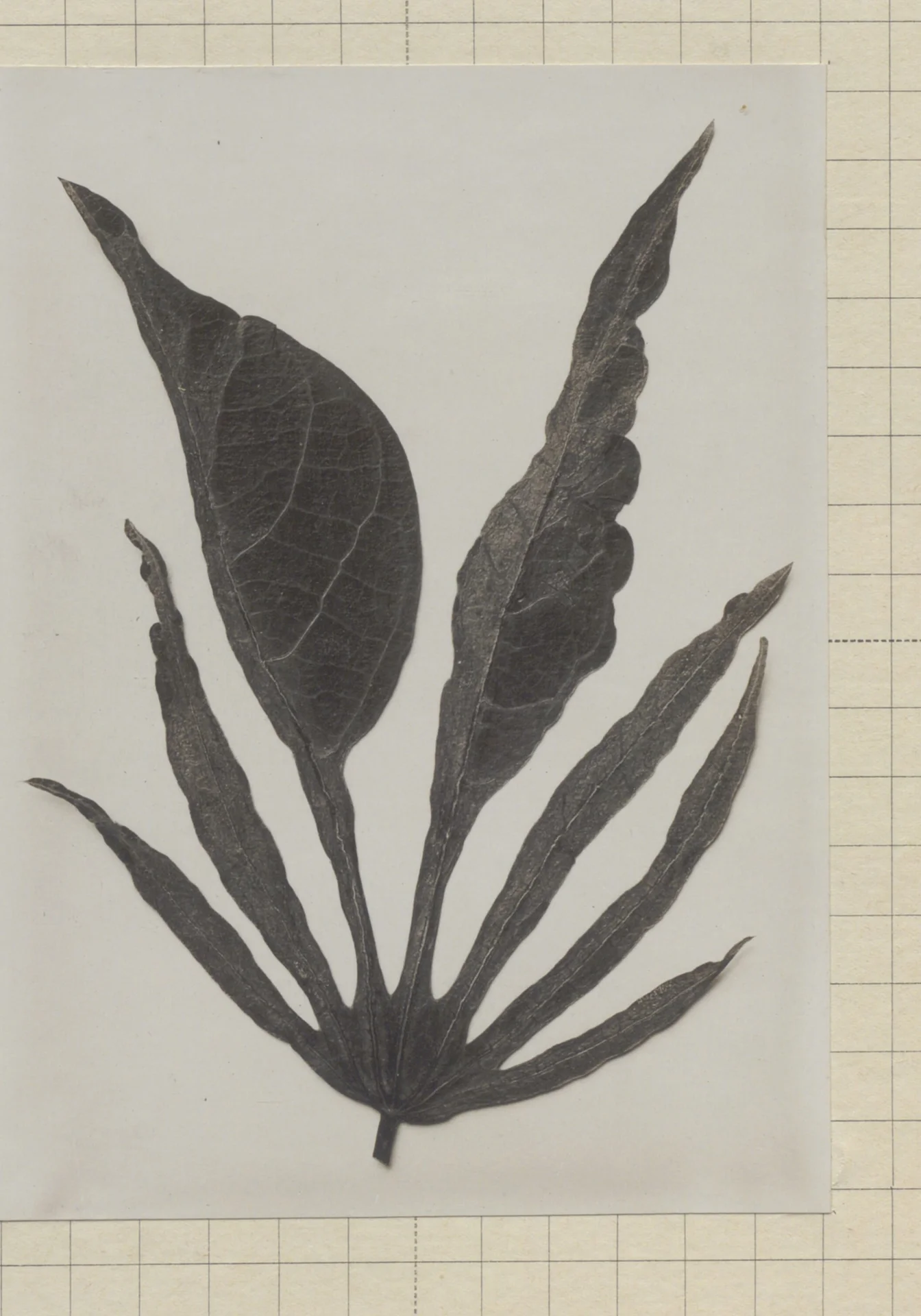
Photo: Albert Cintract (Institut National d'Agronomie Coloniale) · Public domain
Cassava mosaic disease (CMD) is a viral disease of cassava caused by cassava mosaic geminiviruses such as African cassava mosaic virus and East African cassava mosaic virus. It spreads two ways: inside infected stem cuttings used as planting material — the main driver — and by the whitefly (Bemisia tabaci, a tiny white sap-sucking insect), which ferries the virus from plant to plant and into new fields. Plants grown from infected cuttings are diseased from their very first leaf and suffer the heaviest losses. It is the single most important disease of cassava across sub-Saharan Africa.
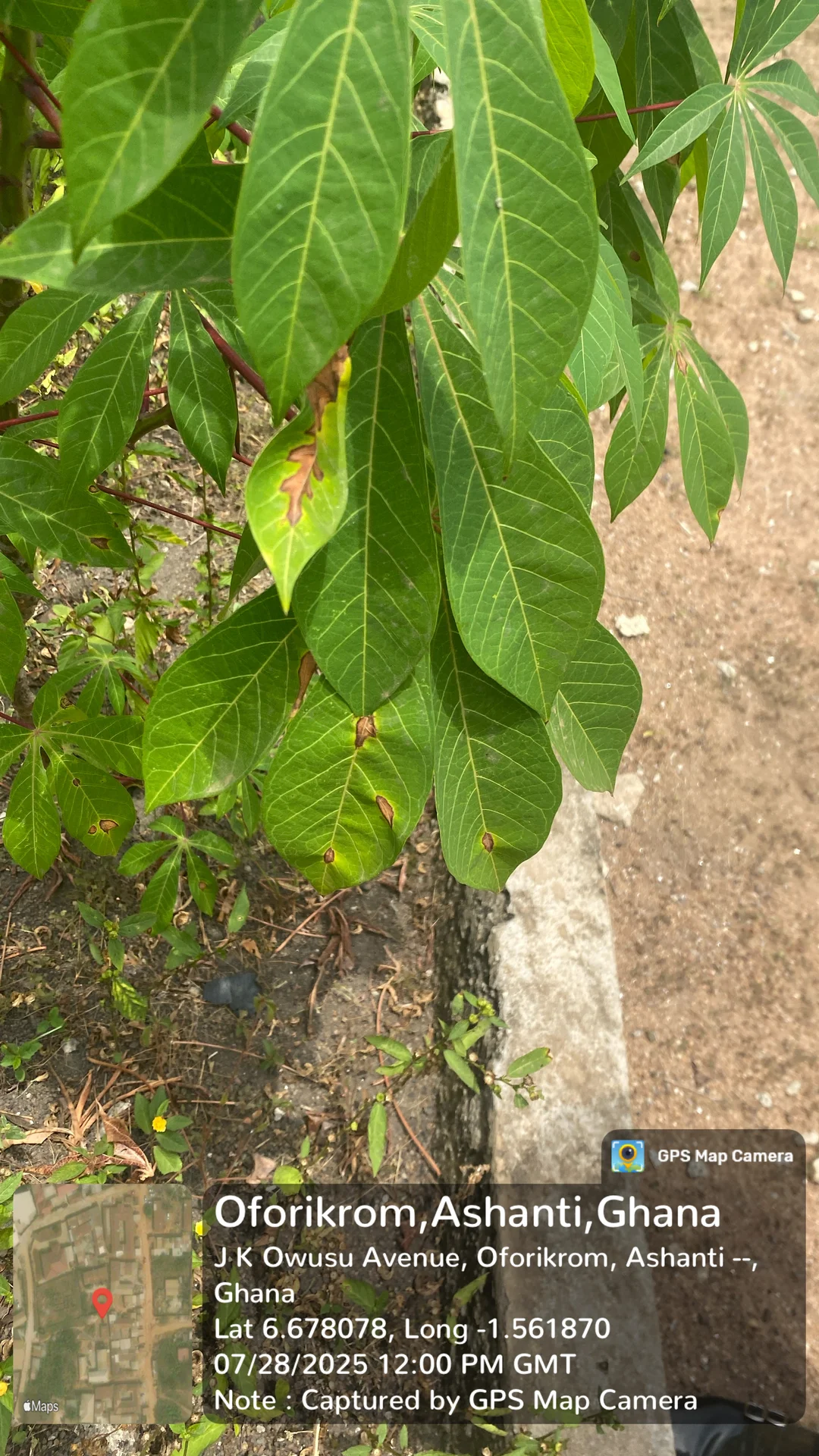
Raizkgh (Wikimedia Commons) · CC0 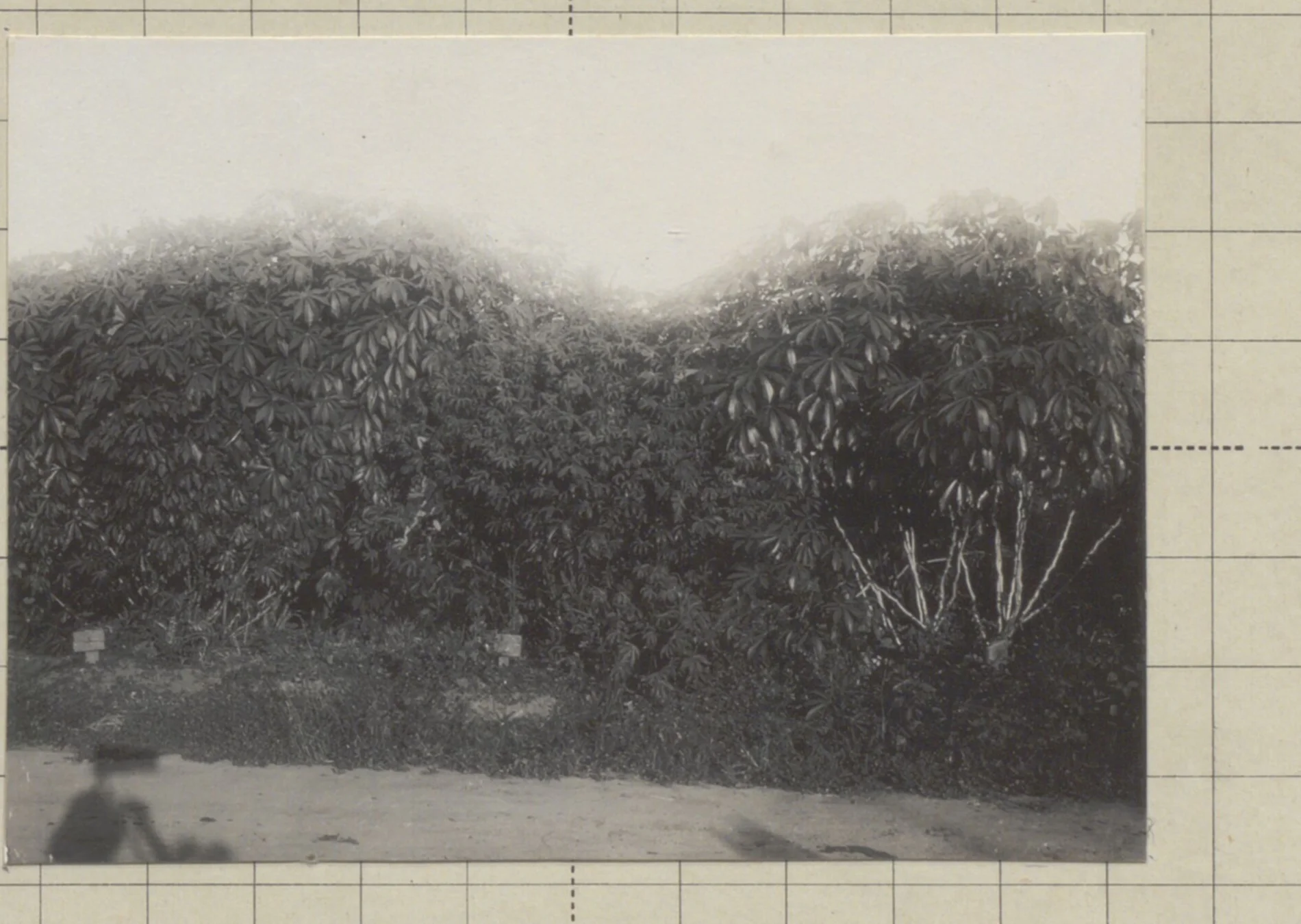
Alphonse Fritz (Institut National d'Agronomie Coloniale) · Public domain
Why it matters
Cassava mosaic disease is the most damaging disease of cassava — a bad infection can take up to 90% of your root harvest, leaving almost nothing to eat or sell. It is a virus, so no spray can cure a plant once it is infected. Worst of all it hides inside the stem cuttings you plant, so you can plant the disease without knowing, and whiteflies (tiny white insects on the leaves) keep carrying it from plant to plant. That is why your only real defence is planting clean, resistant cuttings and pulling out sick plants the moment you see them.
When to act
Rogue symptomatic plants as soon as mosaic appears; treat the field as high risk when whitefly numbers on top leaves are high.
This guidance is general, compiled from published agronomic references including FAO and CABI. Thresholds and timing shift with your crop, your variety and the season.
In much of the region a spray is simply called mushonga — medicine. But a chemical group you cannot name is one you cannot rotate, and a product you did not write down has no pre-harvest interval you can observe. Mushonga, and other farming words →
The full Cassava mosaic disease field guide
Identify it
The tell-tale sign
young leaves show a patchwork of yellow and green on the SAME leaf — pale yellow or whitish blotches mixed with normal green, like paint that was never stirred. This 'mosaic' or mottling is the classic sign and shows up first on the youngest leaves at the growing tip.
As it worsens
the affected leaves twist, curl and pucker, the leaflets grow narrow, crinkled and much smaller than a healthy open cassava leaf, and the whole plant looks stunted and bushy. Below ground the storage roots stay few and thin — a plant sick from planting may give almost no harvest.
Where it is worst
plants grown from infected cuttings show mosaic on every leaf from the first sprout; plants infected later by whiteflies show it only on the new top leaves while older lower leaves still look green. Turn a young top leaf over and you may see tiny white insects (whiteflies) underneath — shake the shoot and they lift off in a little white cloud.
Do not confuse it with
nitrogen hunger, which turns a leaf evenly pale all over (usually the old lower leaves) with no green-and-yellow patchwork and no twisting; green-mite damage in the dry season, which is a fine dusty speckling and bronzing at the shoot tips, not big yellow blotches; or cassava brown streak disease — for that one cut a root open: brown streak rots the root brown and dry inside, while mosaic leaves the root small but not rotted.
Scout for it
When to look
check hardest in the first 2–3 months after planting — from the moment shoots sprout through early growth. These are the stages when the plant is most vulnerable and when early infection does the most damage. Start right at sprouting: plants from infected cuttings give themselves away with mosaic on their very first leaves.
How to walk it
at least once a week, walk a big 'W' across the field so you cover all four corners and the middle — not just the row beside the path. Make about 10 stops along the way.
What to check at each stop
look at the youngest top leaves of the plants for the yellow-green mosaic and twisting, and turn a top leaf over to check for whiteflies underneath. Shake the shoot — if a cloud of tiny white flies rises, whitefly pressure is high.
Your trigger — even ONE plant:
a virus gives no free pass, so there is no 'wait and see' count. The moment you find a single plant with mosaic, pull it out that same day (see control). And when most top shoots throw up a whitefly cloud when shaken, treat the whole field as high risk — spread will be fast, so rogue extra strictly and plan clean, resistant cuttings for next season.
Control it
Best defence — plant a resistant variety:
grow an improved CMD-resistant (or tolerant) cassava variety from your national programme or a trusted source. 'Resistant' means the plant can meet the virus and still give a good root harvest. This is the cheapest and most reliable protection of all, and you decide it before you even plant.
Plant clean cuttings
the virus rides inside the stem cuttings, so a cutting from a sick plant grows a sick plant. Take cuttings only from healthy-looking plants, or use certified clean planting material, and never cut planting stems from a field that has any mosaic. (Keeping your planting material disease-free like this is called phytosanitation.)
Rogue sick plants the day you see them
to rogue means to uproot the whole diseased plant — stem, roots and all — and remove it. Burn it, bury it deep, or feed the leaves to livestock; do not leave it lying in the field and never save its stems for cuttings. Do this from sprouting onward: every plant you pull is a loss stopped and one less source the whiteflies can spread from. Keep new plantings well away from old infected fields.
Protect the whitefly's natural enemies
whiteflies are the insects that ferry the virus between plants, and ladybirds, lacewings and tiny parasitic wasps eat them for you. Avoid broad, harsh poisons that wipe out these helpers (and bees) — kill the helpers and the whiteflies only multiply. This slows spread but is a support only; it does not replace clean cuttings and a resistant variety.
There is no spray that cures it — plan your escape:
a virus cannot be sprayed away the way a caterpillar can, so do not waste money on chemicals hoping to cure infected plants. If mosaic keeps spreading and most of the field is infected, cut your losses: do not save any cuttings from this field (you would carry the disease straight into next season), harvest what roots you can, and start clean next season — certified, healthy cuttings of a resistant variety, ideally on a fresh plot away from the old infected one. A young field heavily infected in the first weeks will give very poor roots; it is better to clear it and replant clean than to nurse a doomed crop.
Catch Cassava mosaic disease before it costs you the harvest
This guide is the general answer. Divisi works out yours — the week to scout your own field for Cassava mosaic disease, and what to do the day you find it.


Crops it affects
Plan the crops it attacks

All planting calendars, country by country
Get Insights by email
A short digest of new Divisi articles. No email on quiet weeks.
Frequently asked questions
How do I identify Cassava mosaic disease?
The tell-tale sign. young leaves show a patchwork of yellow and green on the SAME leaf — pale yellow or whitish blotches mixed with normal green, like paint that was never stirred. This 'mosaic' or mottling is the classic sign and shows up first on the youngest leaves at the growing tip.
When should I take action against Cassava mosaic disease?
Rogue symptomatic plants as soon as mosaic appears; treat the field as high risk when whitefly numbers on top leaves are high.
How do I control Cassava mosaic disease?
Best defence — plant a resistant variety:. grow an improved CMD-resistant (or tolerant) cassava variety from your national programme or a trusted source. 'Resistant' means the plant can meet the virus and still give a good root harvest. This is the cheapest and most reliable protection of all, and you decide it before you even plant.
Which crops are attacked by Cassava mosaic disease?
Among the crops covered here: Cassava.