 Divisi
Mealybug wilt of pineapple
· Viral
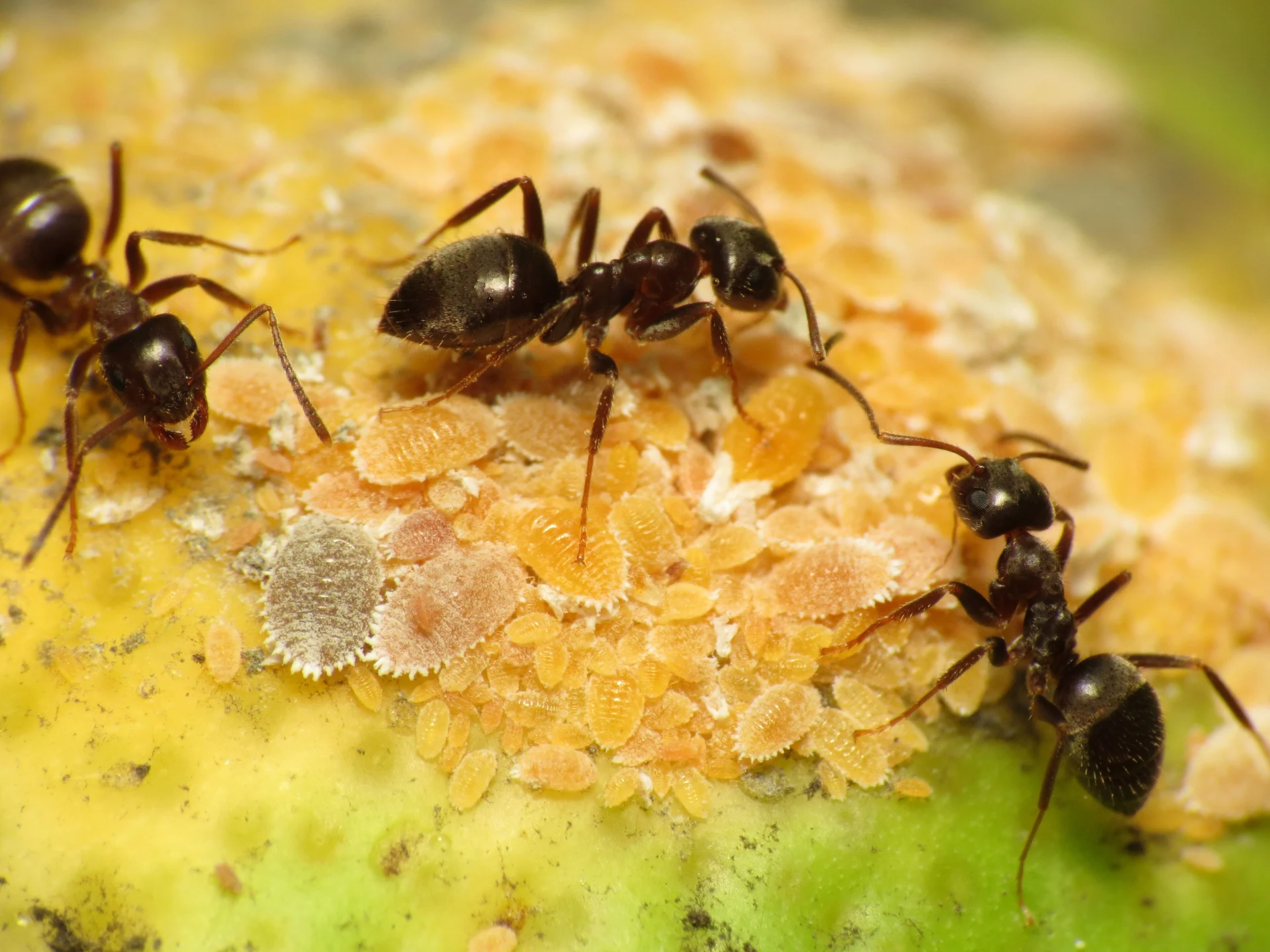
Photo: Katja Schulz · CC BY 2.0
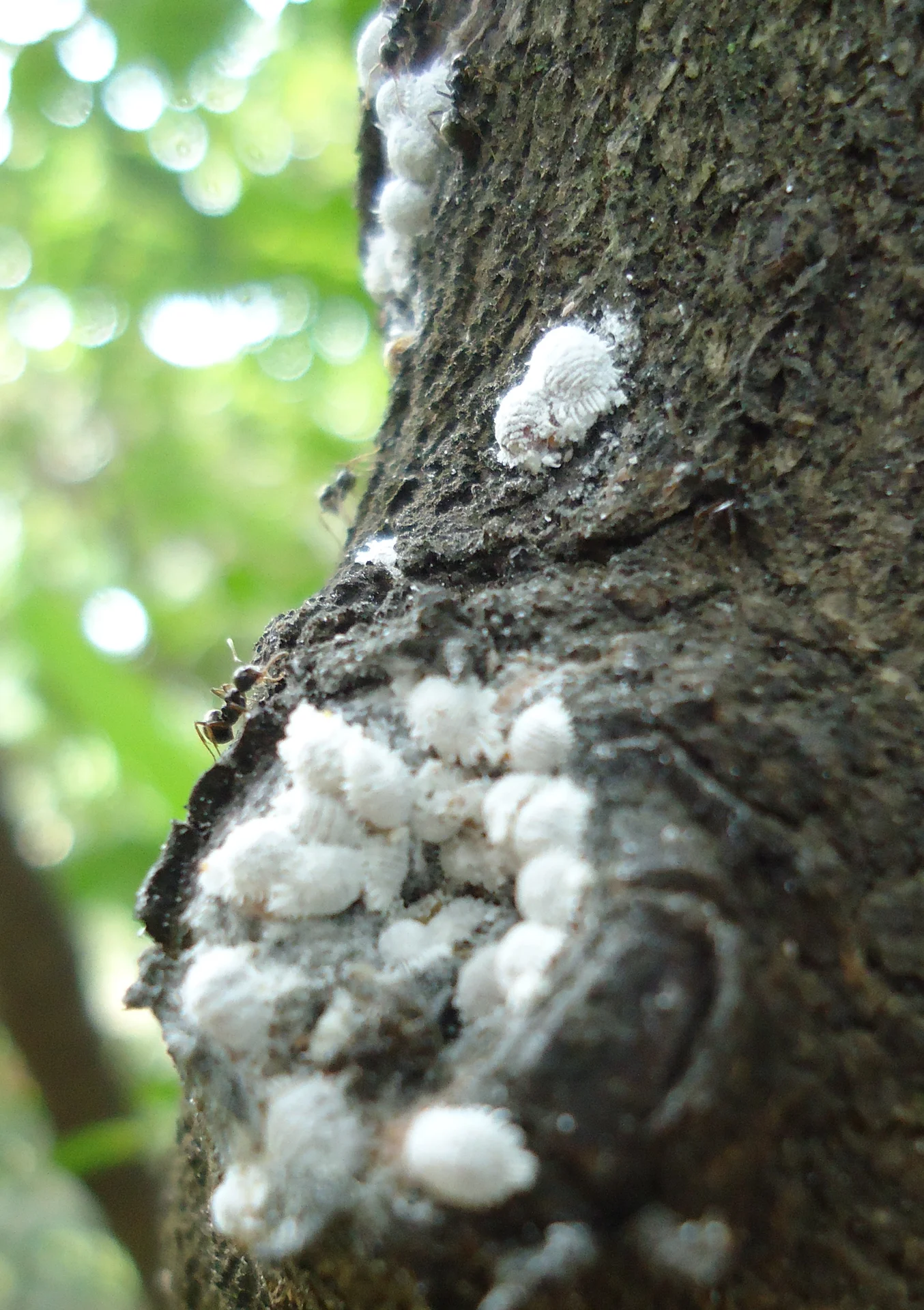
Mealybug wilt is a virus disease of pineapple (the pineapple mealybug wilt-associated viruses, PMWaV). The virus alone does little — the wilt appears when mealybugs feed on an infected plant. Small white, waxy mealybugs are carried from plant to plant and protected by ants, so the two pests together are what drive the disease through a field. Sick plants lose their roots, redden and wilt, and once a block is heavily infested the disease is very hard to turn back.
Obsidian Soul · CC BY 3.0
Why it matters
Mealybug wilt can take up to half your pineapple crop (50%) — the plants redden, their roots die, and the fruit stays small and worthless. It matters because you cannot spray a cure into a plant once the virus is in it, and the mealybugs and ants that spread it keep building up year after year in a pineapple field. The only way to win is to stop the mealybugs and the ants and to plant clean suckers in the first place — by the time whole rows are wilting, it is usually too late to save them.
When to act
First reddening leaves in patches together with mealybug colonies at the plant base; manage on the mealybug vector and ants, not the symptoms.
This guidance is general, compiled from published agronomic references including FAO and CABI. Thresholds and timing shift with your crop, your variety and the season.
In much of the region a spray is simply called mushonga — medicine. But a chemical group you cannot name is one you cannot rotate, and a product you did not write down has no pre-harvest interval you can observe. Mushonga, and other farming words →
The full Mealybug wilt of pineapple field guide
Identify it
The damage you see first
the leaves turn a pink-to-red colour and go soft and floppy instead of standing stiff. Then the leaf tips die back and dry out, and the edges of the leaves roll inwards like a curling tongue.
The plant wilts even though the soil is wet
Scratch the soil at the base and you'll find the roots have rotted away — that is why the plant droops while its neighbours in dry ground look fine. Growth stops and any fruit stays small and hard.
Find the real cause at the base
pull back the lower leaves and look in the crotches where leaf meets stem, and on the roots. Look for tiny white, cottony, waxy specks the size of a pin-head — these are the mealybugs (the sap-sucking insect that carries the virus). You'll often see a sticky shine (honeydew) with black sooty mould, and busy lines of ants running up and down the plant.
Don't confuse it with plain drought
Drought wilts the whole field evenly and the plants perk up after watering or rain; mealybug wilt shows in red patches, does not recover with water, and always has mealybugs and ants at the base. Reddening from cold, sunburn or hunger has no mealybugs and no rotted roots — always check the base before you decide.
Scout for it
When to look
watch hardest from a few months after planting, right through the growing and fruiting period, and especially after warm spells (about 22–32 degrees C) when mealybugs and ants are most active.
How to walk
cross the field in a big "W" so you check all four corners and the middle, not just the edge by the path. Make about 10 stops and check a few plants at each stop.
What to check at each plant
bend back the lower leaves and look in the leaf crotches and at the root base for the white cottony mealybugs, and watch for ant trails. Also scan across the block for the first patch of reddening, floppy leaves.
Your action number
you don't wait for a big count — act on the very first signs. If you find mealybug colonies at the base of even a few plants together with the first patch of reddening leaves, act now — and aim your action at the mealybugs and the ants, not at the red leaves themselves.
Control it
Prevent it
-
start clean (your strongest tool):
plant only clean, virus-tested suckers taken from a healthy block, and dip or treat the planting material before you plant so mealybugs don't ride in on it. Never take suckers from a field that is wilting. Where you can, break continuous pineapple — don't plant pineapple on pineapple year after year, or the mealybugs and virus just build up.
-
beat the ants:
the ants carry and protect the mealybugs and shift them from plant to plant, so control the ants and the mealybugs collapse. Put out ant baits around the field and at the base of plants, and clear old crop trash and weeds where ants nest.
Act early — pull out the sick plants (roguing):
as soon as the first plants redden and wilt, dig them out and destroy them (burn or bury away from the field). This removes the source of virus and mealybugs before it spreads down the row. Treat mealybug hot-spots on nearby plants at the same time, and protect natural helpers like ladybird beetles that eat mealybugs.
Choose a tougher variety
where clean, less-susceptible pineapple planting stock is available, use it. This helps but is only a partial shield (it lowers, not stops, the disease) — you still have to control the mealybugs and ants.
A word on sprays — there is no cure to spray:
once the virus is in a plant, no spray will cure it, and blanket insecticide spraying is not part of the plan for this disease — it kills the ladybirds and other helpers that hold the mealybugs down, and the pests bounce back stronger. The proven tools are the ones above: clean suckers, ant baits, roguing sick plants, and a tougher variety. When you do put out ant baits, keep them away from children, animals, food and water, place them only at the base of the plants and along the ant trails, keep them off beehives and open water, and wash your hands well afterwards.
If it keeps spreading — cut your losses:
if the reddening keeps marching block by block even after you rogue plants and bait the ants, take out the whole worst block, destroy the residue, and rest or rotate the land before you replant. When you do replant, use only clean, tested suckers from a healthy source — never suckers saved from the sick field, or you simply start the disease again.
Catch Mealybug wilt of pineapple before it costs you the harvest
This guide is the general answer. Divisi works out yours — the week to scout your own field for Mealybug wilt of pineapple, and what to do the day you find it.


Crops it affects
Plan the crops it attacks

All planting calendars, country by country
Get Insights by email
A short digest of new Divisi articles. No email on quiet weeks.
Frequently asked questions
How do I identify Mealybug wilt of pineapple?
The damage you see first. the leaves turn a pink-to-red colour and go soft and floppy instead of standing stiff. Then the leaf tips die back and dry out, and the edges of the leaves roll inwards like a curling tongue.
When should I take action against Mealybug wilt of pineapple?
First reddening leaves in patches together with mealybug colonies at the plant base; manage on the mealybug vector and ants, not the symptoms.
How do I control Mealybug wilt of pineapple?
Prevent it — start clean (your strongest tool):. plant only clean, virus-tested suckers taken from a healthy block, and dip or treat the planting material before you plant so mealybugs don't ride in on it. Never take suckers from a field that is wilting. Where you can, break continuous pineapple — don't plant pineapple on pineapple year after year, or the mealybugs and virus just build up.
Which crops are attacked by Mealybug wilt of pineapple?
Among the crops covered here: Pineapple.