 Divisi
Ratoon stunting disease
Leifsonia xyli subsp. xyli · Bacterial
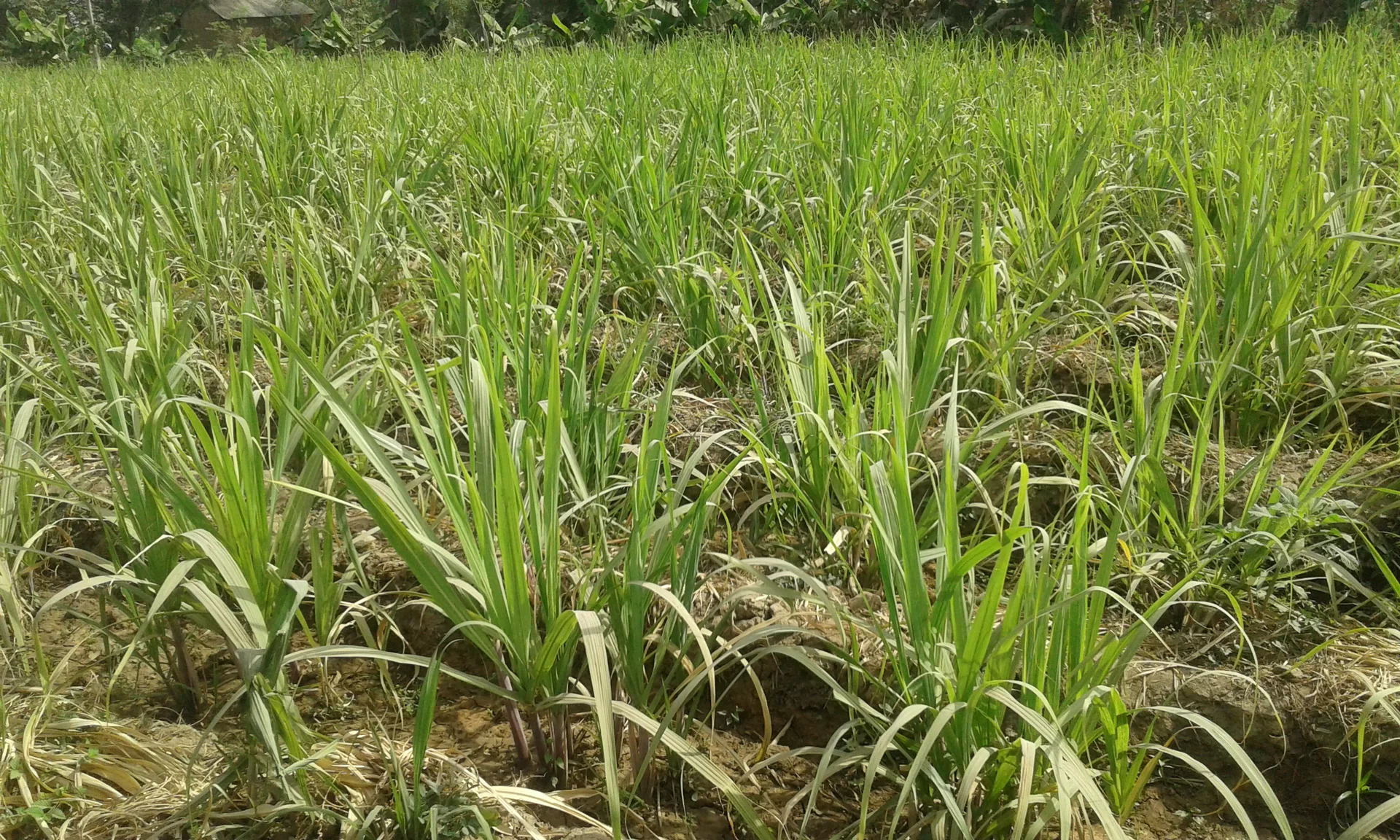
Photo: Hyela, via Wikimedia Commons · CC BY-SA 4.0
Ratoon stunting disease is a bacterial disease of sugarcane. The bacteria live inside the cane's water pipes (the xylem, the fine tubes that carry water up the stalk) and block the flow of water, so the plant stays thin and short. It is spread almost entirely through infected seed cane and through cutting knives and harvesters that carry the sap of a sick plant onto a healthy one. It gives almost no marks you can see from outside, and it gets worse with every ratoon (the regrowth crop that comes up from the stubble after you cut).
Why it matters
Ratoon stunting disease can quietly take up to a third of your cane (30%), and it costs you a little more every year: each ratoon comes back thinner and shorter than the last until the field is no longer worth cutting. It matters because it shows almost no signs you can see from outside — the plants just fail to fill out — so it spreads unnoticed through your seed cane and your cutting knife. Once the bacteria are inside a stool there is no spray or medicine that will clear them; the only real answer is to stop it getting in. On a dry field the damage is far worse, because the blocked water pipes leave the cane unable to cope with drought.
When to act
Unexplained stand-wide stunting and declining ratoon yields; there are no reliable field symptoms, so treat all seed cane as suspect and act preventively
This guidance is general, compiled from published agronomic references including FAO and CABI. Thresholds and timing shift with your crop, your variety and the season.
In much of the region a spray is simply called mushonga — medicine. But a chemical group you cannot name is one you cannot rotate, and a product you did not write down has no pre-harvest interval you can observe. Mushonga, and other farming words →
The full Ratoon stunting disease field guide
Identify it
The first thing you see is stunting, not a spot or a rot
The cane comes up thin and short with fewer tillers (fewer stalks per stool), and a whole block looks evenly small rather than one plant here and there. Growth is worse in the dry patches of the field, where the cane cannot pull up enough water.
There are no useful marks on the leaf or the outside of the stalk
— no leaf spot, no rot, no ooze. This is a disease you confirm by cutting, not by looking.
The one real sign is inside the stalk
Take a mature stalk and cut it lengthways through the joints (nodes). At the nodes look for tiny orange-red to brown dots, dashes or comma shapes in the ring of water pipes just under the rind. Faint pink-orange specks at the nodes of a full-grown cane are the tell-tale sign.
Don't confuse it with ordinary drought or hunger (nutrient shortage)
Those usually improve when the rains come or after you feed the crop, and they often yellow or scorch the leaves. Ratoon stunting does not recover with water or fertiliser, shows no leaf colour change, stunts the stand evenly, and gets worse every ratoon — plus it leaves the orange dots at the nodes that drought and hunger never do. If in doubt, a laboratory test is the only sure confirmation.
Scout for it
The number to act on is 1 — one unexplained drop is enough
Because this disease hides with no reliable outside symptom, you cannot wait for a plant count. If a ratoon comes back clearly shorter or yields noticeably less than the ratoon before it, with no pest, weed or hunger you can point to, treat the whole stand as infected and act.
When to look: right through the growing and maturing crop
— from when the cane is building height and putting out stalks, all the way up to before harvest. This is when a healthy stand should be tall and thick, so a stunted, thin stand stands out most.
Compare year to year
Keep a rough note of how each ratoon performs. A steady, unexplained decline from one ratoon to the next is the clearest warning sign you have.
Walk a "W" across the block
so you check all four corners and the middle, not just the edge by the path. At about 10 stops, cut one mature stalk lengthways through the nodes and look for the orange-red dots in the water pipes.
Treat all seed cane as suspect
Never take planting setts (stem cuttings used to plant new cane) from a stand that is stunting or declining — even if it looks fine, assume it may be carrying the disease, and confirm by laboratory test where you can.
Control it
Prevent it
-
start with clean seed (this is your strongest tool)
Plant only hot-water-treated seed cane: steeping the stem cuttings (setts) in hot water before planting kills the bacteria living inside them. Where you can, buy your seed cane from a certified, disease-free nursery. Clean seed is what breaks the cycle — this cultural step is the most effective control there is for this disease.
-
disinfect your cutting tools between stools
The bacteria ride from a sick plant to a healthy one on the sap on your knife and on harvester blades. Wipe and disinfect the blade between stools and between fields, and cut your youngest, healthiest, known-clean stand first before moving to older cane.
Choose tolerant varieties and cut fewer ratoons
Grow the more tolerant cane varieties available to you, and limit how many ratoon cycles you take before you plough out and replant with fresh, hot-water-treated clean seed. Tolerant cane still carries the bacteria but loses less yield, so pair it with clean seed rather than relying on it alone.
Keep water stress down while you clean up
Because dry cane suffers far more from this disease, irrigating or protecting soil moisture where you can will cut your losses in an infected stand until you replant.
There is no chemical cure — don't waste money on sprays
No insecticide, fungicide or foliar spray will clear the bacteria once they are inside the cane. Anyone selling you a "cure" spray for ratoon stunting is selling you nothing. Safety note for the two jobs that do work: hot water badly scalds — keep children away, use gloves and a lid, and never lift a hot bath by yourself; and when disinfecting blades, wear gloves, keep the disinfectant off your skin, eyes and nose and away from food and drinking water, and wash your hands after.
If it keeps spreading — or it's too late for this stand — cut your losses and start clean
Rogue out (pull and destroy) badly stunted stools, and once a stand's ratoons have declined too far to be worth cutting, plough the whole block out and replant from certified, hot-water-treated seed cane. Do not replant setts taken from the old, infected field — that only carries the disease straight into the new crop.
Catch Ratoon stunting disease before it costs you the harvest
This guide is the general answer. Divisi works out yours — the week to scout your own field for Ratoon stunting disease, and what to do the day you find it.


Crops it affects
Plan the crops it attacks

All planting calendars, country by country
Get Insights by email
A short digest of new Divisi articles. No email on quiet weeks.
Frequently asked questions
How do I identify Ratoon stunting disease?
The first thing you see is stunting, not a spot or a rot. The cane comes up thin and short with fewer tillers (fewer stalks per stool), and a whole block looks evenly small rather than one plant here and there. Growth is worse in the dry patches of the field, where the cane cannot pull up enough water.
When should I take action against Ratoon stunting disease?
Unexplained stand-wide stunting and declining ratoon yields; there are no reliable field symptoms, so treat all seed cane as suspect and act preventively
How do I control Ratoon stunting disease?
Prevent it — start with clean seed (this is your strongest tool). Plant only hot-water-treated seed cane: steeping the stem cuttings (setts) in hot water before planting kills the bacteria living inside them. Where you can, buy your seed cane from a certified, disease-free nursery. Clean seed is what breaks the cycle — this cultural step is the most effective control there is for this disease.
Which crops are attacked by Ratoon stunting disease?
Among the crops covered here: Sugarcane.