 Divisi
Yam anthracnose
Colletotrichum gloeosporioides · Fungal
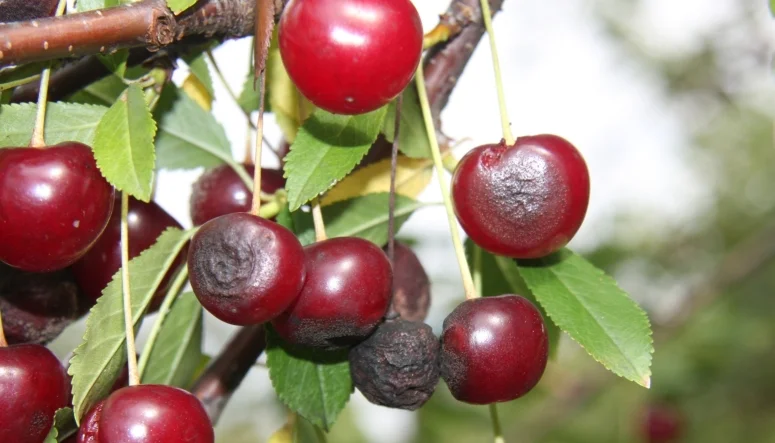
Photo: Glysiak · CC BY-SA 4.0
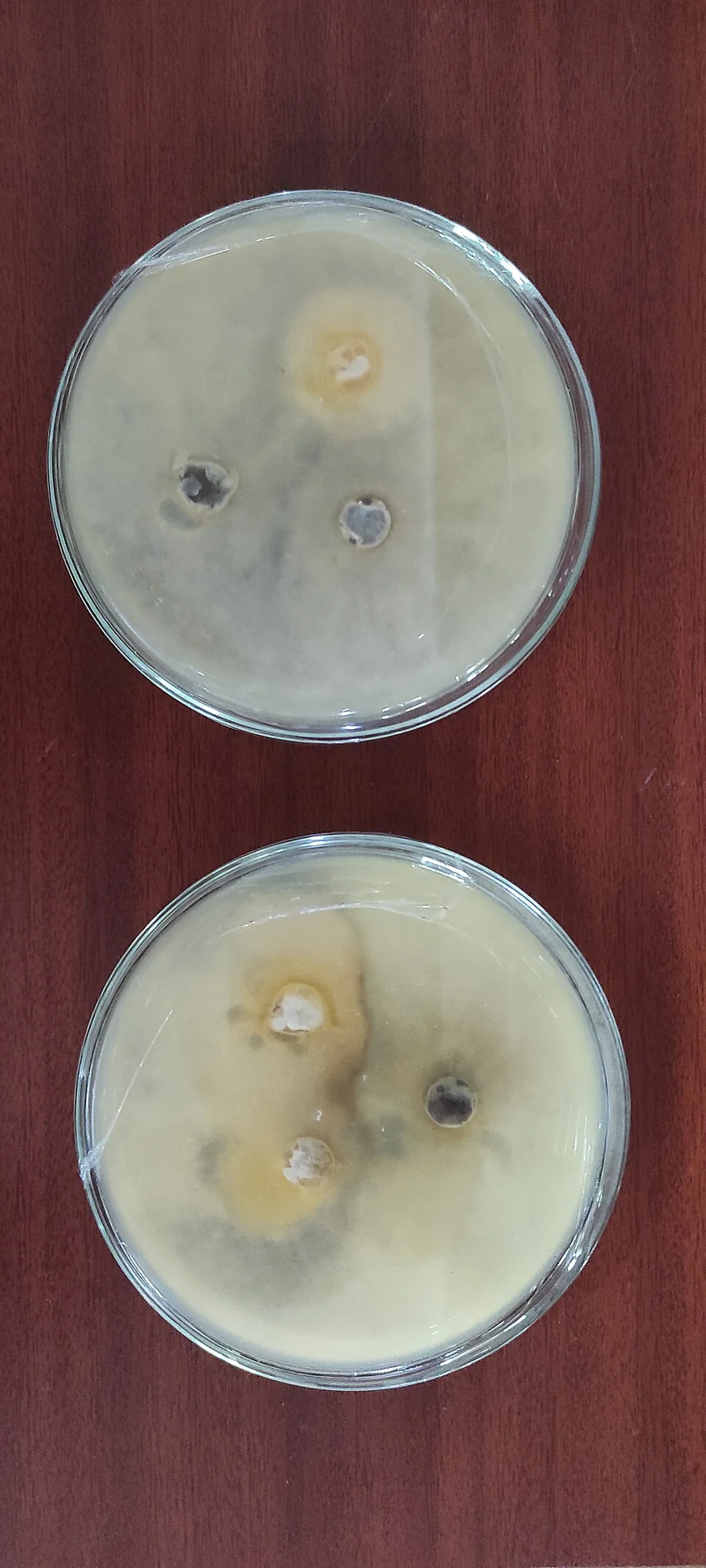
Yam anthracnose is the most damaging leaf-and-stem disease of yam, caused by the fungus Colletotrichum gloeosporioides. It carries over on old infected vines and crop trash, then splashes onto new leaves in rain. In the warm, wet weather it loves (25-30C with leaves staying damp for hours), it blackens leaves and stems, kills the growing shoots (dieback), and strips the vine bare so the plant can no longer feed the tuber underground.
Anto Rashwin · CC BY-SA 4.0 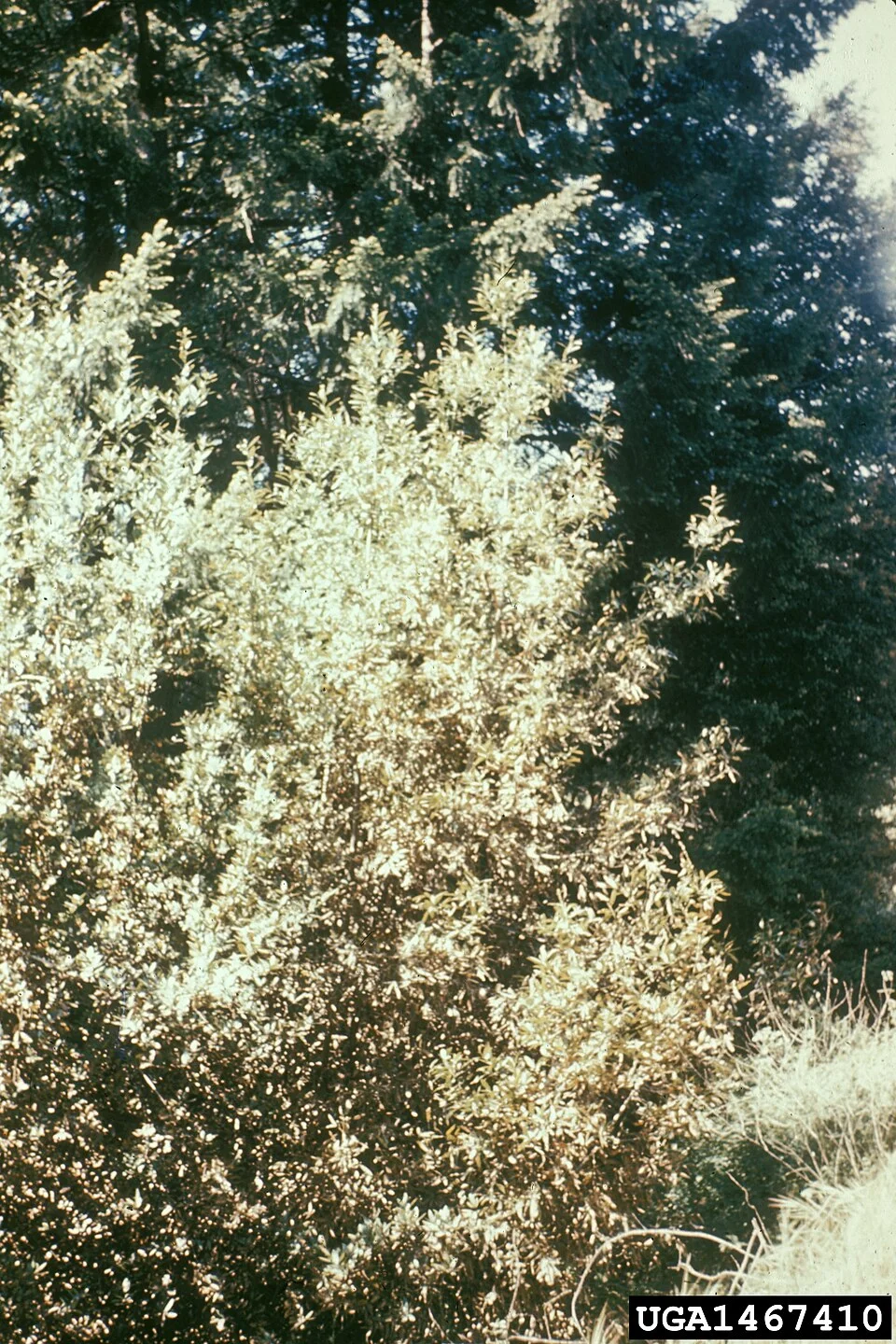
USDA Forest Service · CC BY 3.0 us
Why it matters
Anthracnose is the number-one leaf disease of yam, and a bad attack in a wet year can take up to 70% of your harvest - more than two of every three tubers you were counting on. It kills the leaves and shoots that feed the tuber underground, so even though the rot is up top, the loss is felt at digging time as small, poor tubers. It is hard to beat once it takes hold because the fungus hides in old vines and dead leaves on the ground and comes back with every rain, so the only real win is stopping it before it settles in.
When to act
Dark leaf and stem lesions appearing on the vines during the rainy season, especially on a susceptible variety.
This guidance is general, compiled from published agronomic references including FAO and CABI. Thresholds and timing shift with your crop, your variety and the season.
In much of the region a spray is simply called mushonga — medicine. But a chemical group you cannot name is one you cannot rotate, and a product you did not write down has no pre-harvest interval you can observe. Mushonga, and other farming words →
The full Yam anthracnose field guide
Identify it
The first thing you see
small dark brown to black spots on the leaves, each about the size of a pinhead to a match-head. Look closely and many have a pale or yellowish edge around the dark centre.
As it spreads
the spots grow and join into large blackened patches, and the leaf looks scorched. On the stems and leaf-stalks you'll find sunken dark streaks and lesions - the surface dips in, like a healed-over cut.
When it's bad (dieback)
whole shoots turn black and die from the tip back, leaves shrivel and drop, and the vine can be left as bare blackened stems with almost no leaves - this is the stage that starves the tuber.
Wet look
in rainy, humid weather the fungus is most active and the lesions look dark and fresh; in dry spells the dead patches look papery and grey-brown.
Don't confuse it
with plain drought scorch (which browns leaf edges and tips evenly, with no dark spots or sunken stem lesions) or with old insect chewing (which leaves holes and torn edges, not sunken black streaks). Anthracnose gives you spots + sunken stem lesions + shoot dieback together.
Scout for it
When to look
start checking as the vines are climbing and filling out in the development and mid-season stages - the growing, leafy period when the tubers are bulking and the disease does most harm. Look hardest during and just after rainy, humid spells, which is when it takes off.
How to walk
once a week in the wet season, walk a large "W" across the plot so you cover all four corners and the middle, not just the plants beside the path.
How many to check
stop about 10 times along your walk and look over 10 vines at each stop. Check the lower, shaded, crowded leaves first (they stay wet longest), then the leaf-stalks and stems, then the growing shoot tips for any blackening.
The number that means act
if you find dark leaf or stem lesions on even 1 in 10 vines during rainy weather - especially on a variety you know is prone to it - treat that as your trigger to act now, before it jumps across the wet canopy. Don't wait for dieback; by then much of the damage is done.
Mark the spot
note where you first saw it. The disease spreads outward from these starting points, so those are the plants to watch and the trash to clear first.
Control it
Prevent first
-
grow a tougher variety (your strongest single tool):
plant a tolerant/resistant yam variety and avoid the highly susceptible types in wet, humid zones. This is the most effective thing you can do because it slows the disease before it ever starts.
-
clean planting material:
cut your setts (seed-yam pieces) only from healthy, spot-free vines. Infected setts carry the fungus straight into the new crop, so never plant material from a diseased plot.
-
open up the canopy:
stake the vines and give them room so air moves through and leaves dry faster after rain. The fungus needs long hours of leaf wetness; a dry, airy canopy starves it. Keep weeds down for the same reason.
-
break the cycle:
rotate away from yam for a season or two so the fungus in the soil trash has no host, and after harvest gather and burn or bury the old vines and fallen leaves where it overwinters. Don't leave infected debris lying in the field.
Act early — remove the first sick parts:
as soon as you spot early lesions, cut off and destroy the affected leaves and shoots (burn or bury them, well away from the plot). Taking out the first hotspots slows the spread across the canopy.
Last resort — chemical (mancozeb):
on a high-value crop, or when it keeps spreading despite the steps above, spray a protectant fungicide of the mancozeb group. "Protectant" means it coats the leaf and stops new infection - it does not cure spots already there - so spray at the first symptoms and cover the new growth, repeating during wet spells as the label directs.
Spray safely
cover your skin, eyes, nose and mouth; spray in the cool of the day with the wind at your back; keep it off food, drinking water, children and bees; respect the pre-harvest interval (the number of days the label says you must wait between the last spray and eating or selling); and wash yourself and your clothes afterwards.
Resist resistance
don't lean on the same chemical every time - rotate to a different fungicide group between sprays so the fungus can't build up resistance, and remember spraying only works alongside clean material, staking and sanitation, not instead of them.
If it keeps spreading
tighten the basics - remove more infected vines, improve staking and spacing, and keep the protectant cover on the new growth through the wet spell. When a plot is already stripped to bare blackened stems, it's too late to save that vine - cut your losses, harvest what tubers you can, and clear and destroy every old vine so the disease doesn't carry over. Next season, start clean: tolerant variety, healthy setts, wider spacing, and rotate the plot.
Catch Yam anthracnose before it costs you the harvest
This guide is the general answer. Divisi works out yours — the week to scout your own field for Yam anthracnose, and what to do the day you find it.


Crops it affects
Plan the crops it attacks

All planting calendars, country by country
Get Insights by email
A short digest of new Divisi articles. No email on quiet weeks.
Frequently asked questions
How do I identify Yam anthracnose?
The first thing you see. small dark brown to black spots on the leaves, each about the size of a pinhead to a match-head. Look closely and many have a pale or yellowish edge around the dark centre.
When should I take action against Yam anthracnose?
Dark leaf and stem lesions appearing on the vines during the rainy season, especially on a susceptible variety.
How do I control Yam anthracnose?
Prevent first — grow a tougher variety (your strongest single tool):. plant a tolerant/resistant yam variety and avoid the highly susceptible types in wet, humid zones. This is the most effective thing you can do because it slows the disease before it ever starts.
Which crops are attacked by Yam anthracnose?
Among the crops covered here: Yam.