 Divisi
Mango hopper
Idioscopus spp. · Insect
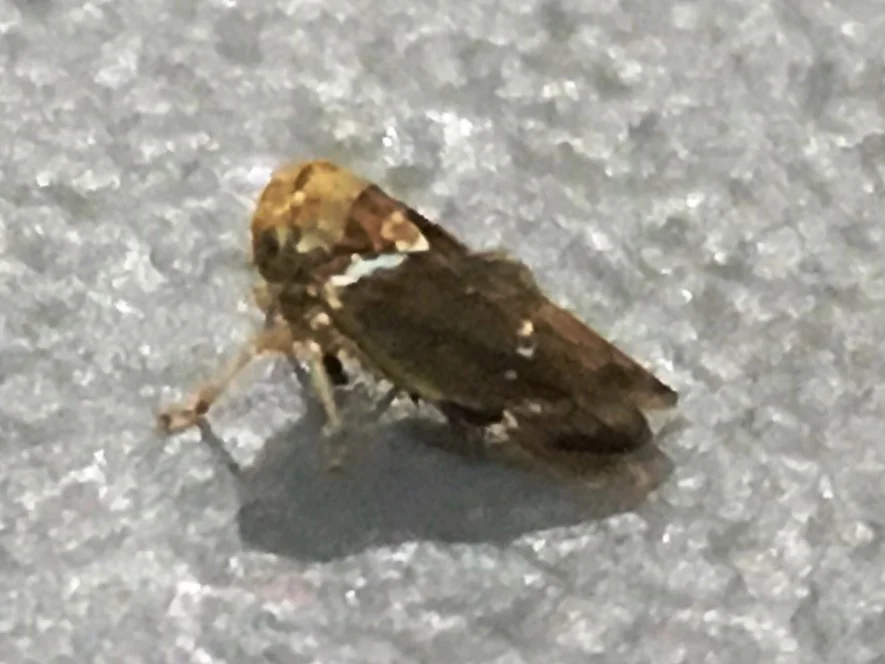
Photo: Ann Lazaro · CC BY-SA 4.0
Mango hoppers (Idioscopus species) are tiny, wedge-shaped leafhoppers — no bigger than a grain of rice — and one of the most damaging pests of flowering mango. Crowds of young and adult hoppers swarm onto the flower clusters (panicles) and tender new shoots, sucking the sap and raining down sticky honeydew on which a black sooty mould then grows. When their numbers build up at flowering, the flowers dry, blacken and drop, and little or no fruit sets.
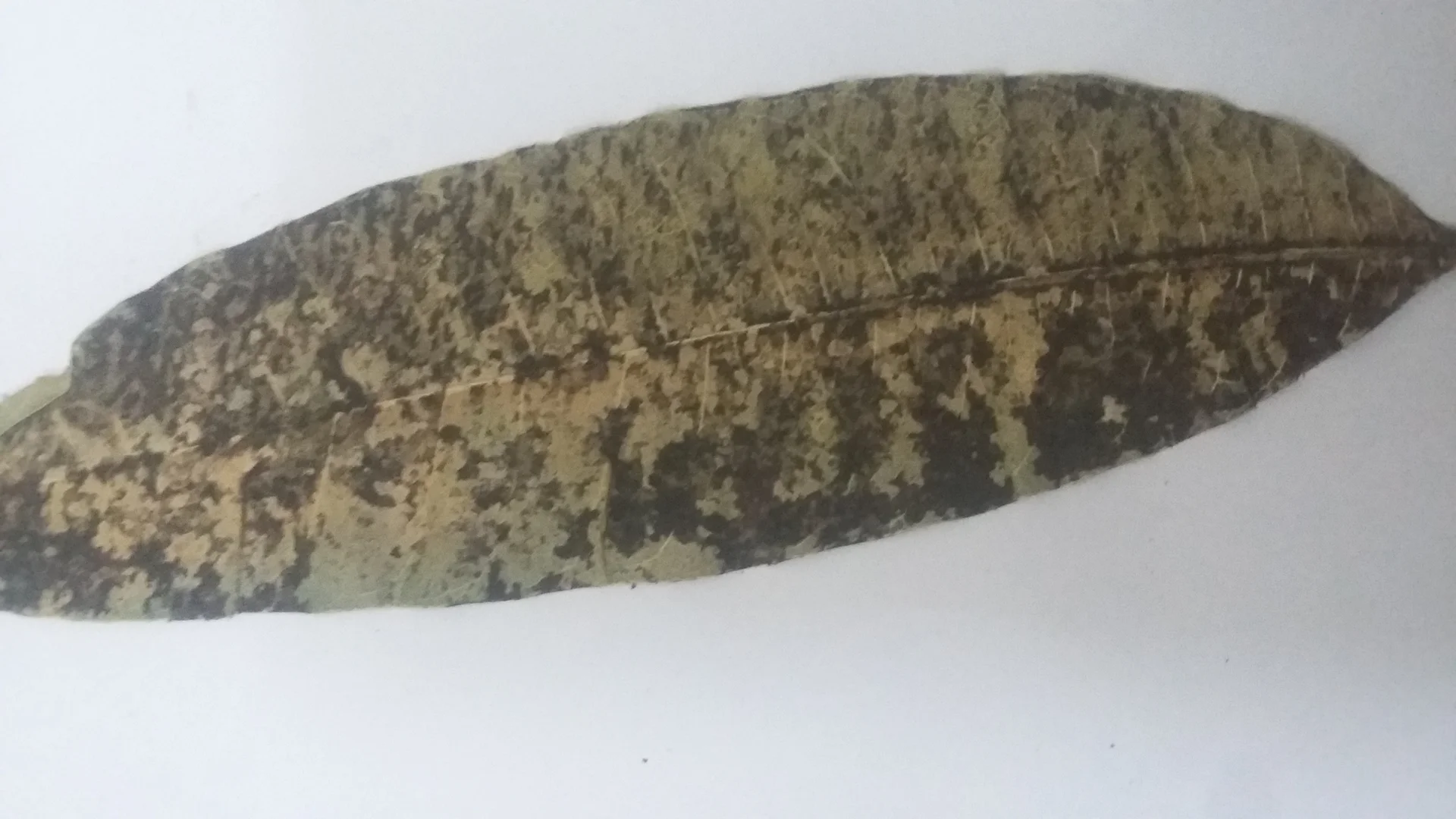
Srimv20244 · CC BY-SA 4.0
Why it matters
Mango hoppers strike the tree at its single most important moment — flowering. A heavy attack dries up the flowers before they can set fruit and can cost you up to 60% of your crop, sometimes leaving a tree almost bare. They breed fast in warm, humid weather and shelter deep in a dense canopy, so once they take hold at flowering they are hard to knock back — and the sticky black mould they leave keeps choking the leaves long after the hoppers themselves have gone. Stopping them early, as the flower shoots first appear, is far easier than trying to rescue a crop that has already dried and dropped.
When to act
several hoppers per panicle at flowering, or the first sooty mould and honeydew on emerging flower shoots
This guidance is general, compiled from published agronomic references including FAO and CABI. Thresholds and timing shift with your crop, your variety and the season.
In much of the region a spray is simply called mushonga — medicine. But a chemical group you cannot name is one you cannot rotate, and a product you did not write down has no pre-harvest interval you can observe. Mushonga, and other farming words →
The full Mango hopper field guide
Identify it
The easiest first sign is the stickiness
A shiny, sticky film — honeydew, the sweet liquid the hoppers pass out as they suck sap — coats the flower shoots, the tender new leaves and anything on the ground under the tree. Within a day or two a black, powdery sooty mould grows on that stickiness, so the panicles (flower clusters) and leaves look dusted with soot or splashed with dirty oil.
On the flowers
where the hoppers feed hard, the flower clusters turn brown, dry up and drop, and little or no fruit sets. Stand under an infested tree on a still day and you may feel the fine, sticky honeydew raining down onto your skin, and hear a faint buzzing as a cloud of disturbed hoppers stirs in the canopy.
The hopper itself
is a small, wedge-shaped insect no bigger than a grain of rice (about 4–5 mm long), greyish- to greenish-brown, some with faint dark spots on the head or back. They sit head-upward on the panicles and new shoots, scuttle sideways like tiny crabs when you come close, and jump or fly off in a little cloud the instant you tap the branch. Between flowering seasons they hide on the undersides of leaves and in cracks in the bark.
Tell it apart from look-alikes
if it jumps and flies off when you tap the branch, it is a hopper. If it is white and cottony and stays put, that is mealybug; if it is a hard brown bump that will not budge, that is scale. And remember the black coating is only mould growing on the honeydew — it wipes off with your finger to show green leaf underneath, unlike disease spots (such as anthracnose) that are sunk into the leaf tissue and will not rub away.
Scout for it
Start looking at panicle emergence
— the moment the first flower shoots push out — and keep checking right through flowering and early fruit set, the tree's most vulnerable stage. Look every 2–3 days, and step it up whenever the weather turns warm and humid, because that is when hopper numbers explode.
Walk a big zig-zag (a "W" shape) across the orchard so you cover the middle and all four corners, not just the trees beside the path. Stop at about 1 tree in every 10 (a handful of trees in a small orchard), and on each tree check several flower panicles at different heights, high and low.
At each tree, tap a flowering panicle sharply over a pale cloth, a tray or an open umbrella and count the hoppers that drop or jump out. While you are there, run a finger over the new shoots to feel for the shiny, sticky honeydew and look for the first specks of black sooty mould.
Act now if you find several hoppers on a single panicle — about 5 or more when you tap it — or the very first honeydew shine and black mould on the flower shoots
Either sign at flowering means treat without delay: waiting even a week lets the hoppers dry out the flowers before they can ever set fruit.
Control it
Prevent it — open up the tree
Hoppers love a dense, shady, humid canopy, so after harvest prune and thin the tree to let light and air pour through, cutting out the soft water-sprouts (the whippy vertical shoots), the crowded inner branches and any dead wood. Don't plant your trees crowded together, keep the orchard floor weeded and clean, and start watching the panicles the moment they appear. An open, airy tree dries out fast after rain and is far less friendly to hoppers.
Protect the tree's helpers
Spiders, ladybirds and tiny wasps feed on the hoppers and their eggs, so avoid blanket-spraying strong poisons that wipe these helpers out — kill them off and the hoppers come back worse than before.
Act early with a natural fungus spray
An entomopathogenic fungus — a natural fungus that infects and kills insects, such as Beauveria or Metarhizium — can be sprayed onto the panicles and shoots to knock the hoppers down. It is safe for bees, for you and for the tree's helpers, and safe to use close to picking. It works more slowly than a chemical, so spray it early while numbers are still low, and put it on in the cool of the evening when the air is damp — the fungus needs moisture and is killed by hot sun.
Chemical spray — the last resort
Only if scouting hits the threshold and the pruning and fungus are not holding it, reach for a recommended insecticide, and time it at panicle emergence, before the flowers open — this guards the flowering and keeps the poison off the bees the tree needs to set fruit; never spray open flowers. Protect yourself: cover your skin, eyes, nose and mouth; spray in the cool of the day with the wind at your back; keep it away from food, drinking water, children and bees; and wash yourself and your clothes afterwards. Wait out the pre-harvest interval — the set number of days you must leave between the last spray and picking — before you eat or sell the fruit. And to stop the hoppers becoming immune (resistance), rotate to a different chemical group each season instead of using the same product over and over.
If it keeps spreading
check your timing first (spray at panicle emergence, not after the flowers have opened), prune harder to open the canopy next season, switch to a different chemical group, and ask your neighbours to treat around the same time so hoppers don't simply fly back in from their trees. When it is too late — the flowers have already dried and dropped and the mould lies thick — no spray will bring this season's fruit back, so cut your losses and save the tree instead: hose or wipe the worst sooty mould off the leaves so they can breathe again, prune out the badly-fouled shoots, and feed and water the tree to recover — then get your pruning and early scouting right before the next flowering.
Catch Mango hopper before it costs you the harvest
This guide is the general answer. Divisi works out yours — the week to scout your own field for Mango hopper, and what to do the day you find it.


Crops it affects
Plan the crops it attacks

All planting calendars, country by country
Get Insights by email
A short digest of new Divisi articles. No email on quiet weeks.
Frequently asked questions
How do I identify Mango hopper?
The easiest first sign is the stickiness. A shiny, sticky film — honeydew, the sweet liquid the hoppers pass out as they suck sap — coats the flower shoots, the tender new leaves and anything on the ground under the tree. Within a day or two a black, powdery sooty mould grows on that stickiness, so the panicles (flower clusters) and leaves look dusted with soot or splashed with dirty oil.
When should I take action against Mango hopper?
several hoppers per panicle at flowering, or the first sooty mould and honeydew on emerging flower shoots
How do I control Mango hopper?
Prevent it — open up the tree. Hoppers love a dense, shady, humid canopy, so after harvest prune and thin the tree to let light and air pour through, cutting out the soft water-sprouts (the whippy vertical shoots), the crowded inner branches and any dead wood. Don't plant your trees crowded together, keep the orchard floor weeded and clean, and start watching the panicles the moment they appear. An open, airy tree dries out fast after rain and is far less friendly to hoppers.
Which crops are attacked by Mango hopper?
Among the crops covered here: Mango.