 Divisi
Niger seed weevil
· Insect
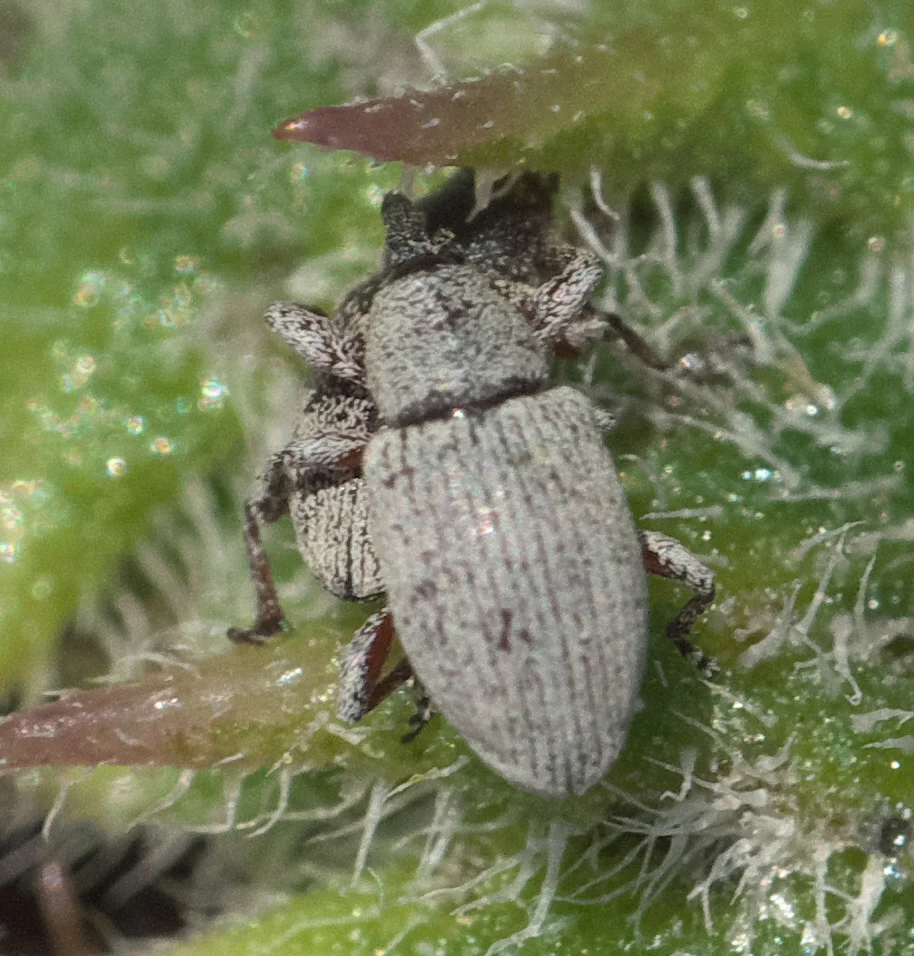
Photo: xpda · CC BY-SA 4.0
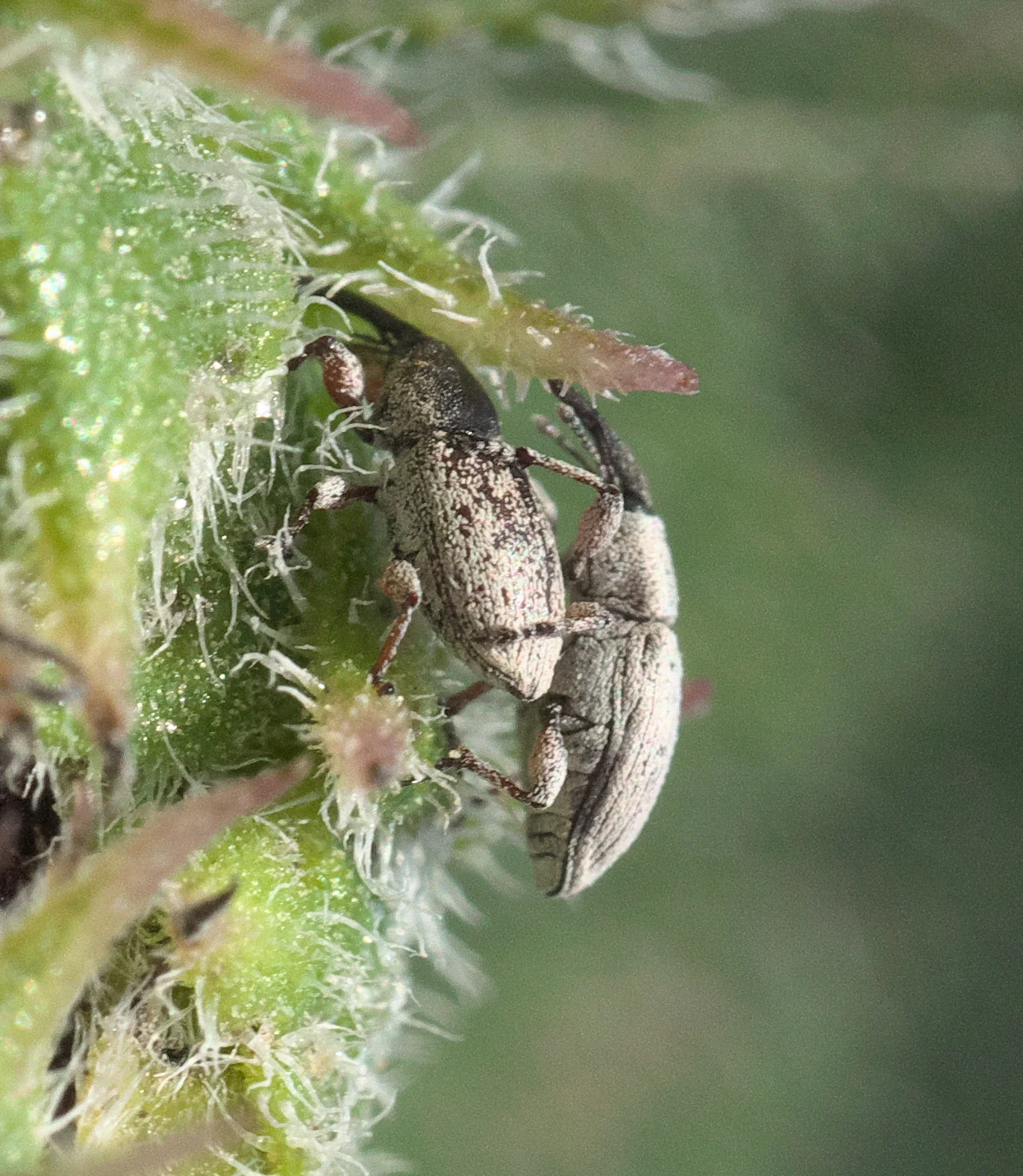
The niger seed weevil is a small, hard-shelled beetle with a long, down-curved snout that attacks niger — the yellow-flowered oilseed grown for the oil in its little black seeds. The adults feed on the flower heads at flowering and seed fill, and their pale, legless grubs grow up hidden inside the heads, hollowing out the seed before it can fill. Warm, dry weather during seed fill favours it, and because the bored seed carries the weevil straight into your store — where it keeps eating and survives to next season — it is far easier to prevent than to cure once it takes hold.
Robert Webster · CC BY-SA 4.0
Why it matters
Niger is grown for the oil in its little black seeds — and that seed is exactly what this weevil eats. A bad attack can cost you up to a third of your harvest (about 30%), and it also lowers the oil content, so even the seed you save is worth less. The worst part is that the grubs grow up hidden inside the flower heads, where you cannot see them and no spray can reach — and the weevils then ride the bored seed into your store, where they keep destroying seed and live on to attack next season. That is why catching it early, at flowering and seed fill, matters so much — once it is in the heads and the store, it is very hard to stop.
When to act
Weevils feeding on heads or bored, hollow seed found when a sample of capitula is threshed at maturity.
This guidance is general, compiled from published agronomic references including FAO and CABI. Thresholds and timing shift with your crop, your variety and the season.
In much of the region a spray is simply called mushonga — medicine. But a chemical group you cannot name is one you cannot rotate, and a product you did not write down has no pre-harvest interval you can observe. Mushonga, and other farming words →
The full niger seed weevil field guide
Identify it
Watch the damage first
As the yellow flower heads turn to seed, attacked heads carry nibbled feeding scars and look light, papery and half-empty — they set far less seed than healthy heads. Rub one open and the seeds are hollow and holed with tiny bore-holes — light, empty chaff instead of plump black seed.
The weevil itself
is a small, hard-shelled beetle only a few millimetres long — about the size of a single niger seed — dull brown or greyish, with a long, down-curved snout at the front of its head (its mouth is right at the tip of the snout). Tap a head and it often folds its legs, plays dead and drops off, so hold a pale cloth or your open hand underneath to catch it and get a good look.
Split a few heads open
and look for the young stage deep inside: small, legless, C-shaped, cream-white grubs with a brown head, feeding on the seed right where no spray can reach them.
Don't confuse it with harmless visitors
Bees and flies crowd niger's flowers for nectar but do no harm — they are pollinators, not the pest; the weevil is a hard beetle with a snout that actually bores the seed. And don't mistake it for bird damage (finches love niger seed): birds strip and scatter whole heads, while the weevil leaves the head standing but the seed inside holed and hollow.
Scout for it
When to look
start as soon as the crop comes into flower (mid-season) and keep checking right through seed fill to maturity (late season) — the whole window while the heads and seed are forming. Look hardest during warm, dry spells of about 20–30°C, the weather this weevil loves.
How to walk it
twice a week, walk a big "W" across the field so you cover all four corners and the middle, not just the edge by the path. Make about 5 stops along the W.
At each stop
scan the flower heads for adult weevils and feeding scars, then tap several heads over a pale cloth or your open hand — the weevils drop off and are easy to spot. Then take a sample of about 10 heads, rub them out onto the cloth, and check the loose seed for bore-holes, light hollow seed, and grubs.
The number that means act
if you see weevils on the heads as you walk — or find bored, hollow seed in even 1–2 of every 10 heads you thresh — act now. Because the damage rides straight into your store, this pest has almost no safe level once the heads are forming. Check again at harvest and while threshing: live weevils in the threshed seed mean you must protect the stored crop too.
Control it
Prevent it first — this is your strongest tool
Plant early and all at once, ideally together with your neighbours, so the crop flowers and fills seed before weevil numbers build up in the warm, dry part of the season. After harvest, clean up and destroy old niger heads, stalks and volunteer plants — this leftover residue is where the weevils survive between seasons (the 'carry-over'), so clearing it starves next year's attack.
Act early by timing the harvest
As soon as the heads are ripe, cut and harvest promptly — ripe heads left standing in the field are a free meal, and the longer they stand the more seed the weevils bore. Getting the crop in on time denies them, with no chemical at all.
Protect the seed in store,
because the weevil follows the seed indoors. Dry the threshed seed thoroughly, then store it clean and sealed in tight drums, bags or containers. Good drying and sealed storage stop the hidden weevils from eating on — this protects the oil in your seed and stops them seeding next season's attack.
Chemical only as a last resort
Where the attack is heavy, a pyrethroid spray can knock down the adults at flowering, before they lay their eggs in the heads. A pyrethroid is a contact insecticide — it kills the weevils it lands on but does not travel inside the plant (unlike a systemic, which is carried in the plant's sap), so it cannot reach the grubs already hidden in the heads. Handle it safely: cover your skin, eyes, nose and mouth, spray in the cool of the day with the wind at your back, keep it well away from food, drinking water and children, and wash yourself and your clothes afterwards. Respect the pre-harvest interval — the set number of days you must wait between your last spray and harvest so no poison is left on the seed.
Special warning — bees
Niger flowers are a magnet for bees, and this spray goes on at flowering, exactly when bees are working the crop. Spray only in the late evening once the bees have stopped foraging, never in open sun, and warn any neighbours who keep hives. To keep the spray working, rotate to a different chemical group in later seasons instead of using a pyrethroid every time — that stops the weevils building up resistance (surviving the spray so it no longer kills them).
If it keeps spreading — salvage well
If the heads are already heavily bored, harvest and thresh early to rescue the sound, filled seed before you lose more. Then burn or bury the badly bored heads and all crop residue so the weevils cannot survive to re-infest your store or next season's crop. Saving the good seed and destroying the rest breaks the cycle.
Catch niger seed weevil before it costs you the harvest
This guide is the general answer. Divisi works out yours — the week to scout your own field for niger seed weevil, and what to do the day you find it.


Crops it affects
Plan the crops it attacks

All planting calendars, country by country
Get Insights by email
A short digest of new Divisi articles. No email on quiet weeks.
Frequently asked questions
How do I identify niger seed weevil?
Watch the damage first. As the yellow flower heads turn to seed, attacked heads carry nibbled feeding scars and look light, papery and half-empty — they set far less seed than healthy heads. Rub one open and the seeds are hollow and holed with tiny bore-holes — light, empty chaff instead of plump black seed.
When should I take action against niger seed weevil?
Weevils feeding on heads or bored, hollow seed found when a sample of capitula is threshed at maturity.
How do I control niger seed weevil?
Prevent it first — this is your strongest tool. Plant early and all at once, ideally together with your neighbours, so the crop flowers and fills seed before weevil numbers build up in the warm, dry part of the season. After harvest, clean up and destroy old niger heads, stalks and volunteer plants — this leftover residue is where the weevils survive between seasons (the 'carry-over'), so clearing it starves next year's attack.
Which crops are attacked by niger seed weevil?
Among the crops covered here: Niger seed (noug).