 Divisi
Pod fly
Melanagromyza obtusa · Insect
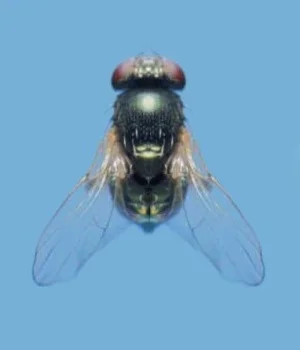
Photo: Unknown authorUnknown author · Public domain
Pod fly (Melanagromyza obtusa) is a tiny shiny-black fly, barely 2 mm long, whose grub is a hidden seed-eater of pigeon-pea — the only crop it attacks. The female lays into young green pods; the maggot then grows up sealed inside, hollowing out and discolouring the developing seed with no hole on the outside to warn you. Because the whole attack is concealed until you split or shell the pods, long-duration pigeon-pea — which carries green pods for many weeks in warm, humid weather — is hit the hardest.
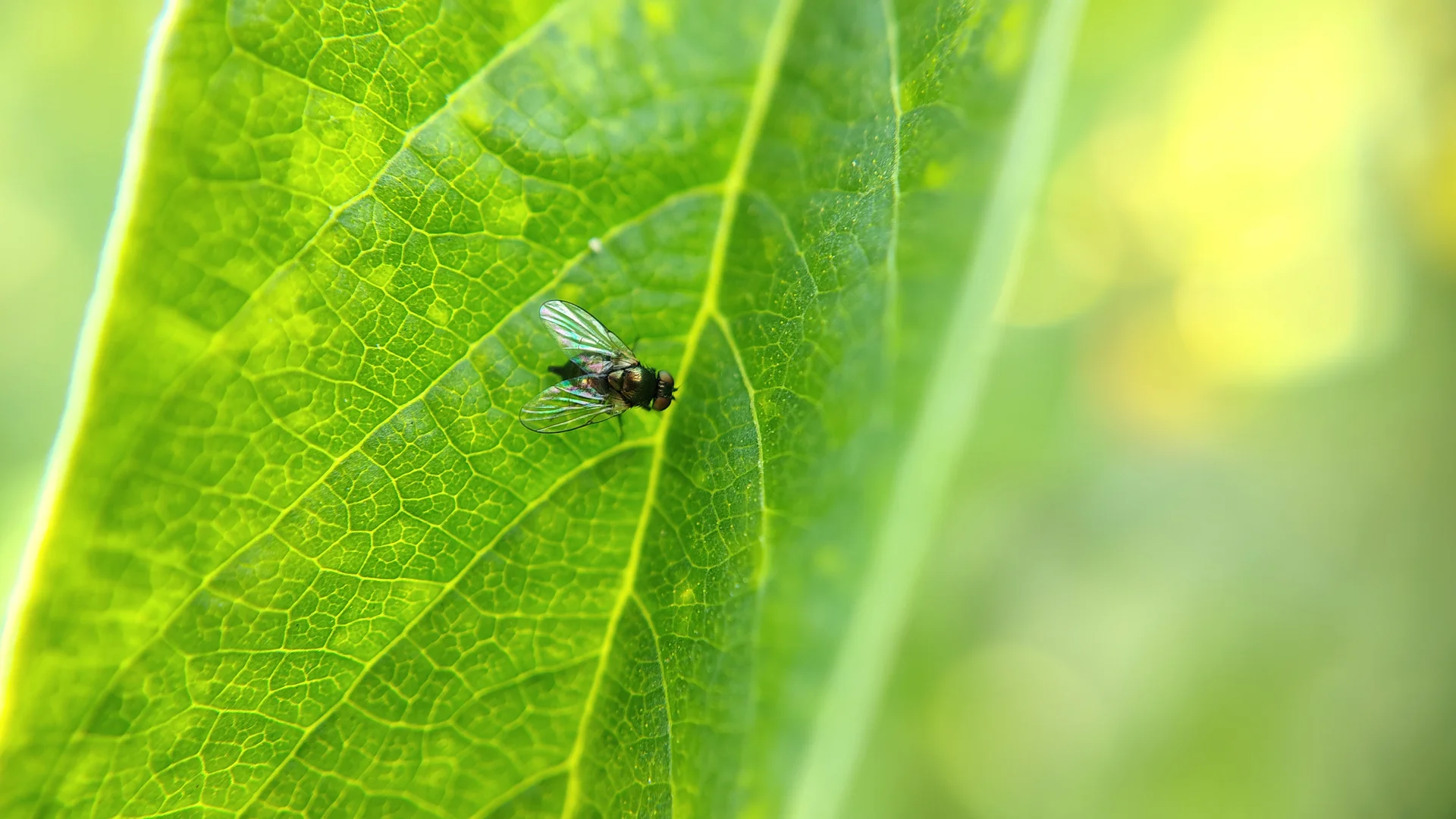
Digvijaysinh Padhiyar · CC BY-SA 4.0 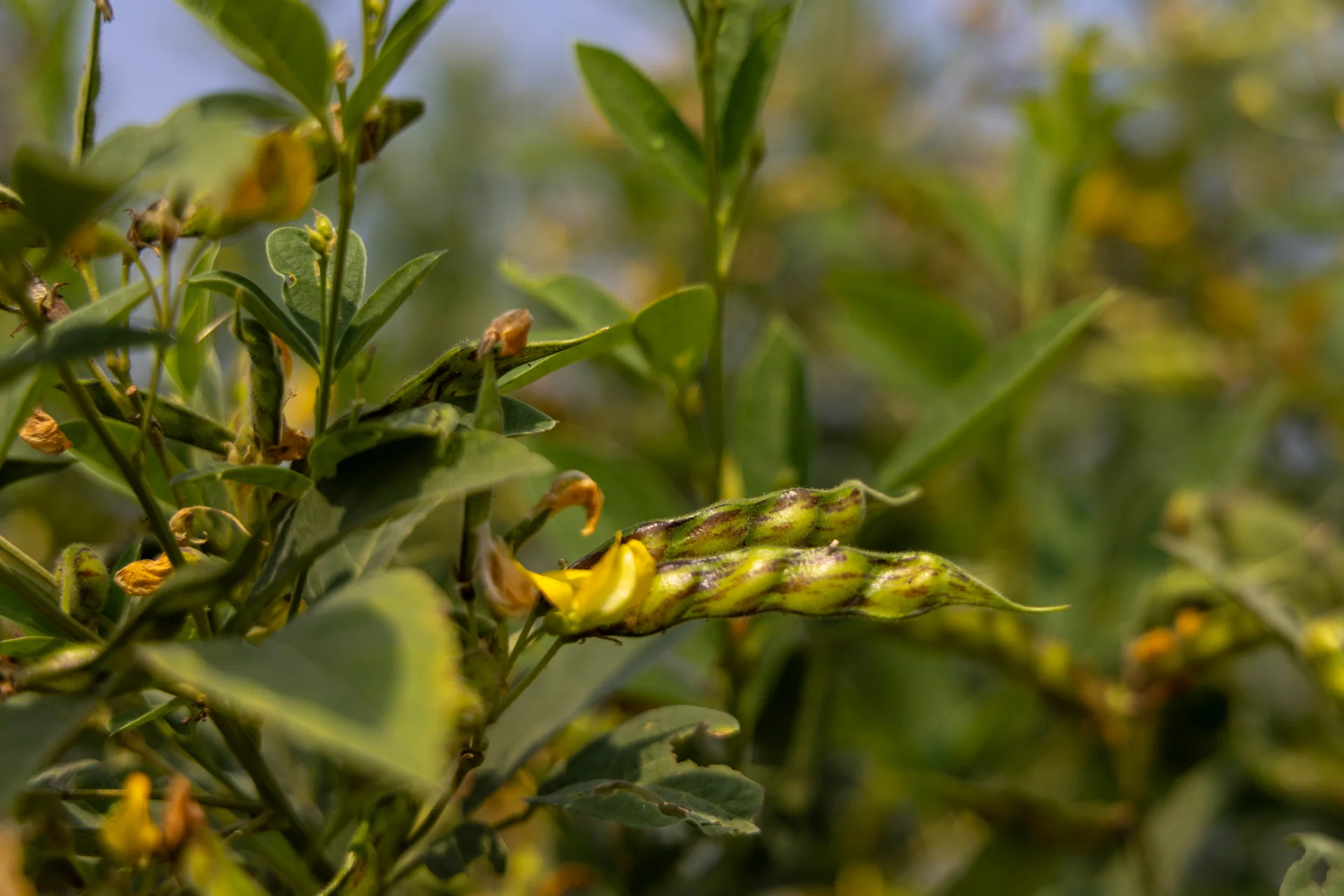
Nanditha Gogate, WELL Labs · CC BY-SA 4.0
Why it matters
Pod fly is a hidden thief. Its little maggots grow up sealed inside healthy-looking pods, eating out the very seed you meant to harvest — and a bad attack can destroy up to half of your pigeon-pea seed. Because the damage happens inside a pod that looks perfectly fine from the outside, you often don't know it is there until you split the pods or shell the crop — and by then the seed is already ruined and no spray can reach the maggot. That is why late-maturing pigeon-pea, which stays in green pod for a long time, gets hit hardest, and why this fight must be won early — by choosing the right variety and stopping the flies before they lay.
When to act
Damaged seed found on splitting a sample of green pods, or adult flies present during podding on late-maturing crops
This guidance is general, compiled from published agronomic references including FAO and CABI. Thresholds and timing shift with your crop, your variety and the season.
In much of the region a spray is simply called mushonga — medicine. But a chemical group you cannot name is one you cannot rotate, and a product you did not write down has no pre-harvest interval you can observe. Mushonga, and other farming words →
The full Pod fly field guide
Identify it
Outside the pod, nothing looks wrong
— no hole, no chewing, no droppings. Pod fly hides all its damage inside, so your field can look perfectly healthy right up until you open the pods.
The real sign is inside the pod
Split open a green pod and you find the seed eaten away, discoloured brown or black, shrunken and shrivelled — often with a tiny pale, legless maggot (the young fly grub) or a small brown, barrel-shaped pupa (the hard resting case it turns into before it becomes a fly) tucked against the pod wall.
Look for the 'window' on older pods
— a small round, thin, pale, see-through patch on the pod wall where the grown fly has cut almost all the way through so it can push its way out. This little window is the surest fingerprint of pod fly.
The fly itself is easy to miss
— a shiny black fly only about 2 mm long, smaller than a housefly, more like a winged ant or a tiny fruit fly. You may spot a few resting on or hovering around the pods, especially on a late crop while it is podding.
Don't confuse it with pod borers
A pod-borer caterpillar chews an obvious round hole straight through the pod from the outside and leaves droppings and a fat, legged caterpillar with a clear head that you can see. Pod fly leaves no outside hole and no droppings — just a clean-looking pod, damaged seed, and a legless maggot sealed inside.
It is worst on late, long-duration pigeon-pea
that carries green pods for many weeks, in warm, humid weather (about 20–30°C). The longer your crop stays in green pod, the more the fly builds up — and remember it lives on nothing but pigeon-pea, so it is only ever your pigeon-pea at risk.
Scout for it
Start at pod set and check every week, right through pod filling to maturity
— the mid- and late-season podding stretch, when the fly is laying and the maggots are growing inside. From flowering onward, also keep an eye out for the small black flies themselves.
Walk a big 'W' across the whole field
so you cover all four corners and the middle — not just the row by the path where you always look. Make about 5 stops along the way.
At each stop, pick and split open about 10 green pods
taken at random from a few different plants — roughly 50 pods across the whole field. Open each one and check the seed for eating, discolouring or shrivelling, and look for a maggot, a pupa, or the tell-tale window on the pod wall.
Even 1–2 damaged pods — or a single live maggot — in your ~50-pod sample means act now
If a handful of the pods you split show ruined seed or a live grub, or you see the little black flies around a late-podding crop, treat the fly as active and act at the next flowering / early-pod flush. Because the damage is hidden and each maggot ruins a seed, there is very little room to 'wait and see'.
A live maggot or fresh damaged seed means it is happening now
— more pods will be hit. An empty pod with only a window means that fly has already left: the seed there is lost, but it warns you the fly is in your field and will carry over to next season's crop.
Control it
Prevent first — choose the right variety
Grow an early- or medium-maturing pigeon-pea and, where you can get one, a variety with harder, tighter pod walls and a short podding window (the stretch of time the crop carries green pods). A crop that fills and matures its pods quickly escapes the peak of the fly, and tough pods are harder for the maggot to develop in. This is your strongest single tool — but on its own it only cuts damage by about a third to a half, so combine it with the steps below.
Plant early and all at once with your neighbours
Avoid staggered, late plantings that keep green pods in the field for a long time — a long podding window feeds the fly generation after generation. When everyone's crop passes through podding at the same time, the fly has far less to build up on.
Clean up after harvest to starve it out
Gather and burn or bury leftover and fallen pods, and cut down old ratoon plants (pigeon-pea left standing after harvest) and stray volunteer plants. These carry the pupae over to the next crop — and because pod fly lives on nothing but pigeon-pea, clearing the old crop leaves it nothing to survive on.
If you must spray, the timing is everything
The maggot is sealed inside the pod where no spray can reach it, so spraying once the seed is already damaged is wasted effort and wasted money. The only spray that works is aimed at the adult flies and their egg-laying — at flowering and early pod set, before the eggs go into the pods.
As a last resort, use a recommended insecticide
at that flowering / early-pod window. A systemic product (one the plant draws up into its sap) or a contact one (that kills flies it lands on) can knock down the adults. Spray safely: cover your skin, eyes, nose and mouth, spray in the cool of the morning or evening with the wind behind you, and keep it off food, water, children and bees. Respect the pre-harvest interval — the number of days you must wait between spraying and picking or eating the crop, printed on the label. Rotate to a different chemical group each time so the fly does not stop responding (build up resistance) — and never rely on spray alone, because even well-timed it takes off only about six pods in ten.
If it keeps spreading, or the seed is already damaged, cut your losses
No spray will save a pod whose seed is already eaten. Harvest a badly-hit crop on time rather than leaving it standing to be attacked for longer, thresh and dry it promptly, and sort out the shrivelled, discoloured seed so you don't carry maggots and pupae into your store. Then next season come back with an earlier, harder-podded variety planted together with your neighbours — the fight against pod fly is mostly won before it ever starts.
Catch Pod fly before it costs you the harvest
This guide is the general answer. Divisi works out yours — the week to scout your own field for Pod fly, and what to do the day you find it.


Crops it affects
Plan the crops it attacks

All planting calendars, country by country
Get Insights by email
A short digest of new Divisi articles. No email on quiet weeks.
Frequently asked questions
How do I identify Pod fly?
Outside the pod, nothing looks wrong. — no hole, no chewing, no droppings. Pod fly hides all its damage inside, so your field can look perfectly healthy right up until you open the pods.
When should I take action against Pod fly?
Damaged seed found on splitting a sample of green pods, or adult flies present during podding on late-maturing crops
How do I control Pod fly?
Prevent first — choose the right variety. Grow an early- or medium-maturing pigeon-pea and, where you can get one, a variety with harder, tighter pod walls and a short podding window (the stretch of time the crop carries green pods). A crop that fills and matures its pods quickly escapes the peak of the fly, and tough pods are harder for the maggot to develop in. This is your strongest single tool — but on its own it only cuts damage by about a third to a half, so combine it with the steps below.
Which crops are attacked by Pod fly?
Among the crops covered here: Pigeon pea.