 Divisi
Red teff worm
Mentaxya ignicollis · Insect
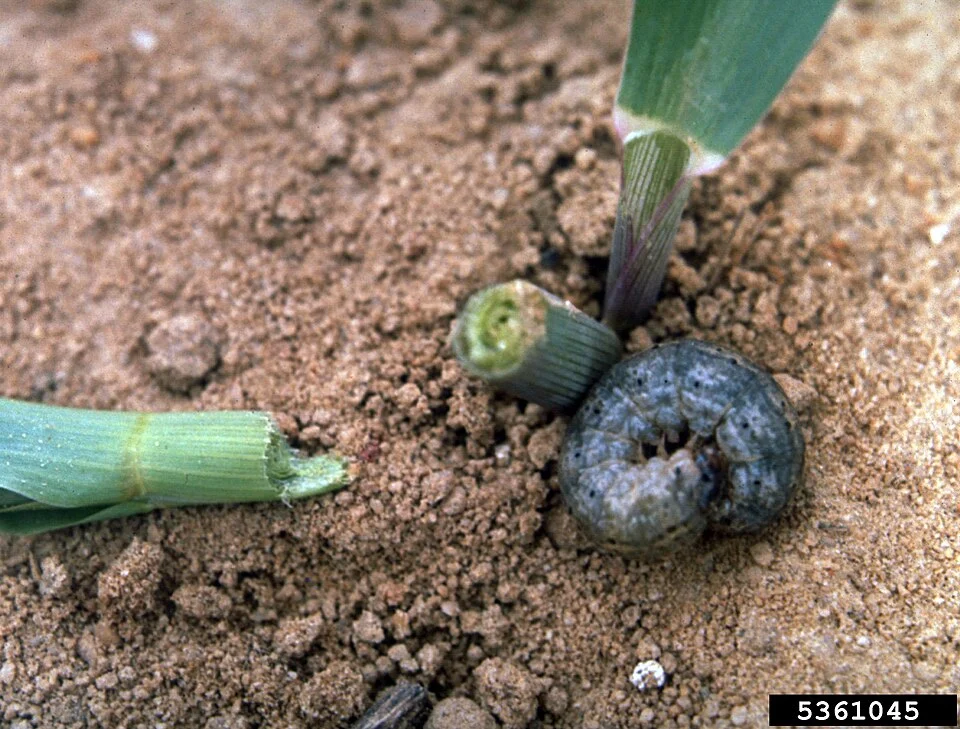
Photo: W.M. Hantsbarger, Bugwood.org · CC BY 3.0 us
The red teff worm (Mentaxya ignicollis) is the caterpillar of a night-flying moth and one of the most damaging pests of teff. The soft, reddish-brown caterpillars hide at the plant base or down in cracks in the soil by day, then come out at night to cut through young seedlings and strip the leaves. They flare up in warm, wet spells after the rains begin, and a heavy attack can clear a young stand of teff right down to bare soil.
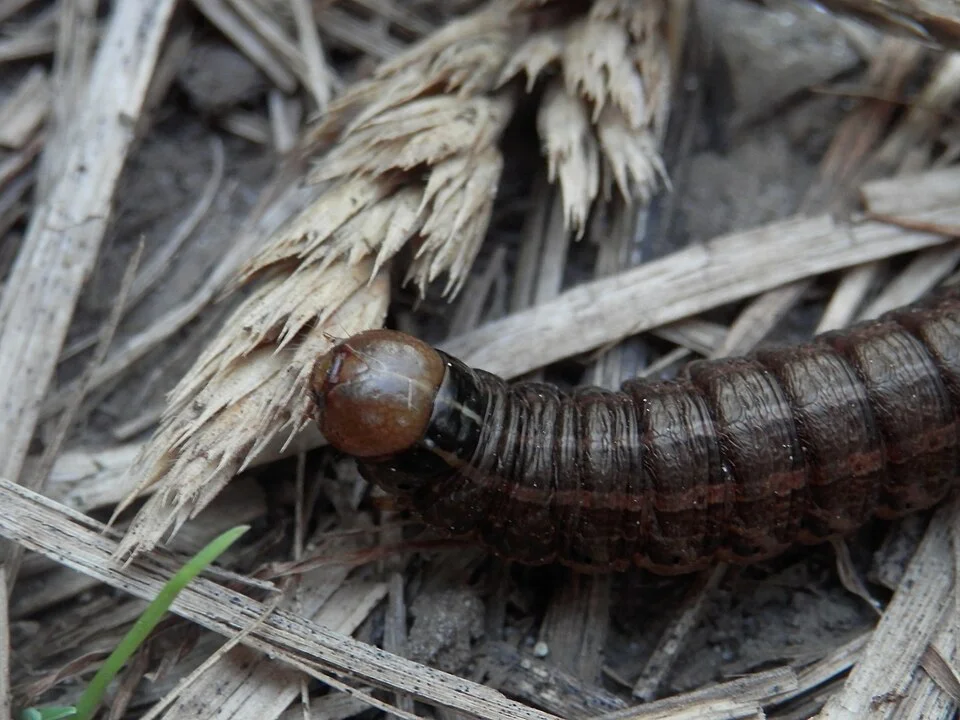
Ryan Hodnett · CC BY-SA 4.0 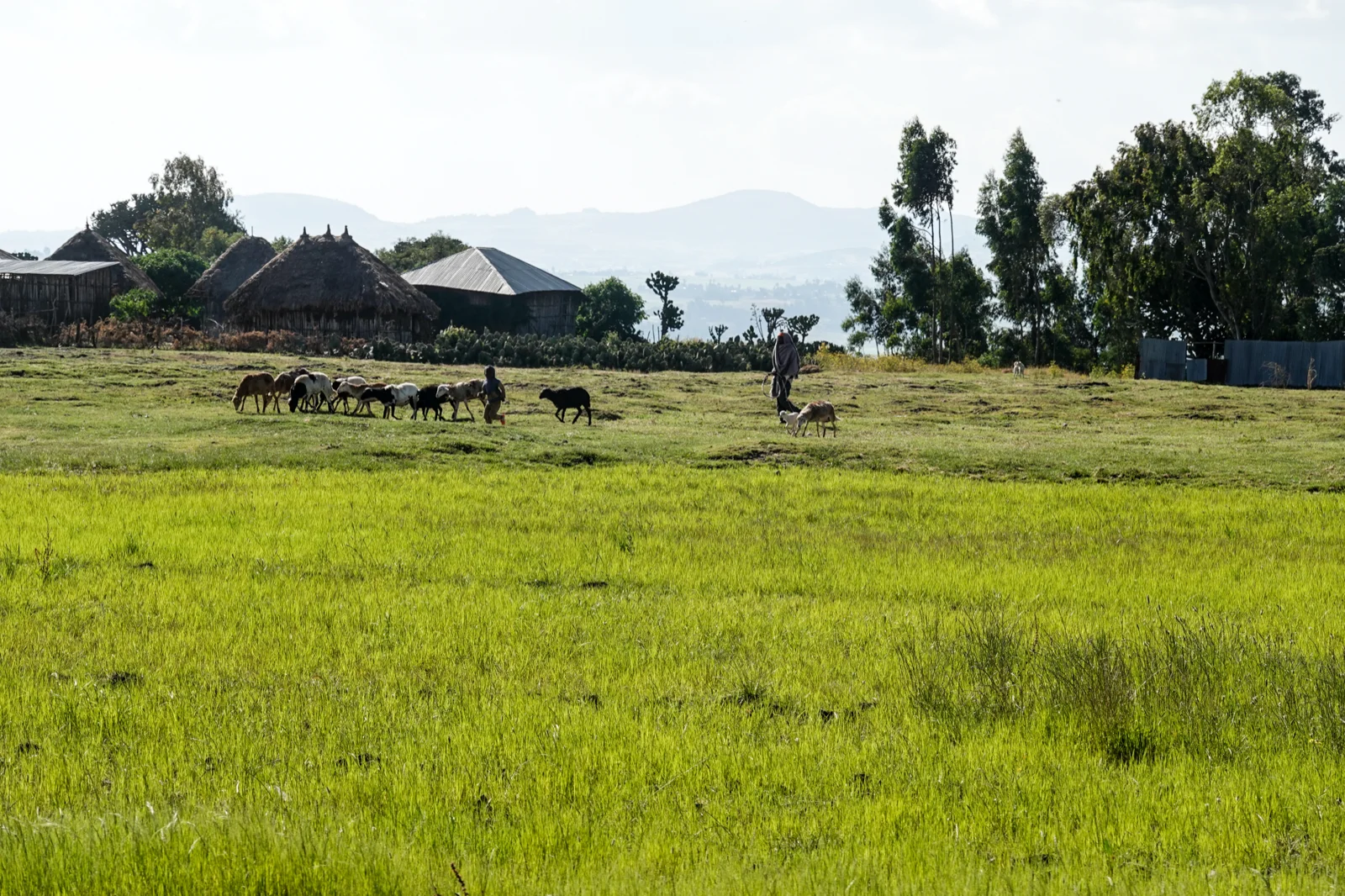
Timothy A. Gonsalves (User:Tagooty) · CC BY-SA 4.0
Why it matters
A bad outbreak of red teff worm can take up to half your teff crop (50%) — in just a few nights it can strip a young stand down to bare soil. Because the caterpillars feed at night and spend the day hidden at the plant base and in soil cracks, you usually see the ruined seedlings long before you ever set eyes on the worm — and by then there may already be many. Once a patch has been cleared there is little left to save, so the cheap, safe wins are to knock their numbers down before you sow and to catch those first cut seedlings early.
When to act
several reddish larvae per square metre or visible defoliation on young seedlings
This guidance is general, compiled from published agronomic references including FAO and CABI. Thresholds and timing shift with your crop, your variety and the season.
In much of the region a spray is simply called mushonga — medicine. But a chemical group you cannot name is one you cannot rotate, and a product you did not write down has no pre-harvest interval you can observe. Mushonga, and other farming words →
The full red teff worm field guide
Identify it
The damage shows first — and usually overnight
In the morning you find young teff seedlings cut clean through at or near the ground and toppled over on the soil, leaves chewed ragged and stripped back to the stalk, and bare, thinning patches spreading through the stand. Often there is no caterpillar in sight — it fed in the dark and has already crept back into hiding.
The caterpillar itself
by day, scratch gently in the soil at the base of a freshly-cut plant, or open a nearby crack in the ground, and you will find it curled up — a soft, smooth, reddish-brown caterpillar about the length of a matchstick (3–4 cm) when fully grown. Touch it and it curls into a tight C-shape and lies still. Look too for its small dark droppings (frass) scattered around the plant base.
Telling it apart from look-alikes
ordinary cutworms also topple seedlings at night, but they are a greasy grey-black, not reddish. African armyworm moves openly in daylight in dark, striped groups and eats leaves out in the open rather than hiding by day. The red teff worm is reddish, hides at the base or in soil cracks by day, and turns up on teff in the warm, wet spell after the rains.
Scout for it
When to look
start the day your teff seedlings first come up and keep it going right through early growth and into mid-season — the stages this worm hits hardest. Look hardest during the warm, wet spells just after the rains, when outbreaks build fastest.
How to look
because the worm feeds at night and hides by day, scout in the early morning or at dusk when the caterpillars are out, or hunt their daytime hiding places. Walk a big letter "W" across the field so you cover all four corners and the middle — not just the edge near the path — stopping about 10 times along the way.
At each stop, check one square metre
(about one big pace each way): look for freshly cut seedlings and stripped leaves, part the plants, and poke into soil cracks, under clods, and around the plant bases where the reddish caterpillars curl up. Count how many worms you turn up.
Act now if you find about 3 or more reddish caterpillars in a single square-metre patch
— or if young seedlings are already being cut and their leaves stripped, since tender teff cannot spare even a little. Fresh damage with worms still present means a live attack worth treating; old damage with none around is a past one — don't spray for that.
Control it
Prevent it — start in the soil, before you sow
Plough and harrow deeply to turn up the larvae (young caterpillars) and pupae (the resting stage between caterpillar and moth) hiding in the ground, so the sun, drying air and birds can finish them off. Sow at the recommended time for your area so your seedlings rush past the tenderest stage quickly, and keep the field and its edges clear of weeds and volunteer (self-sown) grasses, which shelter and feed the worm between crops.
Act early — by hand and with nature's help
Protect the birds, ground beetles and tiny parasitic wasps that hunt the worm, and stay away from broad poisons that would kill these helpers too. On a small plot, handpick: at dusk, or by lifting clods and opening the soil cracks around plant bases by day, gather the reddish caterpillars into a tin of soapy water or crush them underfoot. Done at the first sign, while numbers are still low, this alone often saves you a spray.
Spray only as a last resort — and reach for a pyrethroid
If your scouting passes the threshold and hand-picking is no longer holding it, use a registered pyrethroid. This is a contact insecticide — it kills the caterpillar when the spray actually lands on its body, not by being drawn up inside the plant the way a systemic one is — so timing and aim matter. Spray late in the day, at dusk, when the worms crawl out onto the surface and are exposed, and aim at the plant bases and the soil surface where they feed and shelter.
Every time you spray, protect yourself and the farm
Cover your skin, eyes, nose and mouth; spray in the cool of the day with the wind at your back so the mist blows away from you; and keep it off food, off drinking water, and away from children and bees. Wait out the full pre-harvest interval — the smallest number of days you must leave between your last spray and cutting the teff, so the poison fades to a safe level — and wash yourself and your clothes as soon as you finish. Each new time, rotate to a different chemical group so the survivors cannot build resistance (worms that live through one spray breeding on until it no longer kills).
If it keeps spreading — or a patch is already gone
First re-check that you are spraying at dusk when the worms are exposed, switch to a different chemical group, and ask your local extension officer or agro-dealer for the product recommended right now. Where a patch has already been stripped to bare soil, cut your losses: plough it under straight away to bury and kill the caterpillars there and stop them marching on into your healthy teff and your neighbours' fields — then re-sow after a clean, deep tillage if the season still gives you time.
Catch red teff worm before it costs you the harvest
This guide is the general answer. Divisi works out yours — the week to scout your own field for red teff worm, and what to do the day you find it.


Crops it affects
Plan the crops it attacks

All planting calendars, country by country
Get Insights by email
A short digest of new Divisi articles. No email on quiet weeks.
Frequently asked questions
How do I identify red teff worm?
The damage shows first — and usually overnight. In the morning you find young teff seedlings cut clean through at or near the ground and toppled over on the soil, leaves chewed ragged and stripped back to the stalk, and bare, thinning patches spreading through the stand. Often there is no caterpillar in sight — it fed in the dark and has already crept back into hiding.
When should I take action against red teff worm?
several reddish larvae per square metre or visible defoliation on young seedlings
How do I control red teff worm?
Prevent it — start in the soil, before you sow. Plough and harrow deeply to turn up the larvae (young caterpillars) and pupae (the resting stage between caterpillar and moth) hiding in the ground, so the sun, drying air and birds can finish them off. Sow at the recommended time for your area so your seedlings rush past the tenderest stage quickly, and keep the field and its edges clear of weeds and volunteer (self-sown) grasses, which shelter and feed the worm between crops.
Which crops are attacked by red teff worm?
Among the crops covered here: Teff.