 Divisi
Sesame gall midge
Asphondylia sesami · Insect
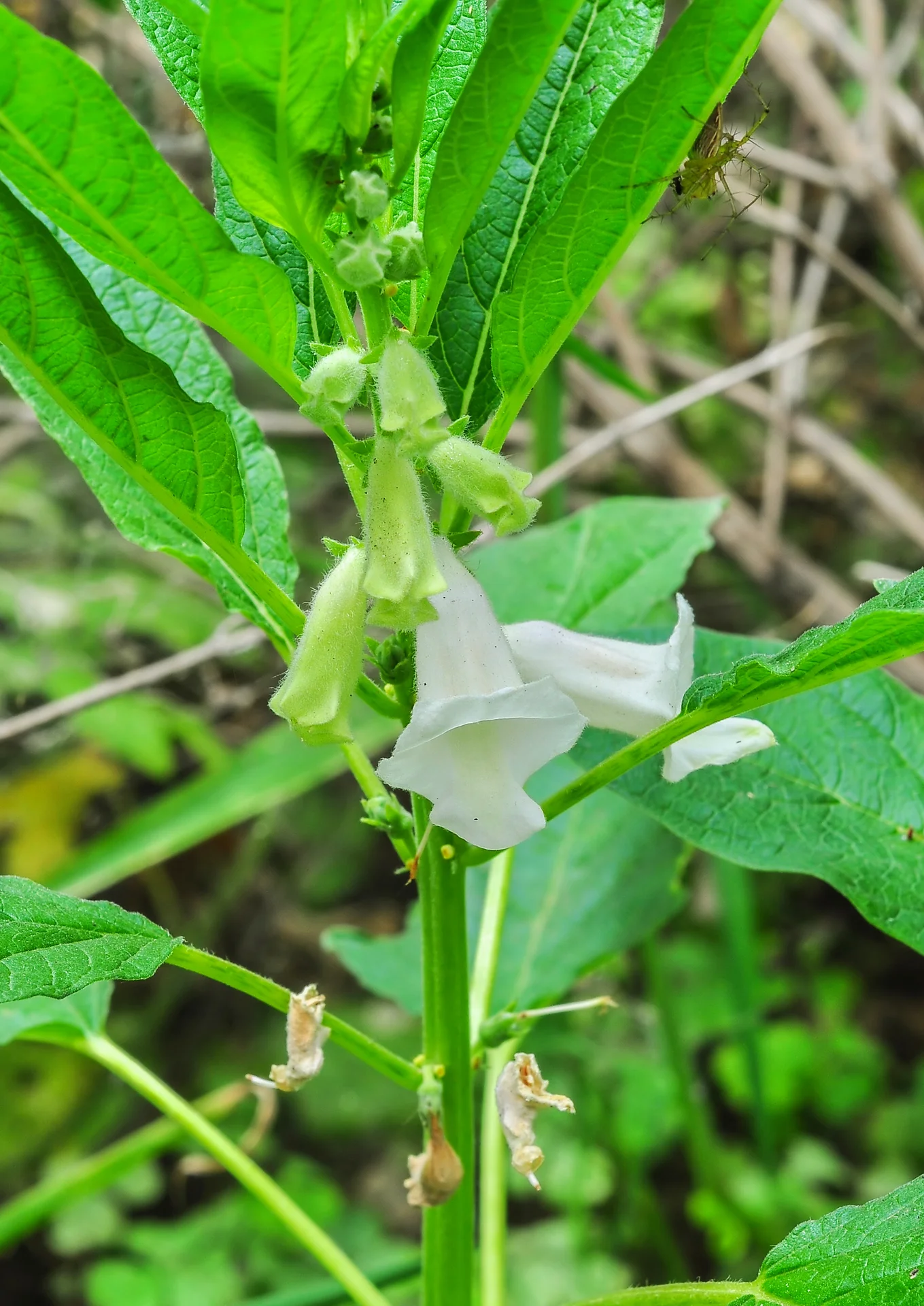
Photo: Joydeep · CC BY-SA 3.0
Sesame gall midge (Asphondylia sesami) is a tiny fly whose orange maggots grow sealed inside sesame flower buds and young capsules, forcing the tissue to swell into a hard, deformed gall (a swollen lump). It attacks only sesame, and only during flowering and capsule-fill in warm, humid weather — the exact moment the crop should be setting seed. Galled buds never open and galled capsules set little or no seed, so an attack can quietly erase a large share of the harvest before the crop is ever cut.
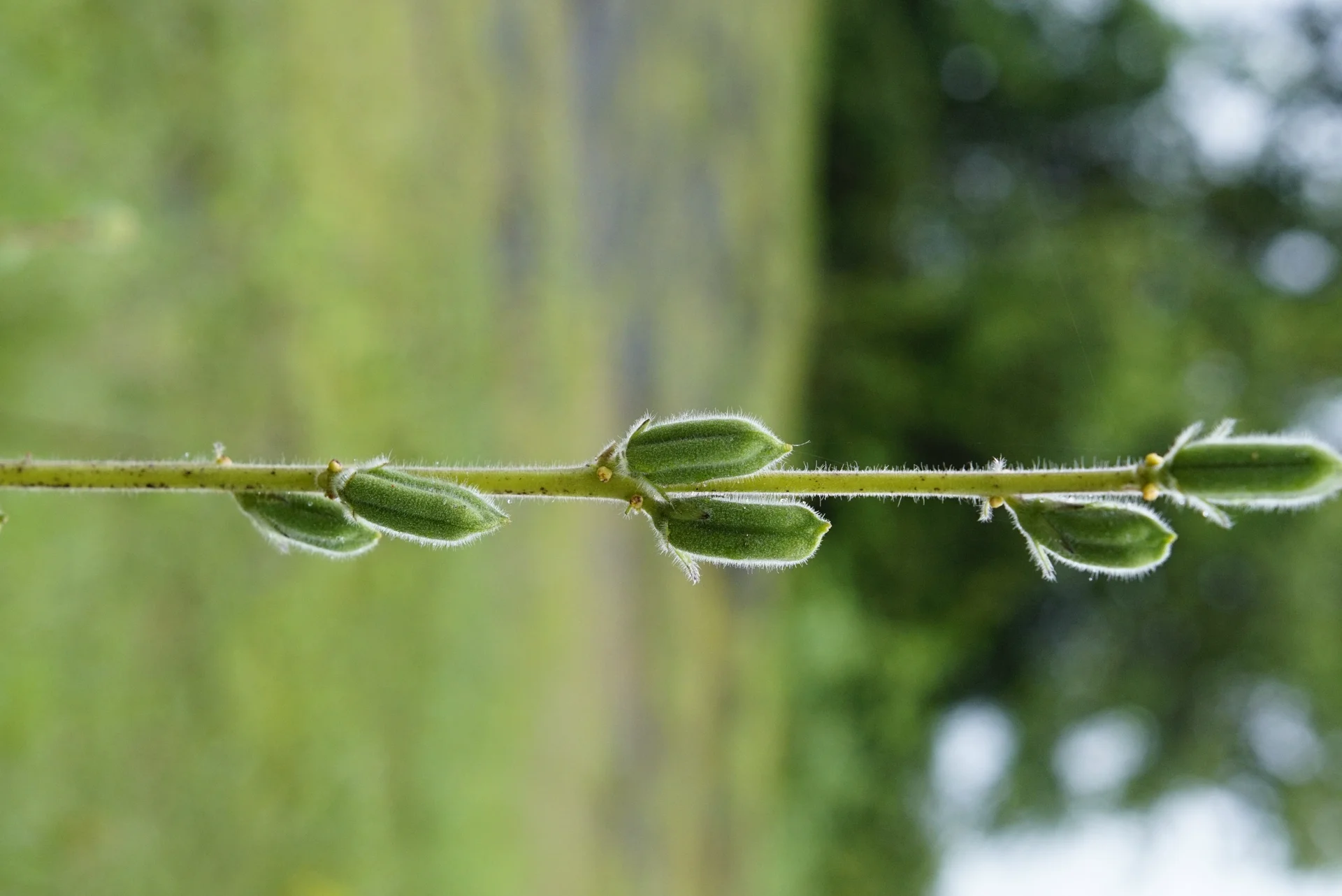
Vengolis · CC BY-SA 4.0
Why it matters
Sesame gall midge attacks the very part of the plant that makes your money — the flower buds and young capsules that should fill with seed. A bad attack can swell and kill up to half your capsules — about 50% of your harvest — and every galled bud or capsule is gone for good: it will never set seed, no matter what you do afterwards. It is hard to stop once it starts, because the maggot sits sealed inside the gall where ordinary sprays cannot reach it — so your only real defence is catching it early, at the very first galls, and stopping it from carrying over into next season.
When to act
galled, deformed flower buds or capsules appearing during flowering and capsule set
This guidance is general, compiled from published agronomic references including FAO and CABI. Thresholds and timing shift with your crop, your variety and the season.
In much of the region a spray is simply called mushonga — medicine. But a chemical group you cannot name is one you cannot rotate, and a product you did not write down has no pre-harvest interval you can observe. Mushonga, and other farming words →
The full Sesame gall midge field guide
Identify it
The damage you see first
where a normal slim bud or long, pointed capsule should be, you find a swollen, hard, rounded knob or lump — this is the gall. Galled flower buds stay shut and never open into a flower; galled capsules are stunted, twisted and empty, or hold only shrivelled seed. Many galled buds simply dry up and drop off the plant without ever setting seed.
The pest inside
split a swollen gall open with your thumbnail and you will find one or more tiny orange maggots — soft, legless grubs smaller than a grain of rice, with no clear head. The adult is a midge: a fragile little fly much smaller than a mosquito, grey to orange and easy to miss — so the galls and the orange maggots inside them are your real clue, not the fly itself.
Don't confuse it
with the sesame webworm (capsule borer) — that caterpillar webs leaves and capsules together, bores a hole into the capsule, and leaves dark droppings, and inside you find a legged caterpillar, not a maggot. The gall midge instead makes a closed, hard swelling with no hole and no webbing. Buds lost to heat or drought just drop off but are not swollen or hard, and phyllody disease turns flowers into little green leafy tufts — neither of those has an orange maggot inside.
Scout for it
When to look
start at the first open flowers and keep checking all the way through capsule-fill (the mid-to-late season) — this is exactly when the midge lays its eggs into buds and young capsules. Look hardest in warm, humid, still weather (around 22–32°C), when the midge is most active.
How to walk the field
twice a week, walk a big "W" so you cover all four corners and the middle, not just the edge nearest the path. Make about 5 stops, and at each stop check the buds, flowers and young capsules on 10 plants — 50 plants in all.
What to check on each plant
run your eye up the stem where the buds and young capsules sit in the leaf joints. Feel for buds that are swollen and hard instead of slim and soft, and for fat, deformed young capsules. Open one or two suspect ones with your thumbnail to confirm the orange maggots inside.
Your action number
there is no safe level with this pest — the very first galled, swollen bud or capsule is your trigger. The moment you find galls on even 1 in 10 plants during flowering or capsule-set, act now. Every gall is seed already lost and more midges on the way, so don't wait for the count to climb.
Control it
Prevent it first — beat the midge on timing (your strongest tool):
plant early and all at once with your neighbours so your crop flowers and sets its capsules before midge numbers build up to their peak. Avoid late or staggered planting — a long, drawn-out flowering window just gives the midge more time and more buds to attack.
Break the carry-over — rotate and clean up:
this midge lives on sesame and nothing else, so never sow sesame straight after sesame in the same field; rotate to a different crop and keep the new field well away from last year's to starve it out. After every harvest, uproot and burn or bury all sesame stalks, residues and self-sown "volunteer" plants, and keep the field weed-free — that leftover sesame is where the midge survives between seasons. Where you can get one, plant a tolerant variety.
Act early with nature on your side
tiny parasitic wasps — harmless little wasps that lay their own eggs into the midge maggots inside the galls and kill them — are your best in-season helper, so avoid harsh, broad sprays that wipe them out. As you scout, pick off and destroy every galled bud and capsule you find — drop them in a bag, then burn or bury them. Each one you remove is a batch of maggots that will never grow up to breed.
Only if galls keep coming, spray as a last resort
because the maggot is sealed inside the gall, an ordinary contact spray (one that only kills what it directly lands on) cannot reach it — you need a systemic insecticide (one the plant draws in and carries in its sap, so it reaches the hidden maggot). Spray at the very first galls in early flowering, before more larvae seal in and more capsules set. Safety: cover your skin, eyes, nose and mouth; spray in the cool of early morning or evening with the wind at your back; keep it off food, drinking water and children; spray in the evening once bees have stopped visiting the flowers (sesame flowers pull in bees); wait the full pre-harvest interval — the number of days the label tells you to leave between spraying and picking — before you harvest; and wash yourself and your clothes afterwards. Rotate to a different chemical group each time so the midge does not build up resistance (stop being killed by the same poison).
If it keeps spreading
don't keep pouring on the same chemical — switch to a different chemical group, tighten your field sanitation, and remember that any bud or capsule already galled will never recover. When a big share of the crop is already galled late in the season, spraying will not bring those capsules back — so cut your losses: harvest the healthy capsules, then immediately uproot and destroy every residue and volunteer plant so the midge cannot ride into next season, and next year plant early, rotate to another crop, and use a tolerant variety.
Catch Sesame gall midge before it costs you the harvest
This guide is the general answer. Divisi works out yours — the week to scout your own field for Sesame gall midge, and what to do the day you find it.


Crops it affects
Plan the crops it attacks

All planting calendars, country by country
Get Insights by email
A short digest of new Divisi articles. No email on quiet weeks.
Frequently asked questions
How do I identify Sesame gall midge?
The damage you see first. where a normal slim bud or long, pointed capsule should be, you find a swollen, hard, rounded knob or lump — this is the gall. Galled flower buds stay shut and never open into a flower; galled capsules are stunted, twisted and empty, or hold only shrivelled seed. Many galled buds simply dry up and drop off the plant without ever setting seed.
When should I take action against Sesame gall midge?
galled, deformed flower buds or capsules appearing during flowering and capsule set
How do I control Sesame gall midge?
Prevent it first — beat the midge on timing (your strongest tool):. plant early and all at once with your neighbours so your crop flowers and sets its capsules before midge numbers build up to their peak. Avoid late or staggered planting — a long, drawn-out flowering window just gives the midge more time and more buds to attack.
Which crops are attacked by Sesame gall midge?
Among the crops covered here: Sesame.