 Divisi
Yam beetle
Heteroligus meles · Insect
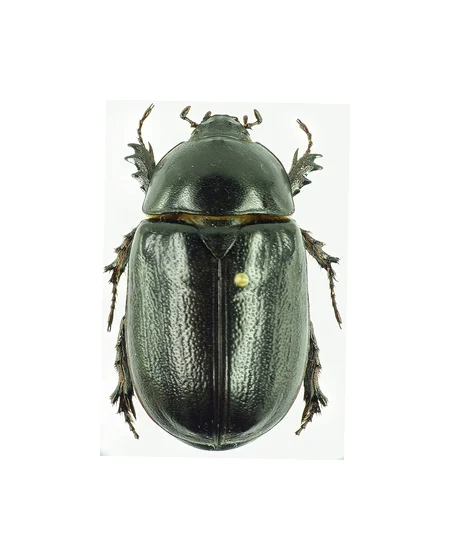
Photo: Noël Mal · CC BY-SA 4.0
The yam beetle (Heteroligus meles) is a big, hard-shelled brown-black beetle — a relative of the rhinoceros beetles — that lives and feeds in the soil. It is the adult beetle, not a grub, that does the harm: the beetles breed in swampy, waterlogged ground and fly out to yam fields with the rains, then burrow down and bore clean, round holes straight into your growing tubers. Because it hides in the soil by day and feeds at night, you rarely see the beetle itself — you see the holes when you dig.
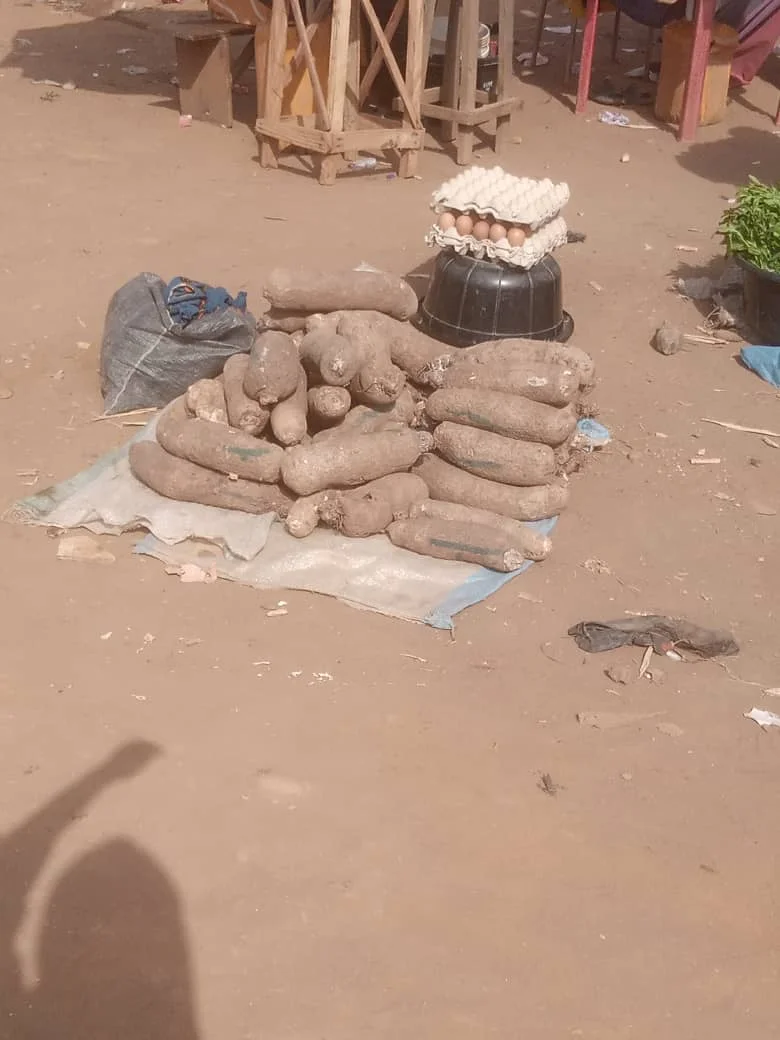
Airypedia · CC BY-SA 4.0 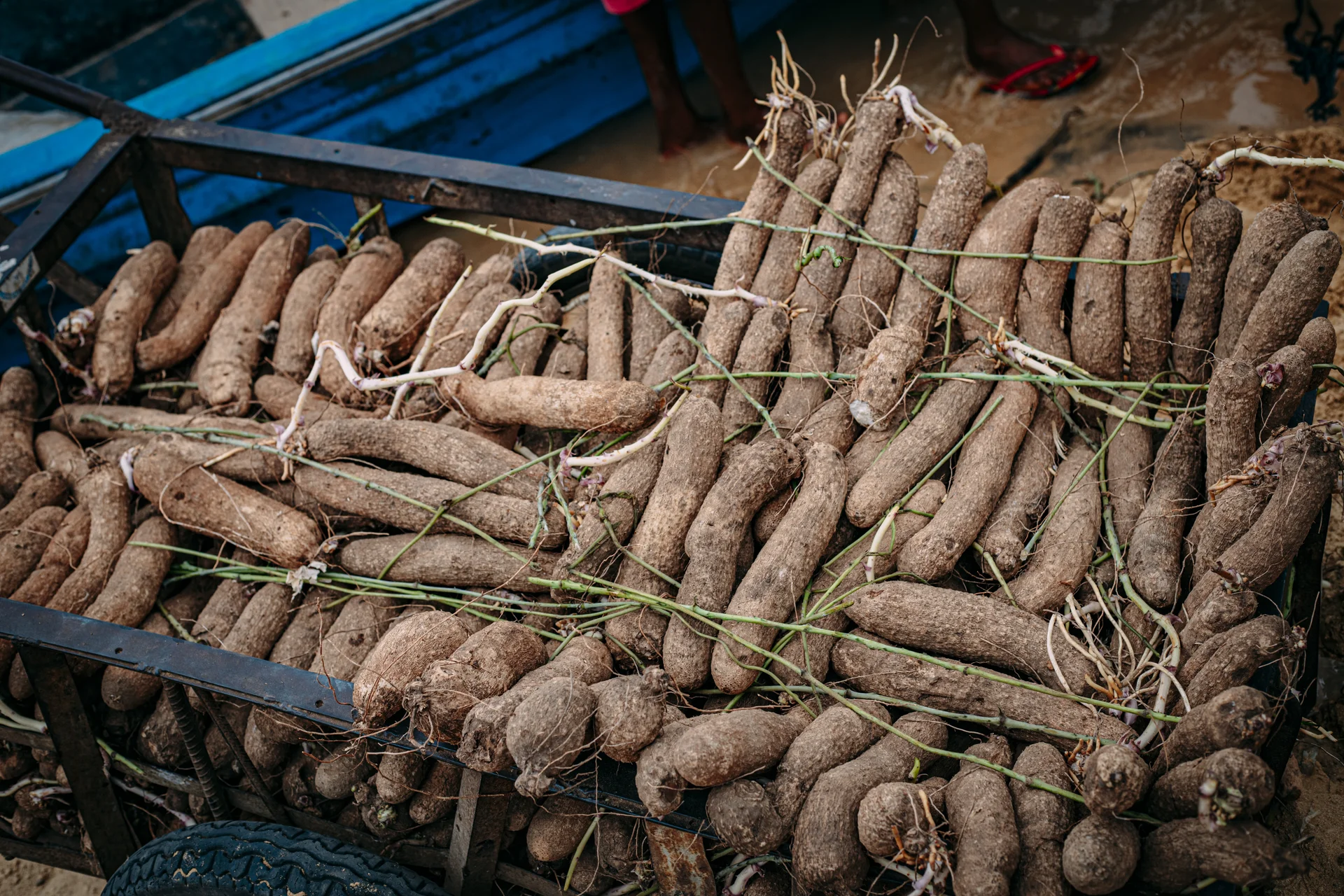
Sasu photography · CC BY-SA 4.0
Why it matters
The yam beetle attacks the one part of the plant you actually eat and sell — the tuber — so its damage goes straight to your income. A bad attack can spoil up to half your yams (50%), and even a few holes drop a tuber to a low market grade, make it rot quickly in storage, and ruin it as seed-yam for next year. It is hard to beat once it settles in, because the beetle works underground and inside the tuber, out of sight and out of reach of any leaf spray — you often don't know it is there until you dig up a holed tuber, and by then the damage is already done. Fields near swampy ground get re-invaded every season, so the problem keeps coming back year after year.
When to act
Fresh feeding holes on tubers found in cut-tests, or a history of yam beetle damage in the area; act during the main migration and feeding period.
This guidance is general, compiled from published agronomic references including FAO and CABI. Thresholds and timing shift with your crop, your variety and the season.
In much of the region a spray is simply called mushonga — medicine. But a chemical group you cannot name is one you cannot rotate, and a product you did not write down has no pre-harvest interval you can observe. Mushonga, and other farming words →
The full yam beetle field guide
Identify it
The damage you see first
clean, round holes about the width of a finger bored straight into the tuber, often with tunnels running deep into the flesh. Fresh holes are pale and moist inside; older ones turn brown and start to rot. A holed tuber can look fine from the top while it is eaten out below — you usually only find the damage when you dig or lift the tuber.
The beetle itself
a big, hard, shiny brown-black beetle about as long as your thumb-tip (2.5–3 cm), with strong, toothed front legs made for digging. It hides in the soil around the plant by day and feeds at night, so dig a hand's depth in the loose soil at the base of the plant to turn it up. Remember it is the adult beetle that bores the tubers — not a soft white grub.
Tell it apart from look-alikes
termites also hollow out yam tubers, but they pack their tunnels with soil and mud and coat the tuber with earthen sheeting — the beetle's holes are clean and open. Fat, curled, white C-shaped grubs in the soil are chafer/white-grub larvae, a different pest. Rats and grasscutters leave rough tooth-marks gnawed from the outside, while the yam beetle bores neat round holes inward.
Scout for it
When to look
start once the tubers begin to form and bulk (from roughly a couple of months after planting, through mid-season) and keep checking right up to harvest — the longer mature tubers sit in warm, moist soil, the more the beetles bore. Look hardest just after the first heavy rains, when the beetles migrate in from swampy ground (migration = the beetles flying in from their breeding grounds to feed).
How to walk the field
cross the field in a big “W” shape so you check all four corners and the middle, not just the edge by the path. Make about 10 stops along the way.
What to check at each stop
with your hand or a hoe, gently scrape the soil off the top (shoulder) of the tuber and look for fresh bore-holes, then dig a hand's depth in the loose soil around the plant to turn up the beetles themselves. Slice open (cut-test) one or two suspect tubers to see how deep the tunnels run — a cut-test just means cutting a sample tuber open to inspect it inside.
When to act (the number)
because a single beetle can ruin a whole tuber, the threshold is low — if even 1 in 10 tubers you check has a fresh hole, act now. And if your field (or a neighbour's) had beetle damage last season, or you sit next to swampy ground, act at planting without waiting to see holes — by the time the holes show, the tuber is already spoiled.
Control it
Prevent
-
plant early:
get your yams in early, before the main beetle migration and feeding period, so the crop is well established and you can lift it before beetle numbers peak. Early planting is one of your strongest defences against this pest.
-
choose the field well:
keep yam away from swampy, waterlogged ground, rivers and marshes — that is where the beetles breed and fly out from, so the further your field sits from that breeding ground, the fewer beetles reach it. And don't grow yam on the same land year after year: rotate the field to another crop for a season or two so the local beetle numbers drop (rotate = change what you plant on that piece of land).
-
harvest promptly:
lift your tubers as soon as they are mature. Every extra week a ripe tuber sits in warm, moist soil is more feeding time and more holes, so a late harvest is a beetle feast — don't leave a good crop waiting in the ground.
Act early — handpick and destroy:
every time you turn the soil — at land preparation and again at harvest — pick out the big beetles by hand and kill them (crush them, or drop them in a tin of water and ash); don't just toss them to the field edge. Gather and destroy holed and leftover tubers and any self-sown yams after harvest, so the beetles have nothing left to feed on.
Last resort — soil insecticide:
only where beetle pressure is high (a history of damage, or a field beside a swamp) should you reach for chemicals. Dip the setts in a soil-insecticide solution before planting, or work a soil insecticide into the planting hole or mound. (Setts = the cut pieces of seed-yam you plant.) This is a soil treatment, not a leaf spray, because the beetle lives and feeds in the soil.
Handle the chemical safely
a soil insecticide is a poison. Cover your skin, eyes, nose and mouth, wear gloves to dip setts, and work in the cool of the day with the wind behind you. Keep it well away from food, drinking water, children, animals and bees — never dip setts in a cooking bowl. Wash yourself, your clothes and your containers afterwards, away from the well or stream. And respect the pre-harvest interval — the number of days the product label says you must wait between treating and harvesting or eating the crop.
Don't lean on the chemical alone
using the same insecticide season after season lets the beetles build resistance (resistance = the poison slowly stops killing them). Rotate to a different chemical group between seasons, and keep up the early planting, careful field choice and handpicking so the chemical is only ever a back-up, not your main plan.
If it keeps spreading
treat that field as high-pressure — next season plant early, move your yam away from the swampy ground, dip the setts, and rest the land out of yam for a season or two to starve the beetle population down before you plant yam there again.
When it's too late this season
if the tubers are already badly holed, harvest now rather than leaving them to be bored further. Sort out the holed tubers and use or sell the lightly-damaged ones quickly — they rot fast in store — and never keep a holed tuber as seed-yam, or you carry the beetle and the rot straight into next year's crop.
Catch yam beetle before it costs you the harvest
This guide is the general answer. Divisi works out yours — the week to scout your own field for yam beetle, and what to do the day you find it.


Crops it affects
Plan the crops it attacks

All planting calendars, country by country
Get Insights by email
A short digest of new Divisi articles. No email on quiet weeks.
Frequently asked questions
How do I identify yam beetle?
The damage you see first. clean, round holes about the width of a finger bored straight into the tuber, often with tunnels running deep into the flesh. Fresh holes are pale and moist inside; older ones turn brown and start to rot. A holed tuber can look fine from the top while it is eaten out below — you usually only find the damage when you dig or lift the tuber.
When should I take action against yam beetle?
Fresh feeding holes on tubers found in cut-tests, or a history of yam beetle damage in the area; act during the main migration and feeding period.
How do I control yam beetle?
Prevent — plant early:. get your yams in early, before the main beetle migration and feeding period, so the crop is well established and you can lift it before beetle numbers peak. Early planting is one of your strongest defences against this pest.
Which crops are attacked by yam beetle?
Among the crops covered here: Yam.