 Divisi
What grows in Ise/Orun
Ekiti, Nigeria

The 2026 season in Ise/Orun
| Rainy seasons | One each year — one chance to plant, so timing carries it |
|---|---|
| When the rains are expected | March 2026 to November 2026 |
| Rain in a typical year | About 1,337 mm |
| This season's rain | Leaning dry — September looks short of rain. Plant at the early end of the window, favour quicker and more drought-tolerant crops, and keep moisture in the soil: mulch, and weed early. |
| This season's heat | Hotter than usual — about +0.8 °C over the growing months. Heat makes the same rain do less, so a dry spell bites sooner: do not plant late, and shade or mulch what you can. |
| What that supports | enough rain for a long crop, or two in a year, warm all year, so nothing but rain ends the season |
| Ground this covers | 4 kinds of ground. The season below is the largest that farms — about 75% of this area. |
| 75% | enough rain for a long crop, or two in a year; warm all year, so nothing but rain ends the season 273 growing days · about 1,360 mm · March to November |
|---|---|
| 12% | enough rain for a long crop, or two in a year; warm all year, so nothing but rain ends the season 276 growing days · about 1,410 mm · February to November |
| 6% | enough rain for one full main crop; warm all year, so nothing but rain ends the season 268 growing days · about 1,320 mm · March to November |
| 6% | enough rain for one full main crop; warm all year, so nothing but rain ends the season 268 growing days · about 1,320 mm · March to November |
last updated 16 September 2026
What grows in Ise/Orun
75% lowland, humid, warm — 64 crops
-
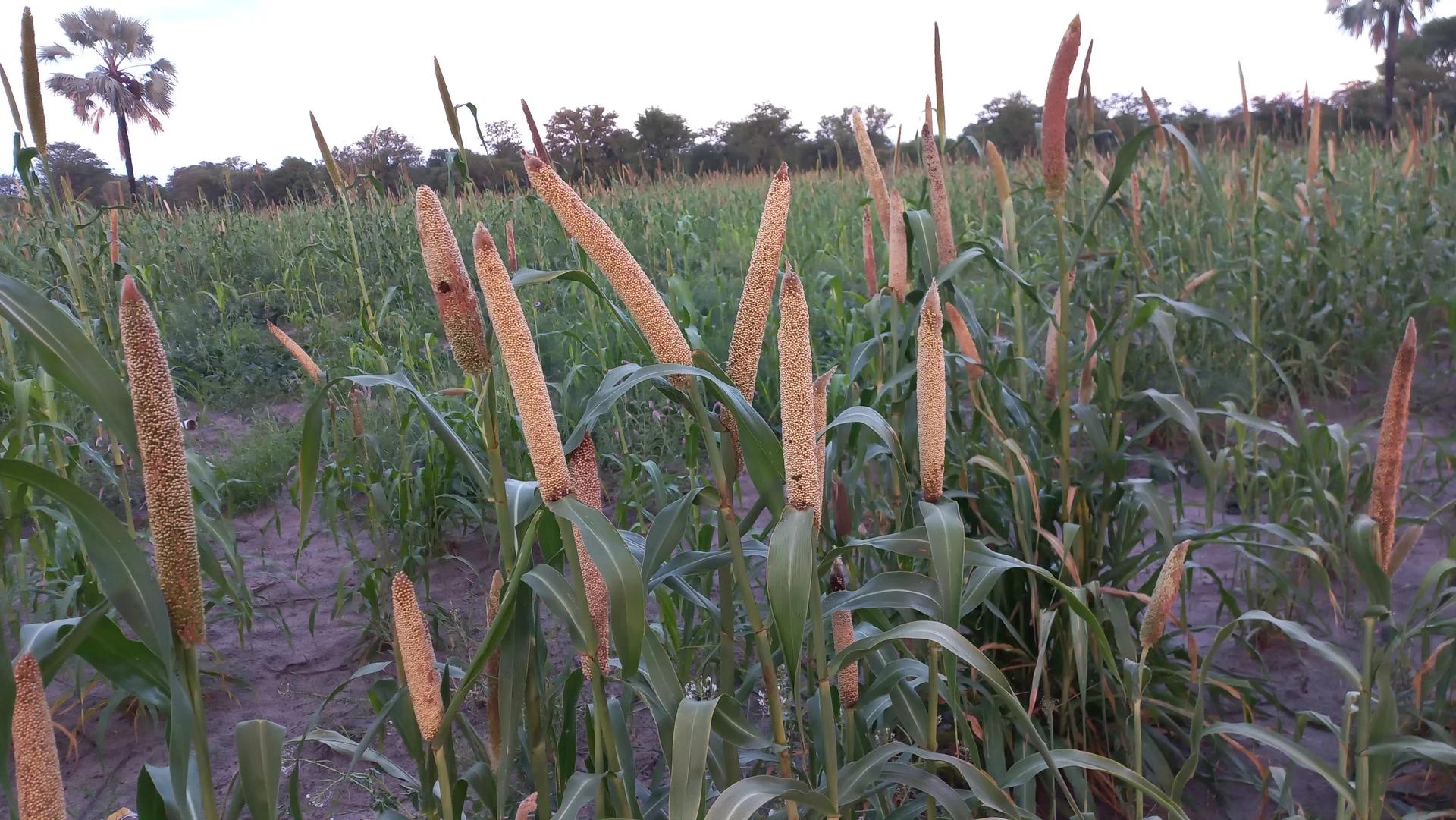 Pearl milletFavourable
Plant 2 Mar 2026 – 26 Sep 2026 closed for this season
matched to this season's forecast
about 2.4 t/ha expected
Irrigated: plant 21 Jan 2026 – 1 Jan 2027 · about 3.3 t/ha
Pest/disease risk — manageableEarly-maturing — escapes late drought -
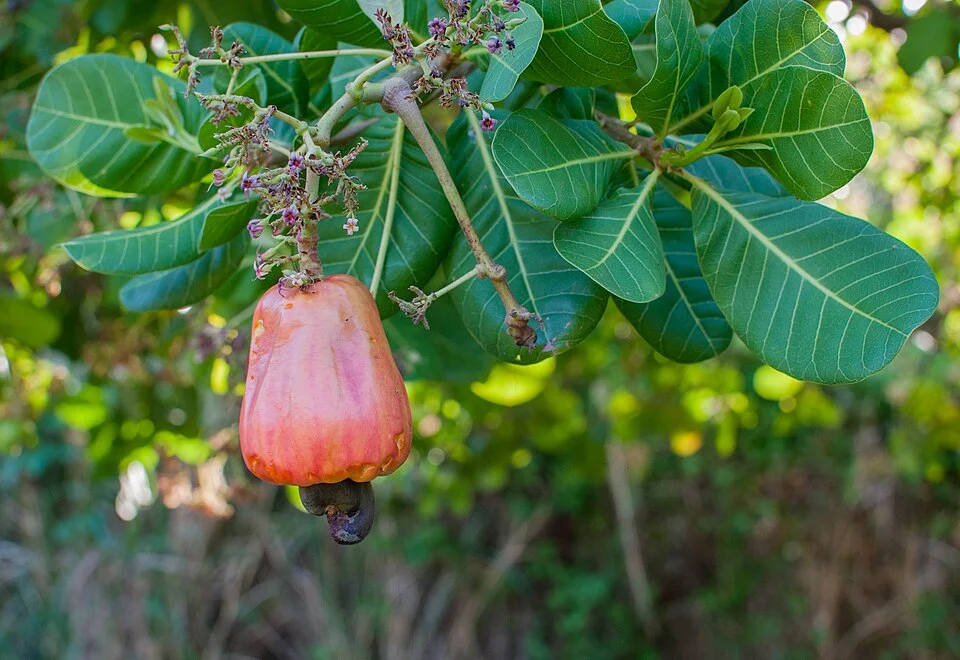 CashewFavourable
Plant 3 Mar 2026 – 13 Oct 2026 open now
matched to this season's forecast
about 1.5 t/ha expected
Irrigated: plant 21 Jan 2026 – 1 Jan 2027 · about 2.0 t/ha
Pest/disease risk — manageable -
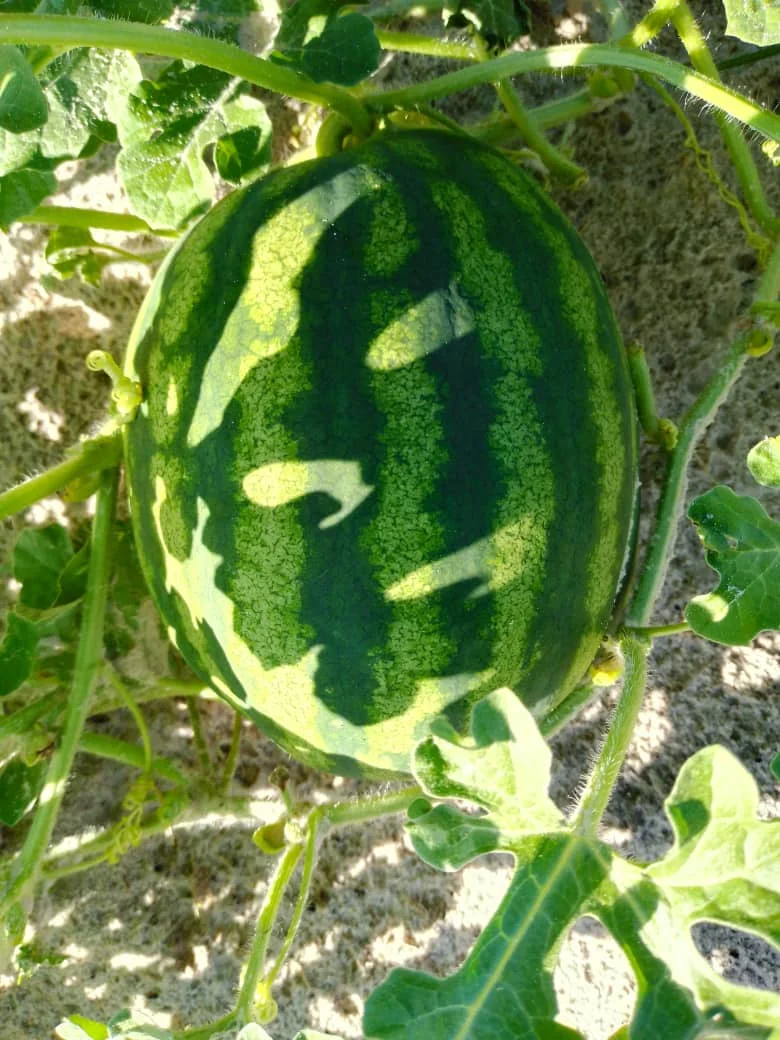 WatermelonFavourable
Plant 12 Mar 2026 – 23 Sep 2026 closed for this season
matched to this season's forecast
about 32.4 t/ha expected
Irrigated: plant 21 Jan 2026 – 1 Jan 2027 · about 43.9 t/ha
Pest/disease risk — manageableSoil pH below the crop's optimumEarly-maturing — escapes late drought -
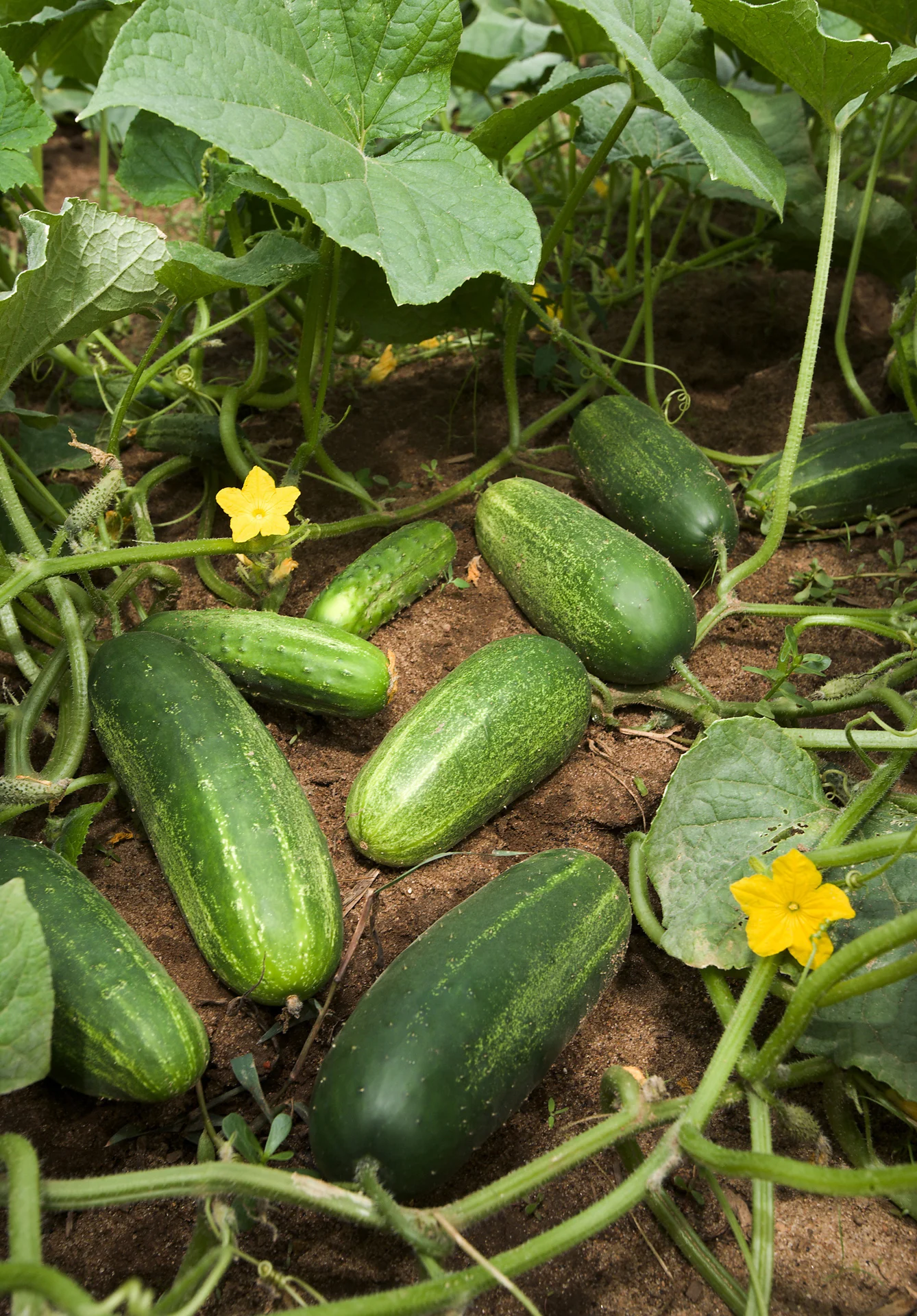 CucumberFavourable
Plant 3 Apr 2026 – 15 Oct 2026 open now
matched to this season's forecast
about 21.9 t/ha expected
Irrigated: plant 11 Apr 2026 – 1 Jan 2027 · about 35.1 t/ha
Pest/disease risk — manageableSoil pH below the crop's optimumEarly-maturing — escapes late drought -
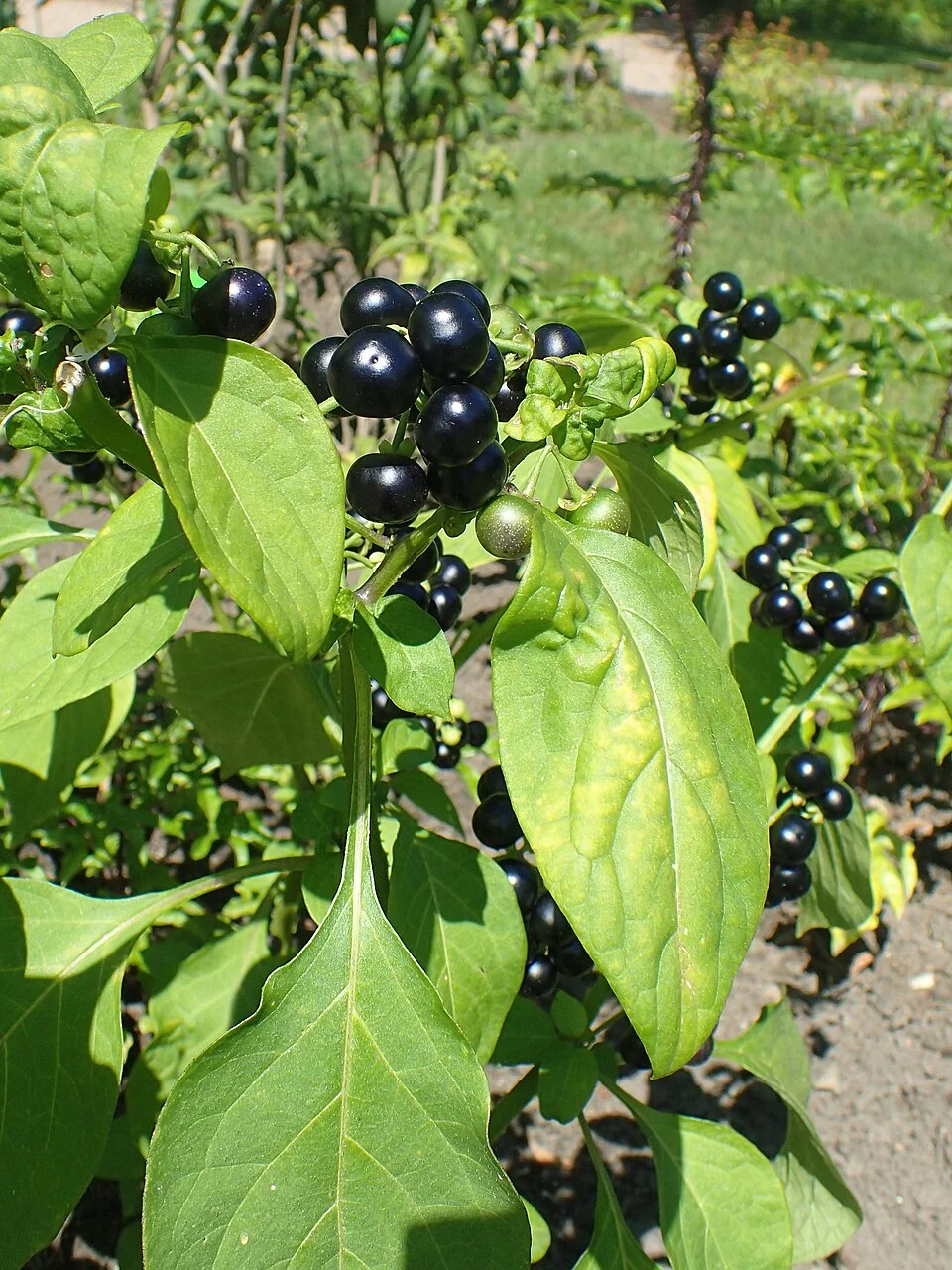 African nightshadeFavourable
Plant 25 Mar 2026 – 23 Sep 2026 closed for this season
matched to this season's forecast
about 16.7 t/ha expected
Irrigated: plant 21 Jan 2026 – 1 Jan 2027 · about 21.9 t/ha
Pest/disease risk — manageableSoil pH below the crop's optimumEarly-maturing — escapes late drought -
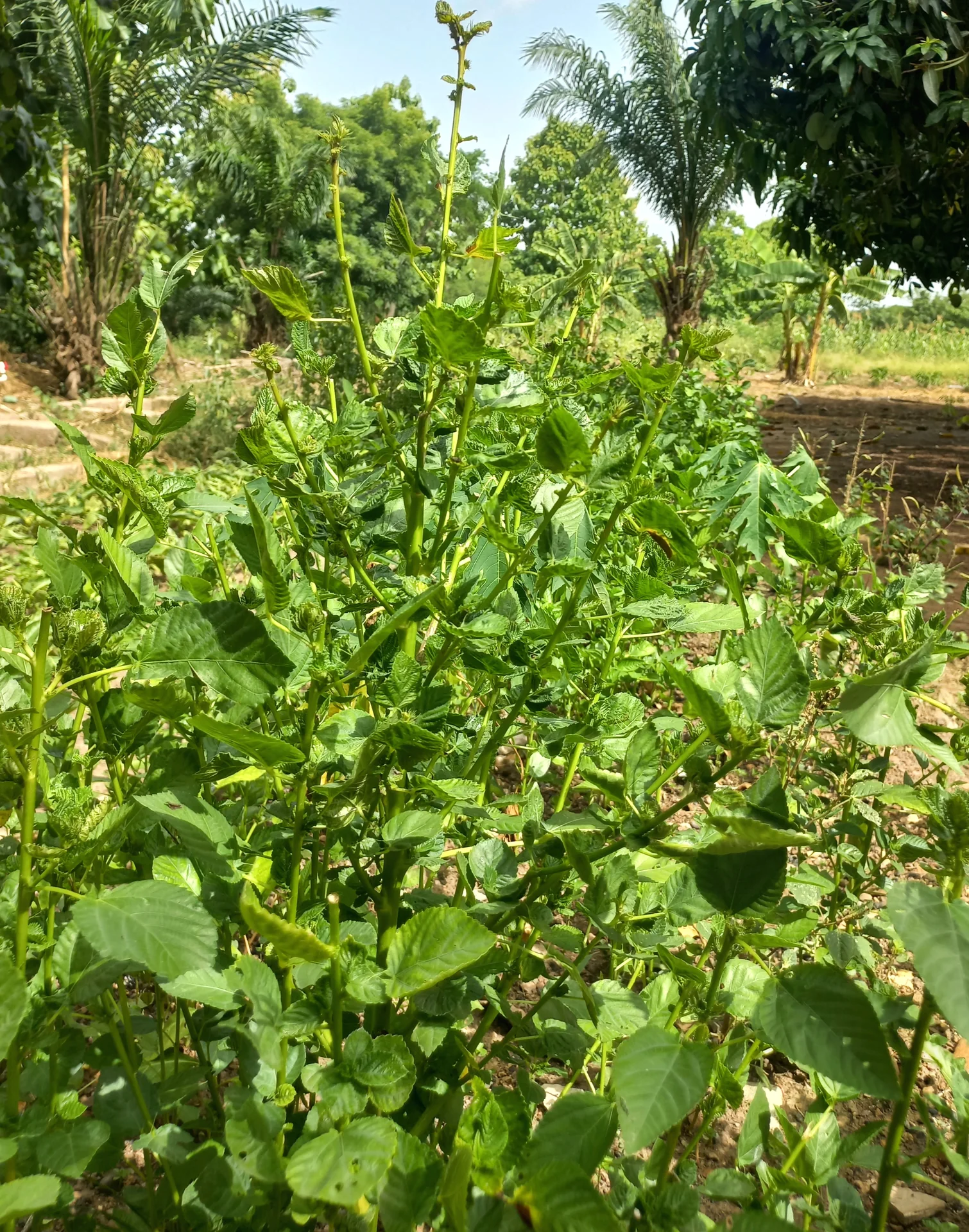 Jute mallowFavourable
Plant 19 Mar 2026 – 30 Sep 2026 open now
matched to this season's forecast
about 8.8 t/ha expected
Irrigated: plant 21 Jan 2026 – 1 Jan 2027 · about 13.2 t/ha
Pest/disease risk — manageableEarly-maturing — escapes late drought -
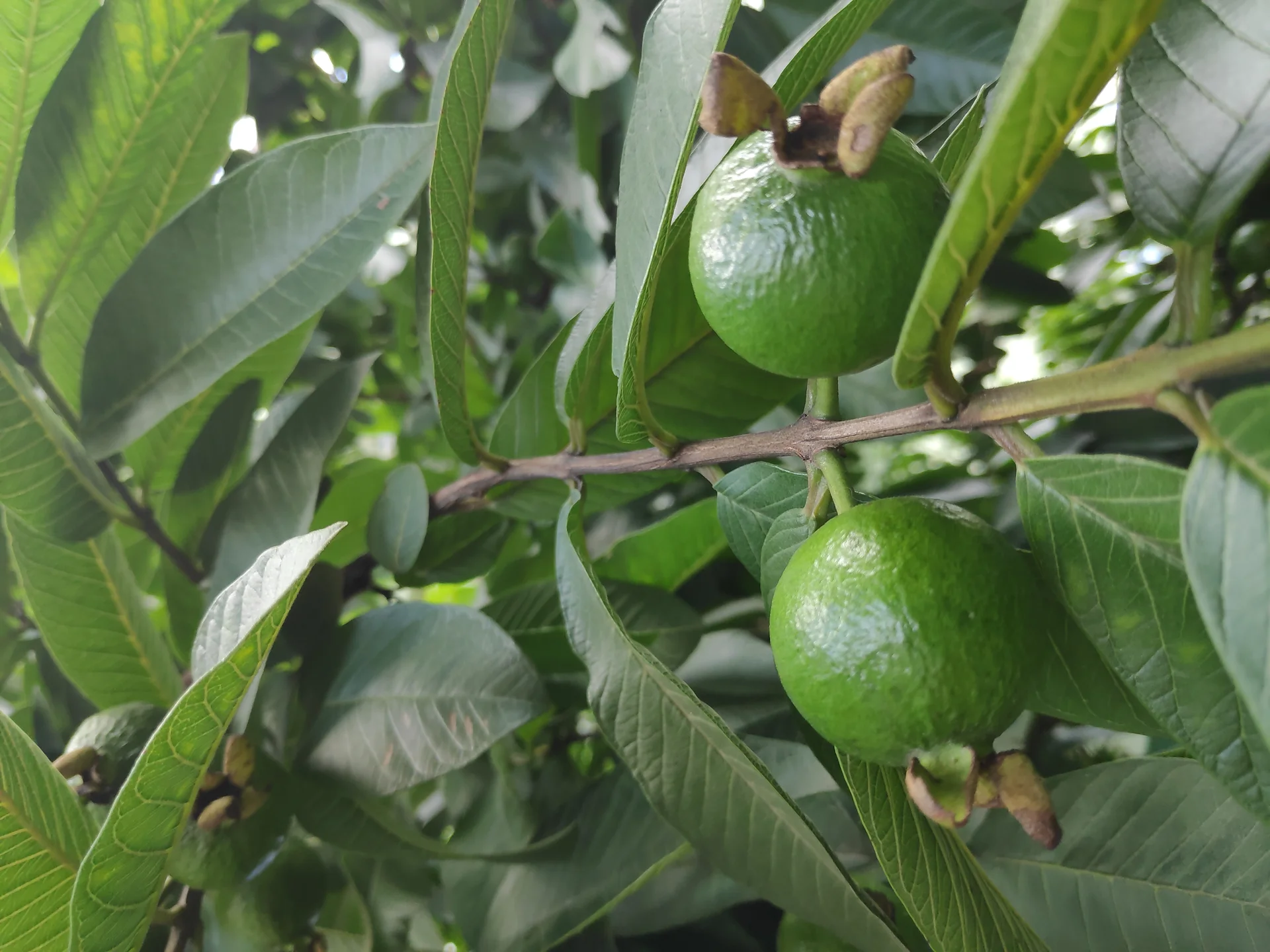 GuavaFavourable
Plant 28 Feb 2027 – 23 Aug 2027 opens in 22 weeks
matched to this season's forecast
about 25.0 t/ha expected
Irrigated: plant 21 Jan 2026 – 1 Jan 2027 · about 35.0 t/ha
Pest/disease risk — manageable -
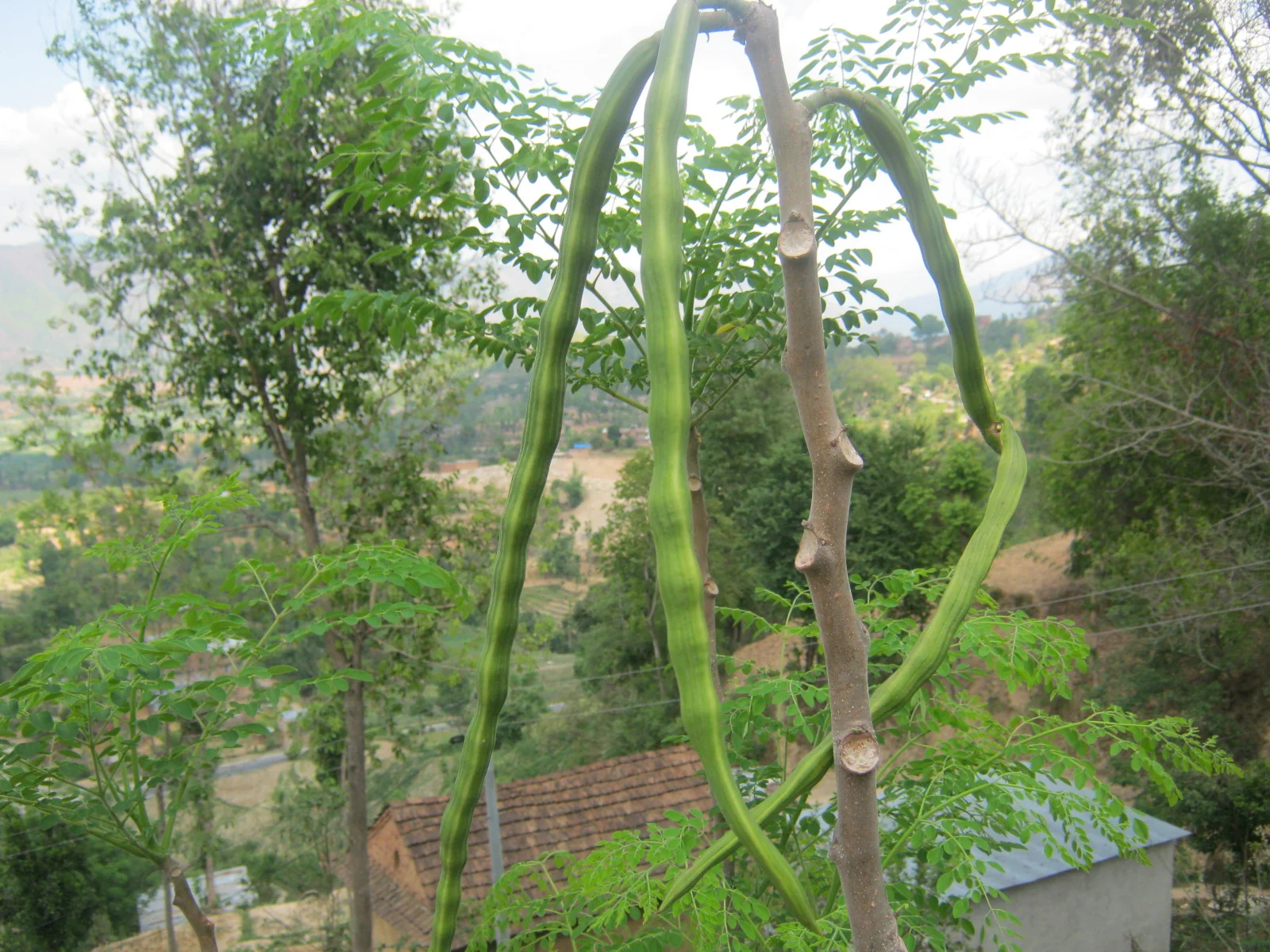 MoringaFavourable
Plant 2 Apr 2027 – 21 Jul 2027 opens in 26 weeks
matched to this season's forecast
about 20.0 t/ha expected
Irrigated: plant 21 Jan 2026 – 1 Jan 2027 · about 35.0 t/ha
Pest/disease risk — manageableSoil pH below the crop's optimum -
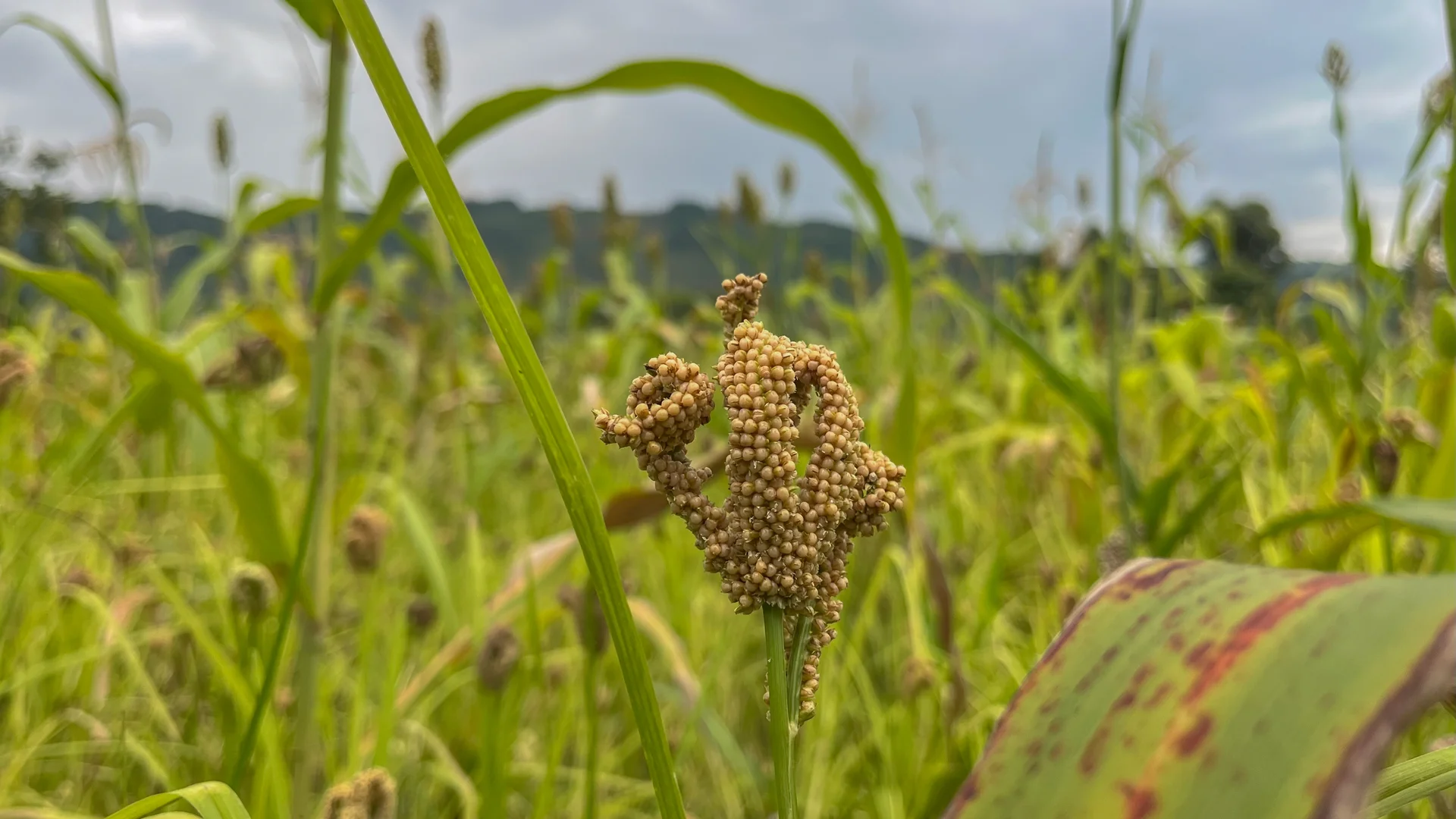 Finger milletFavourable
Plant 17 Feb 2027 – 16 Aug 2027 opens in 20 weeks
matched to this season's forecast
about 2.8 t/ha expected
Irrigated: plant 10 Feb 2026 – 7 Dec 2026
Pest/disease risk — manageableSoil pH below the crop's optimumEarly-maturing — escapes late drought -
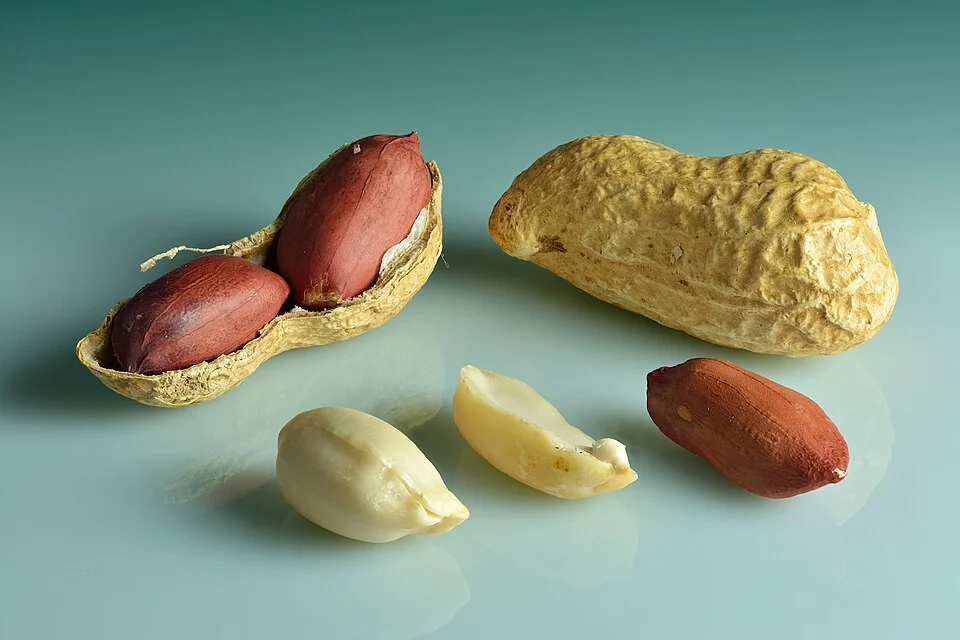 GroundnutFavourable
Plant 28 Feb 2027 – 1 Aug 2027 opens in 22 weeks
matched to this season's forecast
about 2.8 t/ha expected
Irrigated: plant 21 Jan 2026 – 1 Jan 2027 · about 3.8 t/ha
Pest/disease risk — manageableSoil pH below the crop's optimumEarly-maturing — escapes late drought -
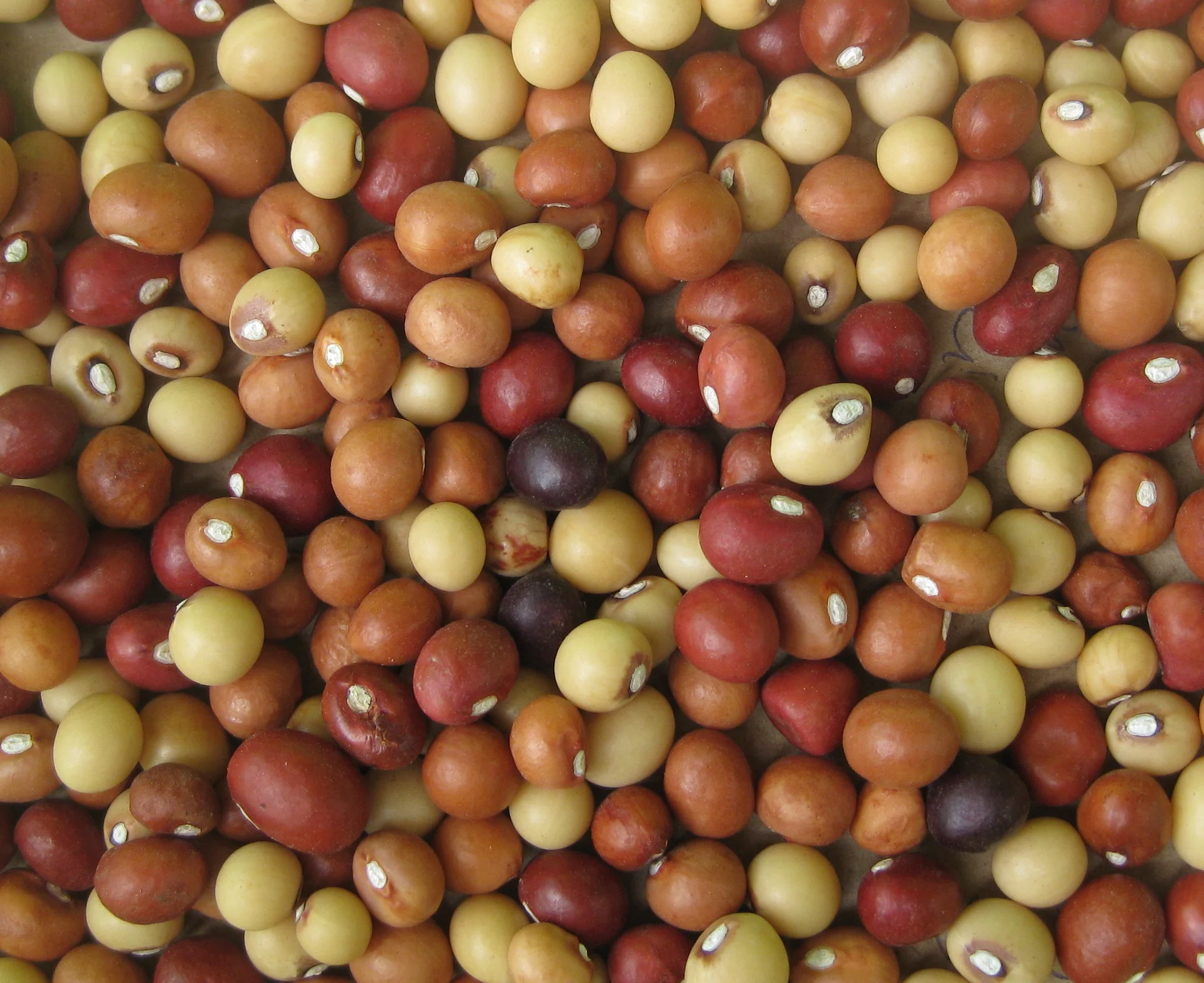 Bambara groundnutFavourable
Plant 11 Mar 2027 – 12 Aug 2027 opens in 23 weeks
matched to this season's forecast
about 1.9 t/ha expected
Irrigated: plant 21 Jan 2026 – 1 Jan 2027
Pest/disease risk — manageable -
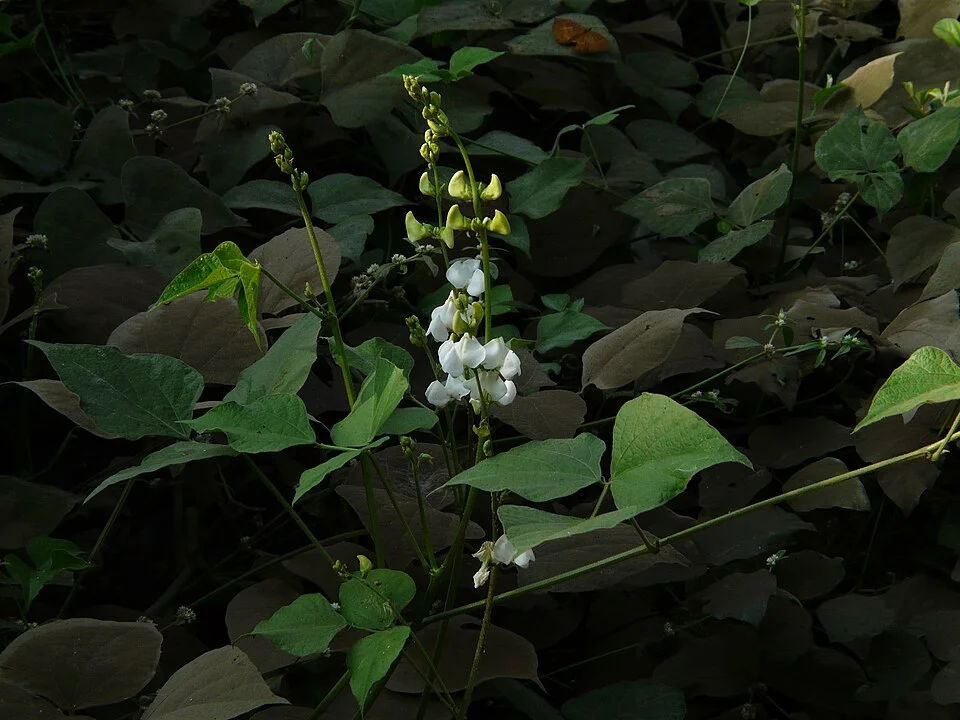 LablabFavourable
Plant 28 Feb 2027 – 23 Aug 2027 opens in 22 weeks
matched to this season's forecast
about 1.9 t/ha expected
Irrigated: plant 21 Jan 2026 – 1 Jan 2027
Pest/disease risk — manageable -
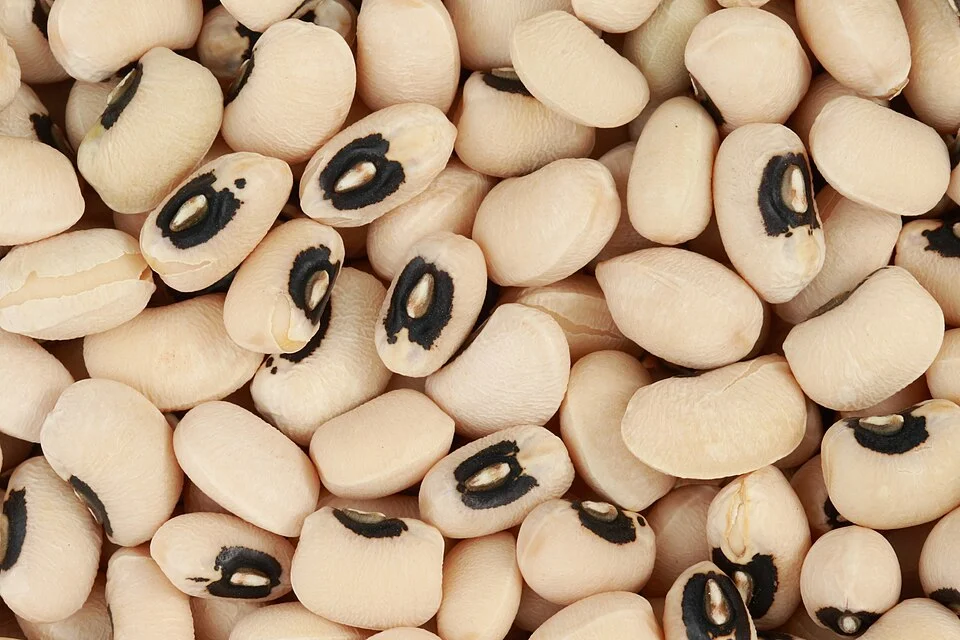 CowpeaFavourable
Plant 28 Mar 2027 – 13 Sep 2027 opens in 26 weeks
matched to this season's forecast
about 1.7 t/ha expected
Irrigated: plant 21 Jan 2026 – 1 Jan 2027 · about 2.4 t/ha
Pest/disease risk — manageableEarly-maturing — escapes late drought -
 FonioFavourable
Plant 2 Mar 2027 – 18 Aug 2027 opens in 22 weeks
matched to this season's forecast
about 1.4 t/ha expected
Irrigated: plant 21 Jan 2026 – 1 Jan 2027
Pest/disease risk — manageableEarly-maturing — escapes late drought -
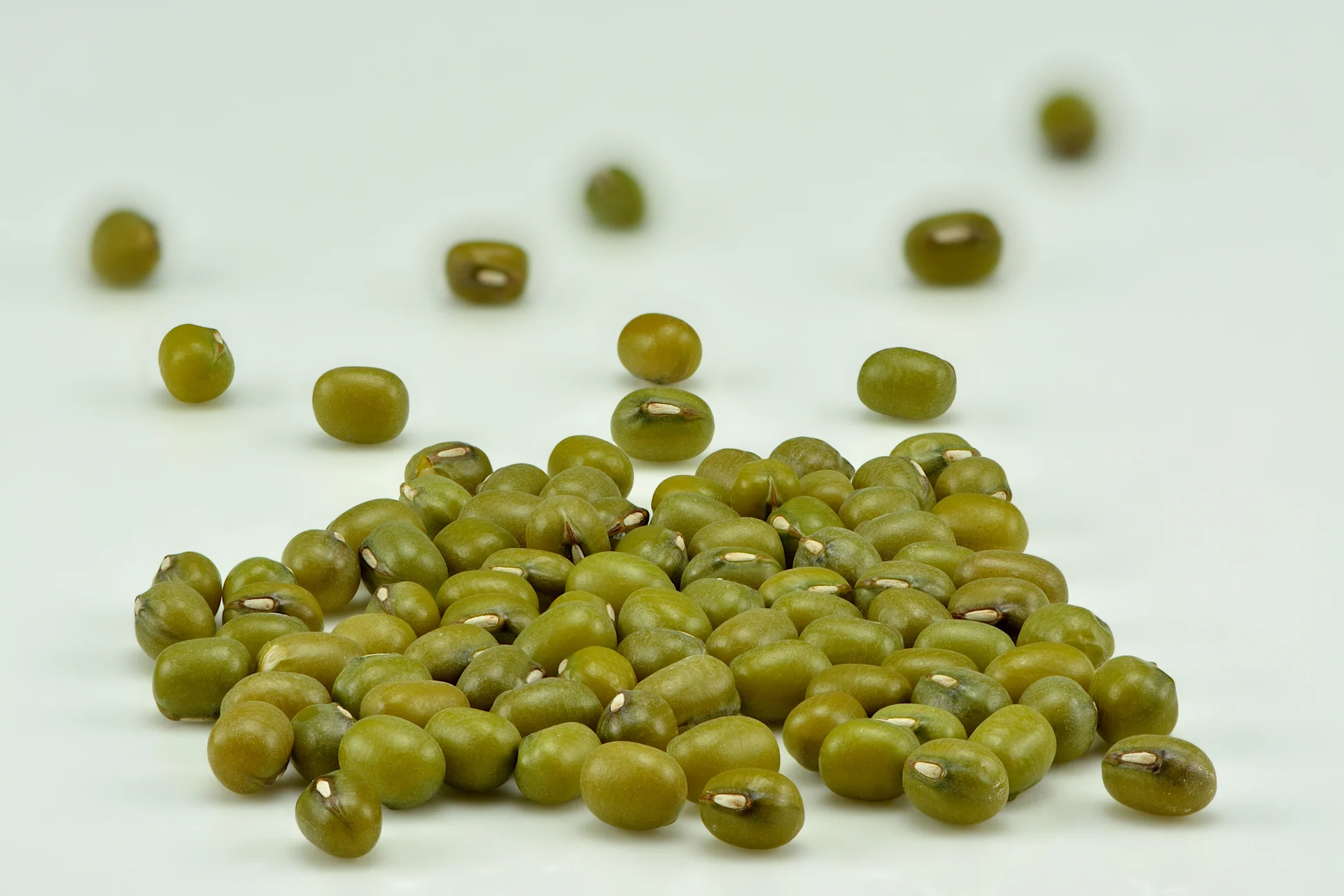 Green gramFavourable
Plant 17 Mar 2027 – 15 Sep 2027 opens in 24 weeks
matched to this season's forecast
about 1.4 t/ha expected
Irrigated: plant 21 Jan 2026 – 1 Jan 2027 · about 1.9 t/ha
Pest/disease risk — manageableSoil pH below the crop's optimumEarly-maturing — escapes late drought -
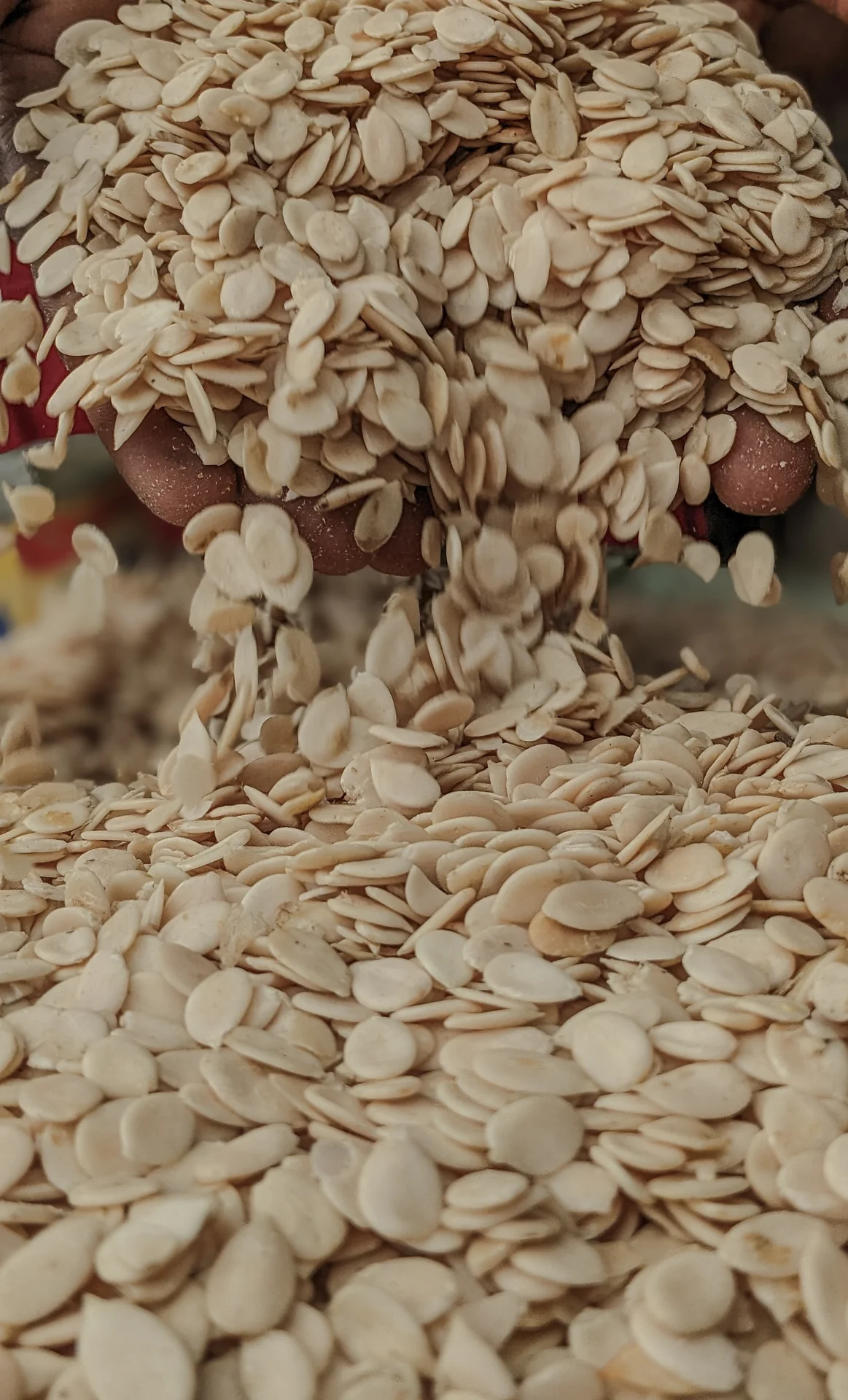 Egusi melonFavourable
Plant 28 Feb 2027 – 23 Aug 2027 opens in 22 weeks
matched to this season's forecast
about 1.1 t/ha expected
Irrigated: plant 21 Jan 2026 – 1 Jan 2027
Pest/disease risk — manageableSoil pH below the crop's optimumEarly-maturing — escapes late drought -
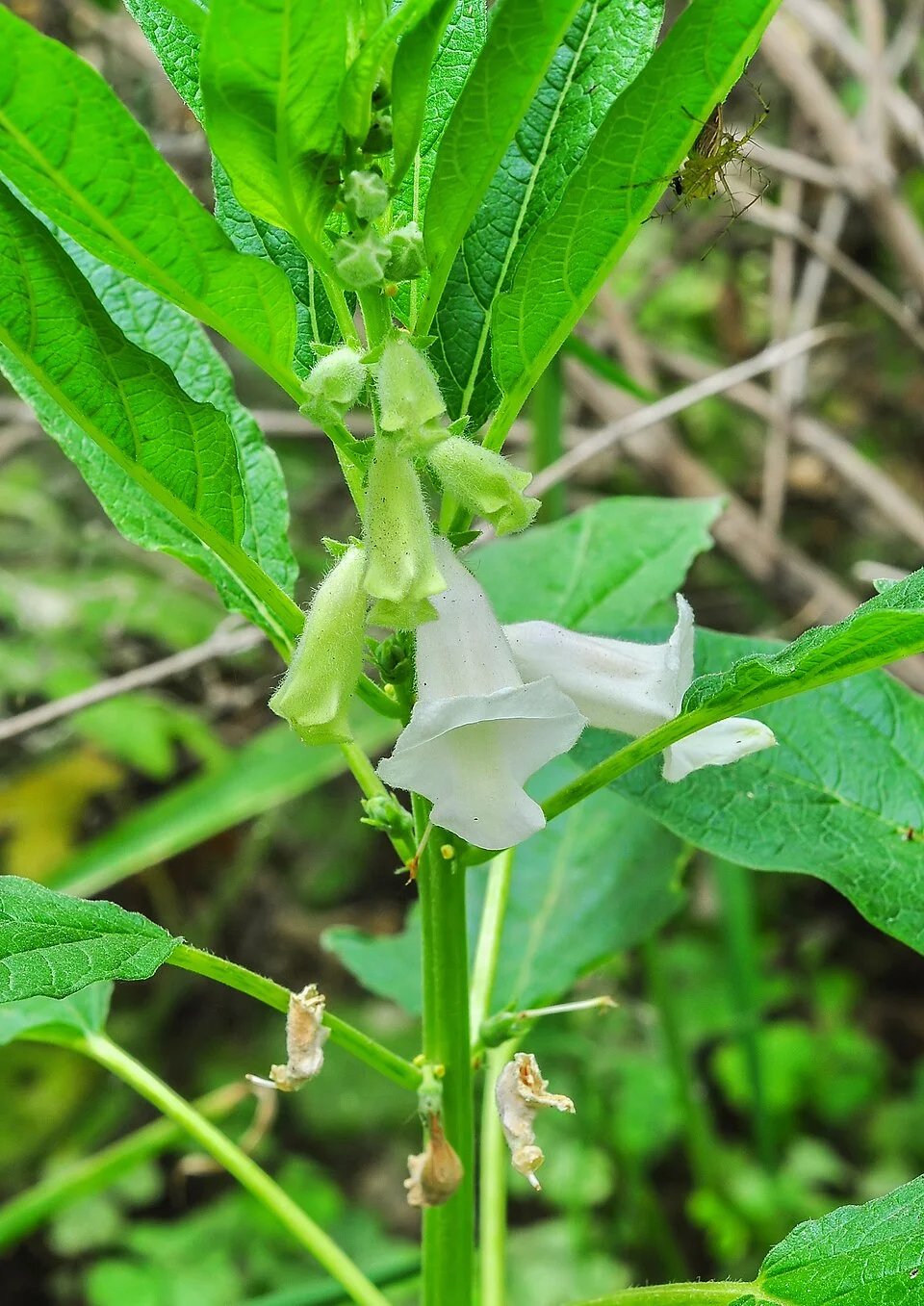 SesameFavourable
Plant 17 Feb 2027 – 11 Jul 2027 opens in 20 weeks
matched to this season's forecast
about 1.1 t/ha expected
Irrigated: plant 21 Jan 2026 – 1 Jan 2027
Pest/disease risk — manageableEarly-maturing — escapes late drought -
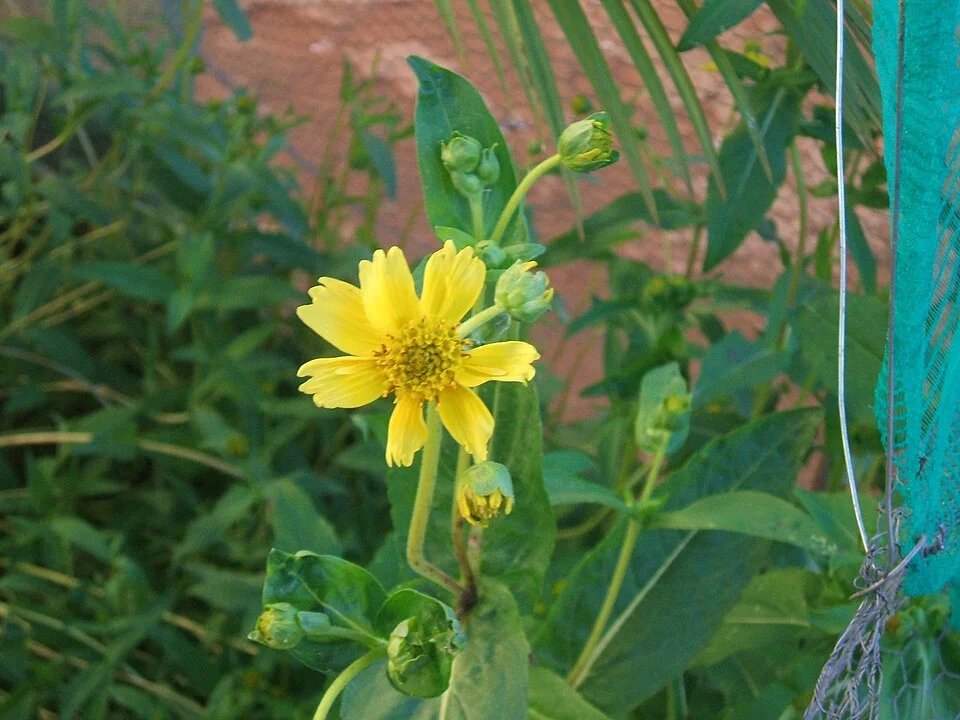 Niger seedFavourable
Plant 7 Jun 2027 – 18 Jun 2027 opens in 36 weeks
matched to this season's forecast
about 0.9 t/ha expected
Pest/disease risk — manageableEarly-maturing — escapes late drought -
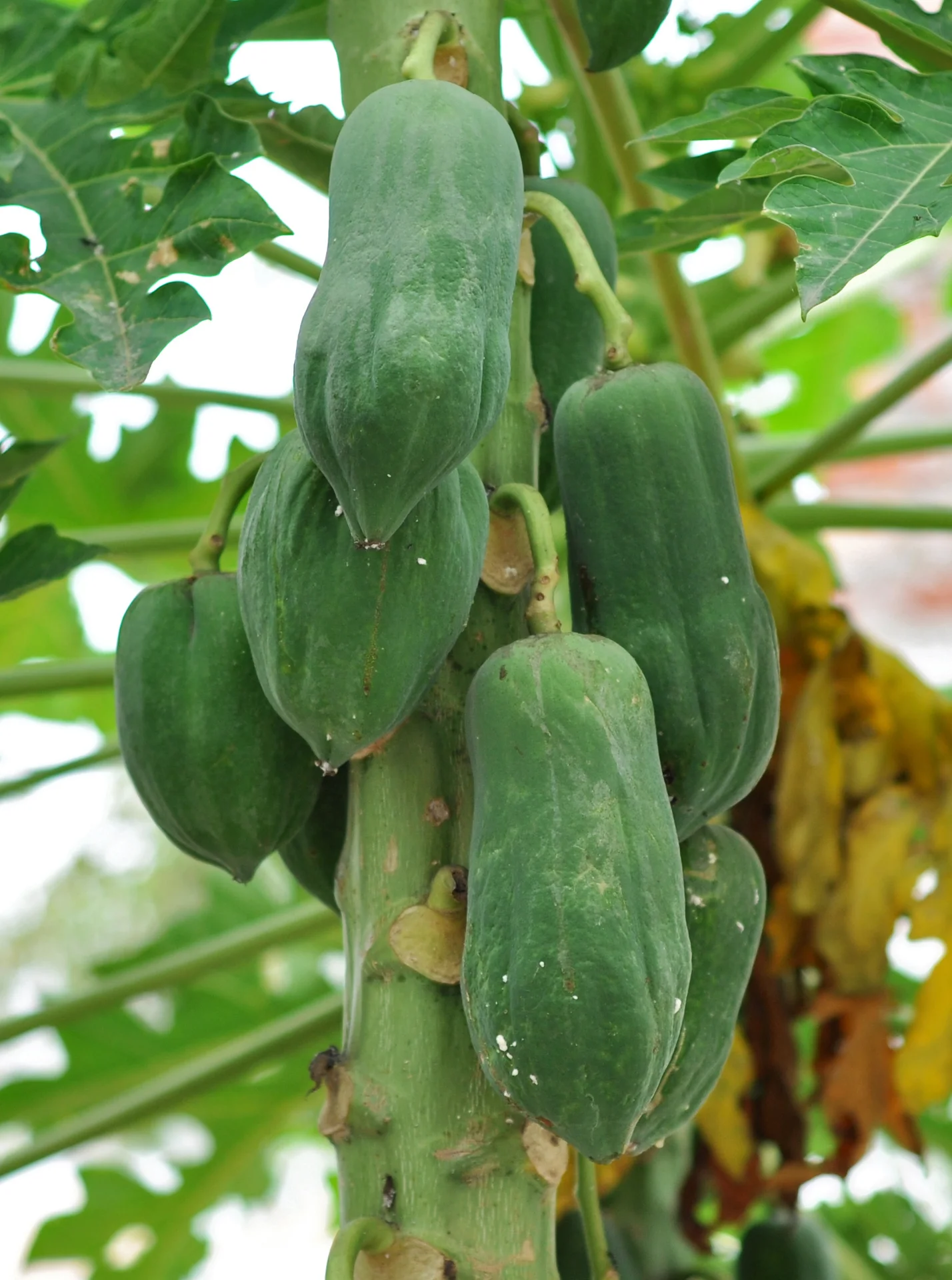 PapayaFavourable
Plant 11 Mar 2027 – 1 Aug 2027 opens in 23 weeks
matched to this season's forecast
about 45.8 t/ha expected
Irrigated: plant 21 Jan 2026 – 1 Jan 2027 · about 64.2 t/ha
Pest/disease risk — manageableSoil pH below the crop's optimum -
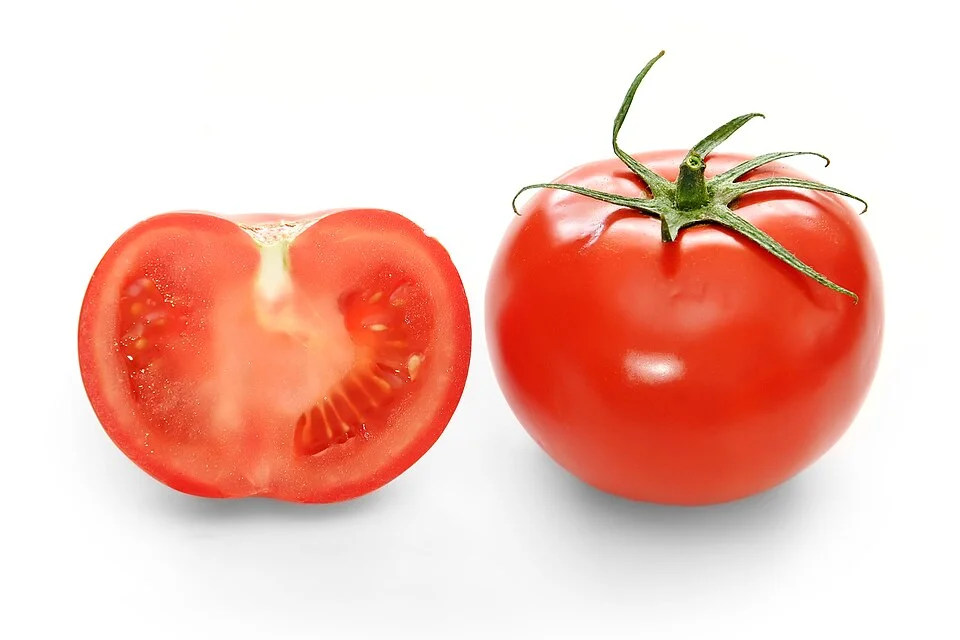 TomatoFavourable
Plant 22 Mar 2027 – 23 Aug 2027 opens in 25 weeks
matched to this season's forecast
about 35.1 t/ha expected
Irrigated: plant 21 Jan 2026 – 1 Jan 2027 · about 61.4 t/ha
Pest/disease risk — manageableSoil pH below the crop's optimumEarly-maturing — escapes late drought -
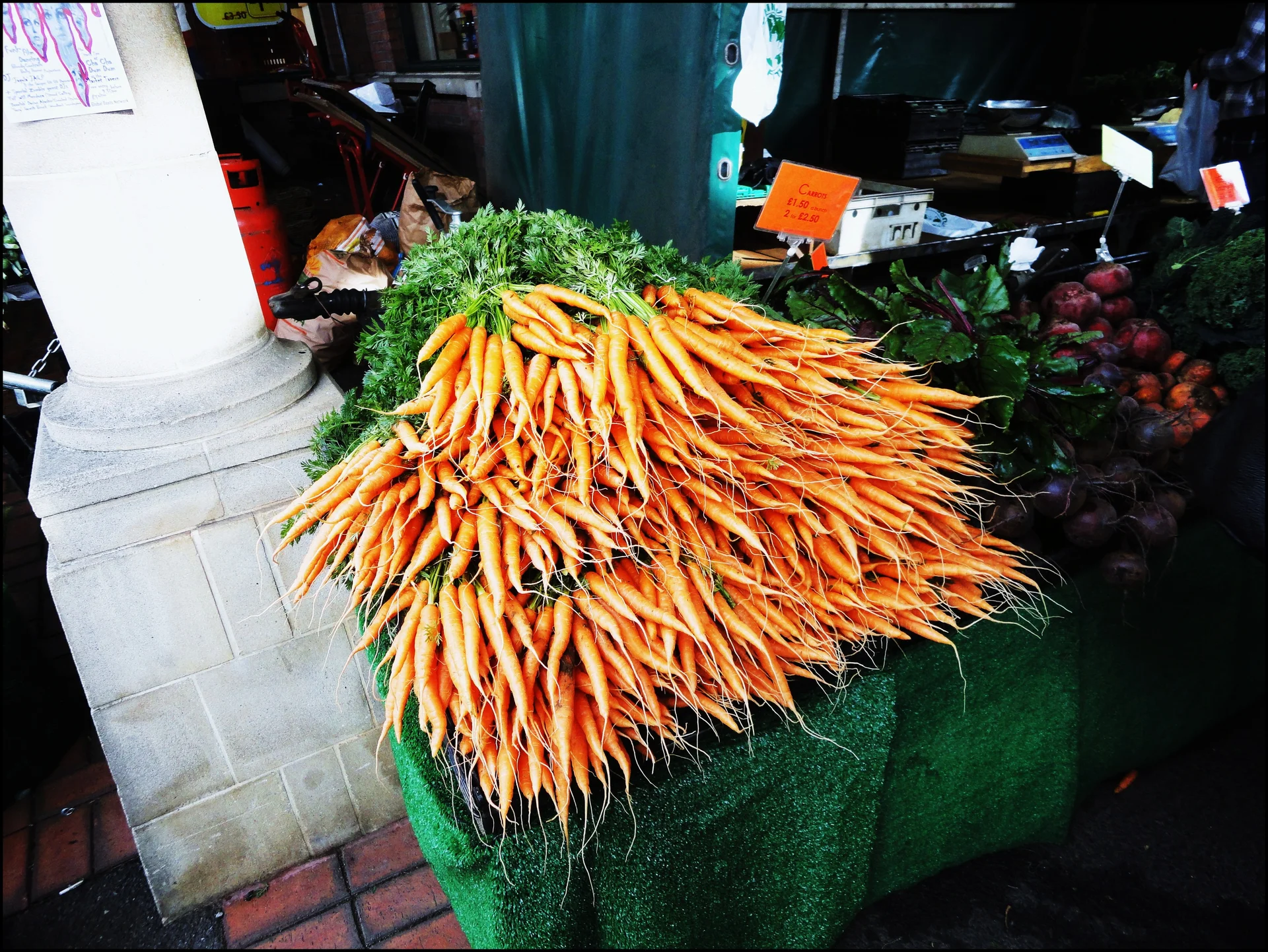 CarrotFavourable
Plant 25 Mar 2027 – 28 Aug 2027 opens in 25 weeks
matched to this season's forecast
about 30.7 t/ha expected
Irrigated: plant 21 Jan 2026 – 1 Jan 2027 · about 43.9 t/ha
Pest/disease risk — manageableSoil pH below the crop's optimumEarly-maturing — escapes late drought -
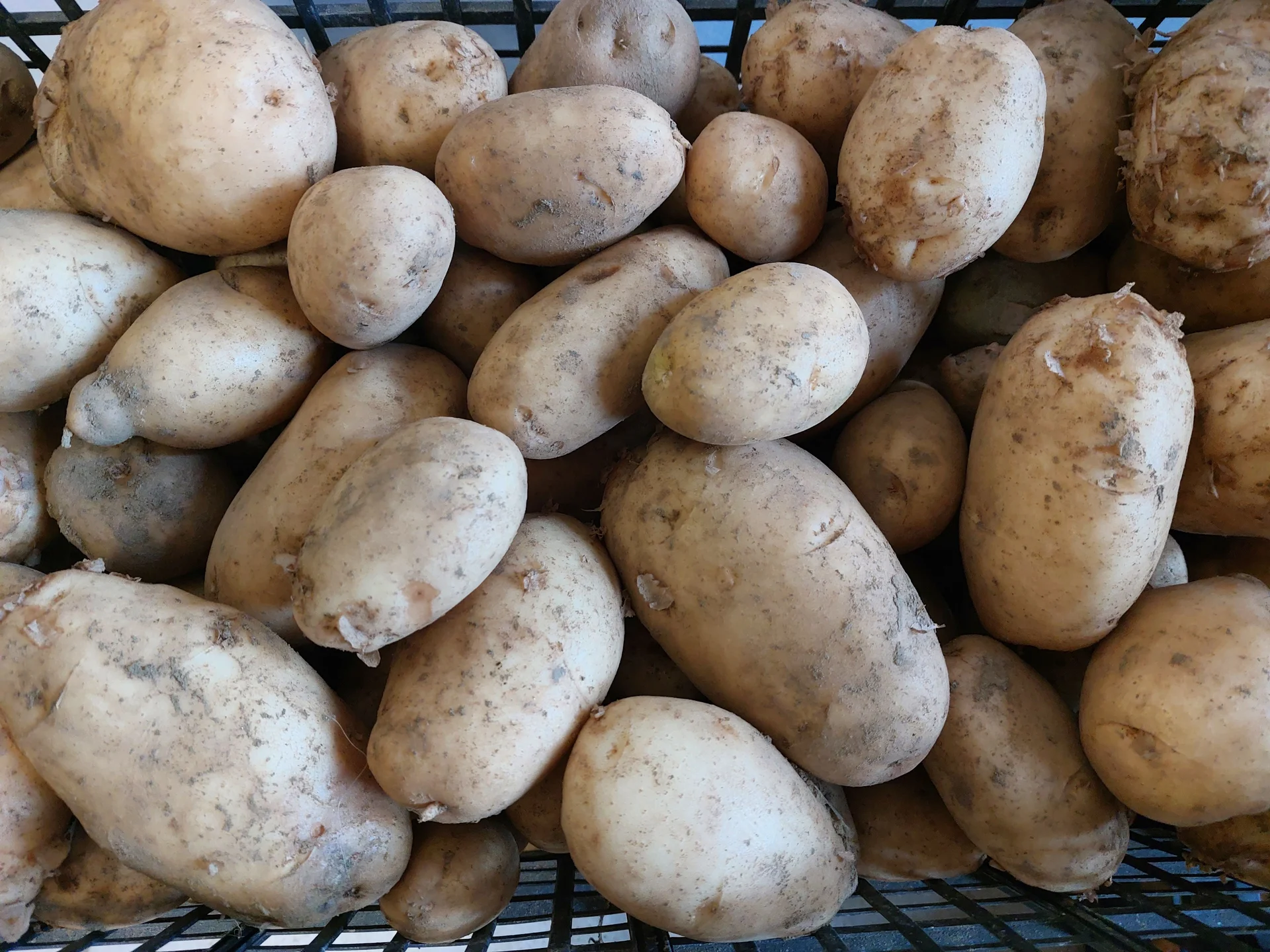 Irish potatoFavourable
Plant 17 Jun 2027 – 11 Jul 2027 opens in 37 weeks
matched to this season's forecast
about 30.7 t/ha expected
Irrigated: plant 10 Jun 2027 – 30 Jun 2027 · about 39.5 t/ha
Pest/disease risk — manageableEarly-maturing — escapes late drought -
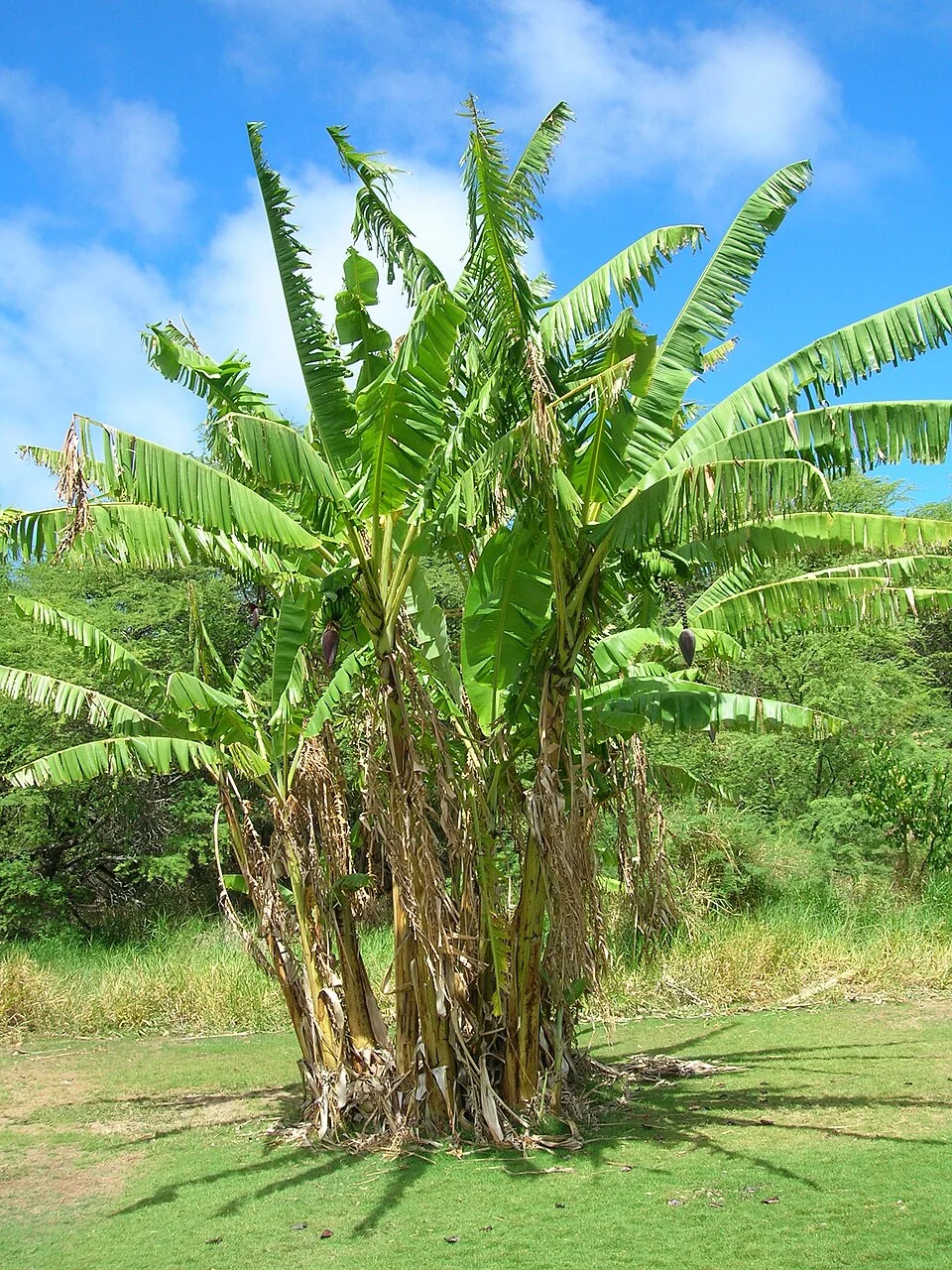 BananaFavourable
Plant 11 Mar 2027 – 1 Aug 2027 opens in 23 weeks
matched to this season's forecast
about 27.8 t/ha expected
Irrigated: plant 21 Jan 2026 – 1 Jan 2027 · about 55.6 t/ha
Pest/disease risk — manageableSoil pH below the crop's optimum -
OnionFavourable
Plant 30 Apr 2027 – 4 Aug 2027 opens in 30 weeks
matched to this season's forecast
about 26.3 t/ha expected
· about 39.5 t/ha
Pest/disease risk — manageableSoil pH outside the crop's rangeCorrect soil pH (lime) -
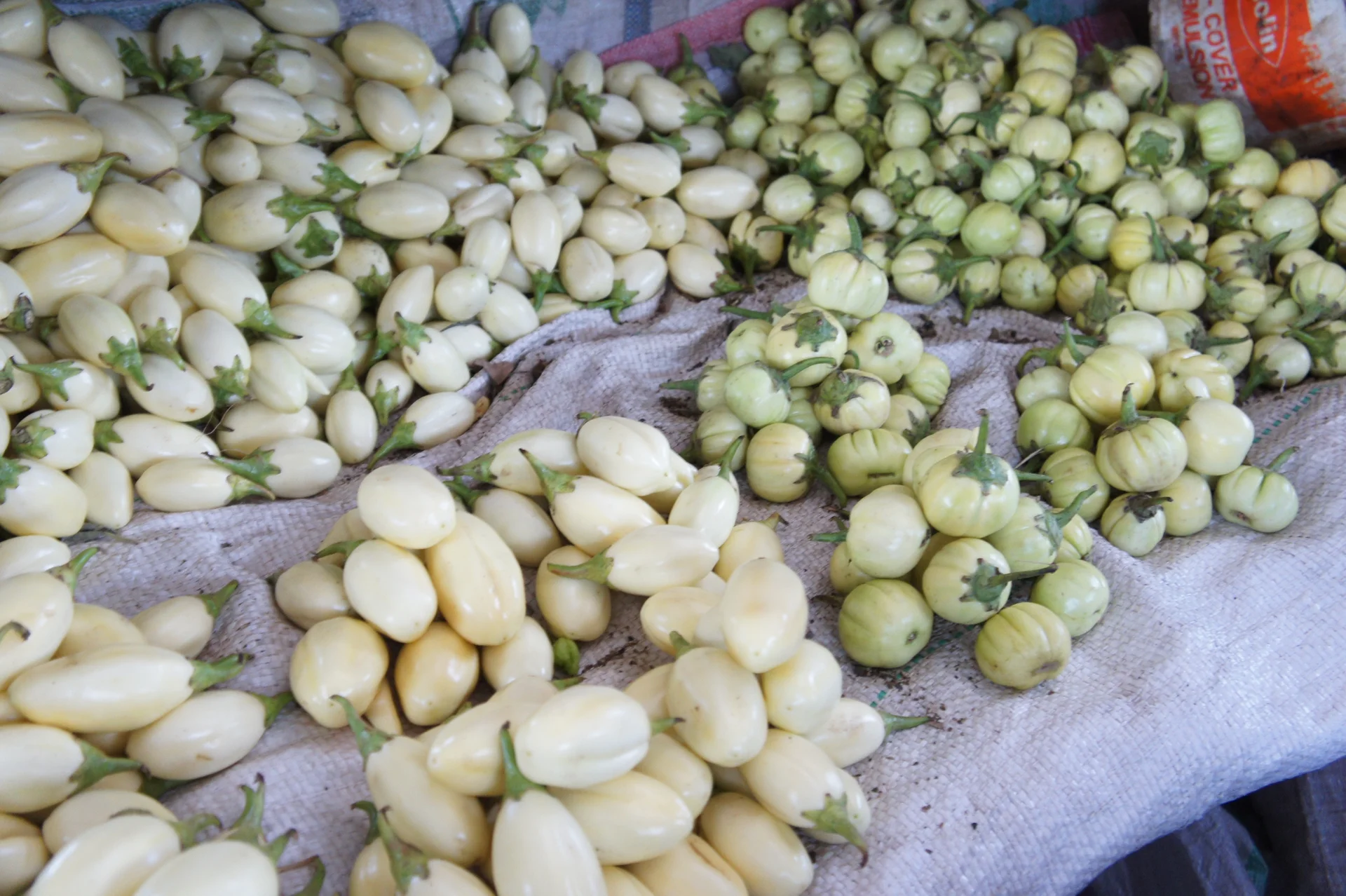 African eggplantFavourable
Plant 13 Mar 2027 – 28 Aug 2027 opens in 23 weeks
matched to this season's forecast
about 21.9 t/ha expected
Irrigated: plant 21 Jan 2026 – 1 Jan 2027 · about 30.7 t/ha
Pest/disease risk — manageableSoil pH below the crop's optimumEarly-maturing — escapes late drought -
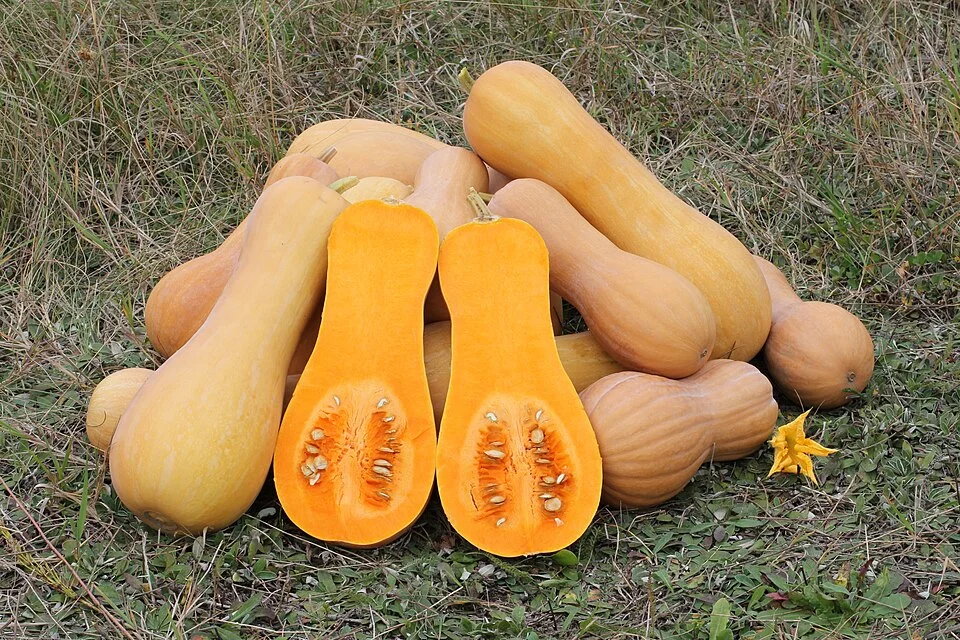 PumpkinFavourable
Plant 13 Mar 2027 – 9 Sep 2027 opens in 23 weeks
matched to this season's forecast
about 21.9 t/ha expected
Irrigated: plant 21 Jan 2026 – 1 Jan 2027 · about 30.7 t/ha
Pest/disease risk — manageableSoil pH below the crop's optimumEarly-maturing — escapes late drought -
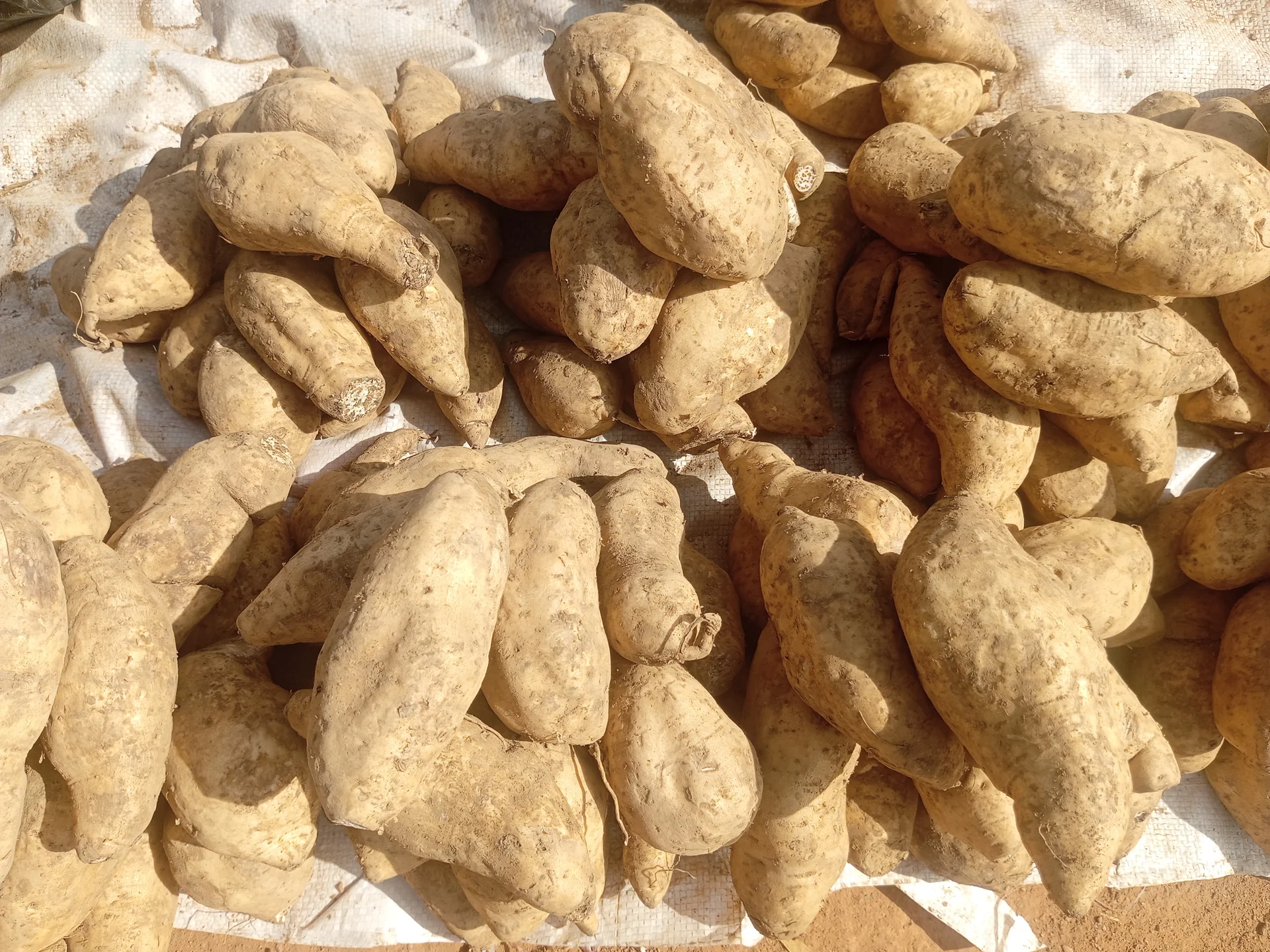 Sweet potatoFavourable
Plant 27 May 2027 – 7 Jun 2027 opens in 34 weeks
matched to this season's forecast
about 21.9 t/ha expected
Irrigated: plant 10 Jun 2027 – 19 Jun 2027 · about 30.7 t/ha
Pest/disease risk — manageableEarly-maturing — escapes late drought -
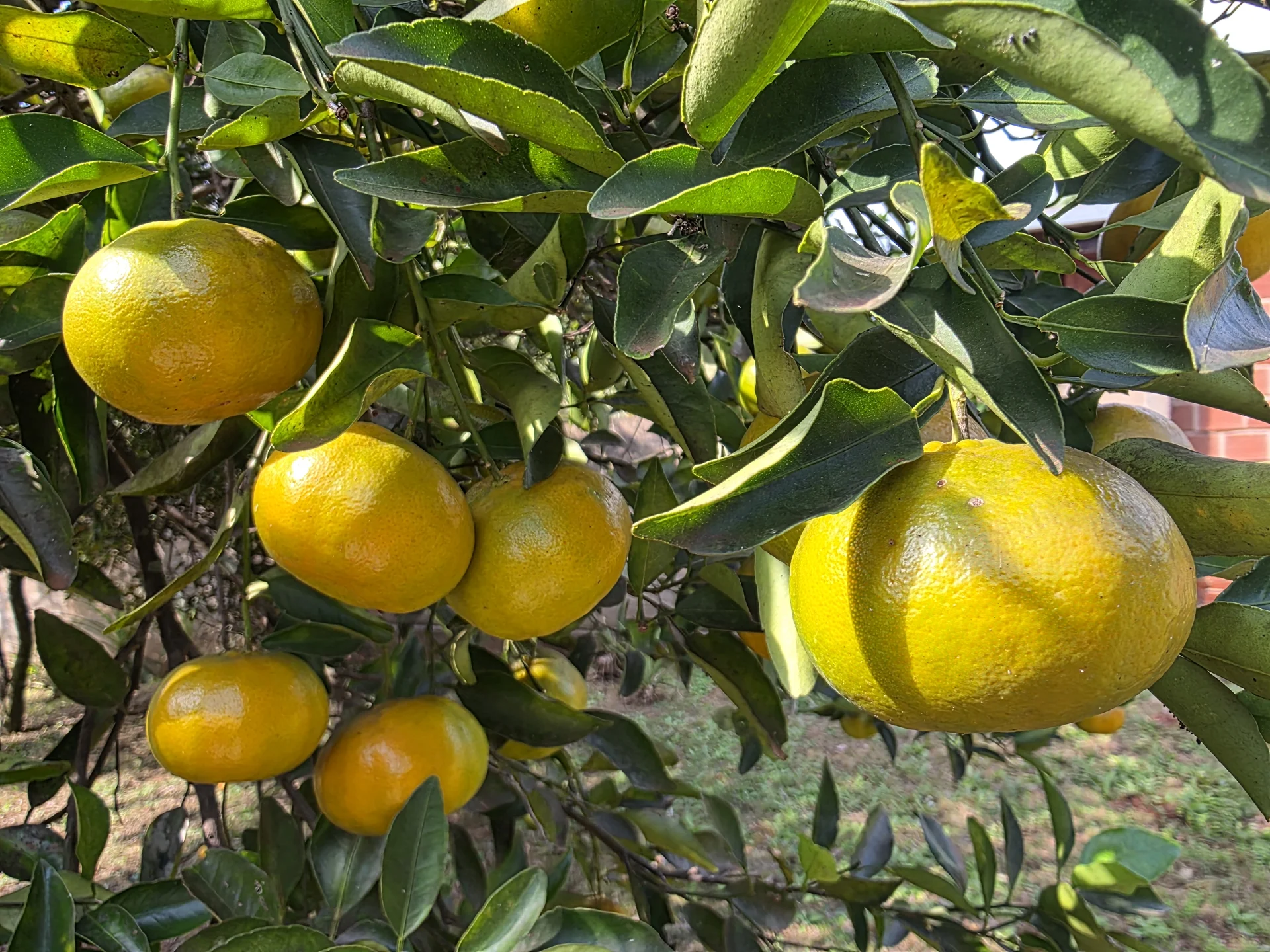 MandarinFavourable
Plant 28 Feb 2027 – 23 Aug 2027 opens in 22 weeks
matched to this season's forecast
about 18.5 t/ha expected
Irrigated: plant 21 Jan 2026 – 1 Jan 2027 · about 32.4 t/ha
Pest/disease risk — manageableSoil pH below the crop's optimum -
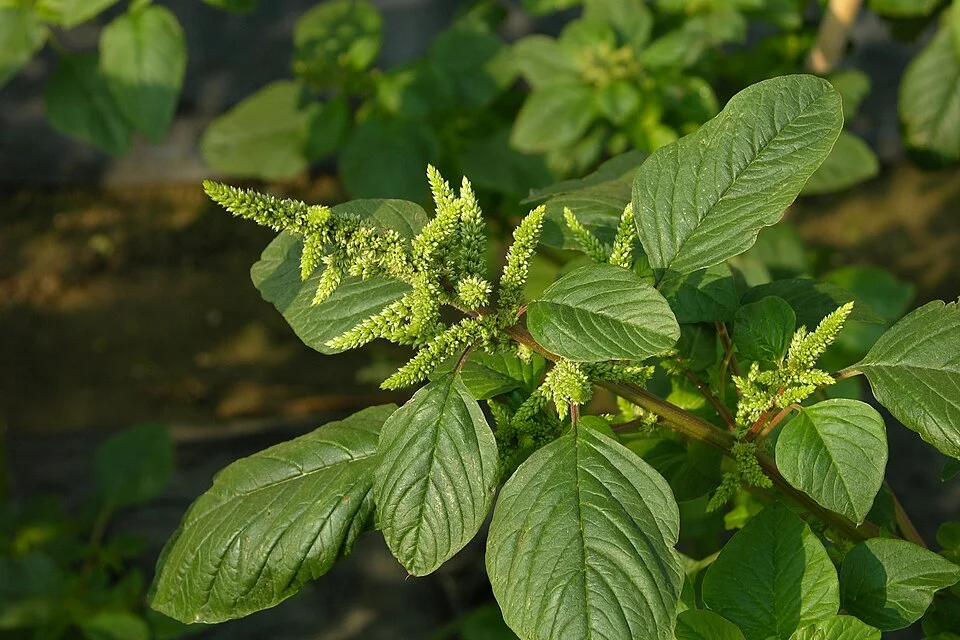 AmaranthFavourable
Plant 28 Mar 2027 – 18 Aug 2027 opens in 26 weeks
matched to this season's forecast
about 17.6 t/ha expected
Irrigated: plant 21 Jan 2026 – 1 Jan 2027 · about 26.3 t/ha
Pest/disease risk — manageableEarly-maturing — escapes late drought -
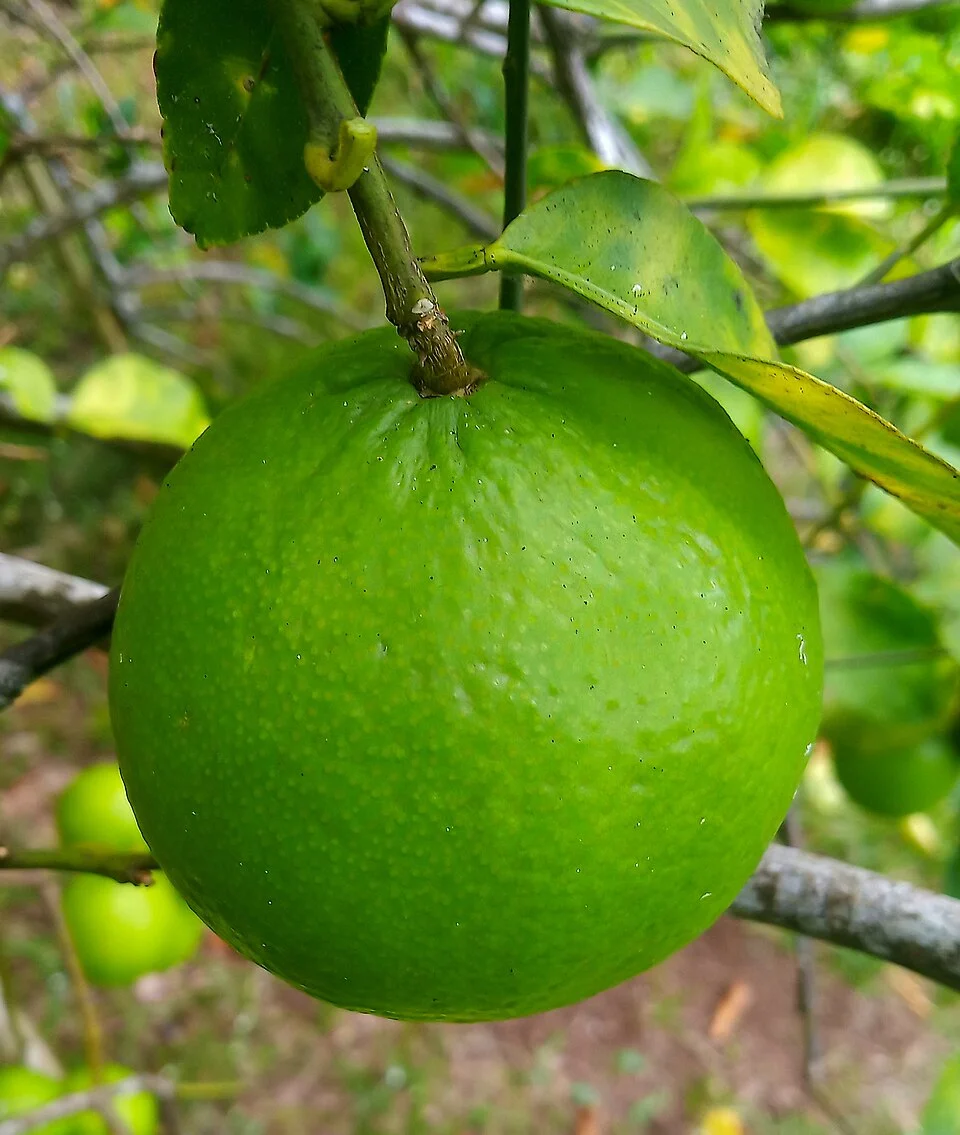 LimeFavourable
Plant 28 Feb 2027 – 23 Aug 2027 opens in 22 weeks
matched to this season's forecast
about 16.7 t/ha expected
Irrigated: plant 21 Jan 2026 – 1 Jan 2027 · about 23.2 t/ha
Pest/disease risk — manageableSoil pH below the crop's optimum -
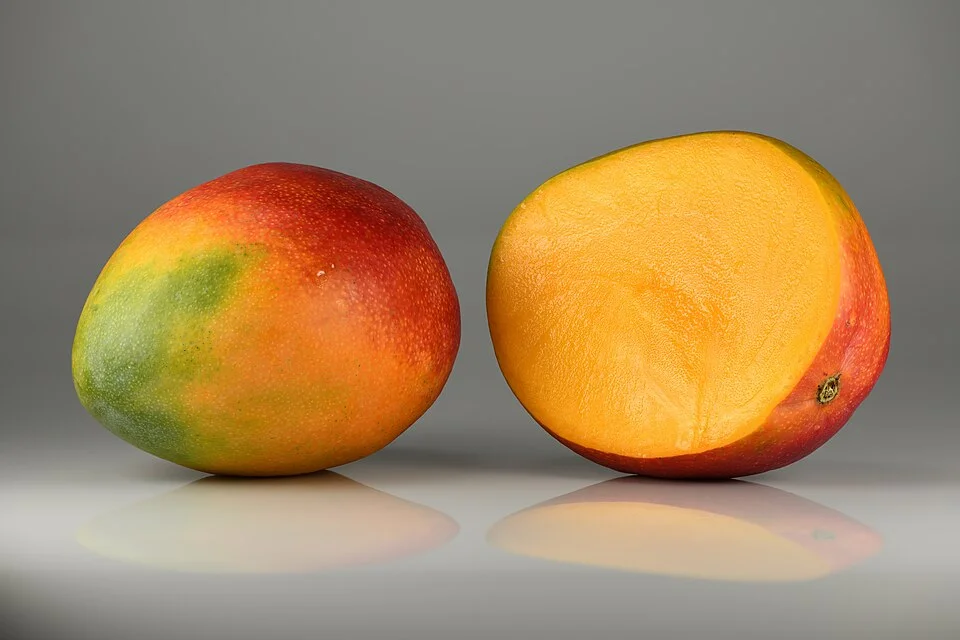 MangoFavourable
Plant 17 Feb 2027 – 23 Aug 2027 opens in 20 weeks
matched to this season's forecast
about 16.7 t/ha expected
Irrigated: plant 21 Jan 2026 – 1 Jan 2027 · about 23.2 t/ha
Pest/disease risk — manageable -
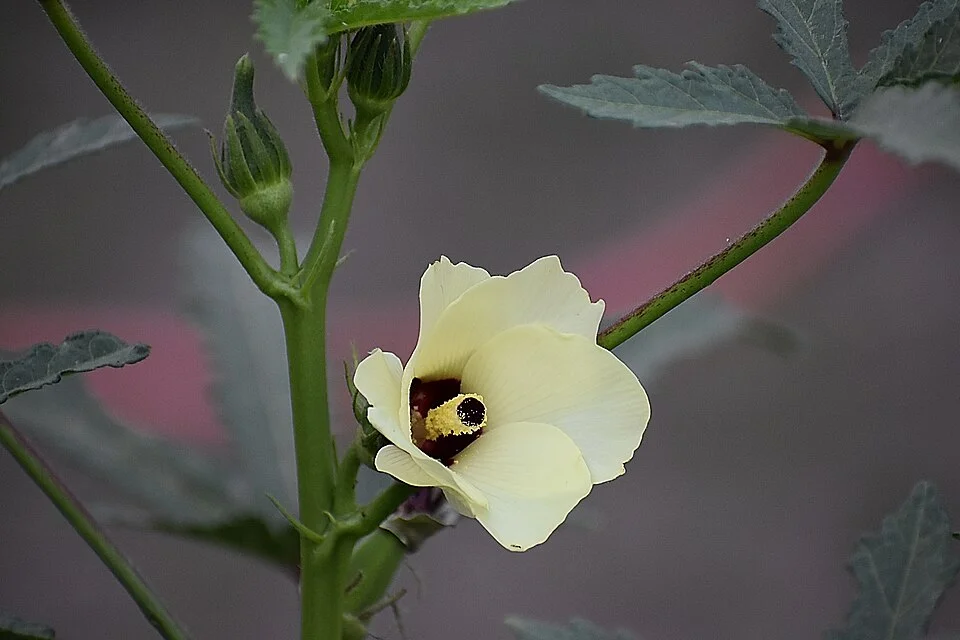 OkraFavourable
Plant 3 Apr 2027 – 15 Sep 2027 opens in 26 weeks
matched to this season's forecast
about 8.8 t/ha expected
Irrigated: plant 21 Jan 2026 – 1 Jan 2027 · about 13.2 t/ha
Pest/disease risk — manageableSoil pH below the crop's optimumEarly-maturing — escapes late drought -
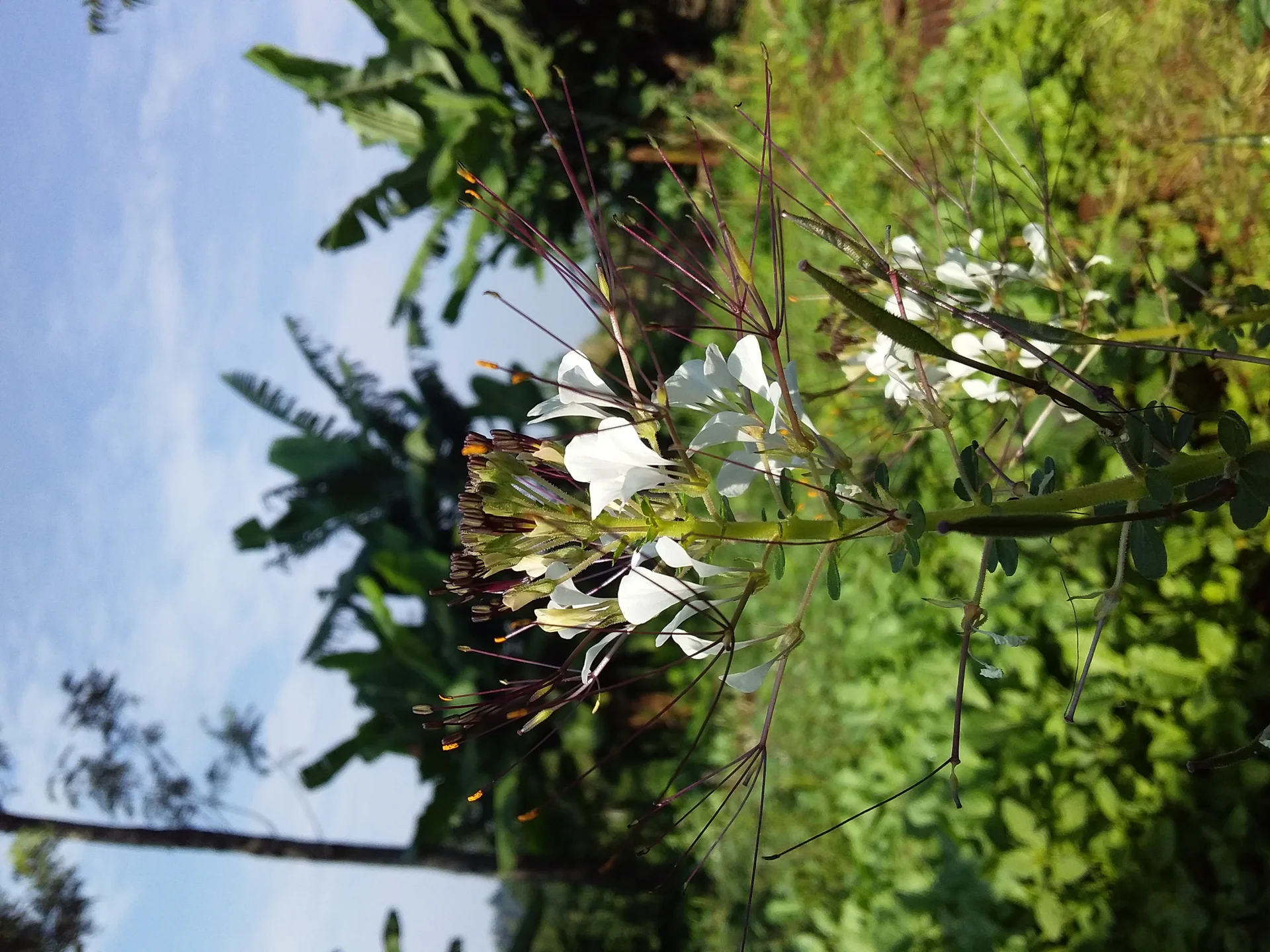 Spider plantFavourable
Plant 31 Mar 2027 – 15 Sep 2027 opens in 26 weeks
matched to this season's forecast
about 8.8 t/ha expected
Irrigated: plant 21 Jan 2026 – 1 Jan 2027 · about 13.2 t/ha
Soil pH below the crop's optimumEarly-maturing — escapes late drought -
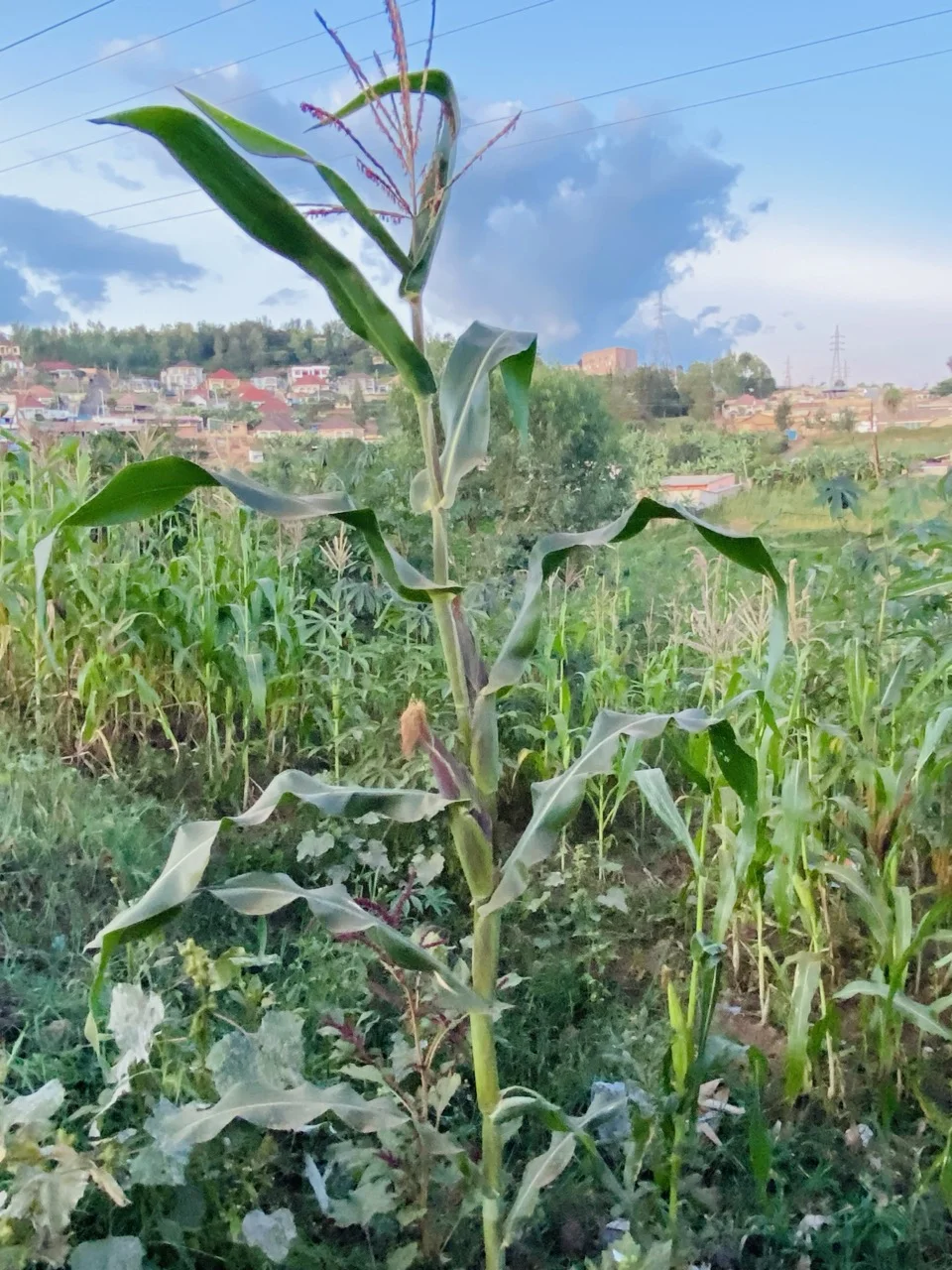 MaizeFavourable
Plant 28 Feb 2027 – 12 Aug 2027 opens in 22 weeks
matched to this season's forecast
about 6.1 t/ha expected
Irrigated: plant 21 Jan 2026 – 1 Jan 2027 · about 8.8 t/ha
Pest/disease risk — manageable -
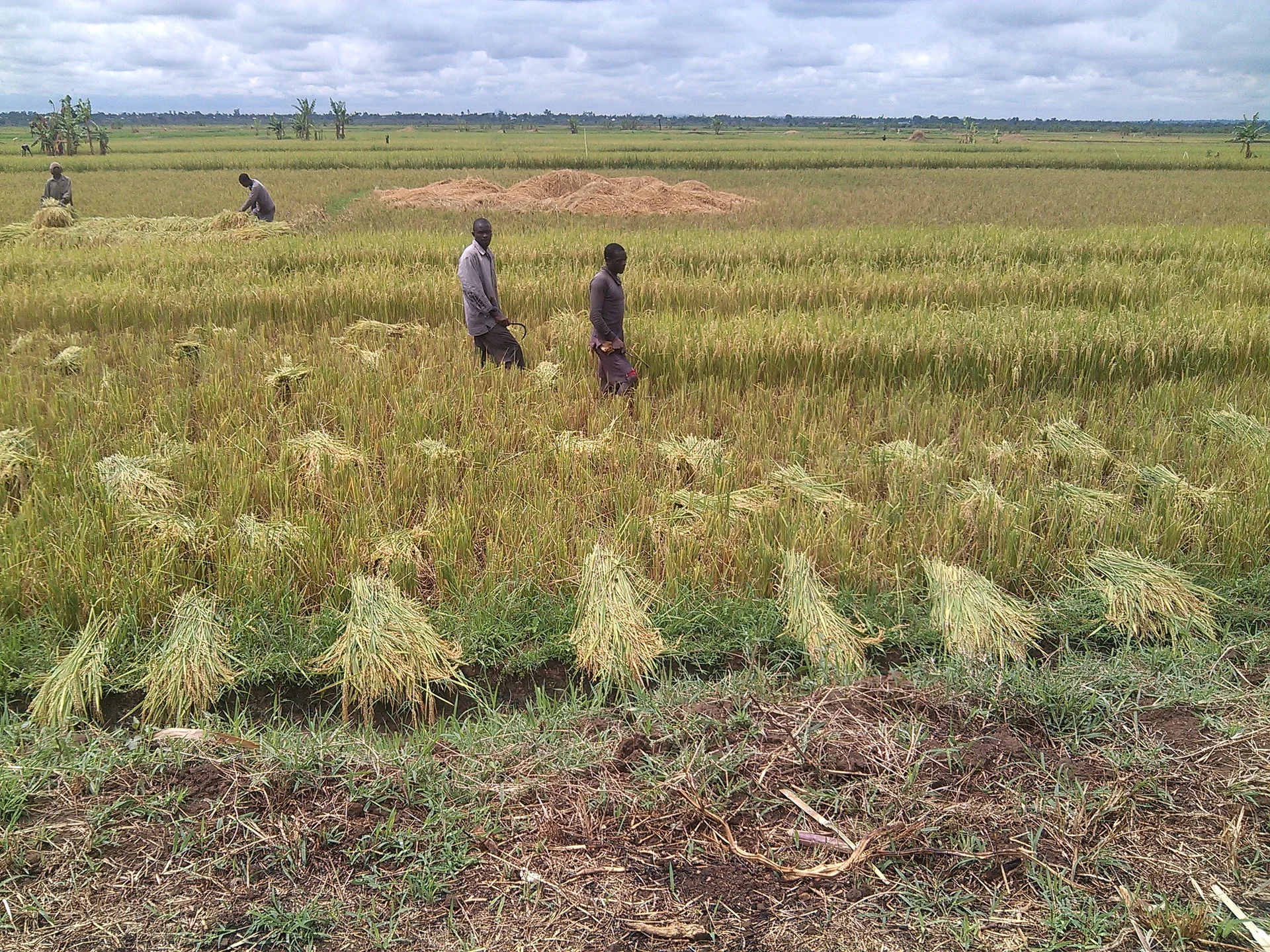 RiceFavourable
Plant 13 Apr 2027 – 1 Aug 2027 opens in 28 weeks
matched to this season's forecast
about 4.4 t/ha expected
Irrigated: plant 21 Jan 2026 – 1 Jan 2027 · about 6.1 t/ha
Pest/disease risk — manageableEarly-maturing — escapes late drought -
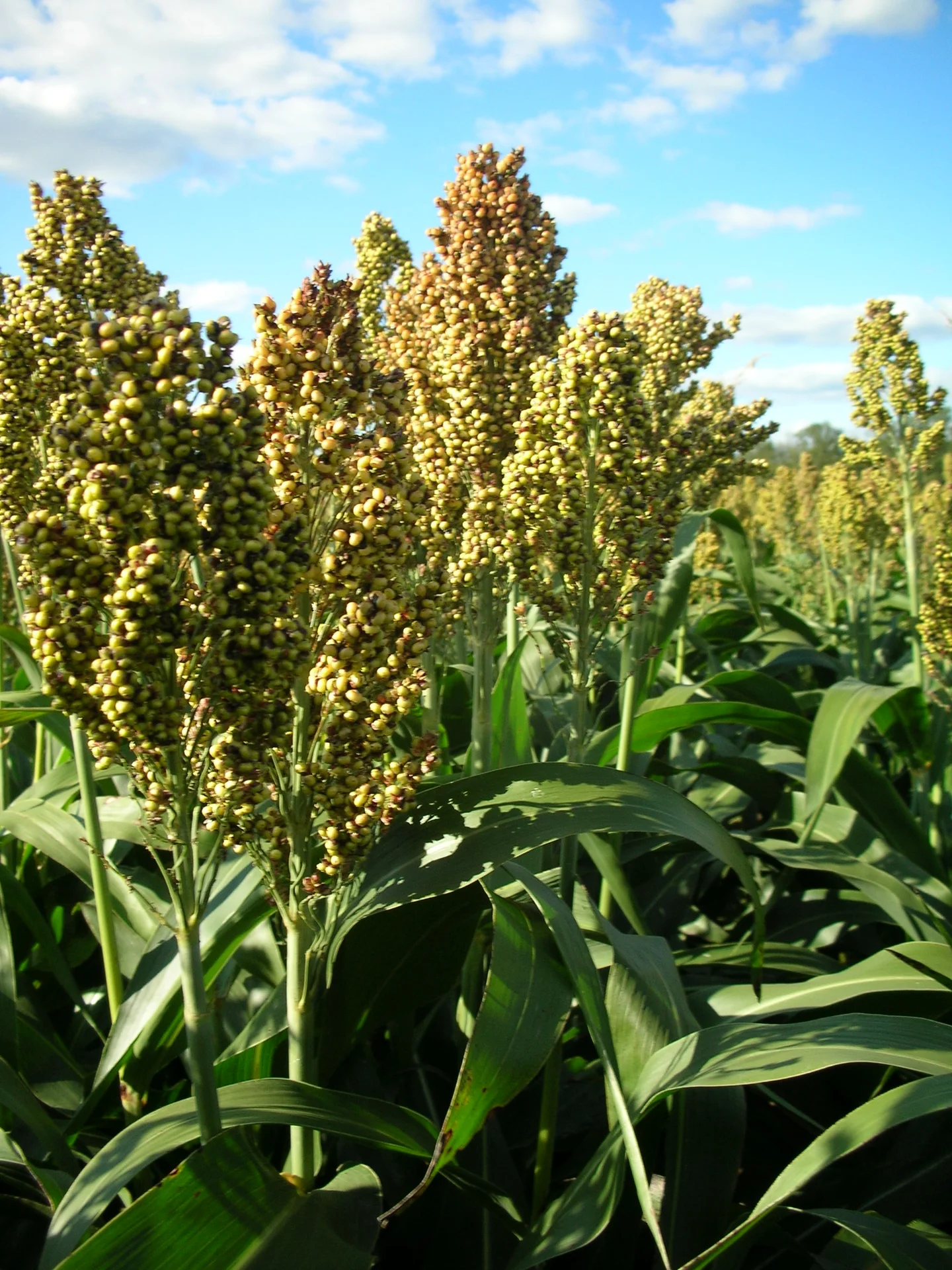 SorghumFavourable
Plant 1 Mar 2027 – 28 Aug 2027 opens in 22 weeks
matched to this season's forecast
about 3.5 t/ha expected
Irrigated: plant 21 Jan 2026 – 1 Jan 2027 · about 4.4 t/ha
Pest/disease risk — manageableSoil pH below the crop's optimumEarly-maturing — escapes late drought -
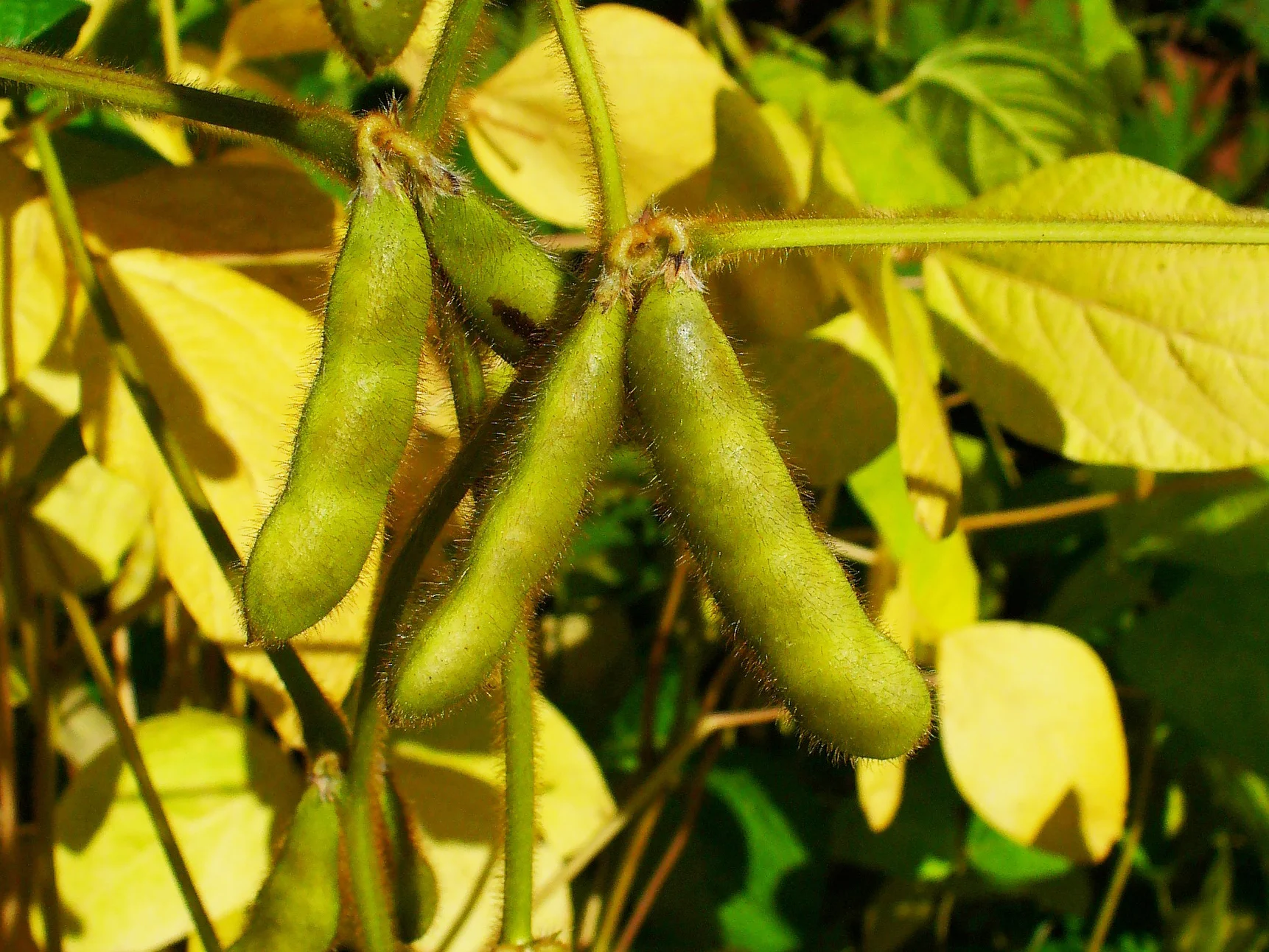 SoybeanFavourable
Plant 28 Feb 2027 – 12 Aug 2027 opens in 22 weeks
matched to this season's forecast
about 2.6 t/ha expected
Irrigated: plant 21 Jan 2026 – 1 Jan 2027 · about 3.5 t/ha
Pest/disease risk — manageableSoil pH below the crop's optimumEarly-maturing — escapes late drought -
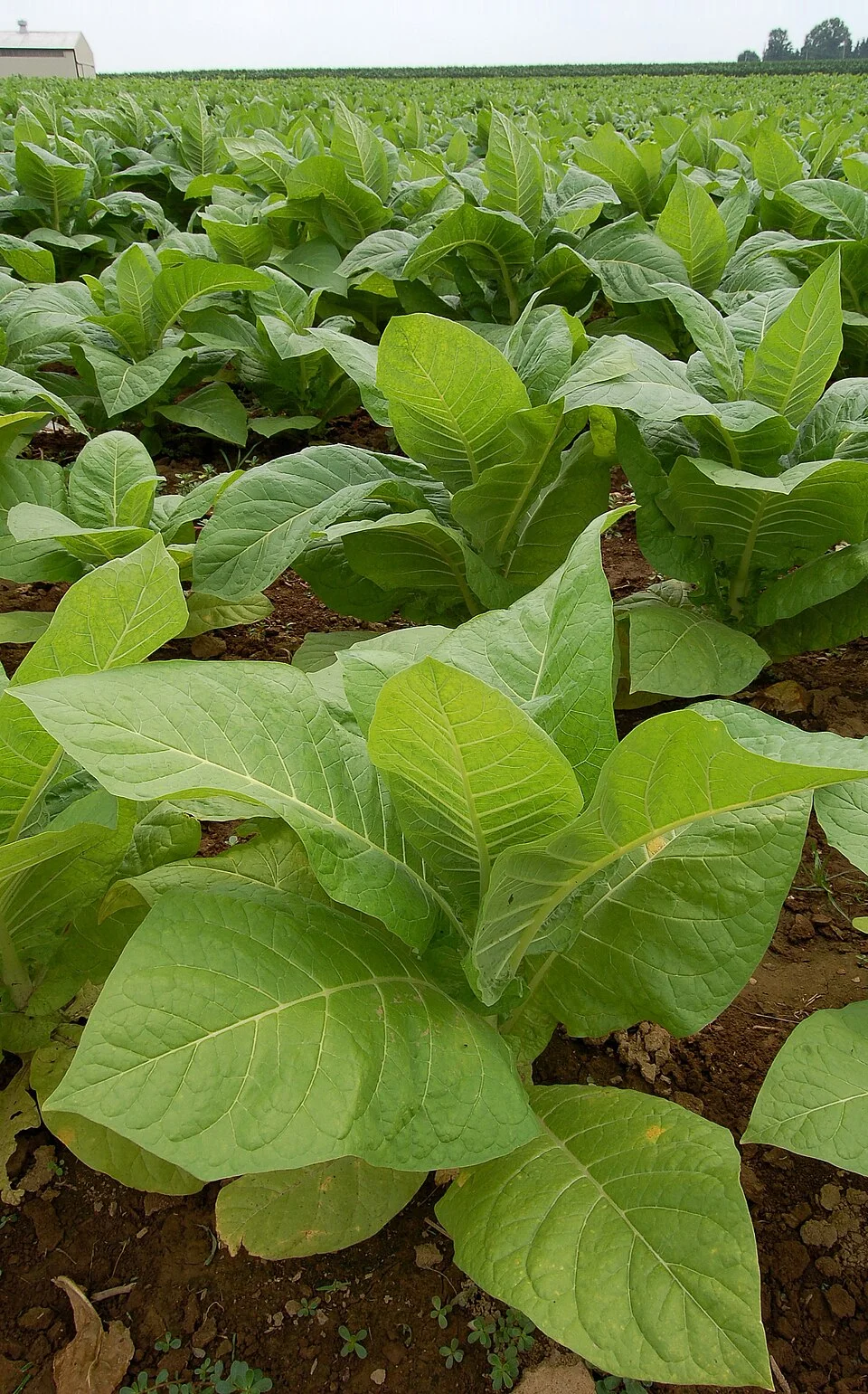 TobaccoFavourable
Plant 13 Mar 2027 – 16 Aug 2027 opens in 23 weeks
matched to this season's forecast
about 2.6 t/ha expected
Irrigated: plant 21 Jan 2026 – 1 Jan 2027 · about 3.1 t/ha
Pest/disease risk — manageableEarly-maturing — escapes late drought -
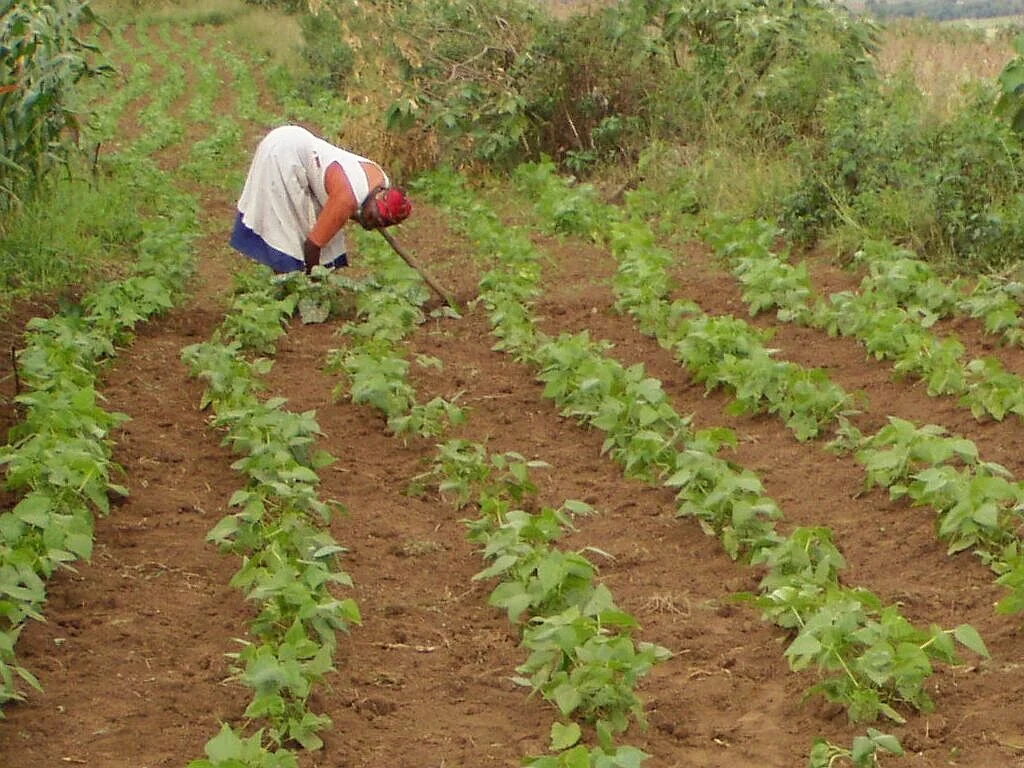 Common beanFavourable
Plant 28 Mar 2027 – 13 Sep 2027 opens in 26 weeks
matched to this season's forecast
about 2.2 t/ha expected
Irrigated: plant 21 Jan 2026 – 1 Jan 2027
Pest/disease risk — manageableEarly-maturing — escapes late drought -
 SunflowerFavourable
Plant 18 Apr 2027 – 16 Aug 2027 opens in 29 weeks
matched to this season's forecast
about 2.2 t/ha expected
Irrigated: plant 11 Apr 2027 – 9 Aug 2027 · about 3.1 t/ha
Pest/disease risk — manageableSoil pH below the crop's optimumEarly-maturing — escapes late drought -
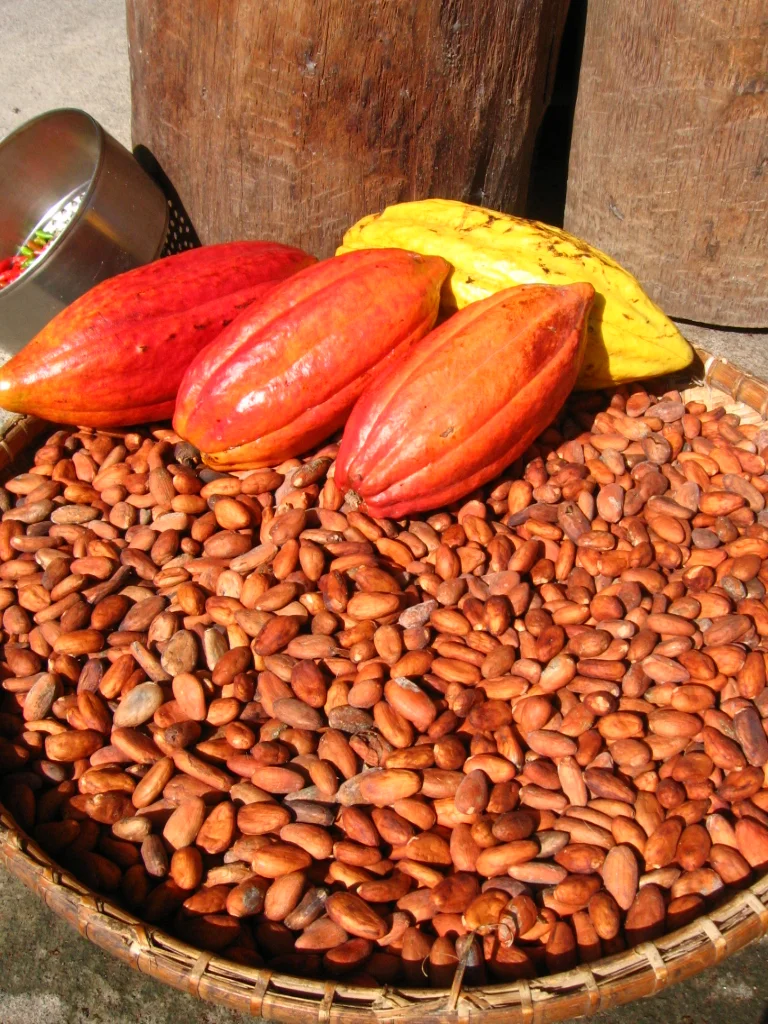 CocoaFavourable
Plant 19 Mar 2027 – 7 Jul 2027 opens in 24 weeks
matched to this season's forecast
about 1.4 t/ha expected
Irrigated: plant 21 Jan 2026 – 1 Jan 2027 · about 1.9 t/ha
Pest/disease risk — manageableSoil pH below the crop's optimum -
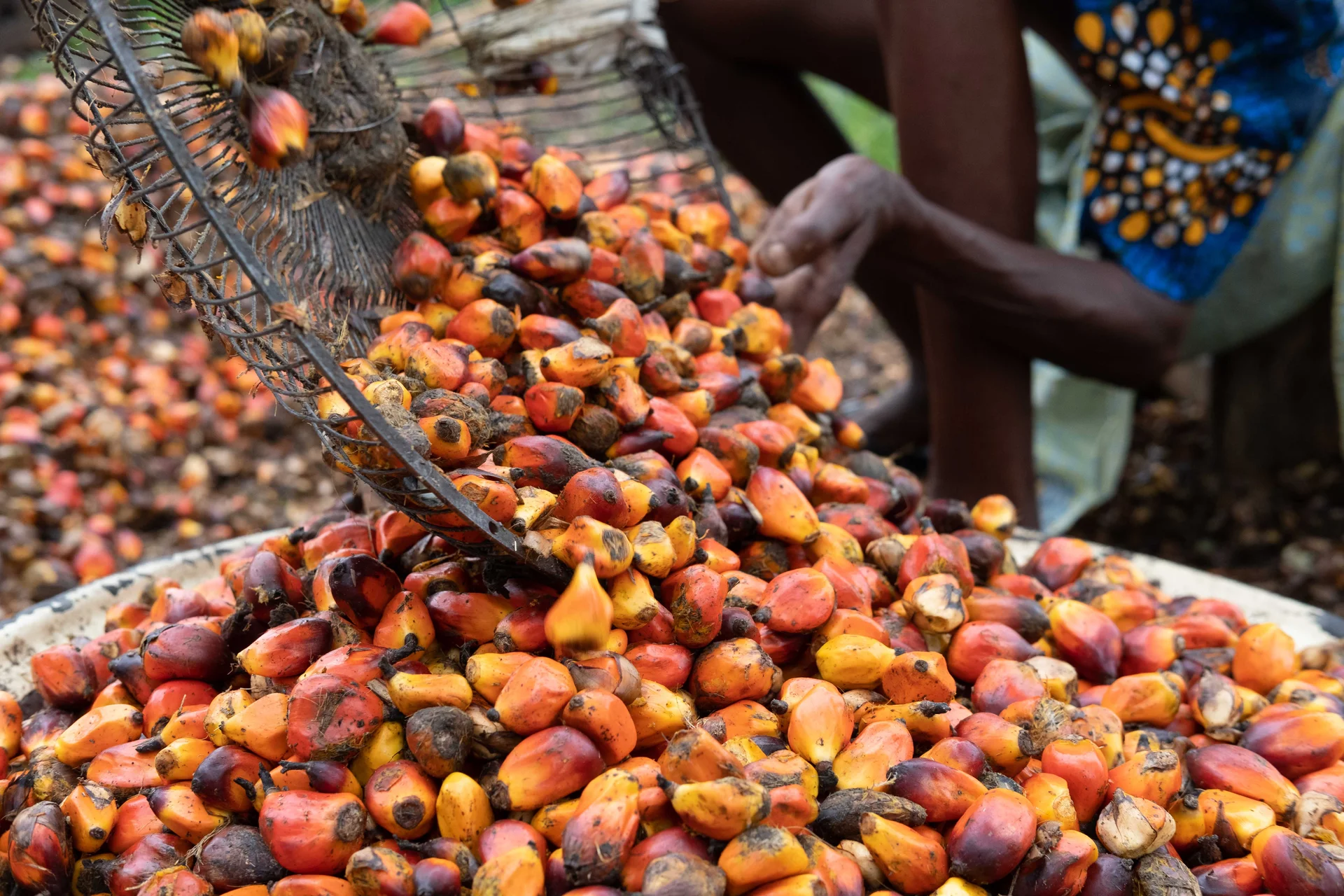 Oil palmFavourable
Plant 2 Apr 2027 – 1 Aug 2027 opens in 26 weeks
matched to this season's forecast
about 13.4 t/ha expected
Irrigated: plant 21 Jan 2026 – 1 Jan 2027 · about 19.3 t/ha
Pest/disease risk — manageable -
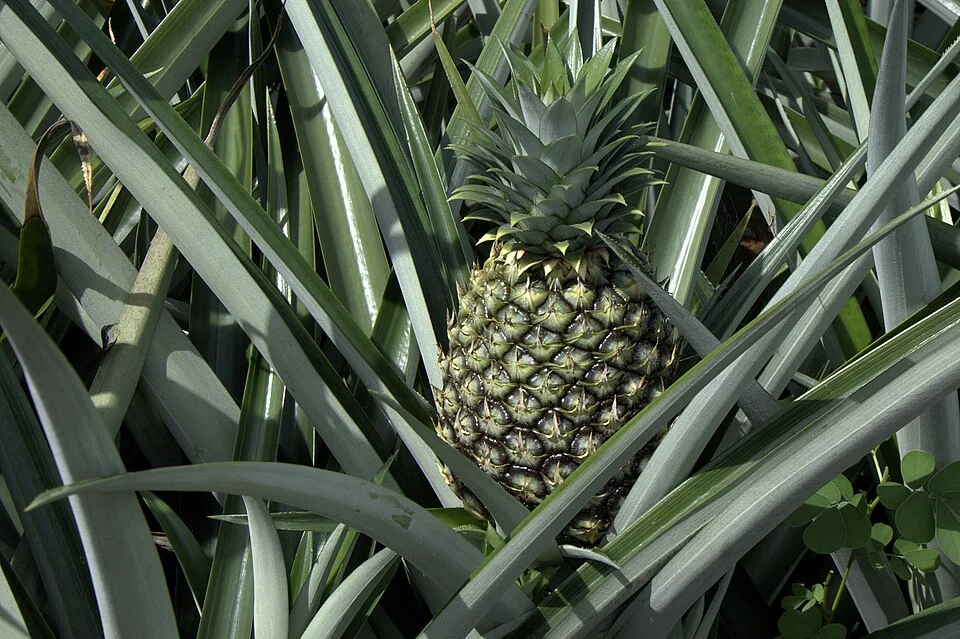 PineappleFavourable
Plant 17 Feb 2027 – 9 Mar 2027 opens in 20 weeks
matched to this season's forecast
about 44.6 t/ha expected
Irrigated: plant 21 Jan 2026 – 1 Jan 2027 · about 64.8 t/ha
Pest/disease risk — manageableSoil pH below the crop's optimum -
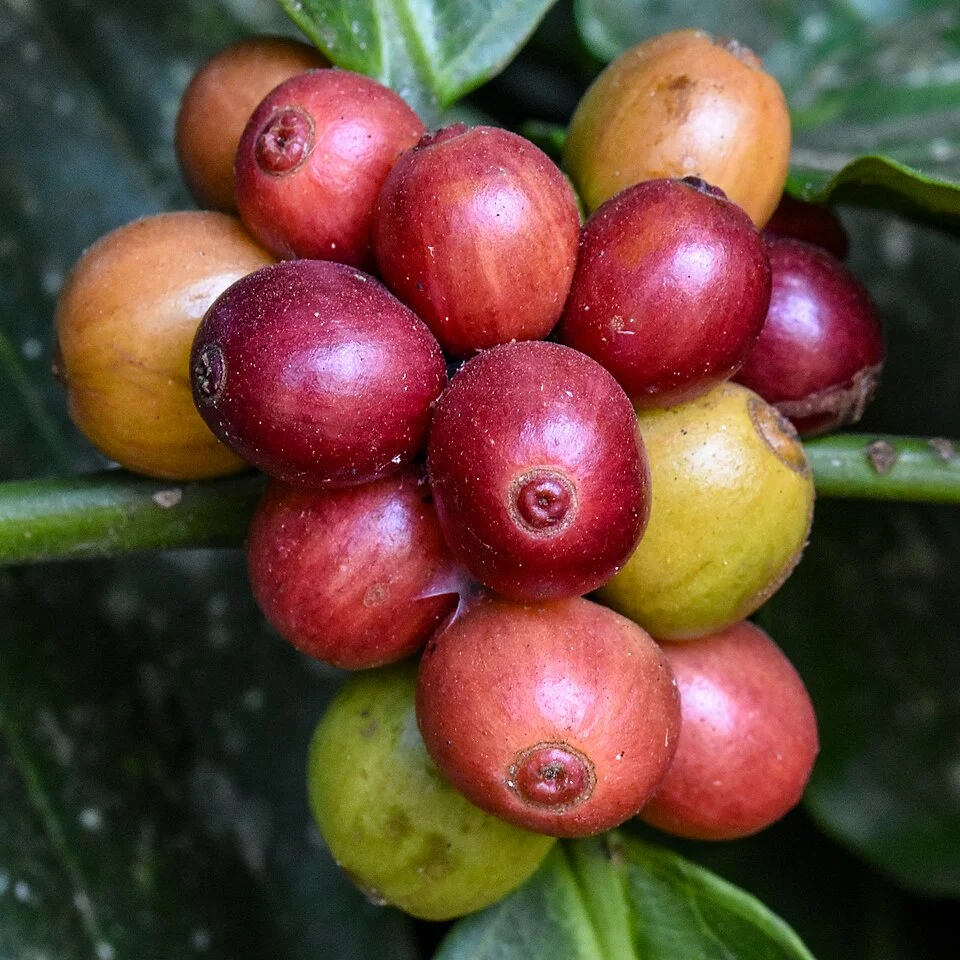 Robusta coffeeFavourable
Plant 14 Feb 2027 – 6 Mar 2027 opens in 20 weeks
matched to this season's forecast
about 1.6 t/ha expected
Irrigated: plant 21 Jan 2026 – 1 Jan 2027 · about 2.8 t/ha
Pest/disease risk — manageable -
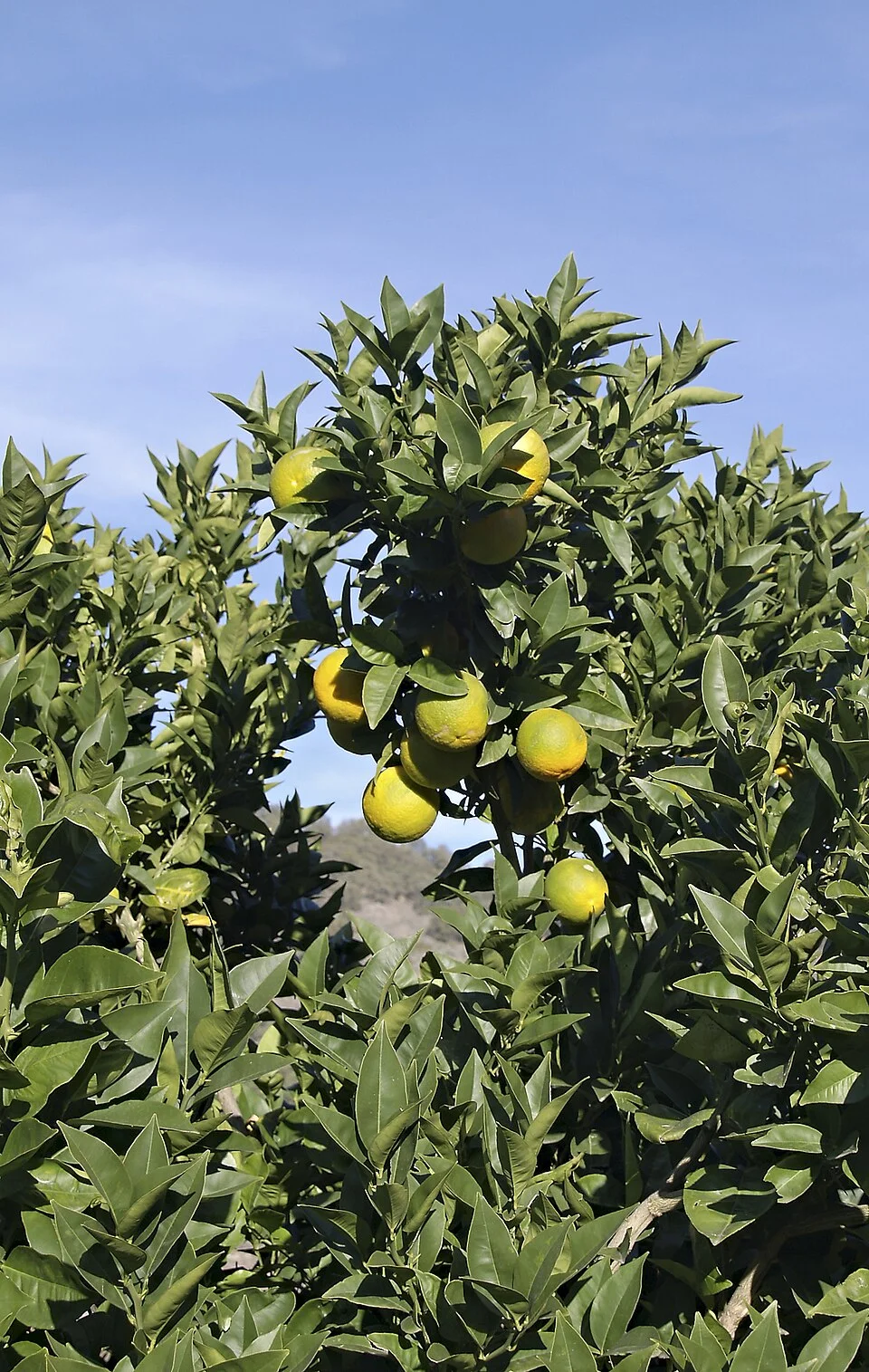 Sweet orangeFavourable
Plant 17 Feb 2027 – 19 Mar 2027 opens in 20 weeks
matched to this season's forecast
about 20.1 t/ha expected
Irrigated: plant 21 Jan 2026 – 1 Jan 2027 · about 33.7 t/ha
Pest/disease risk — manageableSoil pH below the crop's optimum -
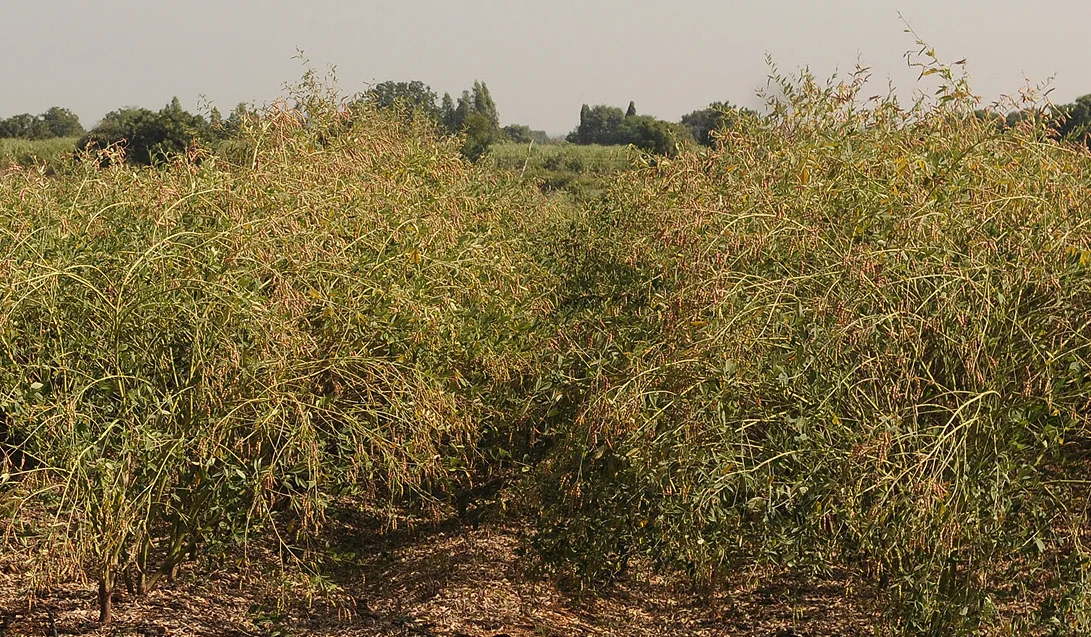 Pigeon peaFavourable
Plant 17 Feb 2027 – 17 Jun 2027 opens in 20 weeks
matched to this season's forecast
about 2.0 t/ha expected
Irrigated: plant 21 Jan 2026 – 1 Jan 2027
Pest/disease risk — manageableLate-maturing — drought risk -
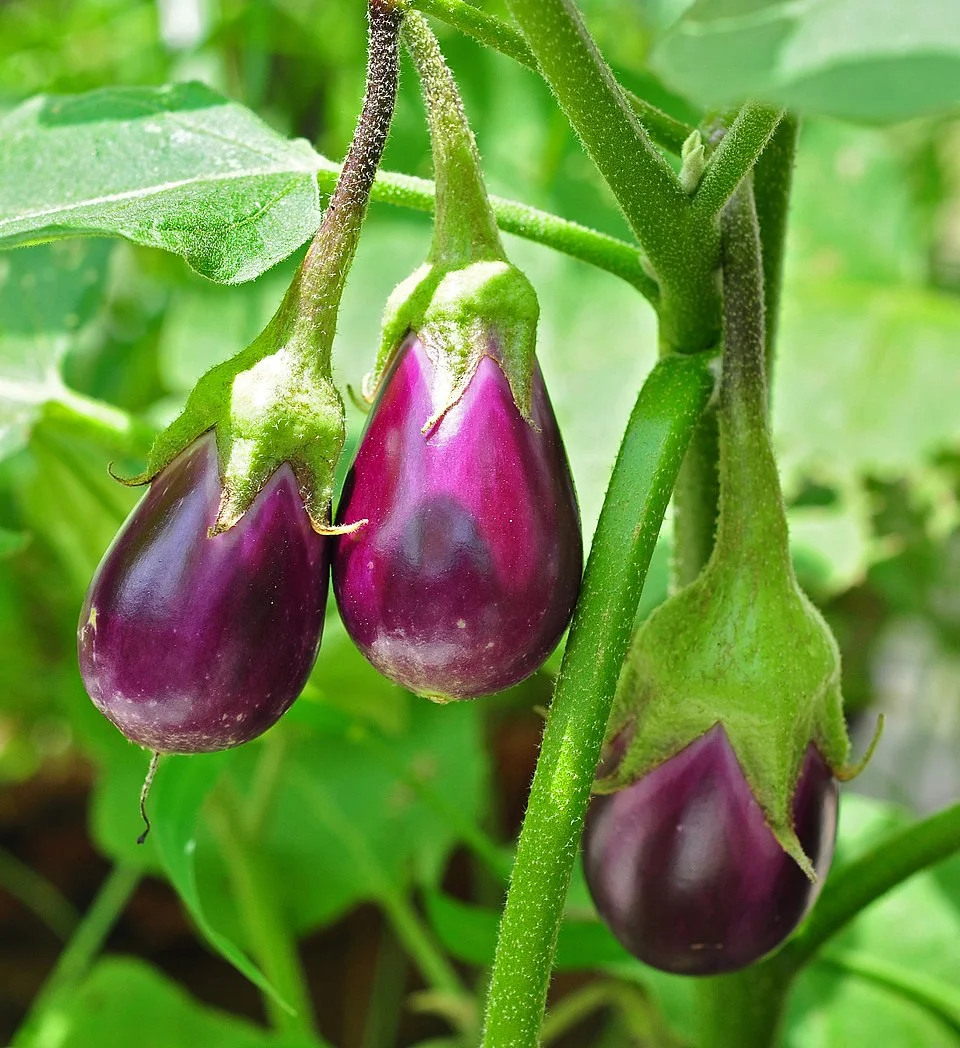 EggplantFavourable
Plant 9 Mar 2027 – 27 Jul 2027 opens in 23 weeks
matched to this season's forecast
about 30.7 t/ha expected
Irrigated: plant 21 Jan 2026 – 1 Jan 2027 · about 43.9 t/ha
Pest/disease risk — manageableSoil pH below the crop's optimumLate-maturing — drought risk -
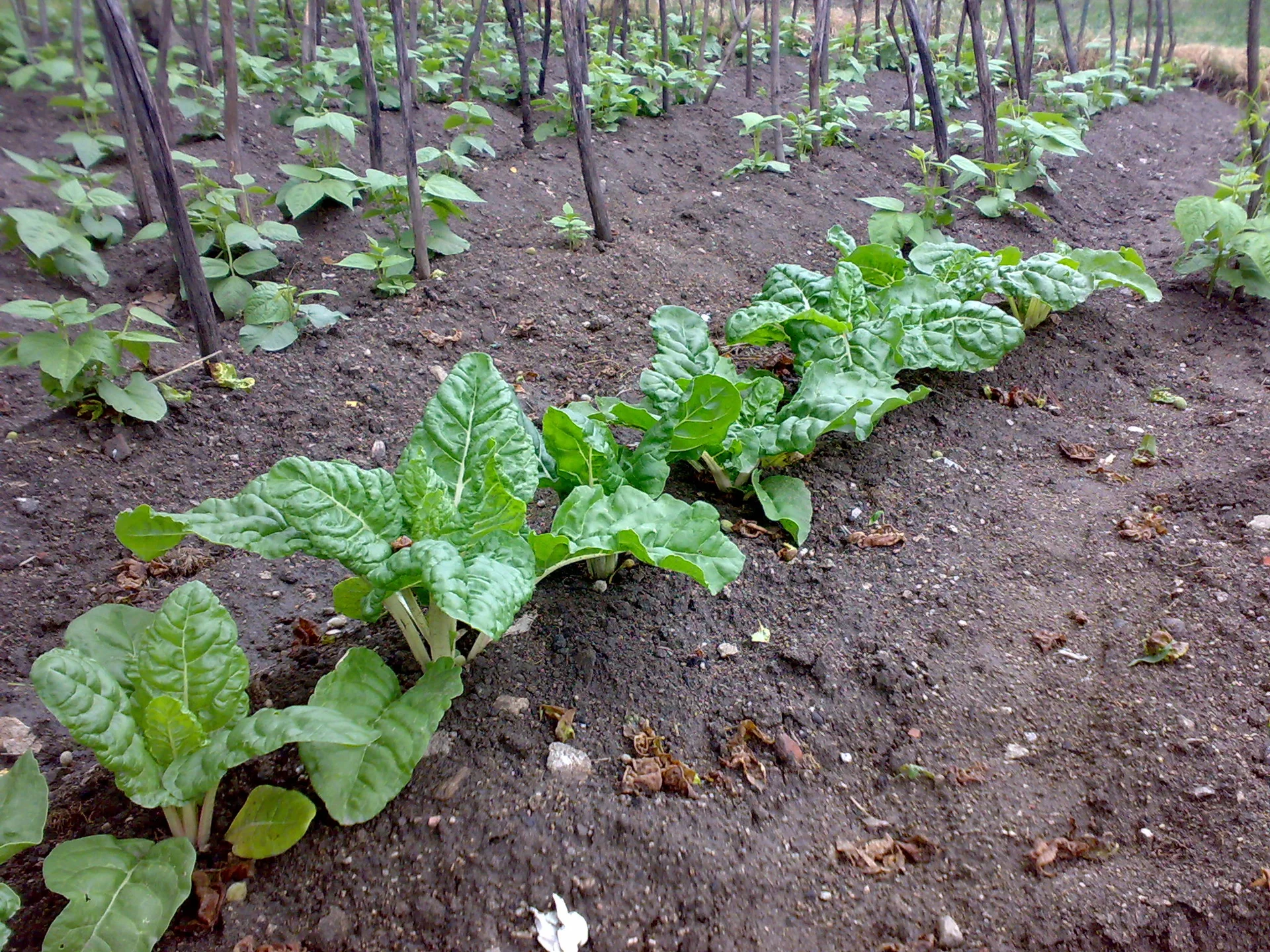 Swiss chardFavourable
Plant 8 May 2027 – 7 Jul 2027 opens in 31 weeks
matched to this season's forecast
about 30.7 t/ha expected
Irrigated: plant 21 May 2027 – 30 Jun 2027 · about 43.9 t/ha
Pest/disease risk — manageableSoil pH below the crop's optimumLate-maturing — drought risk -
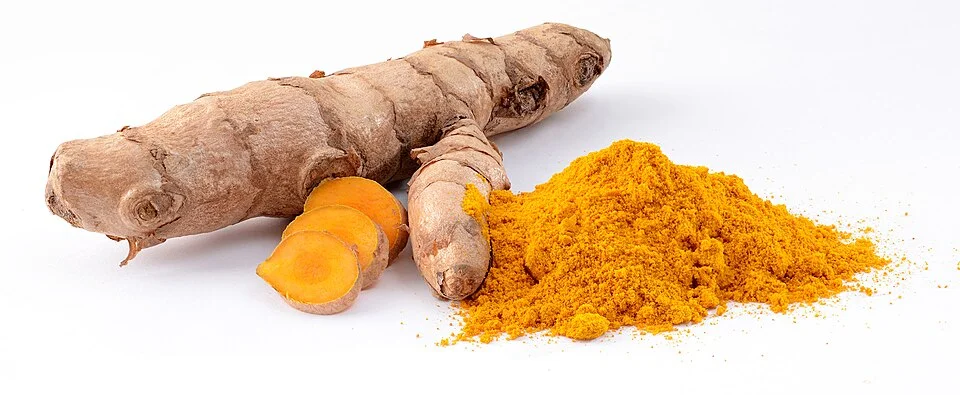 TurmericFavourable
Plant 17 Feb 2027 – 18 Apr 2027 opens in 20 weeks
matched to this season's forecast
about 21.9 t/ha expected
Irrigated: plant 21 Jan 2026 – 1 Jan 2027 · about 26.3 t/ha
Pest/disease risk — manageableLate-maturing — drought risk -
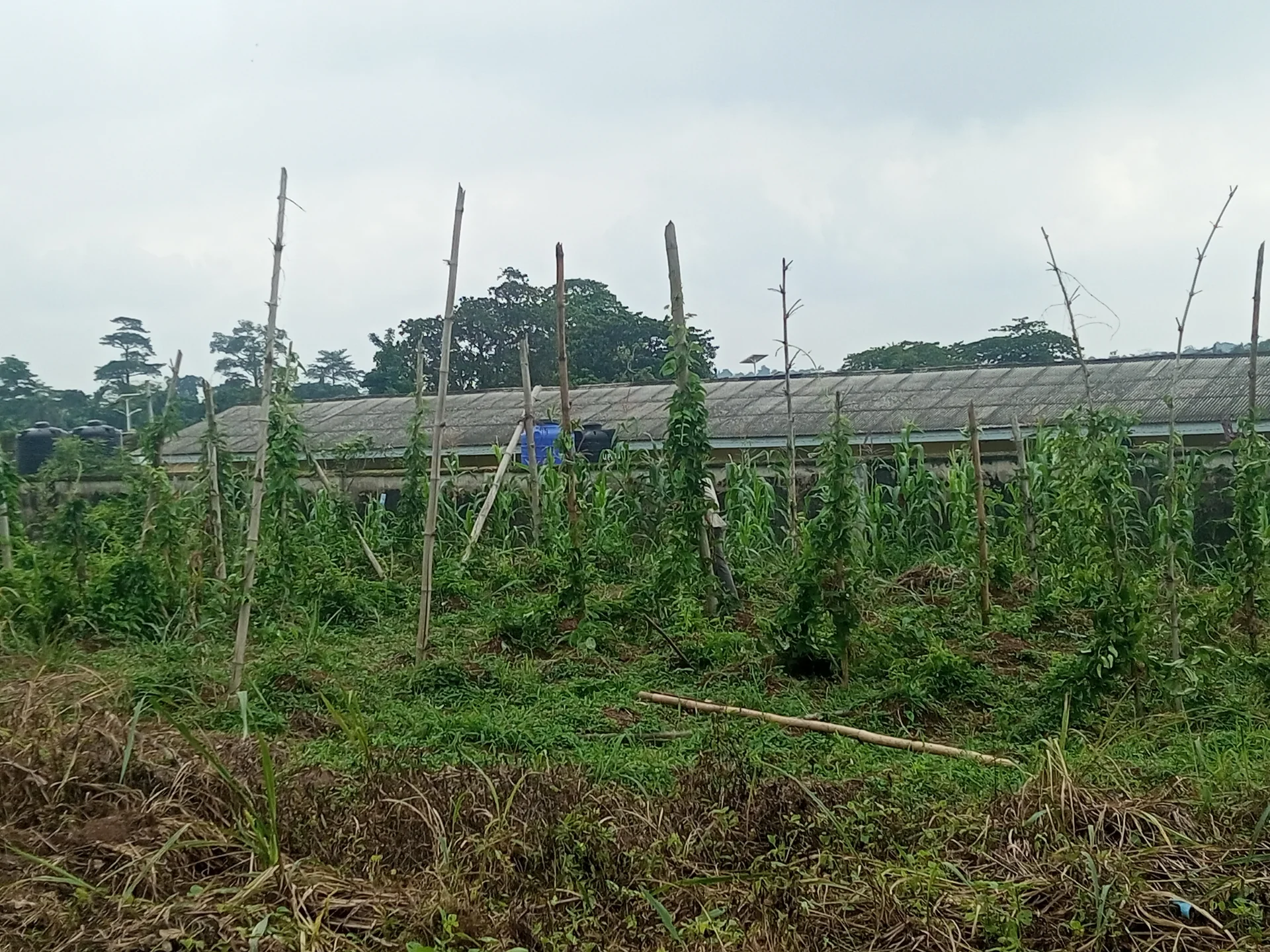 YamFavourable
Plant 17 Feb 2027 – 18 Apr 2027 opens in 20 weeks
matched to this season's forecast
about 21.9 t/ha expected
Irrigated: plant 21 Jan 2026 – 1 Jan 2027
Pest/disease risk — manageableLate-maturing — drought risk -
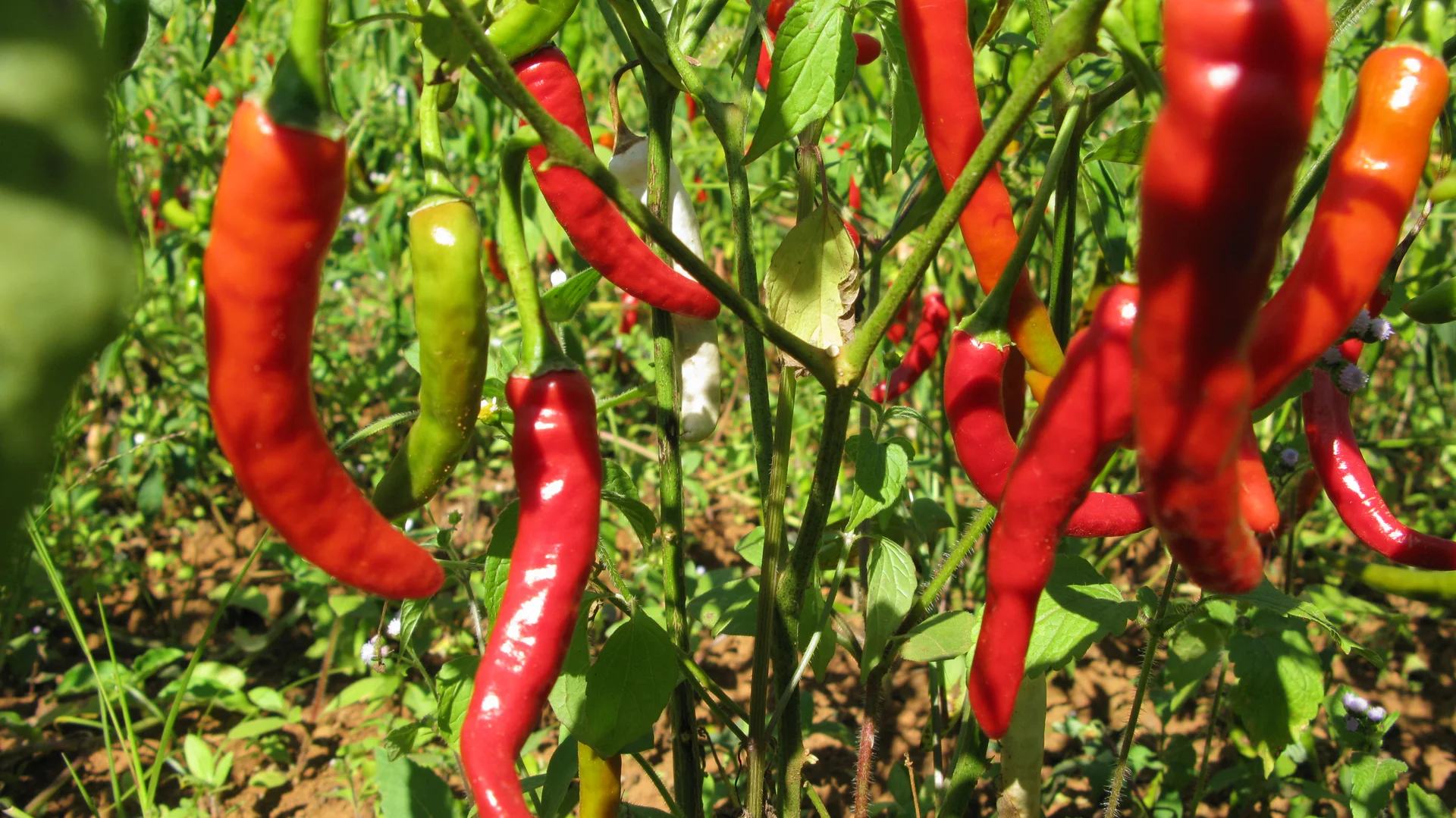 ChilliFavourable
Plant 27 Feb 2027 – 27 Jun 2027 opens in 21 weeks
matched to this season's forecast
about 13.2 t/ha expected
Irrigated: plant 21 Jan 2026 – 1 Jan 2027 · about 21.9 t/ha
Pest/disease risk — manageableSoil pH below the crop's optimumLate-maturing — drought risk -
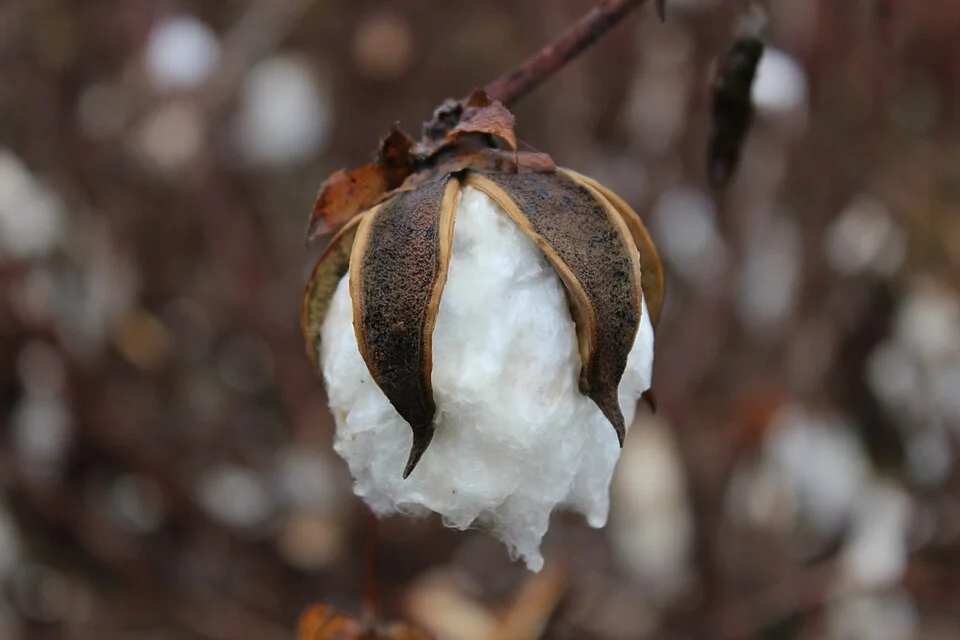 CottonFavourable
Plant 17 Feb 2027 – 27 Jun 2027 opens in 20 weeks
matched to this season's forecast
about 2.2 t/ha expected
Irrigated: plant 21 Jan 2026 – 1 Jan 2027 · about 3.5 t/ha
Pest/disease risk — manageableSoil pH outside the crop's rangeCorrect soil pH (lime) -
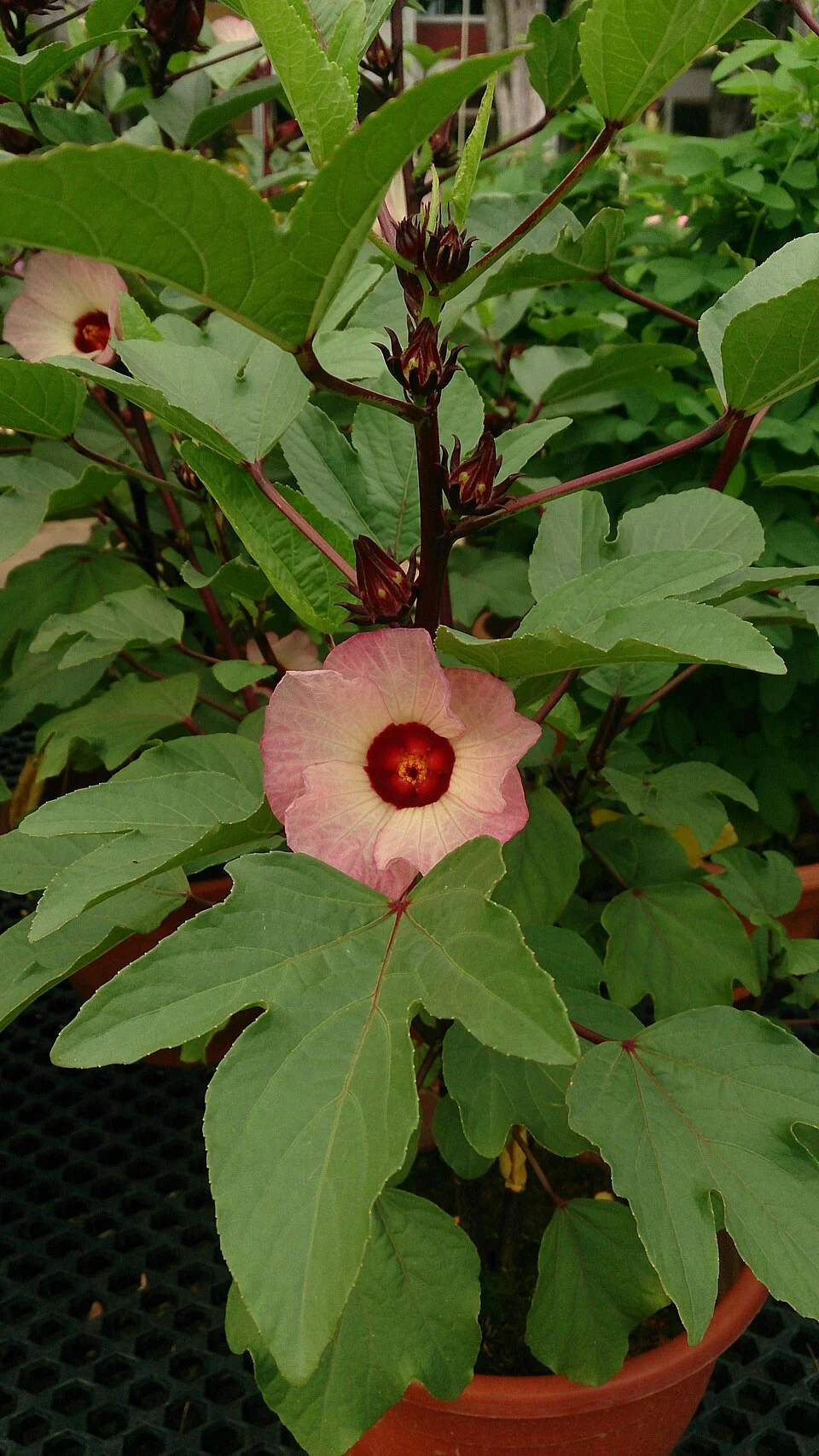 RoselleFavourable
Plant 27 Feb 2027 – 27 Jul 2027 opens in 21 weeks
matched to this season's forecast
about 1.1 t/ha expected
Irrigated: plant 21 Jan 2026 – 1 Jan 2027
Pest/disease risk — manageableLate-maturing — drought risk -
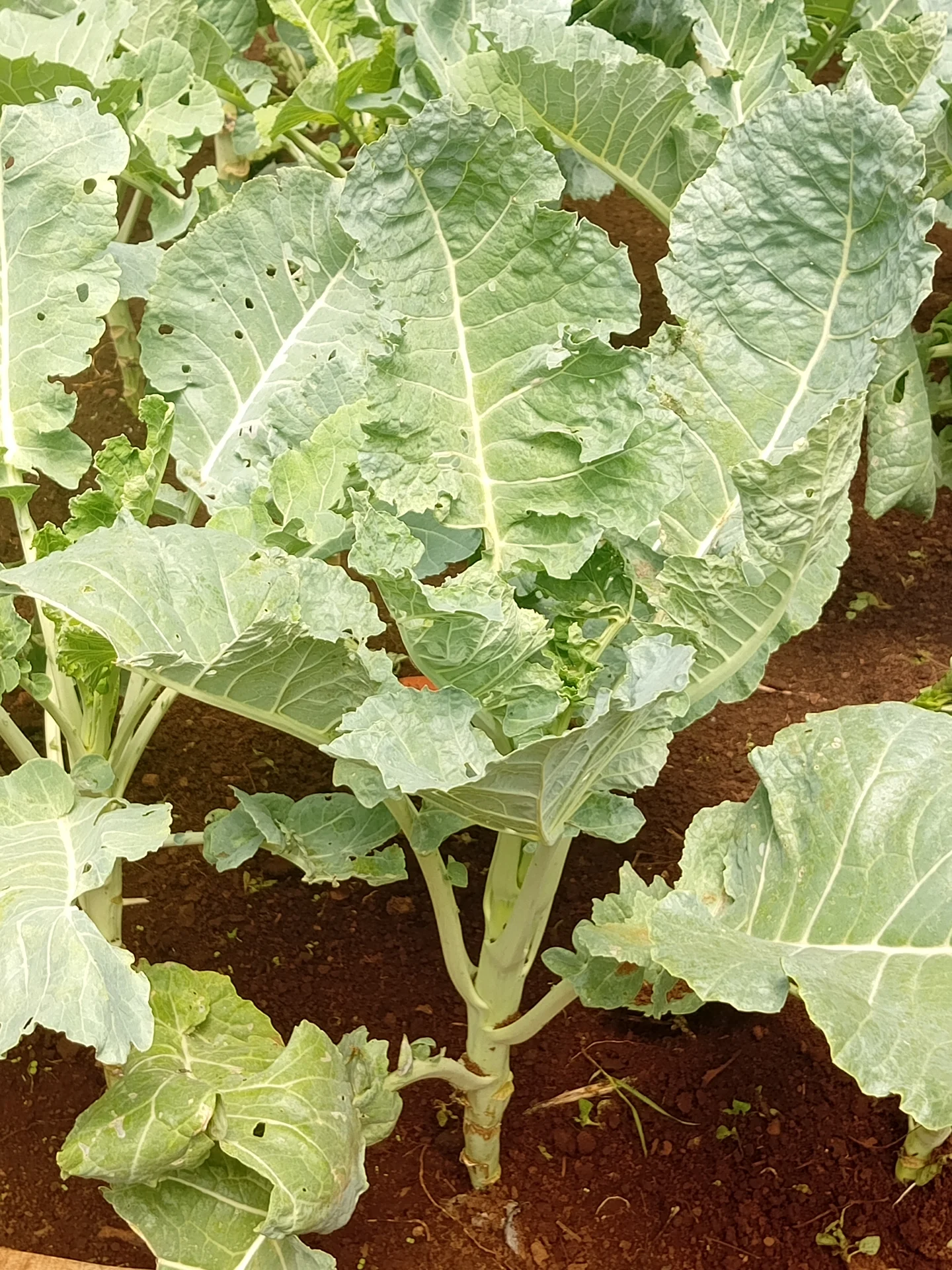 KaleFavourable
Plant 18 Apr 2027 – 17 Jul 2027 opens in 29 weeks
matched to this season's forecast
about 30.6 t/ha expected
Irrigated: plant 1 May 2027 – 20 Jul 2027 · about 43.6 t/ha
Pest/disease risk — manageableLate-maturing — drought risk -
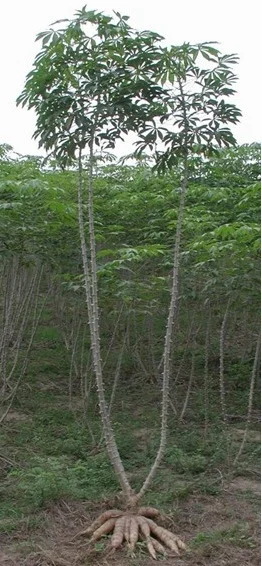 CassavaFavourable
Plant 17 Feb 2027 – 9 Mar 2027 opens in 20 weeks
matched to this season's forecast
about 25.1 t/ha expected
Irrigated: plant 21 Jan 2026 – 1 Jan 2027 · about 34.6 t/ha
Pest/disease risk — manageableLate-maturing — drought risk -
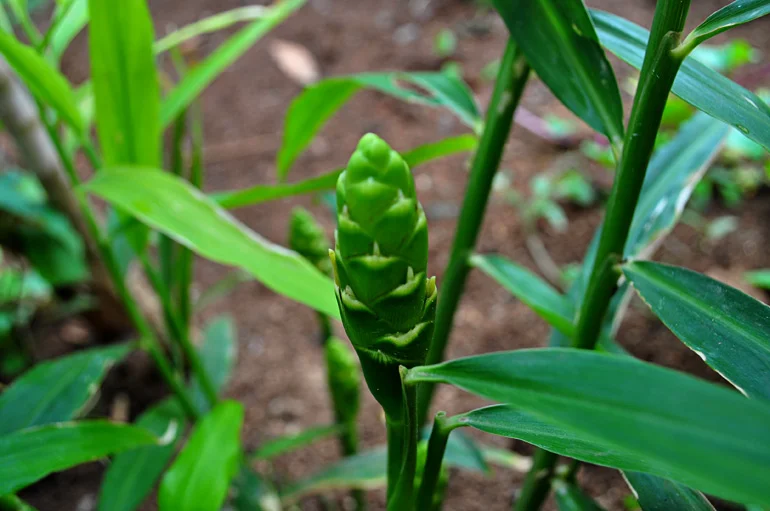 GingerFavourable
Plant 14 Feb 2027 – 16 Mar 2027 opens in 20 weeks
matched to this season's forecast
about 21.1 t/ha expected
Irrigated: plant 21 Jan 2026 – 1 Jan 2027 · about 26.3 t/ha
Pest/disease risk — manageableSoil pH below the crop's optimumLate-maturing — drought risk -
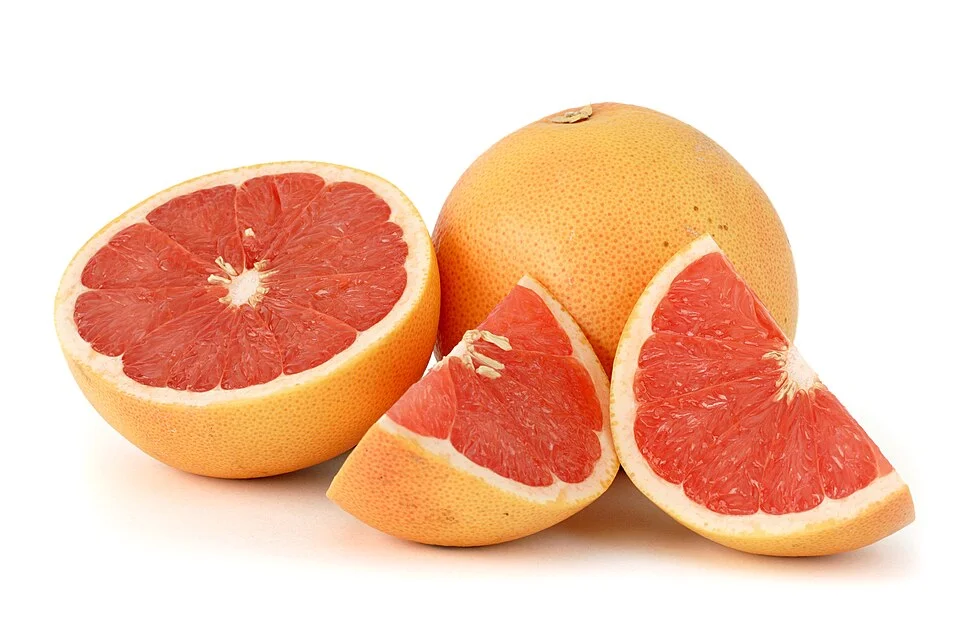 GrapefruitFavourable
Plant 17 Feb 2027 – 9 Mar 2027 opens in 20 weeks
matched to this season's forecast
about 18.3 t/ha expected
Irrigated: plant 21 Jan 2026 – 1 Jan 2027 · about 37.1 t/ha
Pest/disease risk — manageableSoil pH below the crop's optimum -
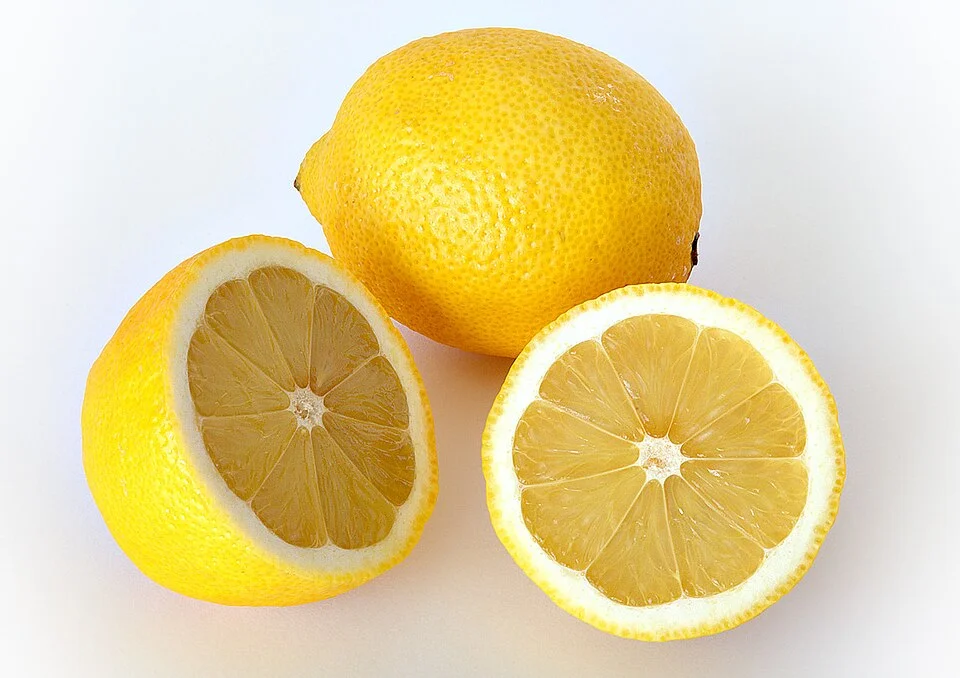 LemonFavourable
Plant 11 Mar 2027 – 23 Aug 2027 opens in 23 weeks
based on the rains it usually gets
about 18.9 t/ha expected
Irrigated: plant 21 Jan 2026 – 1 Jan 2027 · about 30.3 t/ha
Pest/disease risk — manageableSoil pH below the crop's optimum -
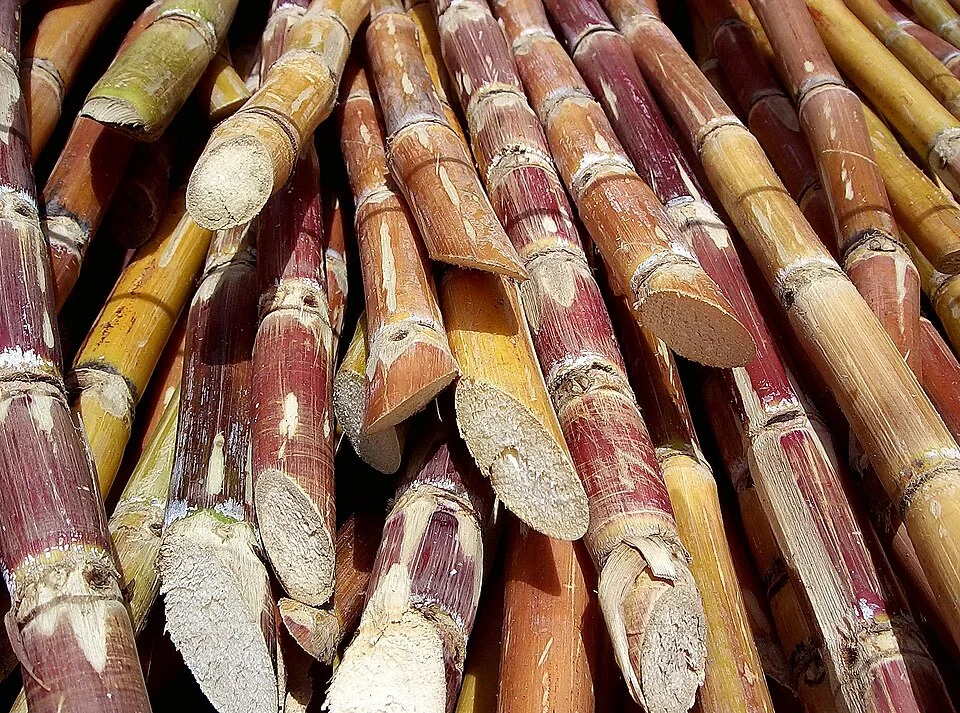 SugarcaneFavourable
Plant 17 Feb 2027 – 9 Mar 2027 opens in 20 weeks
matched to this season's forecast
about 56.8 t/ha expected
Irrigated: plant 21 Jan 2026 – 1 Jan 2027 · about 111.2 t/ha
Pest/disease risk — manageableNot enough water in seasonSoil pH below the crop's optimum -
 CoconutFavourable
Plant 17 Feb 2027 – 9 Mar 2027 opens in 20 weeks
matched to this season's forecast
about 1.5 t/ha expected
Irrigated: plant 21 Jan 2026 – 1 Jan 2027 · about 2.7 t/ha
Pest/disease risk — manageable -
 Sweet pepperFavourable
Plant 5 May 2027 – 14 Jul 2027 opens in 31 weeks
matched to this season's forecast
about 16.2 t/ha expected
· about 35.1 t/ha
Pest/disease risk — manageableSoil pH below the crop's optimumLate-maturing — drought risk -
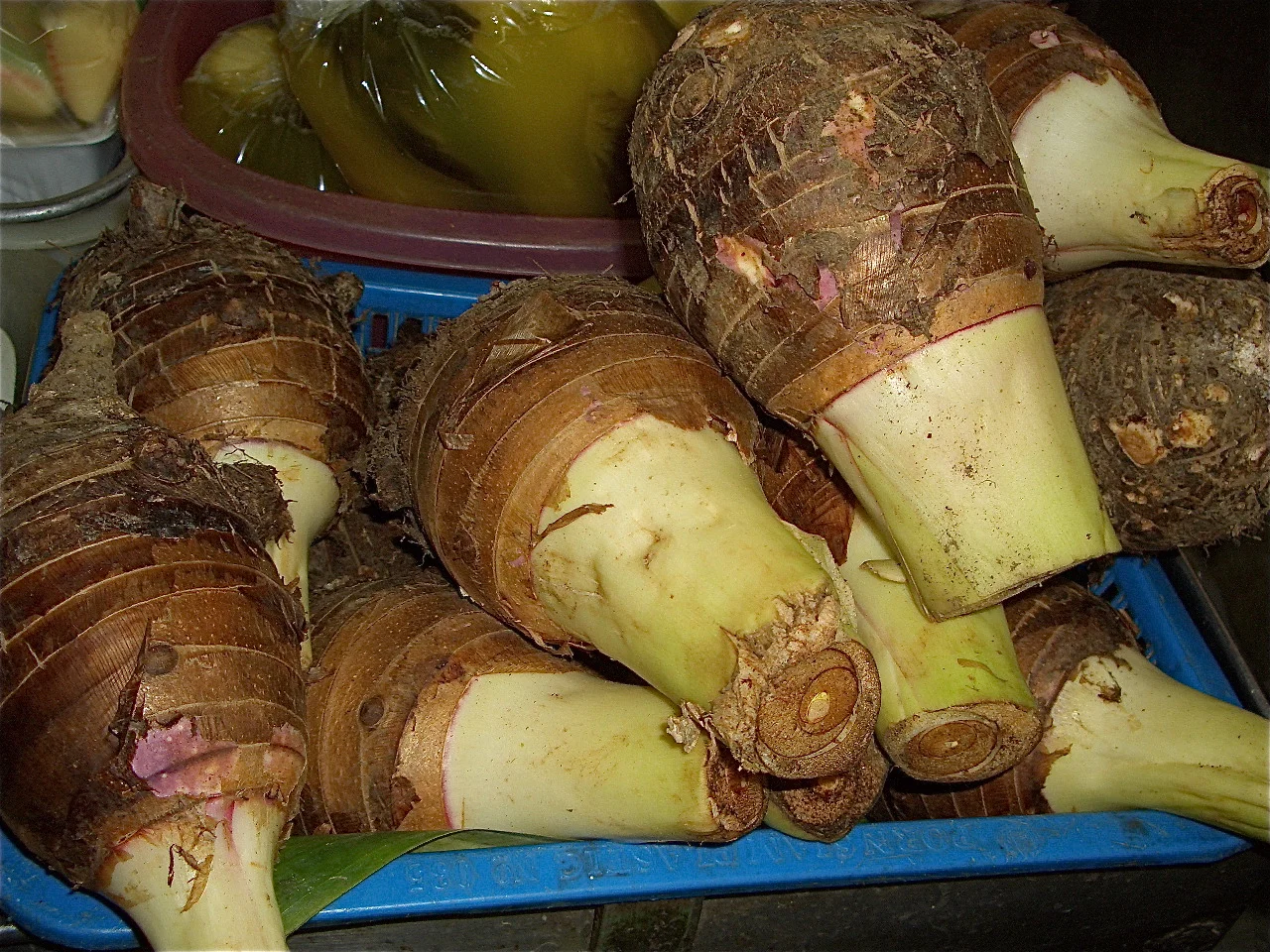 TaroFavourable
Plant 17 Feb 2027 – 9 Mar 2027 opens in 20 weeks
matched to this season's forecast
about 12.1 t/ha expected
Irrigated: plant 21 Jan 2026 – 1 Jan 2027 · about 27.5 t/ha
Pest/disease risk — manageableNot enough water in seasonLate-maturing — drought risk -
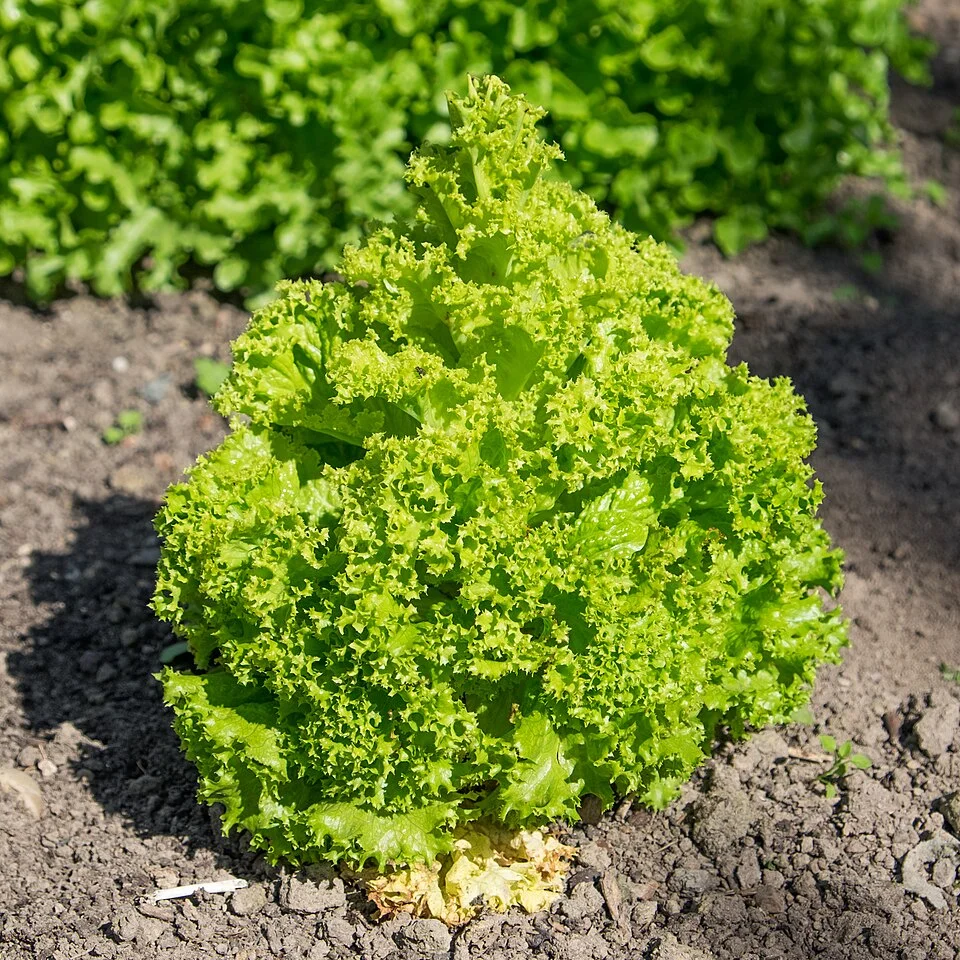 LettuceFavourable
Plant 17 Jun 2027 – 1 Aug 2027 opens in 37 weeks
matched to this season's forecast
about 13.9 t/ha expected
Irrigated: plant 10 Jun 2027 – 9 Aug 2027 · about 19.5 t/ha
Pest/disease risk — manageableSoil pH below the crop's optimumEarly-maturing — escapes late drought -
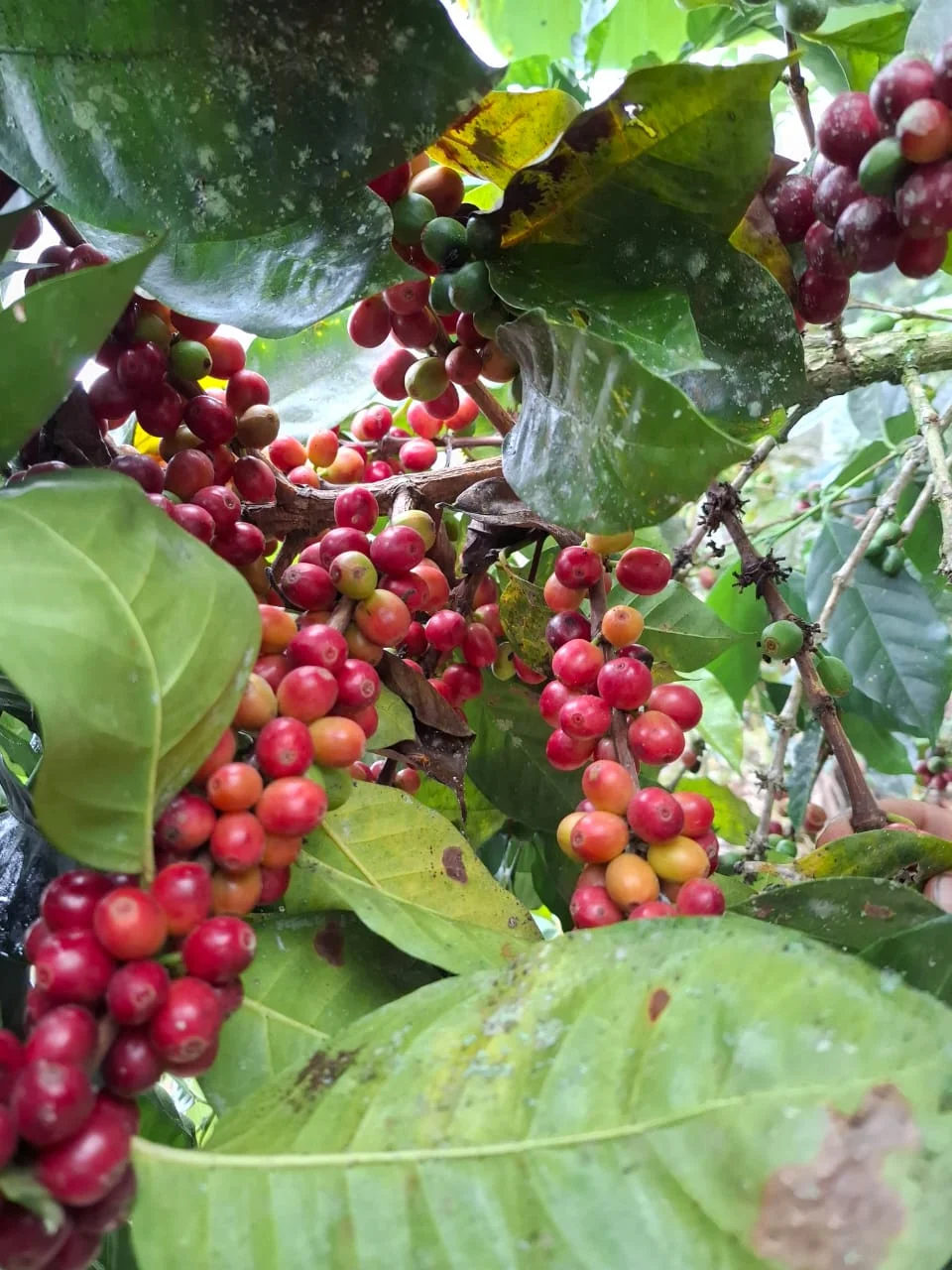 Arabica coffeeFavourable
Plant 27 Feb 2027 – 28 Apr 2027 opens in 21 weeks
based on the rains it usually gets
about 0.9 t/ha expected
Irrigated: plant 21 Jan 2026 – 1 Jan 2027
Pest/disease risk — manageable
12% humid, warm — 64 crops
-
CashewFavourable
Plant 28 Feb 2026 – 10 Oct 2026 open now
matched to this season's forecast
about 1.5 t/ha expected
Irrigated: plant 21 Jan 2026 – 1 Jan 2027 · about 2.0 t/ha
Pest/disease risk — manageable -
Pearl milletFavourable
Plant 27 Feb 2026 – 23 Sep 2026 closed for this season
matched to this season's forecast
about 2.4 t/ha expected
Irrigated: plant 21 Jan 2026 – 1 Jan 2027 · about 3.3 t/ha
Pest/disease risk — manageableEarly-maturing — escapes late drought -
WatermelonFavourable
Plant 12 Mar 2026 – 23 Sep 2026 closed for this season
matched to this season's forecast
about 30.7 t/ha expected
Irrigated: plant 21 Jan 2026 – 1 Jan 2027 · about 43.9 t/ha
Pest/disease risk — manageableSoil pH below the crop's optimumEarly-maturing — escapes late drought -
CucumberFavourable
Plant 31 Mar 2026 – 12 Oct 2026 open now
matched to this season's forecast
about 21.9 t/ha expected
Irrigated: plant 11 Apr 2026 – 1 Jan 2027 · about 35.1 t/ha
Pest/disease risk — manageableSoil pH below the crop's optimumEarly-maturing — escapes late drought -
African nightshadeFavourable
Plant 25 Mar 2026 – 23 Sep 2026 closed for this season
matched to this season's forecast
about 15.8 t/ha expected
Irrigated: plant 21 Jan 2026 – 1 Jan 2027 · about 21.9 t/ha
Pest/disease risk — manageableSoil pH below the crop's optimumEarly-maturing — escapes late drought -
Jute mallowFavourable
Plant 16 Mar 2026 – 27 Sep 2026 closed for this season
matched to this season's forecast
about 8.8 t/ha expected
Irrigated: plant 21 Jan 2026 – 1 Jan 2027 · about 13.2 t/ha
Pest/disease risk — manageableEarly-maturing — escapes late drought -
GuavaFavourable
Plant 26 Feb 2027 – 25 Aug 2027 opens in 21 weeks
matched to this season's forecast
about 25.0 t/ha expected
Irrigated: plant 21 Jan 2026 – 1 Jan 2027 · about 35.0 t/ha
Pest/disease risk — manageable -
MoringaFavourable
Plant 3 Apr 2027 – 20 Jul 2027 opens in 26 weeks
matched to this season's forecast
about 20.0 t/ha expected
Irrigated: plant 21 Jan 2026 – 1 Jan 2027 · about 35.0 t/ha
Pest/disease risk — manageableSoil pH below the crop's optimum -
Finger milletFavourable
Plant 26 Feb 2027 – 25 Aug 2027 opens in 21 weeks
matched to this season's forecast
about 2.8 t/ha expected
Irrigated: plant 10 Feb 2026 – 7 Dec 2026
Pest/disease risk — manageableSoil pH below the crop's optimumEarly-maturing — escapes late drought -
GroundnutFavourable
Plant 26 Feb 2027 – 1 Aug 2027 opens in 21 weeks
matched to this season's forecast
about 2.8 t/ha expected
Irrigated: plant 21 Jan 2026 – 1 Jan 2027 · about 3.8 t/ha
Pest/disease risk — manageableSoil pH below the crop's optimumEarly-maturing — escapes late drought -
Bambara groundnutFavourable
Plant 8 Mar 2027 – 20 Aug 2027 opens in 23 weeks
matched to this season's forecast
about 1.9 t/ha expected
Irrigated: plant 21 Jan 2026 – 1 Jan 2027
Pest/disease risk — manageable -
CowpeaFavourable
Plant 25 Mar 2027 – 10 Sep 2027 opens in 25 weeks
matched to this season's forecast
about 1.7 t/ha expected
Irrigated: plant 21 Jan 2026 – 1 Jan 2027 · about 2.4 t/ha
Pest/disease risk — manageableEarly-maturing — escapes late drought -
FonioFavourable
Plant 27 Feb 2027 – 15 Aug 2027 opens in 21 weeks
matched to this season's forecast
about 1.4 t/ha expected
Irrigated: plant 21 Jan 2026 – 1 Jan 2027
Pest/disease risk — manageableEarly-maturing — escapes late drought -
Green gramFavourable
Plant 14 Mar 2027 – 12 Sep 2027 opens in 24 weeks
matched to this season's forecast
about 1.4 t/ha expected
Irrigated: plant 21 Jan 2026 – 1 Jan 2027 · about 1.9 t/ha
Pest/disease risk — manageableSoil pH below the crop's optimumEarly-maturing — escapes late drought -
Egusi melonFavourable
Plant 10 Mar 2027 – 25 Aug 2027 opens in 23 weeks
matched to this season's forecast
about 1.1 t/ha expected
Irrigated: plant 21 Jan 2026 – 1 Jan 2027
Pest/disease risk — manageableSoil pH below the crop's optimumEarly-maturing — escapes late drought -
SesameFavourable
Plant 14 Feb 2027 – 8 Jul 2027 opens in 20 weeks
matched to this season's forecast
about 1.1 t/ha expected
Irrigated: plant 21 Jan 2026 – 1 Jan 2027
Pest/disease risk — manageableEarly-maturing — escapes late drought -
Niger seedFavourable
Plant 2 Jun 2027 – 26 Jun 2027 opens in 35 weeks
matched to this season's forecast
about 0.9 t/ha expected
Pest/disease risk — manageableEarly-maturing — escapes late drought -
LablabFavourable
Plant 25 Feb 2027 – 20 Aug 2027 opens in 21 weeks
matched to this season's forecast
about 1.9 t/ha expected
Irrigated: plant 21 Jan 2026 – 1 Jan 2027
Pest/disease risk — manageable -
BananaFavourable
Plant 10 Mar 2027 – 1 Aug 2027 opens in 23 weeks
matched to this season's forecast
about 27.8 t/ha expected
Irrigated: plant 21 Jan 2026 – 1 Jan 2027 · about 55.6 t/ha
Pest/disease risk — manageableSoil pH below the crop's optimum -
MandarinFavourable
Plant 26 Feb 2027 – 25 Aug 2027 opens in 21 weeks
matched to this season's forecast
about 18.5 t/ha expected
Irrigated: plant 21 Jan 2026 – 1 Jan 2027 · about 32.4 t/ha
Pest/disease risk — manageableSoil pH below the crop's optimum -
LimeFavourable
Plant 26 Feb 2027 – 25 Aug 2027 opens in 21 weeks
matched to this season's forecast
about 16.7 t/ha expected
Irrigated: plant 21 Jan 2026 – 1 Jan 2027 · about 23.2 t/ha
Pest/disease risk — manageableSoil pH below the crop's optimum -
MangoFavourable
Plant 26 Feb 2027 – 25 Aug 2027 opens in 21 weeks
matched to this season's forecast
about 16.7 t/ha expected
Irrigated: plant 21 Jan 2026 – 1 Jan 2027 · about 23.2 t/ha
Pest/disease risk — manageable -
CocoaFavourable
Plant 26 Mar 2027 – 14 Jul 2027 opens in 25 weeks
matched to this season's forecast
about 1.4 t/ha expected
Irrigated: plant 21 Jan 2026 – 1 Jan 2027 · about 1.9 t/ha
Pest/disease risk — manageableSoil pH below the crop's optimum -
PapayaFavourable
Plant 10 Mar 2027 – 1 Aug 2027 opens in 23 weeks
matched to this season's forecast
about 45.8 t/ha expected
Irrigated: plant 21 Jan 2026 – 1 Jan 2027 · about 64.2 t/ha
Pest/disease risk — manageableSoil pH below the crop's optimum -
Oil palmFavourable
Plant 3 Apr 2027 – 1 Aug 2027 opens in 26 weeks
matched to this season's forecast
about 13.7 t/ha expected
Irrigated: plant 21 Jan 2026 – 1 Jan 2027 · about 19.3 t/ha
Pest/disease risk — manageable -
TomatoFavourable
Plant 22 Mar 2027 – 25 Aug 2027 opens in 25 weeks
matched to this season's forecast
about 35.1 t/ha expected
Irrigated: plant 21 Jan 2026 – 1 Jan 2027 · about 61.4 t/ha
Pest/disease risk — manageableSoil pH below the crop's optimumEarly-maturing — escapes late drought -
CarrotFavourable
Plant 22 Mar 2027 – 6 Sep 2027 opens in 25 weeks
matched to this season's forecast
about 30.7 t/ha expected
Irrigated: plant 21 Jan 2026 – 1 Jan 2027 · about 43.9 t/ha
Pest/disease risk — manageableSoil pH below the crop's optimumEarly-maturing — escapes late drought -
Irish potatoFavourable
Plant 11 Jun 2027 – 7 Jul 2027 opens in 36 weeks
matched to this season's forecast
about 30.7 t/ha expected
Irrigated: plant 10 Jun 2027 – 30 Jun 2027 · about 39.5 t/ha
Pest/disease risk — manageableEarly-maturing — escapes late drought -
OnionFavourable
Plant 27 Apr 2027 – 13 Aug 2027 opens in 30 weeks
matched to this season's forecast
about 26.3 t/ha expected
· about 39.5 t/ha
Pest/disease risk — manageableSoil pH outside the crop's rangeCorrect soil pH (lime) -
African eggplantFavourable
Plant 10 Mar 2027 – 25 Aug 2027 opens in 23 weeks
matched to this season's forecast
about 21.9 t/ha expected
Irrigated: plant 21 Jan 2026 – 1 Jan 2027 · about 30.7 t/ha
Pest/disease risk — manageableSoil pH below the crop's optimumEarly-maturing — escapes late drought -
PumpkinFavourable
Plant 10 Mar 2027 – 6 Sep 2027 opens in 23 weeks
matched to this season's forecast
about 21.9 t/ha expected
Irrigated: plant 21 Jan 2026 – 1 Jan 2027 · about 30.7 t/ha
Pest/disease risk — manageableSoil pH below the crop's optimumEarly-maturing — escapes late drought -
Sweet potatoFavourable
Plant 2 Jun 2027 – 14 Jun 2027 opens in 35 weeks
matched to this season's forecast
about 21.9 t/ha expected
Irrigated: plant 10 Jun 2027 – 19 Jun 2027 · about 30.7 t/ha
Pest/disease risk — manageableEarly-maturing — escapes late drought -
AmaranthFavourable
Plant 25 Mar 2027 – 15 Aug 2027 opens in 25 weeks
matched to this season's forecast
about 17.6 t/ha expected
Irrigated: plant 21 Jan 2026 – 1 Jan 2027 · about 26.3 t/ha
Pest/disease risk — manageableEarly-maturing — escapes late drought -
OkraFavourable
Plant 31 Mar 2027 – 12 Sep 2027 opens in 26 weeks
matched to this season's forecast
about 8.8 t/ha expected
Irrigated: plant 21 Jan 2026 – 1 Jan 2027 · about 13.2 t/ha
Pest/disease risk — manageableSoil pH below the crop's optimumEarly-maturing — escapes late drought -
Spider plantFavourable
Plant 28 Mar 2027 – 12 Sep 2027 opens in 26 weeks
matched to this season's forecast
about 8.8 t/ha expected
Irrigated: plant 21 Jan 2026 – 1 Jan 2027 · about 13.2 t/ha
Soil pH below the crop's optimumEarly-maturing — escapes late drought -
MaizeFavourable
Plant 8 Mar 2027 – 9 Aug 2027 opens in 23 weeks
matched to this season's forecast
about 6.1 t/ha expected
Irrigated: plant 21 Jan 2026 – 1 Jan 2027 · about 8.8 t/ha
Pest/disease risk — manageable -
RiceFavourable
Plant 3 Apr 2027 – 1 Aug 2027 opens in 26 weeks
matched to this season's forecast
about 4.4 t/ha expected
Irrigated: plant 21 Jan 2026 – 1 Jan 2027 · about 6.1 t/ha
Pest/disease risk — manageableEarly-maturing — escapes late drought -
SorghumFavourable
Plant 26 Feb 2027 – 25 Aug 2027 opens in 21 weeks
matched to this season's forecast
about 3.5 t/ha expected
Irrigated: plant 21 Jan 2026 – 1 Jan 2027 · about 4.4 t/ha
Pest/disease risk — manageableSoil pH below the crop's optimumEarly-maturing — escapes late drought -
SoybeanFavourable
Plant 26 Feb 2027 – 13 Aug 2027 opens in 21 weeks
matched to this season's forecast
about 2.6 t/ha expected
Irrigated: plant 21 Jan 2026 – 1 Jan 2027 · about 3.5 t/ha
Pest/disease risk — manageableSoil pH below the crop's optimumEarly-maturing — escapes late drought -
TobaccoFavourable
Plant 10 Mar 2027 – 25 Aug 2027 opens in 23 weeks
matched to this season's forecast
about 2.6 t/ha expected
Irrigated: plant 21 Jan 2026 – 1 Jan 2027 · about 3.1 t/ha
Pest/disease risk — manageableEarly-maturing — escapes late drought -
Common beanFavourable
Plant 25 Mar 2027 – 10 Sep 2027 opens in 25 weeks
matched to this season's forecast
about 2.2 t/ha expected
Irrigated: plant 21 Jan 2026 – 1 Jan 2027
Pest/disease risk — manageableEarly-maturing — escapes late drought -
SunflowerFavourable
Plant 15 Apr 2027 – 25 Aug 2027 opens in 28 weeks
matched to this season's forecast
about 2.2 t/ha expected
Irrigated: plant 11 Apr 2027 – 9 Aug 2027 · about 3.1 t/ha
Pest/disease risk — manageableSoil pH outside the crop's rangeCorrect soil pH (lime) -
Sweet orangeFavourable
Plant 14 Feb 2027 – 16 Mar 2027 opens in 20 weeks
matched to this season's forecast
about 21.1 t/ha expected
Irrigated: plant 21 Jan 2026 – 1 Jan 2027 · about 33.7 t/ha
Pest/disease risk — manageableSoil pH below the crop's optimum -
LemonFavourable
Plant 10 Mar 2027 – 25 Aug 2027 opens in 23 weeks
based on the rains it usually gets
about 20.5 t/ha expected
Irrigated: plant 21 Jan 2026 – 1 Jan 2027 · about 30.3 t/ha
Pest/disease risk — manageableSoil pH below the crop's optimum -
PineappleFavourable
Plant 14 Feb 2027 – 6 Mar 2027 opens in 20 weeks
matched to this season's forecast
about 44.9 t/ha expected
Irrigated: plant 21 Jan 2026 – 1 Jan 2027 · about 64.8 t/ha
Pest/disease risk — manageableSoil pH below the crop's optimum -
Robusta coffeeFavourable
Plant 14 Feb 2027 – 6 Mar 2027 opens in 20 weeks
matched to this season's forecast
about 1.6 t/ha expected
Irrigated: plant 21 Jan 2026 – 1 Jan 2027 · about 2.8 t/ha
Pest/disease risk — manageable -
Pigeon peaFavourable
Plant 14 Feb 2027 – 14 Jun 2027 opens in 20 weeks
matched to this season's forecast
about 2.0 t/ha expected
Irrigated: plant 21 Jan 2026 – 1 Jan 2027
Pest/disease risk — manageableLate-maturing — drought risk -
EggplantFavourable
Plant 6 Mar 2027 – 24 Jul 2027 opens in 22 weeks
matched to this season's forecast
about 30.7 t/ha expected
Irrigated: plant 21 Jan 2026 – 1 Jan 2027 · about 43.9 t/ha
Pest/disease risk — manageableSoil pH below the crop's optimumLate-maturing — drought risk -
Swiss chardFavourable
Plant 5 May 2027 – 14 Jul 2027 opens in 31 weeks
matched to this season's forecast
about 30.7 t/ha expected
Irrigated: plant 21 May 2027 – 30 Jun 2027 · about 43.9 t/ha
Pest/disease risk — manageableSoil pH below the crop's optimumLate-maturing — drought risk -
TurmericFavourable
Plant 14 Feb 2027 – 15 Apr 2027 opens in 20 weeks
matched to this season's forecast
about 21.9 t/ha expected
Irrigated: plant 21 Jan 2026 – 1 Jan 2027 · about 26.3 t/ha
Pest/disease risk — manageableLate-maturing — drought risk -
YamFavourable
Plant 14 Feb 2027 – 15 Apr 2027 opens in 20 weeks
matched to this season's forecast
about 21.9 t/ha expected
Irrigated: plant 21 Jan 2026 – 1 Jan 2027
Pest/disease risk — manageableLate-maturing — drought risk -
Sweet pepperFavourable
Plant 5 May 2027 – 14 Jul 2027 opens in 31 weeks
matched to this season's forecast
about 21.9 t/ha expected
· about 35.1 t/ha
Pest/disease risk — manageableSoil pH below the crop's optimumLate-maturing — drought risk -
ChilliFavourable
Plant 24 Feb 2027 – 24 Jun 2027 opens in 21 weeks
matched to this season's forecast
about 13.2 t/ha expected
Irrigated: plant 21 Jan 2026 – 1 Jan 2027 · about 21.9 t/ha
Pest/disease risk — manageableSoil pH below the crop's optimumLate-maturing — drought risk -
CottonFavourable
Plant 14 Feb 2027 – 24 Jun 2027 opens in 20 weeks
matched to this season's forecast
about 2.2 t/ha expected
Irrigated: plant 21 Jan 2026 – 1 Jan 2027 · about 3.5 t/ha
Pest/disease risk — manageableSoil pH outside the crop's rangeCorrect soil pH (lime) -
RoselleFavourable
Plant 24 Feb 2027 – 24 Jul 2027 opens in 21 weeks
matched to this season's forecast
about 1.1 t/ha expected
Irrigated: plant 21 Jan 2026 – 1 Jan 2027
Pest/disease risk — manageableLate-maturing — drought risk -
KaleFavourable
Plant 15 Apr 2027 – 24 Jul 2027 opens in 28 weeks
matched to this season's forecast
about 30.7 t/ha expected
Irrigated: plant 1 May 2027 – 20 Jul 2027 · about 43.6 t/ha
Pest/disease risk — manageableLate-maturing — drought risk -
CassavaFavourable
Plant 14 Feb 2027 – 6 Mar 2027 opens in 20 weeks
matched to this season's forecast
about 26.0 t/ha expected
Irrigated: plant 21 Jan 2026 – 1 Jan 2027 · about 34.6 t/ha
Pest/disease risk — manageableLate-maturing — drought risk -
GrapefruitFavourable
Plant 14 Feb 2027 – 6 Mar 2027 opens in 20 weeks
matched to this season's forecast
about 18.6 t/ha expected
Irrigated: plant 21 Jan 2026 – 1 Jan 2027 · about 37.1 t/ha
Pest/disease risk — manageableSoil pH below the crop's optimum -
SugarcaneFavourable
Plant 14 Feb 2027 – 6 Mar 2027 opens in 20 weeks
matched to this season's forecast
about 58.9 t/ha expected
Irrigated: plant 21 Jan 2026 – 1 Jan 2027 · about 111.2 t/ha
Pest/disease risk — manageableSoil pH below the crop's optimum -
CoconutFavourable
Plant 14 Feb 2027 – 6 Mar 2027 opens in 20 weeks
matched to this season's forecast
about 1.6 t/ha expected
Irrigated: plant 21 Jan 2026 – 1 Jan 2027 · about 2.7 t/ha
Pest/disease risk — manageable -
GingerFavourable
Plant 14 Feb 2027 – 6 Mar 2027 opens in 20 weeks
matched to this season's forecast
about 19.9 t/ha expected
Irrigated: plant 21 Jan 2026 – 1 Jan 2027 · about 26.3 t/ha
Pest/disease risk — manageableSoil pH below the crop's optimumLate-maturing — drought risk -
TaroFavourable
Plant 14 Feb 2027 – 6 Mar 2027 opens in 20 weeks
matched to this season's forecast
about 12.3 t/ha expected
Irrigated: plant 21 Jan 2026 – 1 Jan 2027 · about 27.5 t/ha
Pest/disease risk — manageableNot enough water in seasonLate-maturing — drought risk -
LettuceFavourable
Plant 14 Jun 2027 – 13 Aug 2027 opens in 37 weeks
matched to this season's forecast
about 13.9 t/ha expected
Irrigated: plant 10 Jun 2027 – 9 Aug 2027 · about 19.5 t/ha
Pest/disease risk — manageableSoil pH below the crop's optimumEarly-maturing — escapes late drought -
Arabica coffeeFavourable
Plant 24 Feb 2027 – 25 Apr 2027 opens in 21 weeks
based on the rains it usually gets
about 1.0 t/ha expected
Irrigated: plant 21 Jan 2026 – 1 Jan 2027
Pest/disease risk — manageable
6% lowland, sub-humid, warm — 63 crops
-
CashewFavourable
Plant 5 Mar 2026 – 1 Oct 2026 open now
matched to this season's forecast
about 1.5 t/ha expected
Irrigated: plant 21 Jan 2026 – 1 Jan 2027 · about 2.0 t/ha
Pest/disease risk — manageable -
CucumberFavourable
Plant 5 Apr 2026 – 2 Oct 2026 open now
matched to this season's forecast
about 21.9 t/ha expected
Irrigated: plant 11 Apr 2026 – 1 Jan 2027 · about 35.1 t/ha
Pest/disease risk — manageableSoil pH below the crop's optimumEarly-maturing — escapes late drought -
Jute mallowFavourable
Plant 21 Mar 2026 – 2 Oct 2026 open now
matched to this season's forecast
about 8.8 t/ha expected
Irrigated: plant 21 Jan 2026 – 1 Jan 2027 · about 13.2 t/ha
Pest/disease risk — manageableEarly-maturing — escapes late drought -
OkraFavourable
Plant 5 Apr 2026 – 17 Sep 2026 closed for this season
matched to this season's forecast
about 8.8 t/ha expected
Irrigated: plant 21 Jan 2026 – 1 Jan 2027 · about 13.2 t/ha
Pest/disease risk — manageableSoil pH below the crop's optimumEarly-maturing — escapes late drought -
Spider plantFavourable
Plant 2 Apr 2026 – 17 Sep 2026 closed for this season
matched to this season's forecast
about 8.8 t/ha expected
Irrigated: plant 21 Jan 2026 – 1 Jan 2027 · about 13.2 t/ha
Soil pH below the crop's optimumEarly-maturing — escapes late drought -
GuavaFavourable
Plant 2 Mar 2027 – 25 Aug 2027 opens in 22 weeks
matched to this season's forecast
about 25.0 t/ha expected
Irrigated: plant 21 Jan 2026 – 1 Jan 2027 · about 35.0 t/ha
Pest/disease risk — manageable -
MoringaFavourable
Plant 4 Apr 2027 – 23 Jul 2027 opens in 27 weeks
matched to this season's forecast
about 20.0 t/ha expected
Irrigated: plant 21 Jan 2026 – 1 Jan 2027 · about 35.0 t/ha
Pest/disease risk — manageableSoil pH below the crop's optimum -
Finger milletFavourable
Plant 19 Feb 2027 – 6 Aug 2027 opens in 20 weeks
matched to this season's forecast
about 2.8 t/ha expected
Irrigated: plant 10 Feb 2026 – 7 Dec 2026
Pest/disease risk — manageableSoil pH below the crop's optimumEarly-maturing — escapes late drought -
GroundnutFavourable
Plant 2 Mar 2027 – 23 Jul 2027 opens in 22 weeks
matched to this season's forecast
about 2.8 t/ha expected
Irrigated: plant 21 Jan 2026 – 1 Jan 2027 · about 3.8 t/ha
Pest/disease risk — manageableSoil pH below the crop's optimumEarly-maturing — escapes late drought -
Pearl milletFavourable
Plant 4 Mar 2027 – 15 Sep 2027 opens in 22 weeks
matched to this season's forecast
about 2.4 t/ha expected
Irrigated: plant 21 Jan 2026 – 1 Jan 2027 · about 3.3 t/ha
Pest/disease risk — manageableEarly-maturing — escapes late drought -
Bambara groundnutFavourable
Plant 13 Mar 2027 – 14 Aug 2027 opens in 23 weeks
matched to this season's forecast
about 1.9 t/ha expected
Irrigated: plant 21 Jan 2026 – 1 Jan 2027
Pest/disease risk — manageable -
LablabFavourable
Plant 2 Mar 2027 – 25 Aug 2027 opens in 22 weeks
matched to this season's forecast
about 1.9 t/ha expected
Irrigated: plant 21 Jan 2026 – 1 Jan 2027
Pest/disease risk — manageable -
CowpeaFavourable
Plant 17 Mar 2027 – 2 Sep 2027 opens in 24 weeks
matched to this season's forecast
about 1.7 t/ha expected
Irrigated: plant 21 Jan 2026 – 1 Jan 2027 · about 2.4 t/ha
Pest/disease risk — manageableEarly-maturing — escapes late drought -
FonioFavourable
Plant 4 Mar 2027 – 7 Aug 2027 opens in 22 weeks
matched to this season's forecast
about 1.4 t/ha expected
Irrigated: plant 21 Jan 2026 – 1 Jan 2027
Pest/disease risk — manageableEarly-maturing — escapes late drought -
Green gramFavourable
Plant 19 Mar 2027 – 3 Sep 2027 opens in 24 weeks
matched to this season's forecast
about 1.4 t/ha expected
Irrigated: plant 21 Jan 2026 – 1 Jan 2027 · about 1.9 t/ha
Pest/disease risk — manageableSoil pH below the crop's optimumEarly-maturing — escapes late drought -
Egusi melonFavourable
Plant 2 Mar 2027 – 25 Aug 2027 opens in 22 weeks
matched to this season's forecast
about 1.1 t/ha expected
Irrigated: plant 21 Jan 2026 – 1 Jan 2027
Pest/disease risk — manageableSoil pH below the crop's optimumEarly-maturing — escapes late drought -
SesameFavourable
Plant 19 Feb 2027 – 1 Jul 2027 opens in 20 weeks
matched to this season's forecast
about 1.1 t/ha expected
Irrigated: plant 21 Jan 2026 – 1 Jan 2027
Pest/disease risk — manageableEarly-maturing — escapes late drought -
Niger seedFavourable
Plant 9 Jun 2027 – 1 Jul 2027 opens in 36 weeks
matched to this season's forecast
about 0.9 t/ha expected
Pest/disease risk — manageableEarly-maturing — escapes late drought -
MandarinFavourable
Plant 2 Mar 2027 – 25 Aug 2027 opens in 22 weeks
matched to this season's forecast
about 18.5 t/ha expected
Irrigated: plant 21 Jan 2026 – 1 Jan 2027 · about 32.4 t/ha
Pest/disease risk — manageableSoil pH below the crop's optimum -
LimeFavourable
Plant 2 Mar 2027 – 25 Aug 2027 opens in 22 weeks
matched to this season's forecast
about 16.7 t/ha expected
Irrigated: plant 21 Jan 2026 – 1 Jan 2027 · about 23.2 t/ha
Pest/disease risk — manageableSoil pH below the crop's optimum -
MangoFavourable
Plant 19 Feb 2027 – 25 Aug 2027 opens in 20 weeks
matched to this season's forecast
about 16.7 t/ha expected
Irrigated: plant 21 Jan 2026 – 1 Jan 2027 · about 23.2 t/ha
Pest/disease risk — manageable -
PapayaFavourable
Plant 13 Mar 2027 – 23 Jul 2027 opens in 23 weeks
matched to this season's forecast
about 45.8 t/ha expected
Irrigated: plant 21 Jan 2026 – 1 Jan 2027 · about 64.2 t/ha
Pest/disease risk — manageableSoil pH below the crop's optimum -
LemonFavourable
Plant 12 Mar 2027 – 24 Aug 2027 opens in 23 weeks
based on the rains it usually gets
about 22.4 t/ha expected
Irrigated: plant 21 Jan 2026 – 1 Jan 2027 · about 30.3 t/ha
Pest/disease risk — manageableSoil pH below the crop's optimum -
TomatoFavourable
Plant 24 Mar 2027 – 14 Aug 2027 opens in 25 weeks
matched to this season's forecast
about 35.1 t/ha expected
Irrigated: plant 21 Jan 2026 – 1 Jan 2027 · about 61.4 t/ha
Pest/disease risk — manageableSoil pH below the crop's optimumEarly-maturing — escapes late drought -
CarrotFavourable
Plant 27 Mar 2027 – 30 Aug 2027 opens in 25 weeks
matched to this season's forecast
about 30.7 t/ha expected
Irrigated: plant 21 Jan 2026 – 1 Jan 2027 · about 43.9 t/ha
Pest/disease risk — manageableSoil pH below the crop's optimumEarly-maturing — escapes late drought -
Irish potatoFavourable
Plant 7 Jun 2027 – 13 Jul 2027 opens in 36 weeks
matched to this season's forecast
about 30.7 t/ha expected
Irrigated: plant 10 Jun 2027 – 30 Jun 2027 · about 39.5 t/ha
Pest/disease risk — manageableEarly-maturing — escapes late drought -
WatermelonFavourable
Plant 17 Mar 2027 – 15 Sep 2027 opens in 24 weeks
matched to this season's forecast
about 30.7 t/ha expected
Irrigated: plant 21 Jan 2026 – 1 Jan 2027 · about 43.9 t/ha
Pest/disease risk — manageableSoil pH below the crop's optimumEarly-maturing — escapes late drought -
OnionFavourable
Plant 20 Apr 2027 – 6 Aug 2027 opens in 29 weeks
matched to this season's forecast
about 26.3 t/ha expected
· about 39.5 t/ha
Pest/disease risk — manageableSoil pH outside the crop's rangeCorrect soil pH (lime) -
African eggplantFavourable
Plant 15 Mar 2027 – 18 Aug 2027 opens in 24 weeks
matched to this season's forecast
about 21.9 t/ha expected
Irrigated: plant 21 Jan 2026 – 1 Jan 2027 · about 30.7 t/ha
Pest/disease risk — manageableSoil pH below the crop's optimumEarly-maturing — escapes late drought -
PumpkinFavourable
Plant 15 Mar 2027 – 11 Sep 2027 opens in 24 weeks
matched to this season's forecast
about 21.9 t/ha expected
Irrigated: plant 21 Jan 2026 – 1 Jan 2027 · about 30.7 t/ha
Pest/disease risk — manageableSoil pH below the crop's optimumEarly-maturing — escapes late drought -
Sweet potatoFavourable
Plant 9 Jun 2027 – 18 Jun 2027 opens in 36 weeks
matched to this season's forecast
about 21.9 t/ha expected
Irrigated: plant 10 Jun 2027 – 19 Jun 2027 · about 30.7 t/ha
Pest/disease risk — manageableEarly-maturing — escapes late drought -
AmaranthFavourable
Plant 30 Mar 2027 – 20 Aug 2027 opens in 26 weeks
matched to this season's forecast
about 17.6 t/ha expected
Irrigated: plant 21 Jan 2026 – 1 Jan 2027 · about 26.3 t/ha
Pest/disease risk — manageableEarly-maturing — escapes late drought -
African nightshadeFavourable
Plant 30 Mar 2027 – 15 Sep 2027 opens in 26 weeks
matched to this season's forecast
about 15.8 t/ha expected
Irrigated: plant 21 Jan 2026 – 1 Jan 2027 · about 21.9 t/ha
Pest/disease risk — manageableSoil pH below the crop's optimumEarly-maturing — escapes late drought -
MaizeFavourable
Plant 2 Mar 2027 – 3 Aug 2027 opens in 22 weeks
matched to this season's forecast
about 6.1 t/ha expected
Irrigated: plant 21 Jan 2026 – 1 Jan 2027 · about 8.8 t/ha
Pest/disease risk — manageable -
RiceFavourable
Plant 4 Apr 2027 – 23 Jul 2027 opens in 27 weeks
matched to this season's forecast
about 4.4 t/ha expected
Irrigated: plant 21 Jan 2026 – 1 Jan 2027 · about 6.1 t/ha
Pest/disease risk — manageableEarly-maturing — escapes late drought -
SorghumFavourable
Plant 3 Mar 2027 – 30 Aug 2027 opens in 22 weeks
matched to this season's forecast
about 3.5 t/ha expected
Irrigated: plant 21 Jan 2026 – 1 Jan 2027 · about 4.4 t/ha
Pest/disease risk — manageableSoil pH below the crop's optimumEarly-maturing — escapes late drought -
SoybeanFavourable
Plant 2 Mar 2027 – 3 Aug 2027 opens in 22 weeks
matched to this season's forecast
about 2.6 t/ha expected
Irrigated: plant 21 Jan 2026 – 1 Jan 2027 · about 3.5 t/ha
Pest/disease risk — manageableSoil pH below the crop's optimumEarly-maturing — escapes late drought -
TobaccoFavourable
Plant 15 Mar 2027 – 18 Aug 2027 opens in 24 weeks
matched to this season's forecast
about 2.6 t/ha expected
Irrigated: plant 21 Jan 2026 – 1 Jan 2027 · about 3.1 t/ha
Pest/disease risk — manageableEarly-maturing — escapes late drought -
Common beanFavourable
Plant 17 Mar 2027 – 2 Sep 2027 opens in 24 weeks
matched to this season's forecast
about 2.2 t/ha expected
Irrigated: plant 21 Jan 2026 – 1 Jan 2027
Pest/disease risk — manageableEarly-maturing — escapes late drought -
SunflowerFavourable
Plant 8 Apr 2027 – 18 Aug 2027 opens in 27 weeks
matched to this season's forecast
about 2.2 t/ha expected
Irrigated: plant 11 Apr 2027 – 9 Aug 2027 · about 3.1 t/ha
Pest/disease risk — manageableSoil pH below the crop's optimumEarly-maturing — escapes late drought -
Sweet orangeFavourable
Plant 19 Feb 2027 – 11 Mar 2027 opens in 20 weeks
matched to this season's forecast
about 21.3 t/ha expected
Irrigated: plant 21 Jan 2026 – 1 Jan 2027 · about 33.7 t/ha
Pest/disease risk — manageableSoil pH below the crop's optimum -
Pigeon peaFavourable
Plant 19 Feb 2027 – 9 Jun 2027 opens in 20 weeks
matched to this season's forecast
about 2.0 t/ha expected
Irrigated: plant 21 Jan 2026 – 1 Jan 2027
Pest/disease risk — manageableLate-maturing — drought risk -
EggplantFavourable
Plant 11 Mar 2027 – 29 Jul 2027 opens in 23 weeks
matched to this season's forecast
about 30.7 t/ha expected
Irrigated: plant 21 Jan 2026 – 1 Jan 2027 · about 43.9 t/ha
Pest/disease risk — manageableSoil pH below the crop's optimumLate-maturing — drought risk -
KaleFavourable
Plant 20 Apr 2027 – 19 Jul 2027 opens in 29 weeks
matched to this season's forecast
about 30.7 t/ha expected
Irrigated: plant 1 May 2027 – 20 Jul 2027 · about 43.6 t/ha
Pest/disease risk — manageableLate-maturing — drought risk -
Swiss chardFavourable
Plant 30 Apr 2027 – 19 Jul 2027 opens in 30 weeks
matched to this season's forecast
about 30.7 t/ha expected
Irrigated: plant 21 May 2027 – 30 Jun 2027 · about 43.9 t/ha
Pest/disease risk — manageableSoil pH below the crop's optimumLate-maturing — drought risk -
TurmericFavourable
Plant 19 Feb 2027 – 10 Apr 2027 opens in 20 weeks
matched to this season's forecast
about 21.9 t/ha expected
Irrigated: plant 21 Jan 2026 – 1 Jan 2027 · about 26.3 t/ha
Pest/disease risk — manageableLate-maturing — drought risk -
YamFavourable
Plant 19 Feb 2027 – 10 Apr 2027 opens in 20 weeks
matched to this season's forecast
about 21.9 t/ha expected
Irrigated: plant 21 Jan 2026 – 1 Jan 2027
Pest/disease risk — manageableLate-maturing — drought risk -
Sweet pepperFavourable
Plant 30 Apr 2027 – 9 Jul 2027 opens in 30 weeks
matched to this season's forecast
about 21.9 t/ha expected
· about 35.1 t/ha
Pest/disease risk — manageableSoil pH below the crop's optimumLate-maturing — drought risk -
ChilliFavourable
Plant 1 Mar 2027 – 29 Jun 2027 opens in 22 weeks
matched to this season's forecast
about 13.2 t/ha expected
Irrigated: plant 21 Jan 2026 – 1 Jan 2027 · about 21.9 t/ha
Pest/disease risk — manageableSoil pH below the crop's optimumLate-maturing — drought risk -
CottonFavourable
Plant 19 Feb 2027 – 29 Jun 2027 opens in 20 weeks
matched to this season's forecast
about 2.2 t/ha expected
Irrigated: plant 21 Jan 2026 – 1 Jan 2027 · about 3.5 t/ha
Pest/disease risk — manageableSoil pH outside the crop's rangeCorrect soil pH (lime) -
RoselleFavourable
Plant 1 Mar 2027 – 29 Jul 2027 opens in 22 weeks
matched to this season's forecast
about 1.1 t/ha expected
Irrigated: plant 21 Jan 2026 – 1 Jan 2027
Pest/disease risk — manageableLate-maturing — drought risk -
PineappleFavourable
Plant 19 Feb 2027 – 11 Mar 2027 opens in 20 weeks
matched to this season's forecast
about 43.4 t/ha expected
Irrigated: plant 21 Jan 2026 – 1 Jan 2027 · about 64.8 t/ha
Pest/disease risk — manageableSoil pH below the crop's optimum -
GrapefruitFavourable
Plant 19 Feb 2027 – 11 Mar 2027 opens in 20 weeks
matched to this season's forecast
about 17.7 t/ha expected
Irrigated: plant 21 Jan 2026 – 1 Jan 2027 · about 37.1 t/ha
Pest/disease risk — manageableSoil pH below the crop's optimum -
CoconutFavourable
Plant 19 Feb 2027 – 11 Mar 2027 opens in 20 weeks
matched to this season's forecast
about 1.5 t/ha expected
Irrigated: plant 21 Jan 2026 – 1 Jan 2027 · about 2.7 t/ha
Pest/disease risk — manageable -
Arabica coffeeFavourable
Plant 28 Feb 2027 – 29 Apr 2027 opens in 22 weeks
based on the rains it usually gets
about 1.1 t/ha expected
Irrigated: plant 21 Jan 2026 – 1 Jan 2027
Pest/disease risk — manageable -
SugarcaneFavourable
Plant 19 Feb 2027 – 11 Mar 2027 opens in 20 weeks
matched to this season's forecast
about 54.3 t/ha expected
Irrigated: plant 21 Jan 2026 – 1 Jan 2027 · about 111.2 t/ha
Pest/disease risk — manageableNot enough water in seasonSoil pH below the crop's optimum -
CassavaFavourable
Plant 19 Feb 2027 – 11 Mar 2027 opens in 20 weeks
matched to this season's forecast
about 23.8 t/ha expected
Irrigated: plant 21 Jan 2026 – 1 Jan 2027 · about 34.6 t/ha
Pest/disease risk — manageableLate-maturing — drought risk -
GingerFavourable
Plant 19 Feb 2027 – 11 Mar 2027 opens in 20 weeks
matched to this season's forecast
about 18.6 t/ha expected
Irrigated: plant 21 Jan 2026 – 1 Jan 2027 · about 26.3 t/ha
Pest/disease risk — manageableSoil pH below the crop's optimumLate-maturing — drought risk -
LettuceFavourable
Plant 19 Jun 2027 – 3 Aug 2027 opens in 37 weeks
matched to this season's forecast
about 14.2 t/ha expected
Irrigated: plant 10 Jun 2027 – 9 Aug 2027 · about 19.5 t/ha
Pest/disease risk — manageableSoil pH below the crop's optimumEarly-maturing — escapes late drought -
BananaFavourable
Plant 2 Mar 2027 – 23 Jul 2027 opens in 22 weeks
matched to this season's forecast
about 13.9 t/ha expected
Irrigated: plant 21 Jan 2026 – 1 Jan 2027 · about 55.6 t/ha
Pest/disease risk — manageableDry season too long for this cropSoil pH below the crop's optimum -
CocoaFavourable
Plant 21 Mar 2027 – 9 Jul 2027 opens in 25 weeks
matched to this season's forecast
about 0.7 t/ha expected
Irrigated: plant 21 Jan 2026 – 1 Jan 2027 · about 1.9 t/ha
Pest/disease risk — manageableDry season too long for this cropSoil pH below the crop's optimum -
Oil palmFavourable
Plant 4 Apr 2027 – 3 Aug 2027 opens in 27 weeks
matched to this season's forecast
about 6.7 t/ha expected
Irrigated: plant 21 Jan 2026 – 1 Jan 2027 · about 19.3 t/ha
Pest/disease risk — manageableDry season too long for this crop -
TaroFavourable
Plant 19 Feb 2027 – 11 Mar 2027 opens in 20 weeks
matched to this season's forecast
about 11.8 t/ha expected
Irrigated: plant 21 Jan 2026 – 1 Jan 2027 · about 27.5 t/ha
Pest/disease risk — manageableNot enough water in seasonLate-maturing — drought risk
Rain-fed. These dates are worked out from each place's own rainfall, for a field watered by the season — with irrigation a window can open earlier, close later, or come round more than once a year. Check your own field under What grows, or get the Divisi app for a calendar dated to your farm.
What Divisi would not plant in Ise/Orun
Every crop in the catalogue is scored against this district, not only the ones that work — so the list above is a decision rather than a shortlist. These are the rest, with what ruled each one out.
- Avocado Unsuitable — Temperature
- Beetroot Unsuitable — Temperature
- Cabbage Unsuitable — Temperature
- Chickpea Unsuitable — Temperature
- Enset Unsuitable — Temperature
- Garlic Unsuitable — Temperature
- Passion fruit Unsuitable — Temperature
- Tea Unsuitable — Temperature
- Teff Unsuitable — Temperature
- Wheat Unsuitable — Temperature
Divisi scored 74 crops against this district's own ground; 10 came back without a sowing date.
Plan the season, not just check it
The crops and dates above are read at cells spread across Ise/Orun, and the map colours which kind of ground each part of it is. Your own soil, slope and rainfall will shift the dates — the Divisi app works them out for your field, and dates each job that follows.


What changed in Ise/Orun
- 2 September 2026 Cocoa — Planting window moved, now opens 9 Jun 2027
- 2 September 2026 Beetroot — Suitability class changed, now rates Favourable
- 2 September 2026 Beetroot — Planting window moved, now opens 8 Aug 2026
- 2 September 2026 Green Gram — Suitability class changed, now rates Favourable
- 2 September 2026 Pearl Millet — Limiting factor changed
This calendar moves
Planting windows shift with the forecast. Leave your email and we'll send what changed, and a note when planting time nears — a couple of emails a month at most.
Where to sell it nearby
-
 Bodija Market
163 km · Yam, Cassava, Maize, Cowpea
Bodija Market
163 km · Yam, Cassava, Maize, Cowpea
-
 Onitsha Main Market
217 km · Yam, Cassava, Rice, Maize
Onitsha Main Market
217 km · Yam, Cassava, Rice, Maize
-
 Mile 12 Market
245 km · Tomato, Hot pepper, Onion, Yam
Mile 12 Market
245 km · Tomato, Hot pepper, Onion, Yam
Support and extension
- Bank of Agriculture credit facilities
- National Agricultural Growth Scheme and Agro-Pocket
- Agricultural Research Council of Nigeria
- Institute for Agricultural Research
- National Agricultural Seed Council
Frequently asked questions
What crops grow well in Ise/Orun?
African nightshade, Cashew, Cucumber, Jute mallow, Pearl millet all rate well in Ise/Orun — scored against its own rainfall, soil and terrain rather than a national average.
When should I plant African nightshade in Ise/Orun?
In Ise/Orun the window for African nightshade runs 25 Mar 2026 to 23 Sep 2026.
Is there a farming app that works in Ise/Orun?
Divisi does. It reads Ise/Orun's own rainfall, soil and terrain rather than a national average, so the planting dates and crop shortlist on this page are the same ones the app works out for a field here — then dates each job for that field, and keeps working with no signal.
Is this exact for my own field?
No — these are readings taken across Ise/Orun, not on your field. Soil, slope and rainfall change from one farm to the next. Check your own location to see your own numbers.