 Divisi
What grows in Kaskazini Unguja
United Republic of Tanzania

The 2025 season in Kaskazini Unguja
| When the rains are expected | August 2025 to August 2025 |
|---|---|
| Rain in a typical year | About 1,555 mm in a typical farming district |
| Across its districts | From about 1,555 mm in the driest of 2 districts to about 1,624 mm in the wettest |
| This season's rain | Rain close to usual — plan around about 1,555 mm falling roughly when it always does |
| What that supports | enough rain for a long crop, or two in a year, warm all year, so nothing but rain ends the season |
| Ground this covers | 2 kinds of ground. The season below is one typical farming district's, not a figure for the whole of this area. |
| 89% | enough rain for a long crop, or two in a year; warm all year, so nothing but rain ends the season 363 growing days · about 1,580 mm · August to August |
|---|---|
| 11% | enough rain for a long crop, or two in a year; warm all year, so nothing but rain ends the season 365 growing days · about 1,600 mm · December to December |
last updated 17 September 2026 · from all 2 areas within it
Kaskazini Unguja's districts


What grows here
-
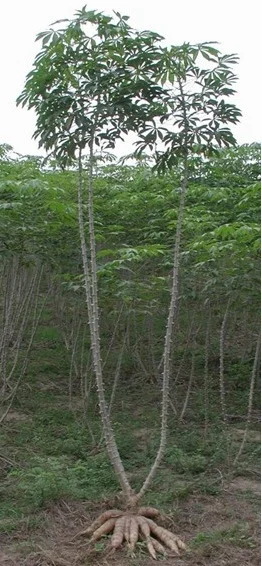 CassavaFavourable
Grows well in 2 of 2 districts
Plant 11 Apr 2026 – 22 Mar 2027 open now
matched to this season's forecast
about 30.0 t/ha expected
Pest/disease risk — manageable -
 CoconutFavourable
Grows well in 2 of 2 districts
Plant 30 Jun 2026 – 21 May 2027 open now
matched to this season's forecast
about 2.1 t/ha expected
Pest/disease risk — manageable -
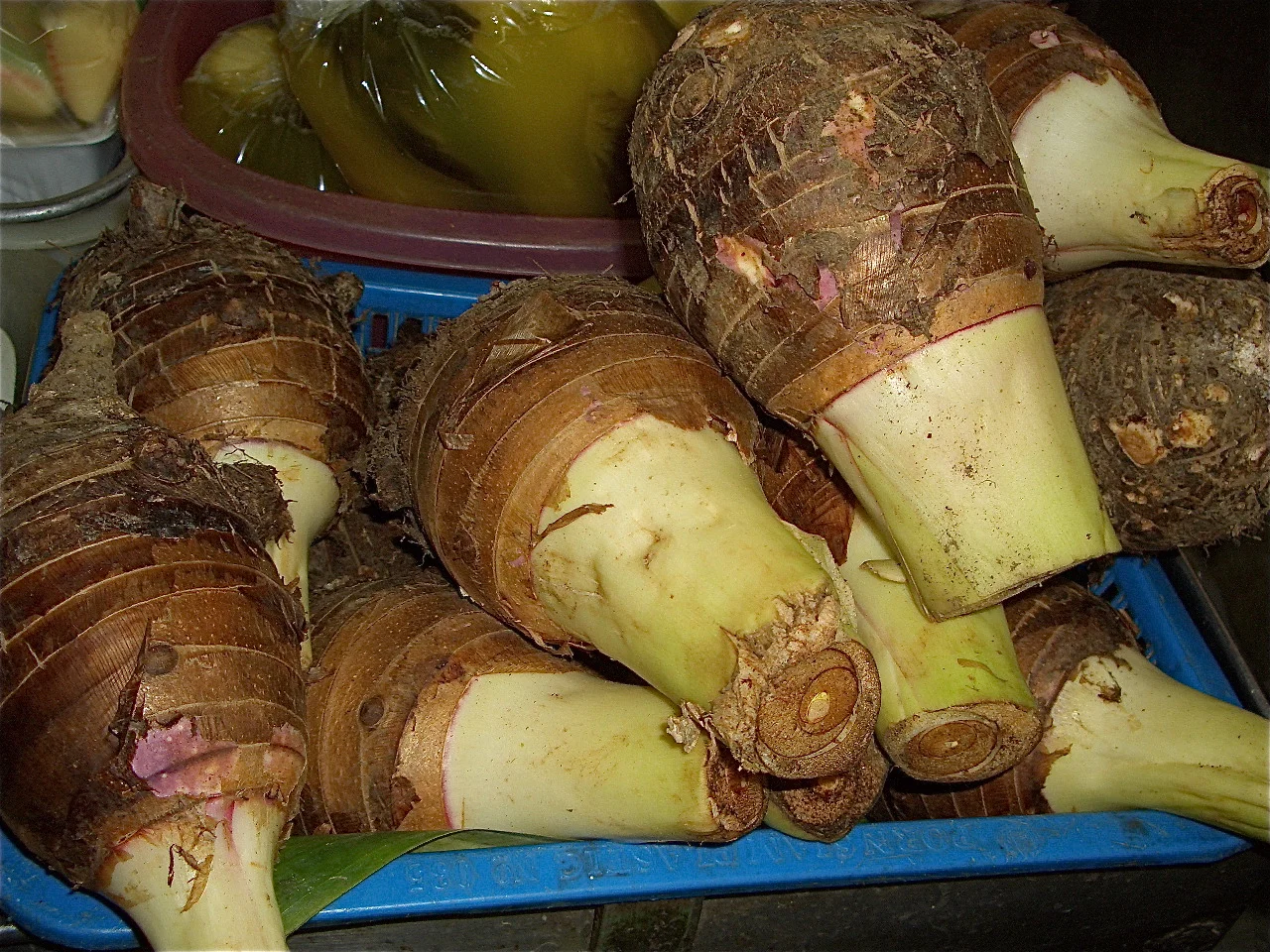 TaroFavourable
Grows well in 2 of 2 districts
Plant 1 May 2026 – 8 Oct 2026 open now
matched to this season's forecast
about 16.6 t/ha expected
Pest/disease risk — manageable -
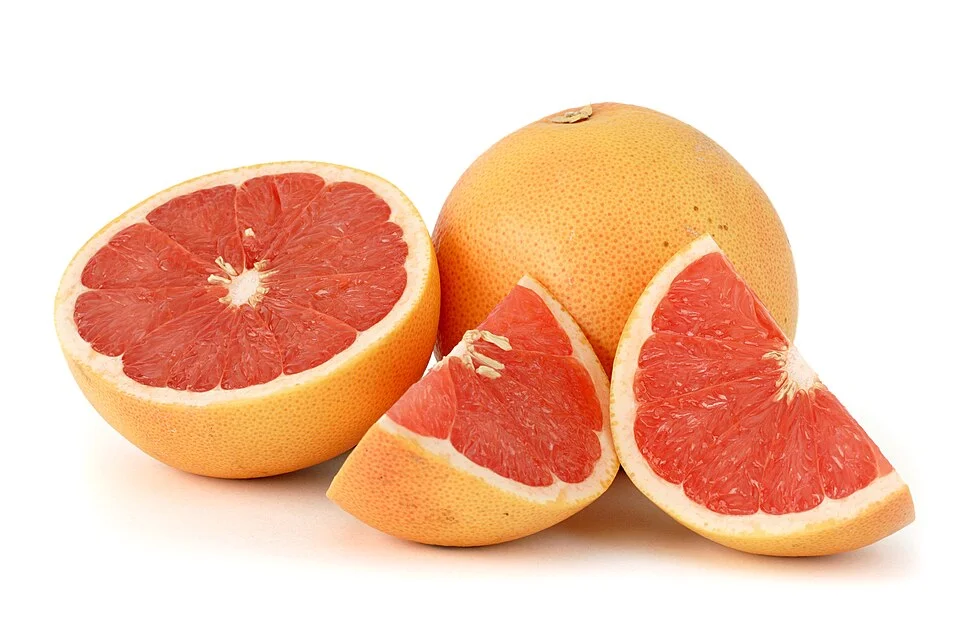 GrapefruitFavourable
Grows well in 2 of 2 districts
Plant 8 Oct 2025 – 18 Sep 2026 closed for this season
matched to this season's forecast
20.3–22.3 t/ha expected
Pest/disease risk — manageableSoil pH below the crop's optimum -
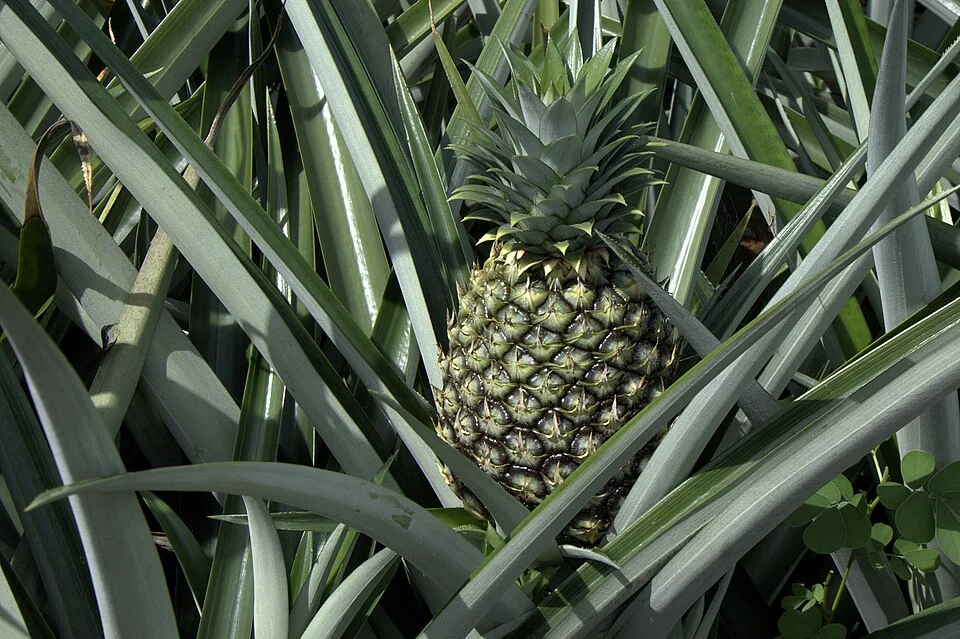 PineappleFavourable
Grows well in 2 of 2 districts
Plant 21 Jan 2026 – 1 Jan 2027 open now
matched to this season's forecast
about 50.9 t/ha expected
Pest/disease risk — manageableSoil pH below the crop's optimum -
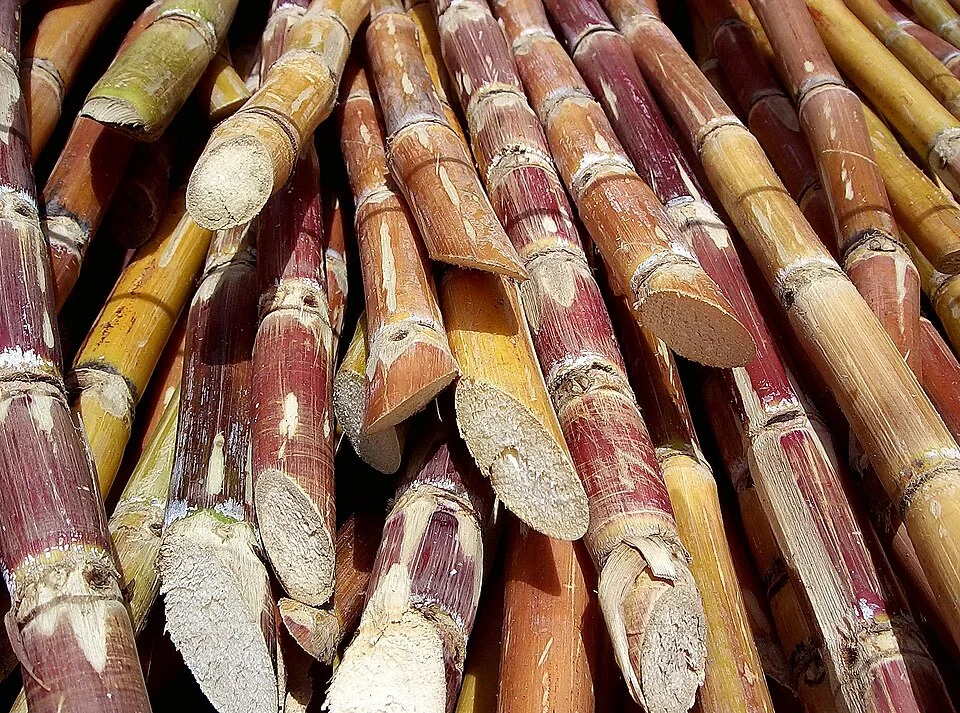 SugarcaneFavourable
Grows well in 2 of 2 districts
Plant 21 May 2026 – 18 Sep 2026 closed for this season
matched to this season's forecast
67.1–75.0 t/ha expected
Pest/disease risk — manageableSoil pH below the crop's optimum
Rain-fed. These dates are worked out from each place's own rainfall, for a field watered by the season — with irrigation a window can open earlier, close later, or come round more than once a year. Check your own field under What grows, or get the Divisi app for a calendar dated to your farm.
Plan the season, not just check it
The crops above are gathered from every district in Kaskazini Unguja, and the ground under them is not all the same. Your own soil, slope and rainfall will shift the dates — the Divisi app works them out for your field, and dates each job that follows.


Support and extension
- Building a Better Tomorrow – Youth Initiative for Agribusiness
- Fertiliser Subsidy Programme
- Smallholder Farmers Credit Guarantee Scheme
- Tanzania Agricultural Research Institute
- Tanzania Official Seed Certification Institute
This calendar moves
Planting windows shift with the forecast. Leave your email and we'll send what changed, and a note when planting time nears — a couple of emails a month at most.
Frequently asked questions
What crops grow well in Kaskazini Unguja?
Cassava, Coconut, Taro, Grapefruit, Pineapple all rate well in Kaskazini Unguja — scored against its own rainfall, soil and terrain rather than a national average.
When should I plant Cassava in Kaskazini Unguja?
In Kaskazini Unguja the window for Cassava runs 11 Apr 2026 to 22 Mar 2027.
Is there a farming app that works in Kaskazini Unguja?
Divisi does. It reads Kaskazini Unguja's own rainfall, soil and terrain rather than a national average, so the planting dates and crop shortlist on this page are the same ones the app works out for a field here — then dates each job for that field, and keeps working with no signal.
Is this exact for my own field?
No — these are readings taken across Kaskazini Unguja, not on your field. Soil, slope and rainfall change from one farm to the next. Check your own location to see your own numbers.