 Divisi
Phytophthora root rot
Phytophthora cinnamomi · Fungal
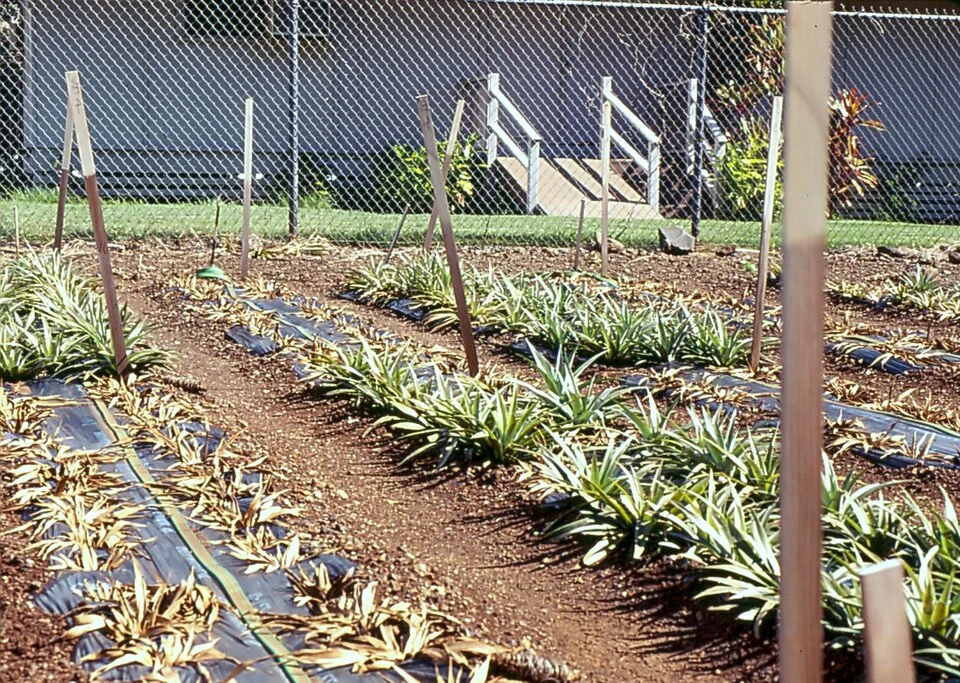
Photo: Scot Nelson from Honolulu, Hawaii, USA · CC0
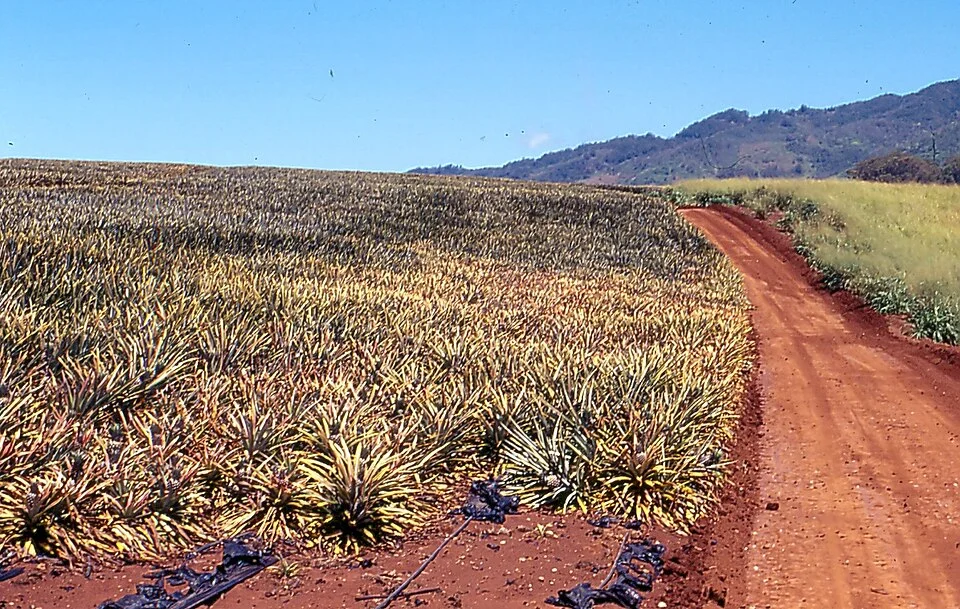
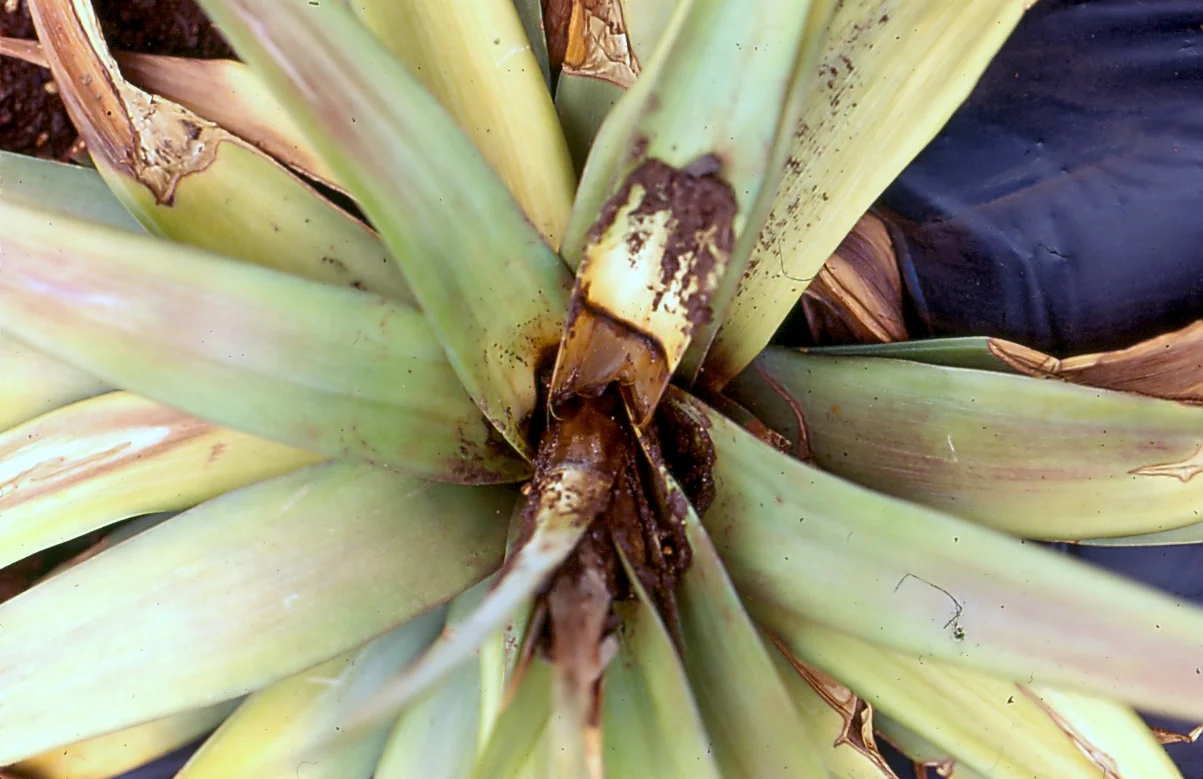
Phytophthora root rot (Phytophthora cinnamomi) is a soil-borne water mould — think of it as a mould that swims. It lives in wet, poorly drained soil and rots the fine feeder roots of trees like avocado, macadamia, citrus and pineapple, so the tree slowly starves of water and food even while standing in wet ground. It spreads in run-off water, mud on boots and tools, and in infected nursery plants, and once it is in your soil it stays for years.
Why it matters
This rot attacks the fine roots that feed your trees, so a tree can be dying of thirst while its feet sit in wet soil. On a badly hit, waterlogged block it can take your whole crop — up to 100% of the trees can decline and die. It is so hard to beat because it hides underground where you cannot see it, it survives in the soil for years, and by the time the leaves show it the roots are already badly damaged — so stopping the wet and catching it early is everything.
When to act
First trees showing unexplained canopy thinning or dieback on wet ground; investigate roots and act on drainage before spread
This guidance is general, compiled from published agronomic references including FAO and CABI. Thresholds and timing shift with your crop, your variety and the season.
In much of the region a spray is simply called mushonga — medicine. But a chemical group you cannot name is one you cannot rotate, and a product you did not write down has no pre-harvest interval you can observe. Mushonga, and other farming words →
The full Phytophthora root rot field guide
Identify it
What you see first (above ground)
the top of the tree tells you before the roots do. The canopy thins out and the leaves go small, pale and yellow-green, then hang and wilt even though the ground is wet. Fruit stays small and the tree looks 'hungry' no matter how you feed it.
As it spreads
twigs and whole branches start to die back from the tips inward, leaving bare, grey dead wood. The tree declines slowly over weeks and months — it does not bounce back after rain, it just keeps getting thinner. The worst-hit trees are always in the low, wet spots where water sits.
Dig to confirm (below ground)
scrape the soil from under the drip line and pull up some fine feeder roots. Healthy roots are pale, firm and springy. Rotted roots are black or dark brown, soft, and so brittle they snap or the skin slips off between your fingers, leaving a bare thread. The soil there is usually soggy.
Don't confuse it
with plain drought (drought hits fast and hits the whole orchard evenly, on dry ground — this hits worst on wet ground and tree by tree). It is also not simple nutrient hunger — if feeding does not green the tree up and the feeder roots are black and mushy on soggy soil, suspect root rot, not fertiliser.
Scout for it
When to look
these are tree crops, so watch all through the growing months — as the trees push new growth and carry fruit (the development, mid-season and late-season stages). Look hardest after heavy rain or heavy irrigation, when the soil is warm and wet — that is when the mould swims and spreads.
How to walk it
walk a large "W" across the block so you cross all four corners and the middle, not just the edge by the path. Make about 10 stops, and at each stop look up at the canopy of the nearest few trees.
What to check at each tree
look for thin canopy, small pale leaves, wilting on wet ground, and dead twigs. Pay special attention to the low, wet, poorly drained patches — that is where it starts. At any suspect tree, dig under the drip line and feel the feeder roots for the black, brittle rot.
Your action number
the moment you find even the first tree or two with unexplained canopy thinning or dieback sitting on wet ground — act now. You do not wait for a big count. One declining tree on soggy soil means the mould is likely already in that block: check the roots and fix the drainage before it walks to the next tree.
Control it
Prevent it
-
keep the feet dry (your strongest tool):
this mould needs wet soil to live and swim, so drainage is your best defence. Plant new trees on well-drained ground or raised mounds/ridges, cut drains to carry water away, and never over-irrigate or let water pond around the trunks. Dry roots starve the mould before it starts.
-
start clean and stay clean:
only plant certified, clean nursery stock, and where you can get them, plant onto Phytophthora-tolerant rootstocks (a resistant root the fruiting tree is grafted onto). Keep a thick organic mulch under the trees — the good microbes it feeds help hold the mould down. Do not carry infested soil or mud on boots, tools or tyres from a sick block to a healthy one; work the healthy blocks first, the sick ones last.
Act early on a sick tree
you cannot handpick or trap a soil mould, so early action means cutting the water off it fast — open up drainage around the tree, stop watering that spot, pull mulch back a hand's width from the trunk so the collar can dry, and mound fresh soil to lift the root zone. Rope off badly hit trees so you do not spread their mud around.
Chemical — last resort, and only alongside drainage:
where trees are valuable and on high-risk wet sites, a phosphonate (phosphorous acid) treatment can protect the roots. It is a systemic product — meaning the tree takes it in and moves it down to the roots itself — applied as a trunk injection or a foliar (leaf) spray. Safety: cover your skin, eyes, nose and mouth, mix and spray in the cool of the day with the wind behind you, keep it off food, off open water, and away from children and bees, respect the pre-harvest interval (the wait between spraying and picking printed on the label) before you harvest, and wash yourself and your kit afterwards. A chemical alone will not save a tree that stays waterlogged — fix the drainage or the rot comes straight back, so do not lean on the phosphonate as your only line.
If it keeps spreading → cut your losses cleanly
a tree that keeps declining after you have dried it out and treated it will not recover — remove it, roots and all, and get it out of the block so it stops feeding water and mud to its neighbours. Do not replant the same spot with a susceptible tree until you have genuinely fixed the drainage there; give that patch a mound, better drains, and clean tolerant stock, or plant something the mould does not attack. Protect the healthy, higher, drier trees — they are where your crop still is.
Catch Phytophthora root rot before it costs you the harvest
This guide is the general answer. Divisi works out yours — the week to scout your own field for Phytophthora root rot, and what to do the day you find it.


Crops it affects
Plan the crops it attacks


All planting calendars, country by country
Get Insights by email
A short digest of new Divisi articles. No email on quiet weeks.
Frequently asked questions
How do I identify Phytophthora root rot?
What you see first (above ground). the top of the tree tells you before the roots do. The canopy thins out and the leaves go small, pale and yellow-green, then hang and wilt even though the ground is wet. Fruit stays small and the tree looks 'hungry' no matter how you feed it.
When should I take action against Phytophthora root rot?
First trees showing unexplained canopy thinning or dieback on wet ground; investigate roots and act on drainage before spread
How do I control Phytophthora root rot?
Prevent it — keep the feet dry (your strongest tool):. this mould needs wet soil to live and swim, so drainage is your best defence. Plant new trees on well-drained ground or raised mounds/ridges, cut drains to carry water away, and never over-irrigate or let water pond around the trunks. Dry roots starve the mould before it starts.
Which crops are attacked by Phytophthora root rot?
Among the crops covered here: Avocado, Pineapple.