 Divisi
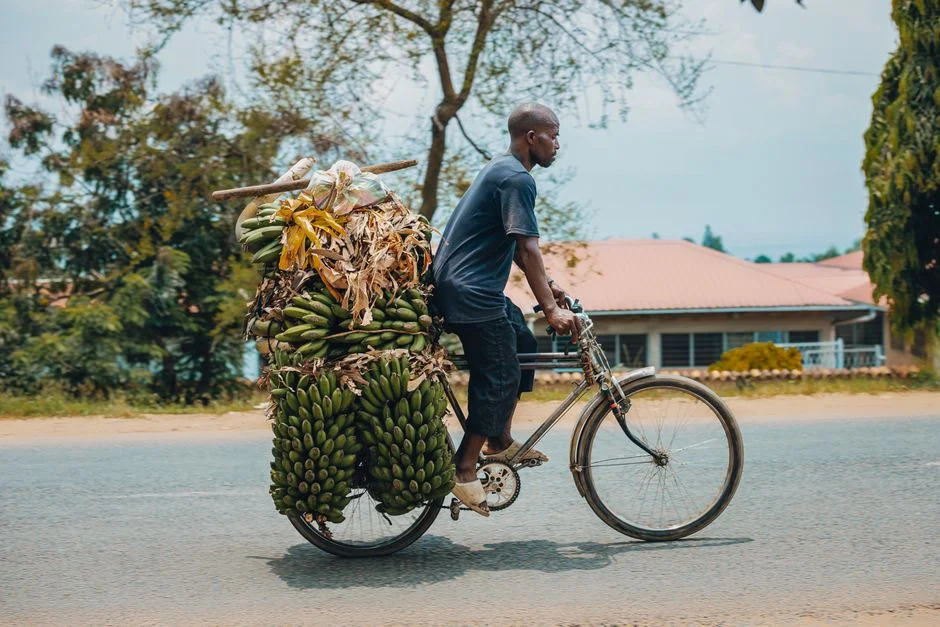
You can carry your banana or plantain mat through a stormy El Nino season and still cut a full bunch. The trick is to get ahead of the three threats that hit hardest in erratic, windy rains: wind toppling a heavy bunch, the banana weevil boring into the corm, and wilt diseases no spray can cure. All three are cheaper to prevent than to fix, and this week is the time.
Bananas are a perennial business. One well-managed mat keeps earning for years across the East and Central African banana belt — Uganda, Kagera in Tanzania, Rwanda, Burundi, eastern DRC and the plantain zones of Cameroon. Protect the mat and you protect years of income. Wetter, stormier El Nino seasons raise the odds of lodging, waterlogging and faster disease spread, so tighten up now — the same logic runs through protecting banana and coffee through the short rains.
Why are my banana plants falling over in the wind?
Because a top-heavy plant carrying a heavy bunch has shallow roots — a strong gust or soft, waterlogged soil is all it takes. A full bunch can weigh 30 kg or more; improved matooke hybrids carry bunches up to 51 kg. Do two things:

Photo: Robbi F / Pexels
- Prop every bunching plant. Place one or two forked wooden or bamboo poles under the bunch side of the pseudostem (the "trunk" — really a tight roll of leaf bases), or tie the plant to a strong neighbour with a soft band. NARO Uganda recommends propping to stop maturing bunches pulling the plant down.
- Mulch to anchor roots and hold moisture. A thick layer of dry grass, banana trimmings or crop residue spread across the plot — but kept about a hand's width off the base of each mat — feeds the soil and cuts erosion on slopes. Here is the full mulch-and-manure method.
How do I protect my bananas in heavy El Nino rains?
Dig shallow drains so water runs off the plot, cut along the natural slope so it does not pool around the mat. Standing water rots roots and softens soil, which is exactly what turns a strong gust into a toppled mat, and it also favours the wilts covered below.
No-tool test: after a downpour, dig a hole a hand deep near a mat. If water is still standing in it a day later, that plot needs drainage channels, not just more mulch.
How many suckers should I leave on each banana mat?
Keep three, and cut the rest. The proven mat is mother, daughter, granddaughter — one plant fruiting, one half-grown, one young follower — so the mat produces continuously without crowding. NARO recommends desuckering to three plants per mat at 3 m × 3 m spacing.
Too many suckers means thin plants, small bunches, and a dense, windy, disease-friendly clump. De-sucker every few weeks: slice unwanted suckers at ground level and twist out the growing point with a sharpened stick so they do not regrow. Choose sword suckers (narrow, spear-like leaves) as your followers — they carry the strongest corm (the underground stem the plant grows from).
My banana leaves are turning yellow and wilting — what is it?
Two different wilts, and telling them apart decides what you do. Neither has a chemical cure, so your tool hygiene is the whole game.

Photo: christian hembert / Pexels
| Clue | BXW (bacterial) | Fusarium / Panama (fungal) |
|---|---|---|
| Leaves yellow first | Any leaf, often inner ones; whole plant wilts fast | Oldest outer leaves first, then inward |
| How leaves fall | Snap along the blade | Buckle at the stalk, hang like a skirt |
| Cut the pseudostem | Yellow, sticky ooze within minutes | Dark red-brown streaks, no ooze |
| Fruit | Ripens early and unevenly; brown pulp | Fruit usually normal |
| Spreads by | Insects at the male bud, dirty tools, suckers | Soil, tools, water, infected suckers |
Banana Xanthomonas Wilt (BXW, Xanthomonas vasicola pv. musacearum) is the bigger, faster threat here — it once infected 33% of Uganda's farms and cut yields 30–52%. The good news: a farmer-friendly package called Single Diseased Stem Removal (SDSR) knocks it back fast — one Uganda pilot saw incidence drop below 10% within a month and below 2% within three months. In order:
- De-bud early with a forked stick, not a knife. Snap off the male bud (the purple "heart" at the tip of the bunch) once the last hand of fruit forms. Insects — stingless bees, honeybees, fruit flies — carry BXW from that bud, so removing it by hand closes the main door. (ProMusa)
- Cut only the diseased stem at soil level and remove it — you no longer need to destroy the whole mat.
- Disinfect your panga after every cut. Pass the blade through flame for 20–30 seconds (not red-hot) or dip it in household bleach. One dirty cut carries the bacteria to the next plant.
For Fusarium/Panama wilt (Fusarium oxysporum f. sp. cubense), no spray or soil treatment works. Dig out and bury the affected mat, avoid moving soil or suckers off that spot, and replant only clean material — ideally tissue-culture plantlets or a resistant variety. (ProMusa) Watch for Tropical Race 4 (TR4), a strain now spreading in the region.
How do I get rid of banana weevils?
Start clean and trap — chemicals are the last resort. The banana weevil (Cosmopolites sordidus) is a small black beetle whose larvae tunnel through the corm, weakening the plant and toppling it; severe infestations cut yields 40–100%. In order:

Photo: Bruchin Noeka / Pexels
- Plant clean suckers. Pare the corm with a panga until only white tissue shows (brown or black tunnels mean weevils or nematodes), then dip it in hot water at 53–55 °C for 20 minutes. Pared-and-treated suckers lost 16.6% versus 53.1% for untreated infested ones. (NARO)
- Set pseudostem traps. After harvest, split a cut pseudostem lengthways and lay the halves flat-side down between mats; adult weevils shelter under them overnight — lift and kill them each morning. Two years of trapping gave a 47% drop in weevils and a 31% yield rise.
- Sanitise. Chop harvested stems low and split them so they dry out, denying weevils a breeding site.
- Only if traps fail and damage is heavy, apply a registered insecticide to the mat base — wear gloves and follow the label's pre-harvest interval.
Your next step this week
Walk your plot with a sharpened stick and a panga. De-sucker every mat to mother-daughter-granddaughter, snap off any male buds by hand, prop the heavy bunches, dig a hand-deep test hole to check drainage, and split a couple of old pseudostems into weevil traps. Disinfect your blade between mats — that one habit stops most wilt spread. A protected mat is a bunch you can sell at a better price when the storms pass.