 Divisi
Cotton stainers
Dysdercus spp. · Insect
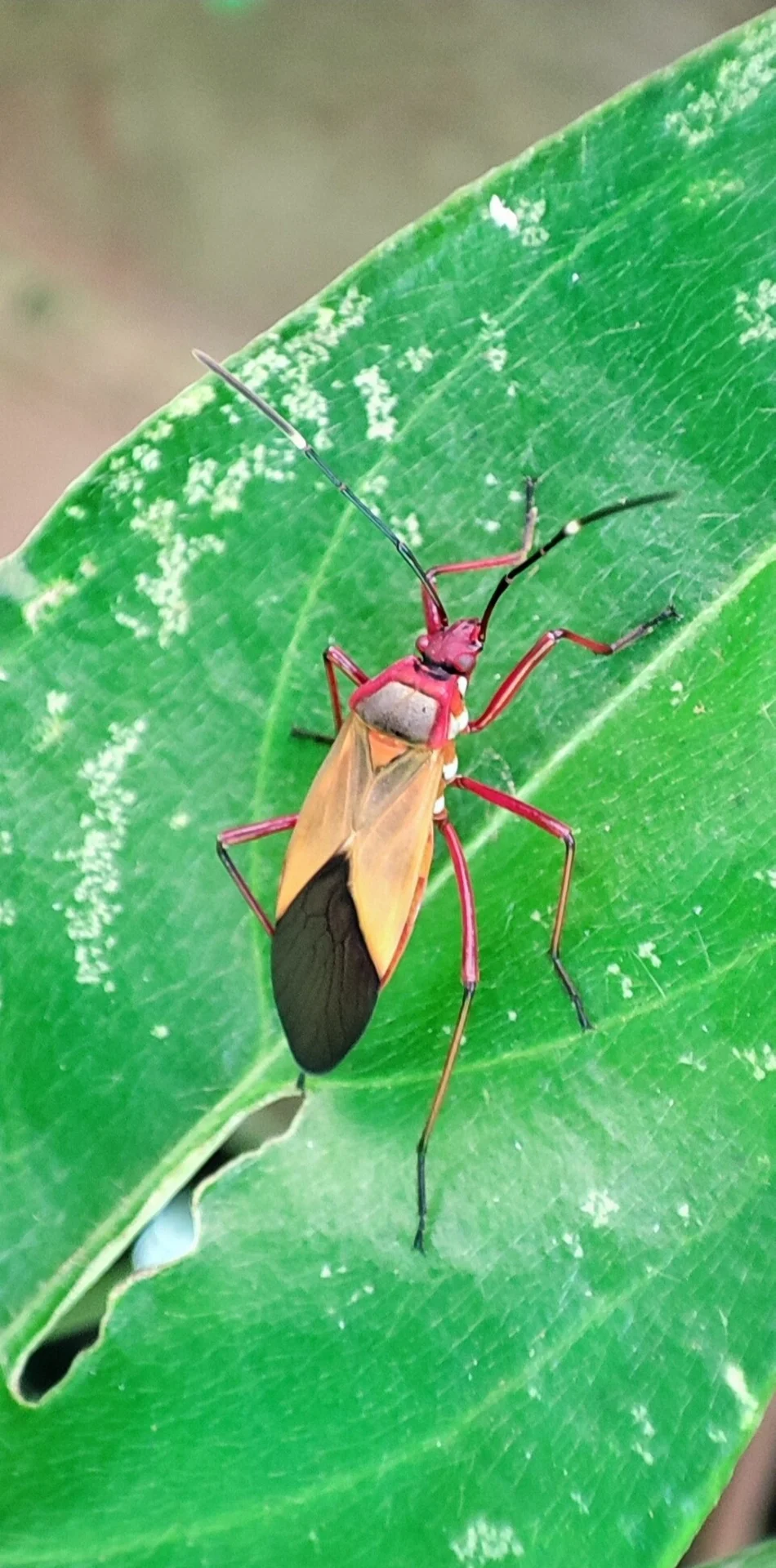
Photo: Baruk Mazzaro · CC BY-SA 4.0
Cotton stainers (Dysdercus species) are conspicuous red-and-black sucking bugs that attack cotton from boll formation right through to boll opening. Adults and their wingless red young cluster on the bolls and pierce the wall with a needle-like beak to feed on the developing seeds. Their punctures carry staining moulds into the boll that discolour the lint, while the seeds shrivel with poor oil and low germination. Because they also breed on fallen bolls, loose seed and wild plants of the cotton and hibiscus family, they keep returning to the crop.
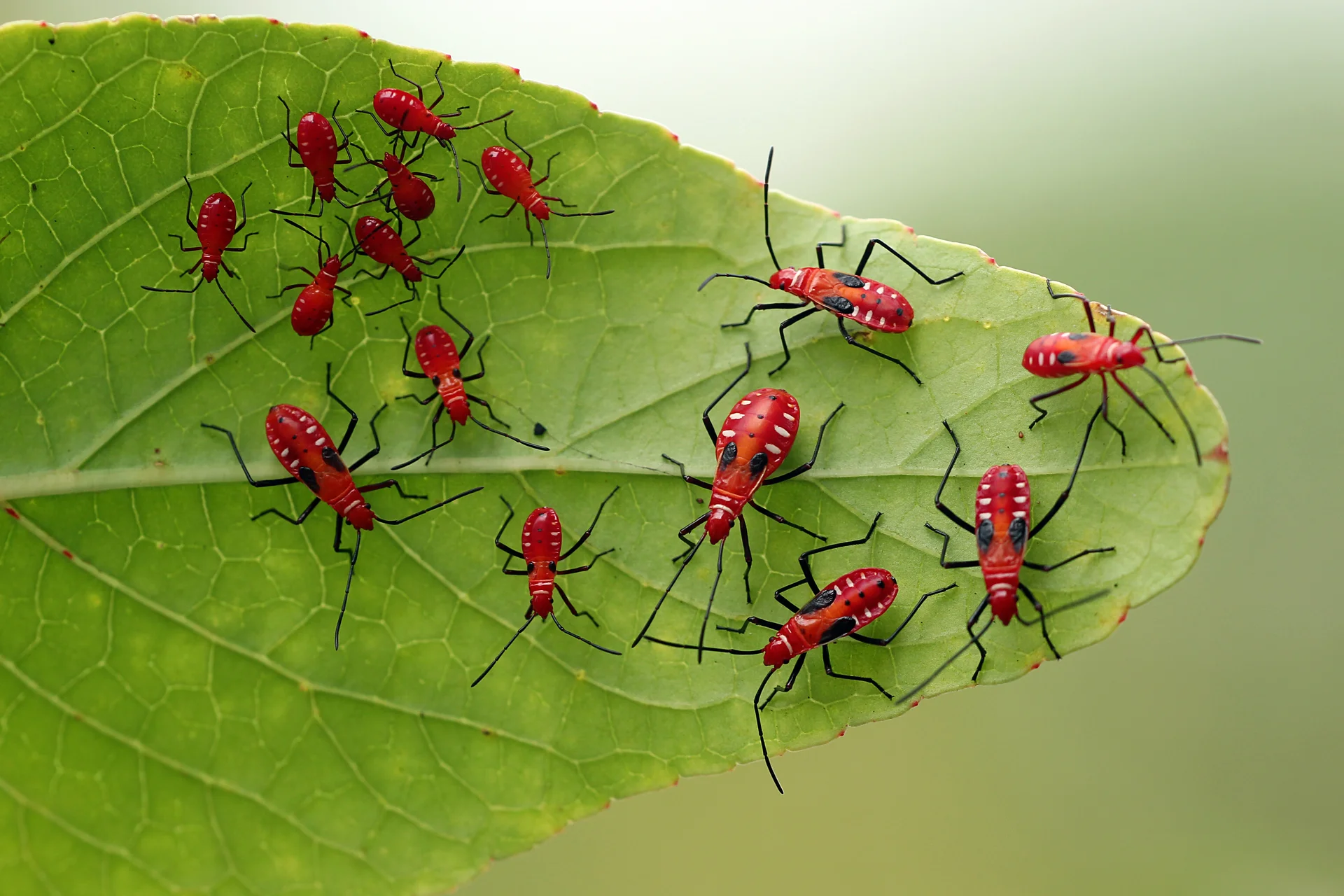
RidhaAnshari85 · CC BY 4.0 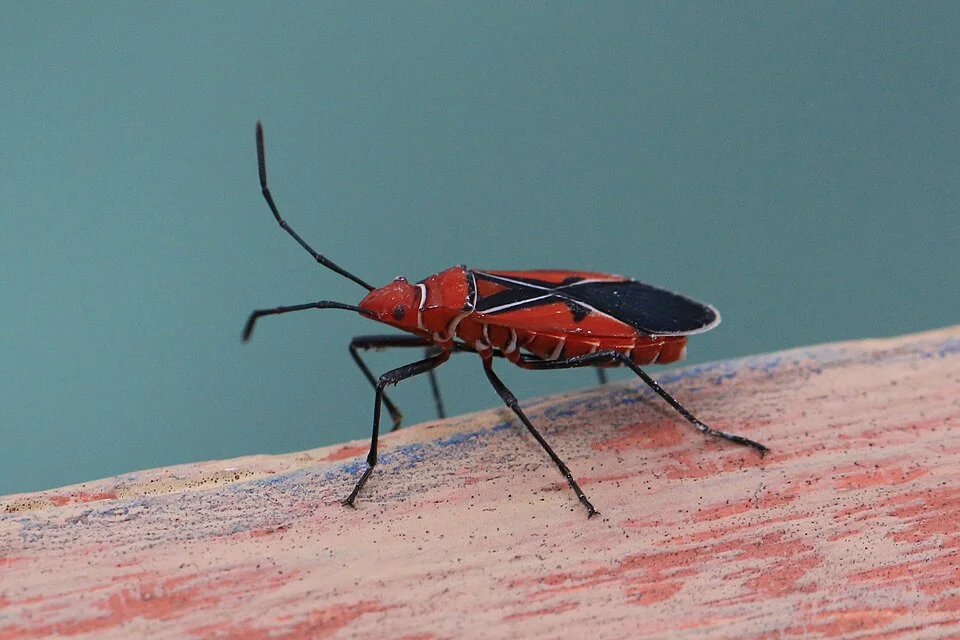
Charles J. Sharp · CC BY-SA 4.0
Why it matters
Cotton stainers don't just eat your crop — they dirty it. As they suck on the bolls they carry staining moulds into the cotton, and once the white lint turns yellow, brown or black it can never be cleaned again — the buyer downgrades it and pays you less, so a bad attack can strip up to 40% of your cotton's value in low-grade lint and shrivelled, low-oil seed. They are hard to shake off because they breed on fallen bolls, loose seed and wild plants at the field edge, so they keep coming back — and they hit hardest late in the season, close to harvest, when spraying is riskiest. Catching them early and keeping the field clean is everything.
When to act
Clusters of the red-and-black bugs on developing or open bolls, or first stained lint appearing.
This guidance is general, compiled from published agronomic references including FAO and CABI. Thresholds and timing shift with your crop, your variety and the season.
In much of the region a spray is simply called mushonga — medicine. But a chemical group you cannot name is one you cannot rotate, and a product you did not write down has no pre-harvest interval you can observe. Mushonga, and other farming words →
The full Cotton stainers field guide
Identify it
The damage first
when you open a boll (the pod that holds the cotton) the white lint — the cotton fibre you pick and sell — is blotched yellow, brown or even black, as if it has been dirtied or rusted. This staining is the tell-tale sign, and it is exactly what makes a buyer downgrade your cotton and pay you less. On the outside of green bolls you may also see small greasy yellow-brown spots where the bugs have been sucking.
The bug itself
a bright red bug about the size of a coffee bean (1–1.5 cm long) with a soft, longish body, black markings on the wings and usually a pale or white band across its back. Under its head it carries a long needle-like beak for piercing the boll. You almost always find them in groups, never alone — clustered on the developing and open bolls.
The young ones (nymphs — the wingless babies):
rounder and an even brighter red, with no wings yet, packed tightly together on and under the bolls and on fallen bolls and loose seed lying on the ground.
Don't confuse them with ladybird beetles
, which are also red-and-black but are round, dome-shaped, hard-shelled beetles that HELP you by eating other pests — leave those alone. Cotton stainers are flatter, longer and soft-bodied, carry a beak, and swarm on the bolls themselves.
Scout for it
When to look
start from first boll set and keep it up through the mid and late season — from when green bolls begin to form right up to when they open near harvest. This is exactly when the bugs move in, and warm weather (about 25–35 °C) breeds them faster, so check more often during a hot spell.
Walk a big "W"
across the field so you cover all four corners and the middle, not just the edge nearest the path. Make about 5 stops along the way.
At each stop, look over the bolls of about 10 plants (50 plants in all) for clusters of red bugs and their nymphs on and between the bolls — and check the fallen bolls and loose seed on the ground, where they also gather.
Open 1–2 bolls at each stop
and look at the lint inside for the first yellow-to-brown stains, and at the seeds for small feeding spots.
Act on the first sign, not a big count
One cluster can stain a lot of cotton, so even ONE group of bugs on the bolls — or ONE boll with stained lint — anywhere on your walk is your signal to act now. Don't wait for the numbers to build.
Control it
Prevent it first — keep the field clean and harvest on time (your strongest tool)
Pick your cotton promptly and never leave open bolls hanging in the field, where the bugs feed and breed. Gather and destroy the fallen bolls and loose seed off the ground. After the last picking, uproot and burn or bury the old cotton stalks and trash so nothing carries the bugs over to next season.
Cut off their back-up plants and time the crop
Clear volunteer cotton (self-sown plants sprung up from last year's dropped seed) and wild plants of the cotton, hibiscus and okra family out of the field and along its edges — these are where the bugs shelter and breed between crops. Where you can, plant at the same time as your neighbours so everyone's bolls open in one tight window and the bugs have less time to build up.
Act early — handpick the clusters
Because the bugs gather in obvious groups you can knock them into a tin of soapy water (a little paraffin in the water helps) or simply crush them — easiest in the cool early morning when they are slow and sluggish. Keep it up through the season; it costs nothing and works well while numbers are still small.
Only as a last resort — if bugs keep massing on the bolls above your trigger — use an approved insecticide
Aim it at the young wingless nymphs before the bolls open: they are easier to kill and you stop the staining before it happens. A spray like this is a contact one — it only kills the bugs it actually lands on — so cover the clusters well. Safety: cover your skin, eyes, nose and mouth; spray in the cool of the day with the wind behind you; keep it well away from food, drinking water, children and bees; and respect the pre-harvest interval — the set number of days you must wait between spraying and picking so no poison is left on the cotton or seed (cotton seed is pressed for cooking oil and fed to animals, so this really matters). Wash yourself and your clothes afterwards, and to stop the bugs getting used to the spray, rotate to a different chemical group each time (this is what stops them building resistance — becoming immune to the poison).
If it keeps spreading
the source is almost always outside your rows — fallen seed, old trash, or wild host plants at the field edge — so widen your clean-up and get the whole area harvesting in one tight window. When the bolls are already open and the staining is widespread, no spray can un-stain the lint — so cut your losses: pick the cleanest bolls separately to protect their grade, harvest and clear the field quickly, then do a thorough clean-up of trash, fallen bolls, seed and weeds so next season starts clean.
Catch Cotton stainers before it costs you the harvest
This guide is the general answer. Divisi works out yours — the week to scout your own field for Cotton stainers, and what to do the day you find it.


Crops it affects
Plan the crops it attacks


All planting calendars, country by country
Get Insights by email
A short digest of new Divisi articles. No email on quiet weeks.
Frequently asked questions
How do I identify Cotton stainers?
The damage first. when you open a boll (the pod that holds the cotton) the white lint — the cotton fibre you pick and sell — is blotched yellow, brown or even black, as if it has been dirtied or rusted. This staining is the tell-tale sign, and it is exactly what makes a buyer downgrade your cotton and pay you less. On the outside of green bolls you may also see small greasy yellow-brown spots where the bugs have been sucking.
When should I take action against Cotton stainers?
Clusters of the red-and-black bugs on developing or open bolls, or first stained lint appearing.
How do I control Cotton stainers?
Prevent it first — keep the field clean and harvest on time (your strongest tool). Pick your cotton promptly and never leave open bolls hanging in the field, where the bugs feed and breed. Gather and destroy the fallen bolls and loose seed off the ground. After the last picking, uproot and burn or bury the old cotton stalks and trash so nothing carries the bugs over to next season.
Which crops are attacked by Cotton stainers?
Among the crops covered here: Cotton, Roselle.