 Divisi
Spiny bollworm
Earias vittella / Earias insulana · Insect
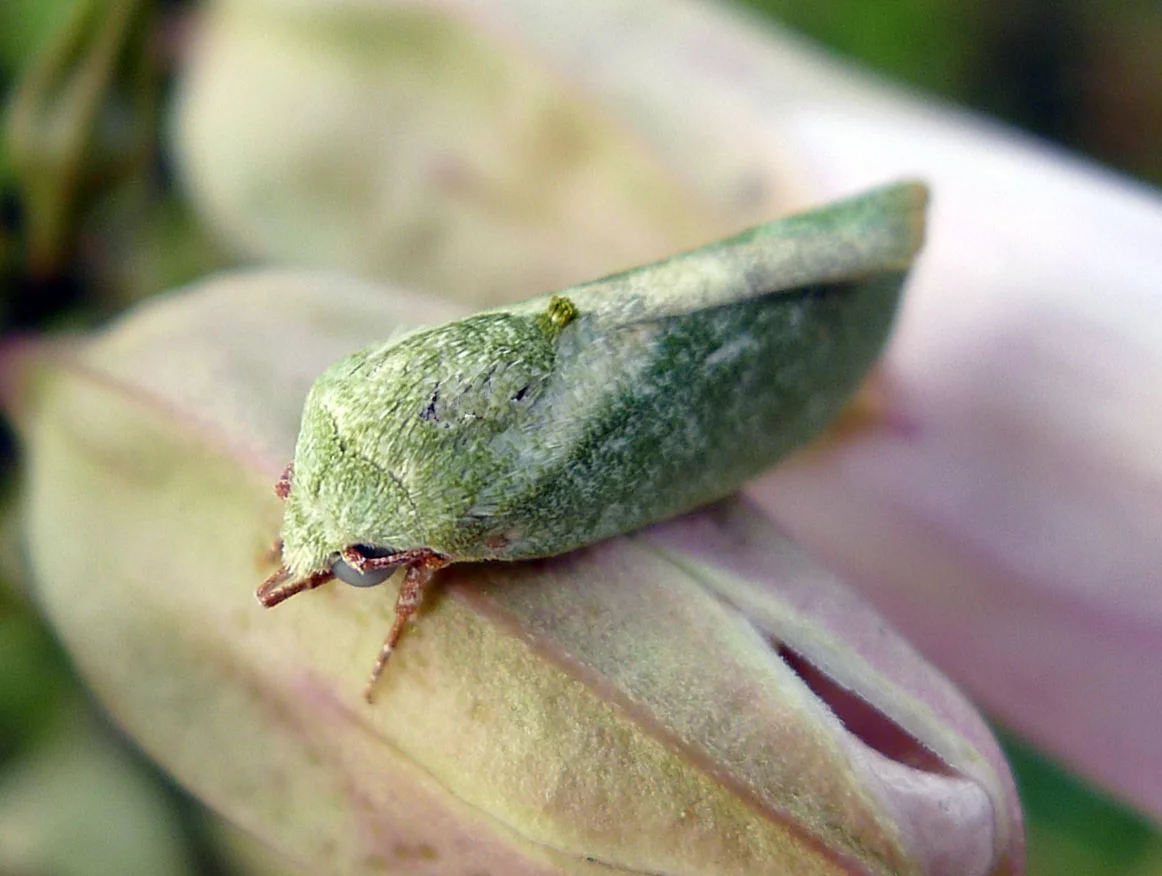
Photo: gailhampshire from Cradley, Malvern, U.K · CC BY 2.0
The spiny bollworm — also called the okra shoot-and-fruit borer or spotted bollworm — is the caterpillar of a small moth (Earias vittella and Earias insulana) that attacks okra, roselle and cotton. It hits in two waves: while the plant is growing, the young caterpillar tunnels down a soft growing shoot tip so the tip wilts and dies (a 'dead-heart'); once the plant flowers, it bores into the buds, flowers and tender pods, plugging its entry hole with moist, sawdust-like droppings (frass). A bored pod grows twisted and spoilt, unfit to eat or sell. The name comes from the row of fleshy spiny warts along the caterpillar's back. It breeds on and on wherever soft okra, roselle or cotton is growing.
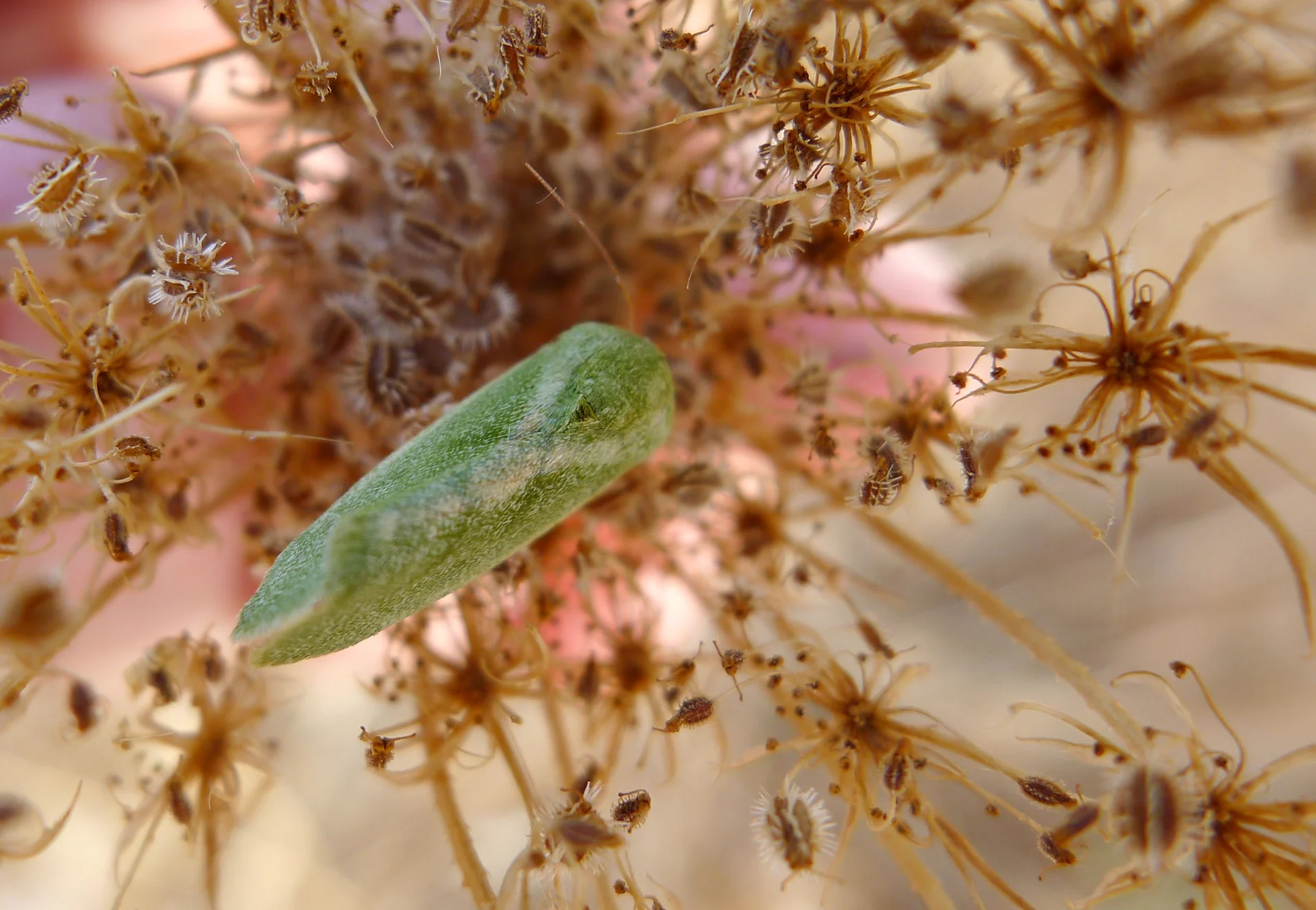
gailhampshire from Cradley, Malvern, U.K · CC BY 2.0
Why it matters
Because okra and roselle are grown for their tender pods, the spiny bollworm hits you exactly where it hurts — a single caterpillar spoils a whole pod, and in a bad season it can bore more than half your pods (up to 55%), leaving them twisted and unsellable. Worse, you pick okra every 2–3 days, so the borer keeps ruining fresh pods right through the picking season, and once a caterpillar is sealed inside a shoot or pod no spray can reach it. Catching it early — clipping out the first bored shoots before the pods even set — is what saves the crop.
When to act
about 1 in 20 shoots or pods (5%) bored, or the first wilted 'dead-heart' shoot tips seen while the plant is growing
This guidance is general, compiled from published agronomic references including FAO and CABI. Thresholds and timing shift with your crop, your variety and the season.
In much of the region a spray is simply called mushonga — medicine. But a chemical group you cannot name is one you cannot rotate, and a product you did not write down has no pre-harvest interval you can observe. Mushonga, and other farming words →
The full spiny bollworm field guide
Identify it
The first thing you see (while the plant is still growing)
a soft shoot tip that suddenly wilts, droops and dies — this is called a 'dead-heart'. Snap the wilted tip open and you will find a small caterpillar and a tunnel packed with moist, sawdust-like droppings (frass) boring down the middle of the soft stem.
Once it flowers and pods
look for round entry holes plugged with frass on the flower buds and young pods. Buds and flowers with a borer inside drop off the plant; bored pods grow twisted, bent and lumpy, and when you cut one open you find the caterpillar and its tunnel inside — the pod is spoilt and cannot be sold.
The caterpillar itself
short and stout, up to about 1.5–2 cm long, brownish-grey to greenish, with a row of fleshy spiny bumps (warts) along its back — those little spines give it its name — and pale white or orange markings. The small moth is easy to know too: E. vittella has a bright green wedge or band down each front wing, while E. insulana has plain pale-green front wings.
Don't confuse it
with the big American bollworm (Helicoverpa), a large smooth caterpillar that sits on the outside chewing wide open holes in buds and pods, or with aphids and jassids that only suck sap on the leaves. The spiny bollworm is the one that tunnels inside — a wilted shoot tip or a frass-plugged hole is its signature, not open chewing on the surface.
Scout for it
When to look hardest
start checking from when the plant is building its frame and the shoot tips are soft (the development stage, roughly 4–6 weeks after sowing), and keep it up hardest through flowering and podding (mid- and late-season), when the pods you sell are forming. Warm, humid weather (about 20–35 degrees C) pushes the pest fastest.
How to walk the field
twice a week, walk a large "W" across the field so you cross all four corners and the middle — not just the row nearest the path. Make about 10 stops along the way.
What to check at each stop
look at 10 plants — check the shoot tips for wilting dead-hearts, and the flower buds and young pods for frass-plugged entry holes. Count how many of the shoots and pods you check are bored.
The number that means act now
act once about 1 in 20 shoots or pods (5%) are bored — that is roughly 1 damaged shoot or pod for every 20 you check — or at the very first dead-heart shoots while the plant is young. Because you pick okra every few days and each caterpillar spoils a whole pod, don't wait longer. Fresh, moist frass means the caterpillar is still inside and feeding; old, dry frass in an empty tunnel is a past attack — don't spray for that.
Control it
Prevent it first — break the pest's home (your strongest cheap tool):
don't plant okra or roselle straight after okra, roselle or cotton, and at the end of the season pull, clear and burn the old stalks — that is where the caterpillars and pupae survive to attack the next crop. Rotating to an unrelated crop starves the pest before you even sow.
Act early — clip out every bored shoot and pod:
the moment you find a dead-heart or a frass-plugged pod, clip off the bored shoot below the damage, pick off every bored bud and pod, and destroy them all (burn, bury deep, or feed to animals) — caterpillar and all. This is the single most effective thing you can do by hand: it kills the borer hidden inside and stops the next generation. Pick your pods young and often (every 2–3 days) so pods never sit long enough to be tunnelled.
Biological help — Bt and natural enemies:
while the caterpillars are small and still on the surface, spray Bacillus thuringiensis (Bt, a natural soil bacterium that kills only caterpillars and is safe for people, bees and the tiny wasps that eat the borer) in the cool of the day, aimed at the shoot tips, buds and young pods. Small parasitic wasps and other natural enemies also attack the borer — so avoid broad, harsh poisons that wipe them out.
Chemical as a last resort
only if bored shoots and pods keep climbing past the threshold, use a recommended product from the spinosyn group (spinosad) or an avermectin (emamectin benzoate) — these reach the small caterpillars before they bore in. Aim the spray at the shoots, buds and young pods where the young caterpillars feed. A spray cannot reach a caterpillar already sealed inside a shoot or pod, so it must go on early, while they are small.
Spray safely
cover your skin, eyes, nose and mouth; spray in the cool of the morning or evening with the wind at your back; keep the spray off open pods, off drinking water and rivers, and away from children and bees (spray in the evening after bees have left the flowers). Because you pick okra every 2–3 days, choose a product with a short pre-harvest interval — the number of days the label says you must wait between the last spray and picking — and respect it: never pick or sell pods sprayed inside that waiting time. Wash yourself and your clothes afterwards.
Fight resistance
don't lean on one spray — rotate to a different chemical group each time (for example spinosad one round, emamectin the next) so the borer never gets used to it, and always lean on clipping, clean-up and Bt first so you spray as little as possible.
If it keeps spreading →
if bored pods keep climbing despite clipping and spraying, tighten your picking to every 2 days, widen your clip-and-destroy to the whole block, and at the end of the season pull and burn every okra, roselle and cotton stalk so no caterpillars carry over. Try to plant next season's okra well away from this field and away from any cotton, so the moths cannot simply walk across, and encourage neighbours to clear their old stalks too.
Catch spiny bollworm before it costs you the harvest
This guide is the general answer. Divisi works out yours — the week to scout your own field for spiny bollworm, and what to do the day you find it.


Crops it affects
Plan the crops it attacks


All planting calendars, country by country
Get Insights by email
A short digest of new Divisi articles. No email on quiet weeks.
Frequently asked questions
How do I identify spiny bollworm?
The first thing you see (while the plant is still growing). a soft shoot tip that suddenly wilts, droops and dies — this is called a 'dead-heart'. Snap the wilted tip open and you will find a small caterpillar and a tunnel packed with moist, sawdust-like droppings (frass) boring down the middle of the soft stem.
When should I take action against spiny bollworm?
about 1 in 20 shoots or pods (5%) bored, or the first wilted 'dead-heart' shoot tips seen while the plant is growing
How do I control spiny bollworm?
Prevent it first — break the pest's home (your strongest cheap tool):. don't plant okra or roselle straight after okra, roselle or cotton, and at the end of the season pull, clear and burn the old stalks — that is where the caterpillars and pupae survive to attack the next crop. Rotating to an unrelated crop starves the pest before you even sow.
Which crops are attacked by spiny bollworm?
Among the crops covered here: Okra, Roselle.