 Divisi
What grows in Gauteng
South Africa

The 2026/27 season in Gauteng
| Rainy seasons | One each year — one chance to plant, so timing carries it |
|---|---|
| When the rains are expected | October 2026 to April 2027 |
| Rain in a typical year | About 678 mm in a typical farming district |
| Across its districts | From about 618 mm in the driest of 5 districts to about 678 mm in the wettest |
| This season's rain | Leaning dry — January, February, November and December look short of rain. Plant at the early end of the window, favour quicker and more drought-tolerant crops, and keep moisture in the soil: mulch, and weed early. |
| This season's heat | Hotter than usual — about +1.9 °C over the growing months. Heat makes the same rain do less, so a dry spell bites sooner: do not plant late, and shade or mulch what you can. |
| What that supports | enough rain for one full main crop, warm, with a cool spell that slows winter growth |
| Ground this covers | 4 kinds of ground. The season below is one typical farming district's, not a figure for the whole of this area. |
| 47% | enough rain for one full main crop; warm, with a cool spell that slows winter growth 194 growing days · about 650 mm · October to April |
|---|---|
| 29% | enough rain for one full main crop; warm, with a cool spell that slows winter growth 189 growing days · about 650 mm · October to April |
| 18% | enough rain for one short crop, and only if timed to it; warm, with a cool spell that slows winter growth 170 growing days · about 580 mm · October to April |
| 4% | enough rain for one full main crop; cool for part of the year, so frost sets the planting date 193 growing days · about 640 mm · October to April |
last updated 18 September 2026 · from all 5 areas within it
Gauteng's districts


What grows here
-
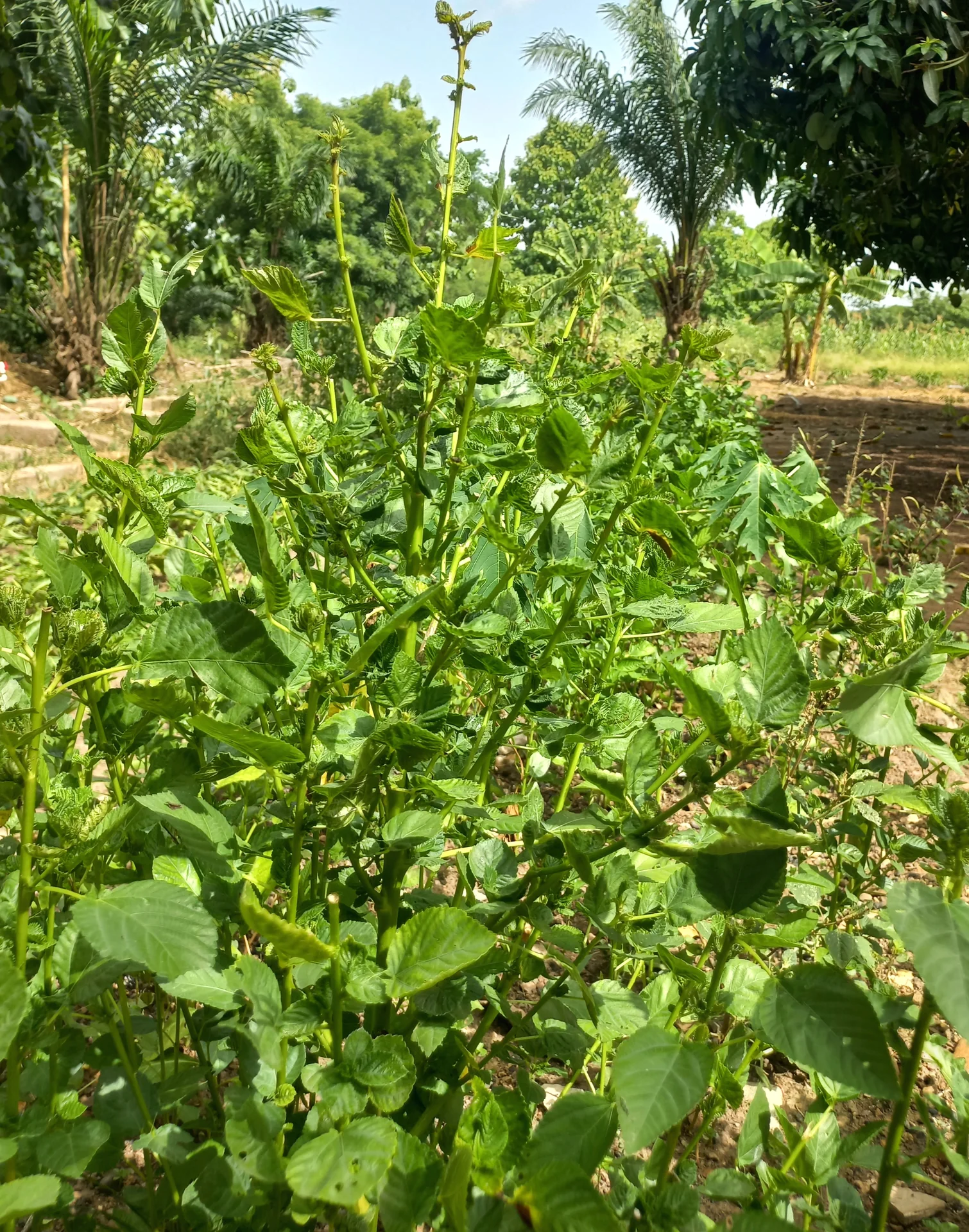 Jute mallowFavourable
Grows well in 5 of 5 districts
Plant 17 Dec 2026 – 15 Feb 2027 opens in 11 weeks
matched to this season's forecast
8.3–9.8 t/ha expected
Pest/disease risk — manageableEarly-maturing — escapes late drought -
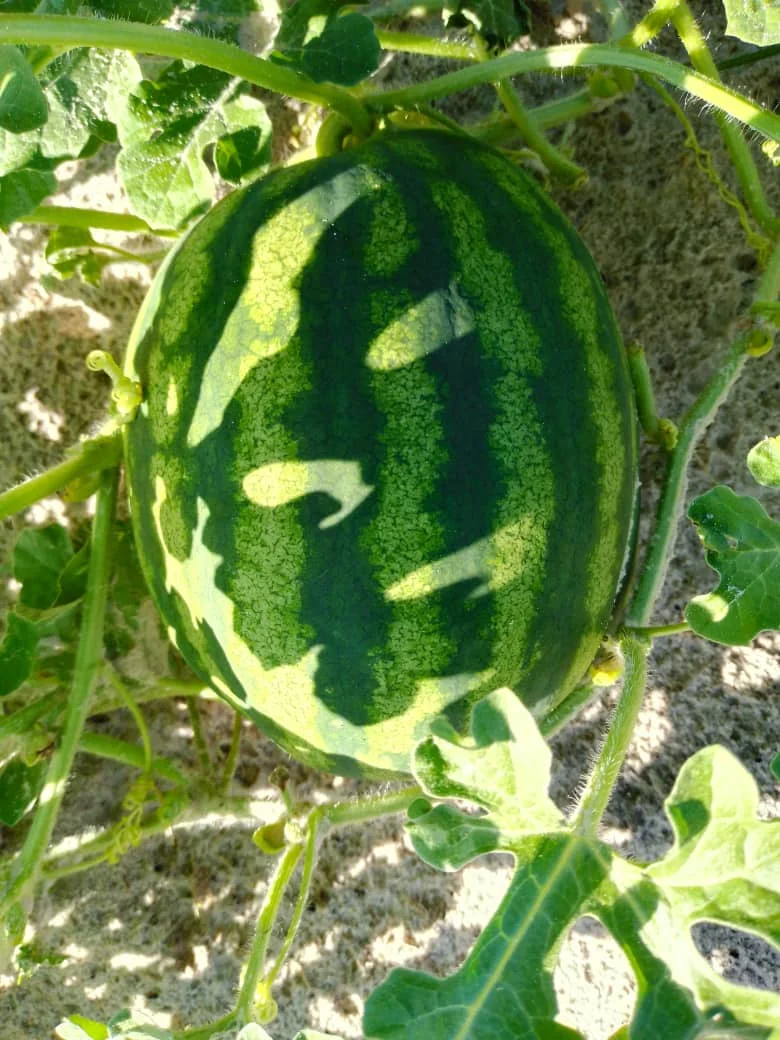 WatermelonFavourable
Grows well in 5 of 5 districts
Plant 26 Nov 2026 – 15 Jan 2027 opens in 8 weeks
matched to this season's forecast
28.2–33.0 t/ha expected
Pest/disease risk — manageableSoil pH below the crop's optimumEarly-maturing — escapes late drought -
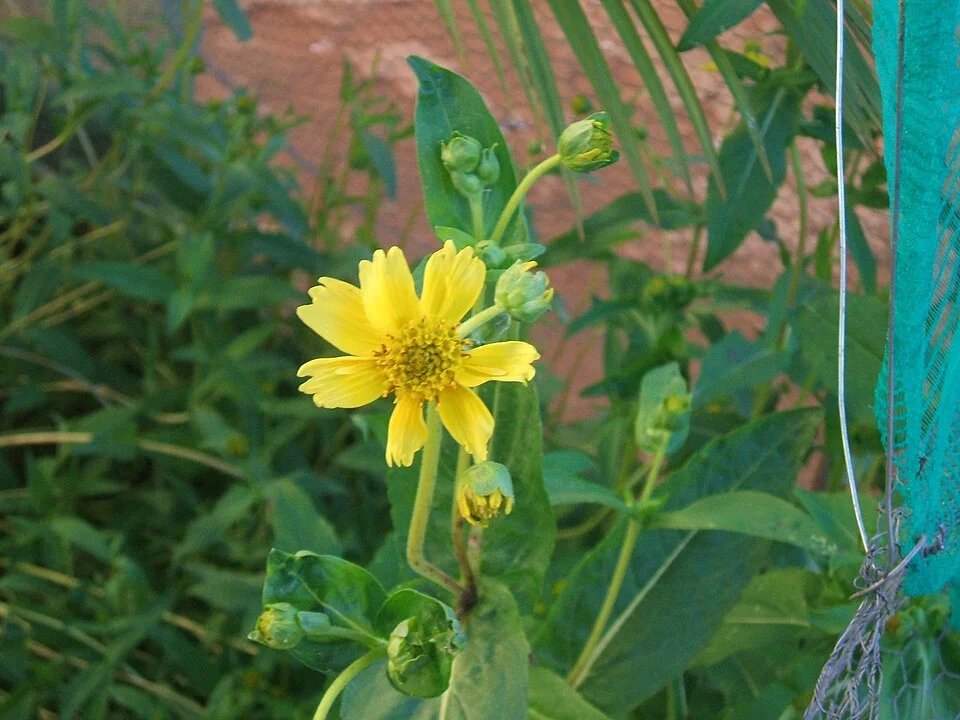 Niger seedFavourable
Grows well in 5 of 5 districts
Plant 23 Nov 2026 – 22 Jan 2027 opens in 8 weeks
matched to this season's forecast
0.8–1.0 t/ha expected
Pest/disease risk — manageableEarly-maturing — escapes late drought -
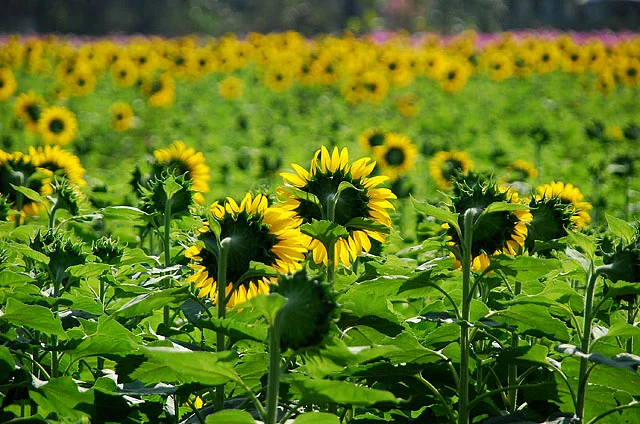 SunflowerFavourable
Grows well in 5 of 5 districts
Plant 13 Nov 2026 – 12 Jan 2027 opens in 6 weeks
matched to this season's forecast
2.0–2.4 t/ha expected
Pest/disease risk — manageableEarly-maturing — escapes late drought -
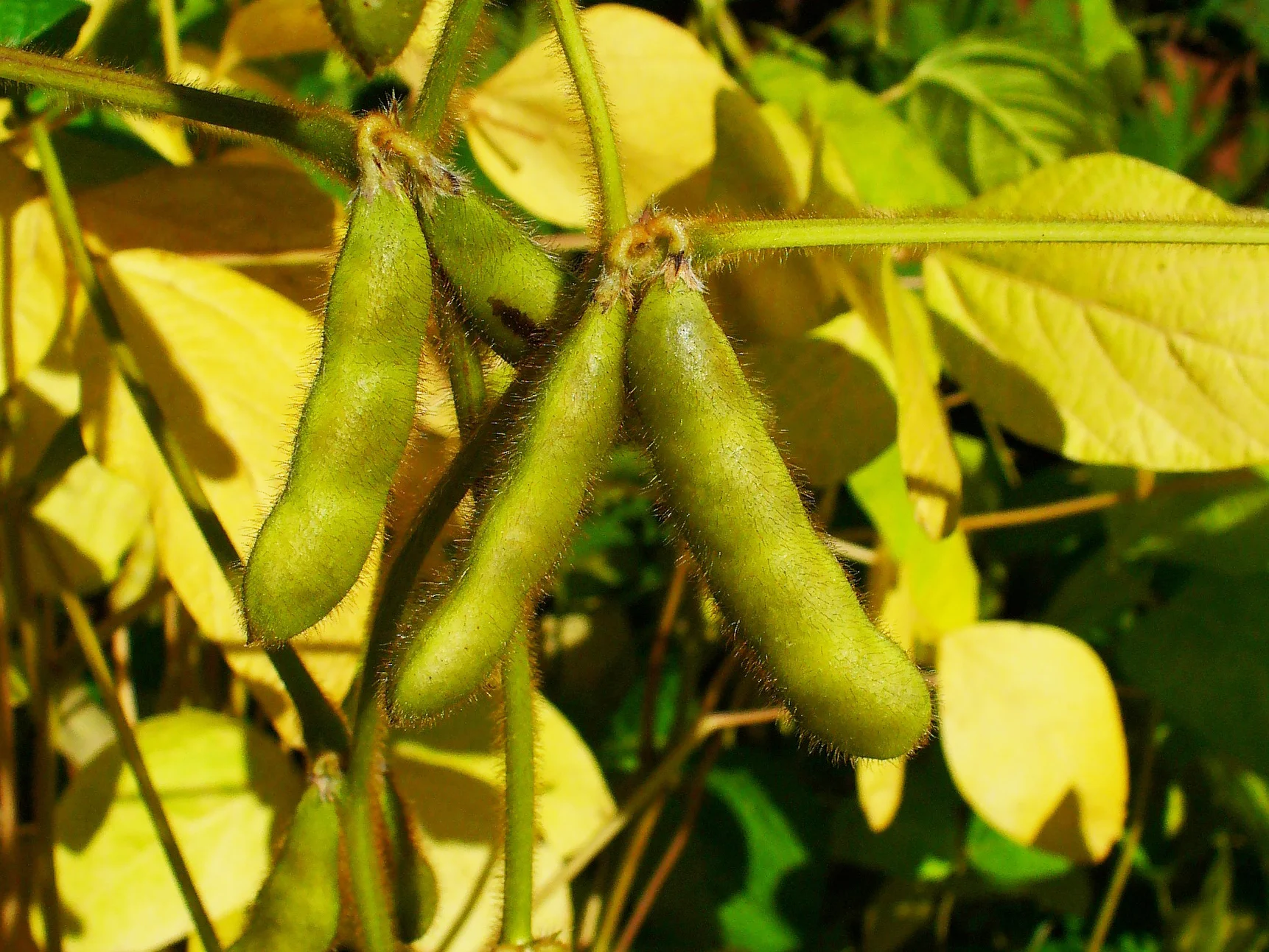 SoybeanFavourable
Grows well in 5 of 5 districts
Plant 18 Oct 2026 – 17 Nov 2026 opens in 3 weeks
matched to this season's forecast
1.8–2.2 t/ha expected
Pest/disease risk — manageableNot enough water in seasonEarly-maturing — escapes late drought -
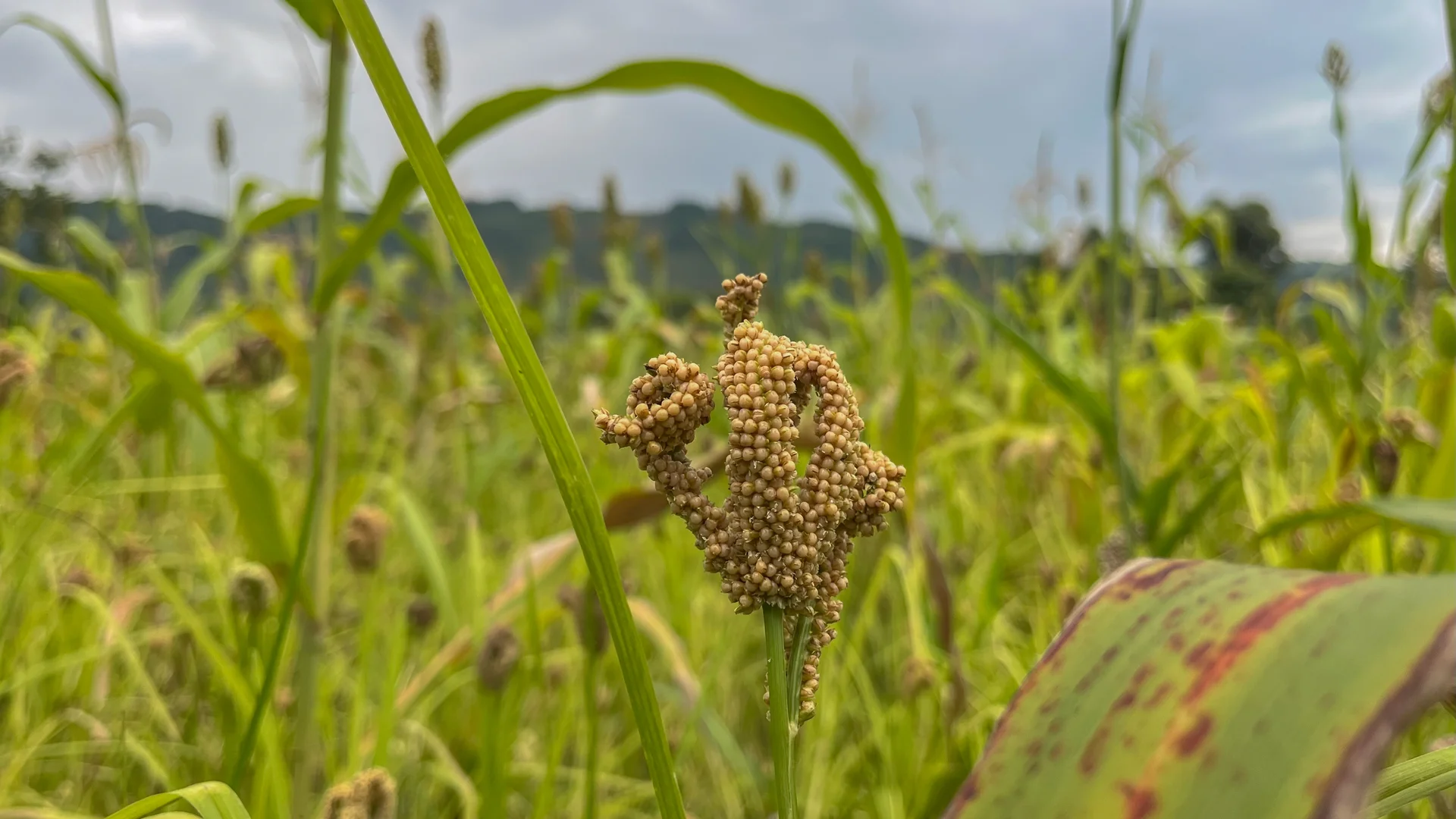 Finger milletFavourable
Grows well in 5 of 5 districts
Plant 18 Oct 2026 – 7 Nov 2026 opens in 3 weeks
matched to this season's forecast
1.8–2.3 t/ha expected
Pest/disease risk — manageableEarly-maturing — escapes late drought
Rain-fed. These dates are worked out from each place's own rainfall, for a field watered by the season — with irrigation a window can open earlier, close later, or come round more than once a year. Check your own field under What grows, or get the Divisi app for a calendar dated to your farm.
What grows here with irrigation
-
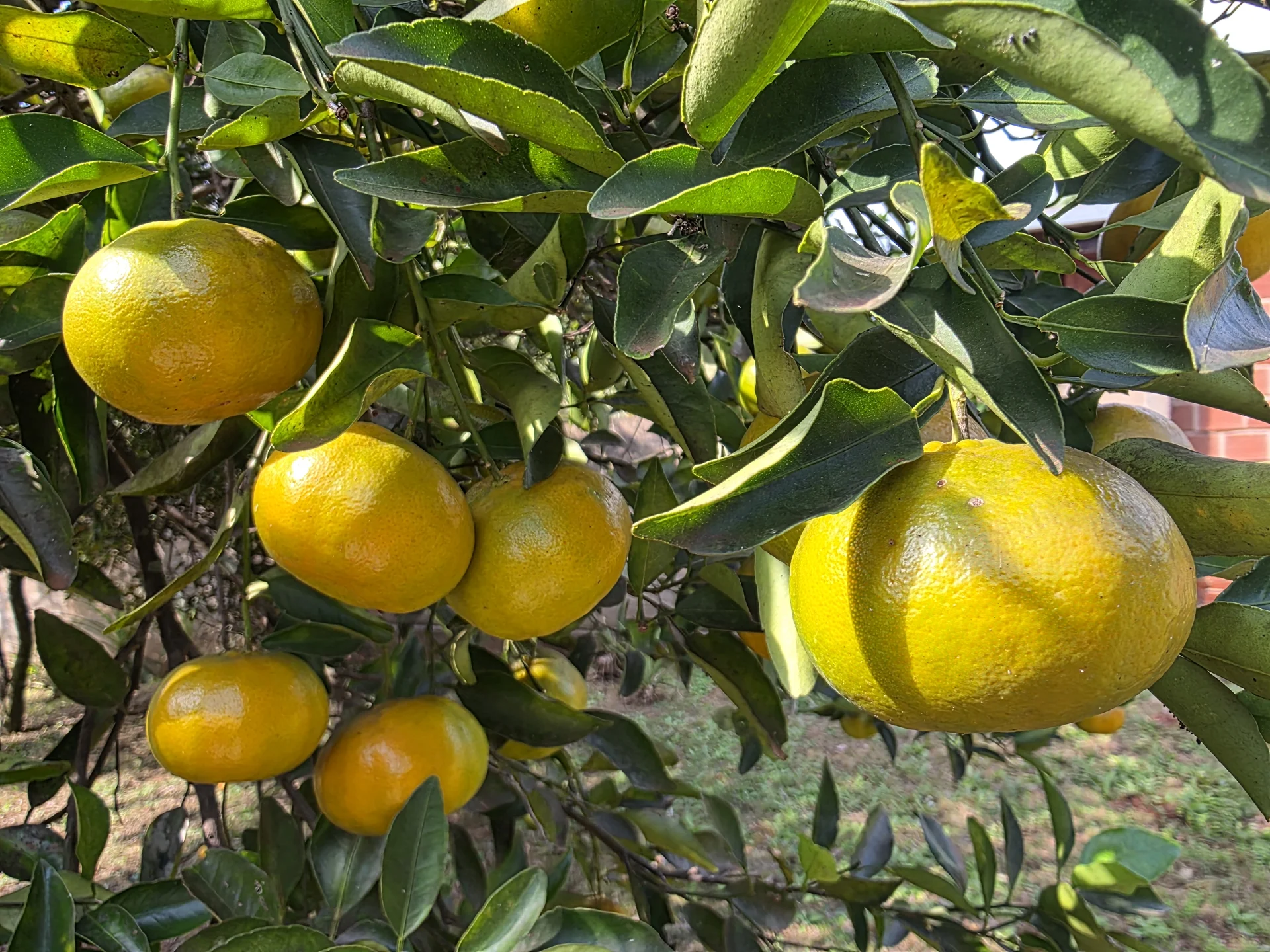 MandarinFavourable Needs irrigation
Grows well in 1 of 5 districts
Plant 10 Feb 2027 – 20 Jul 2027 opens in 19 weeks
matched to this season's forecast
about 28.9 t/ha expected
Pest/disease risk — manageable -
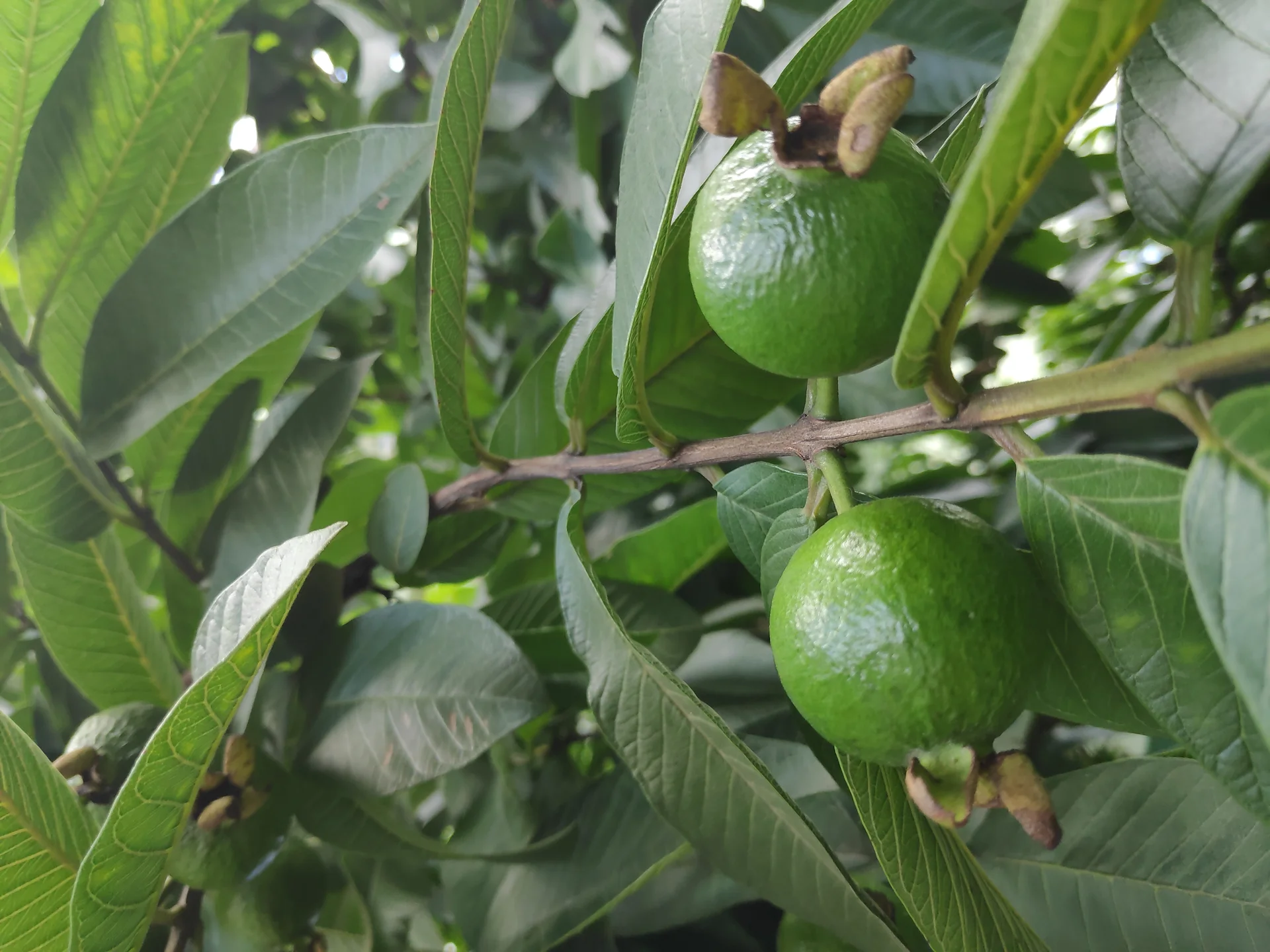 GuavaFavourable Needs irrigation
Grows well in 1 of 5 districts
Plant 10 Feb 2027 – 20 Jul 2027 opens in 19 weeks
matched to this season's forecast
about 35.0 t/ha expected
Pest/disease risk — manageable -
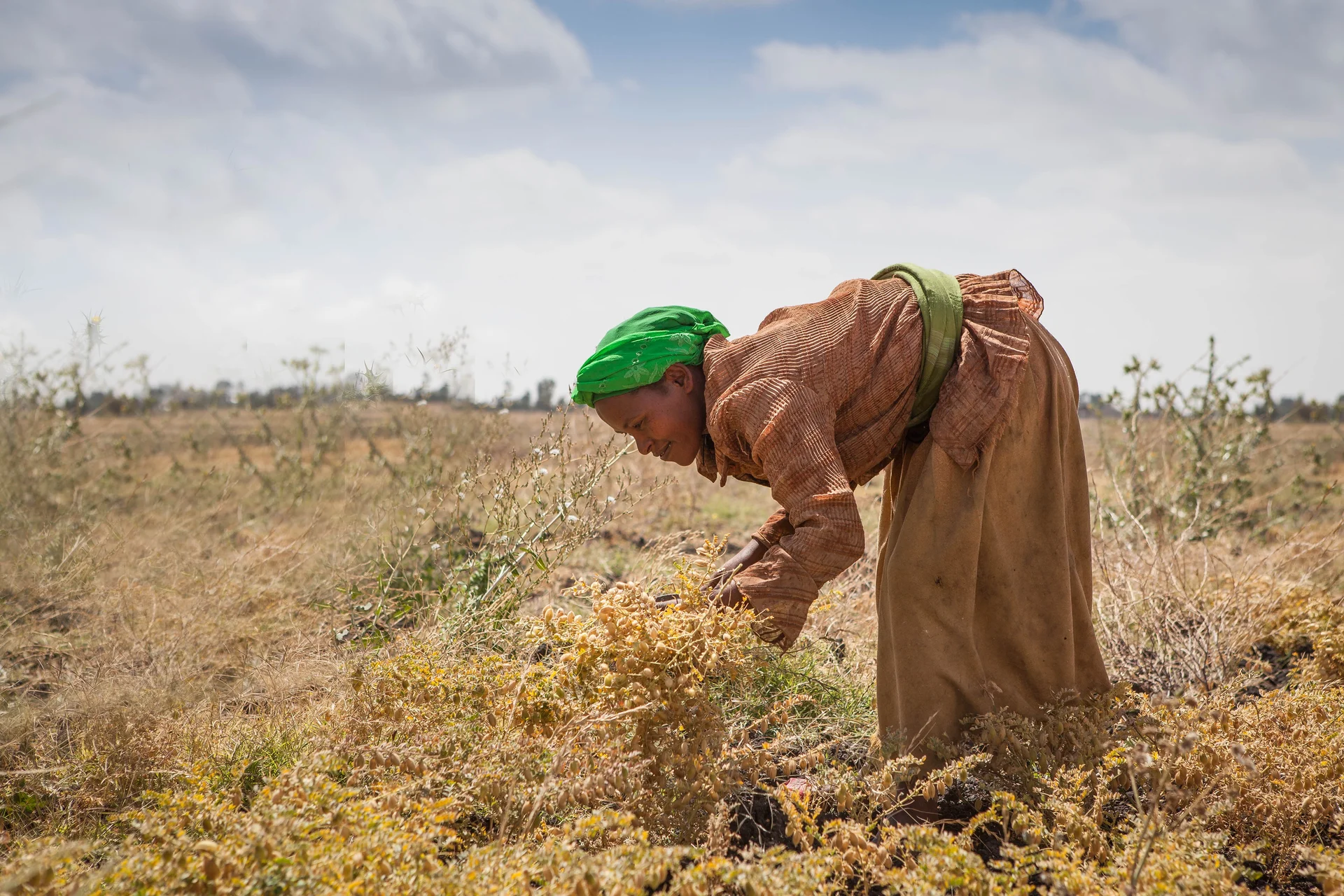 ChickpeaFavourable Needs irrigation
Grows well in 1 of 5 districts
Plant 22 Mar 2027 – 31 Mar 2027 opens in 25 weeks
matched to this season's forecast
about 2.5 t/ha expected
Pest/disease risk — manageableEarly-maturing — escapes late drought -
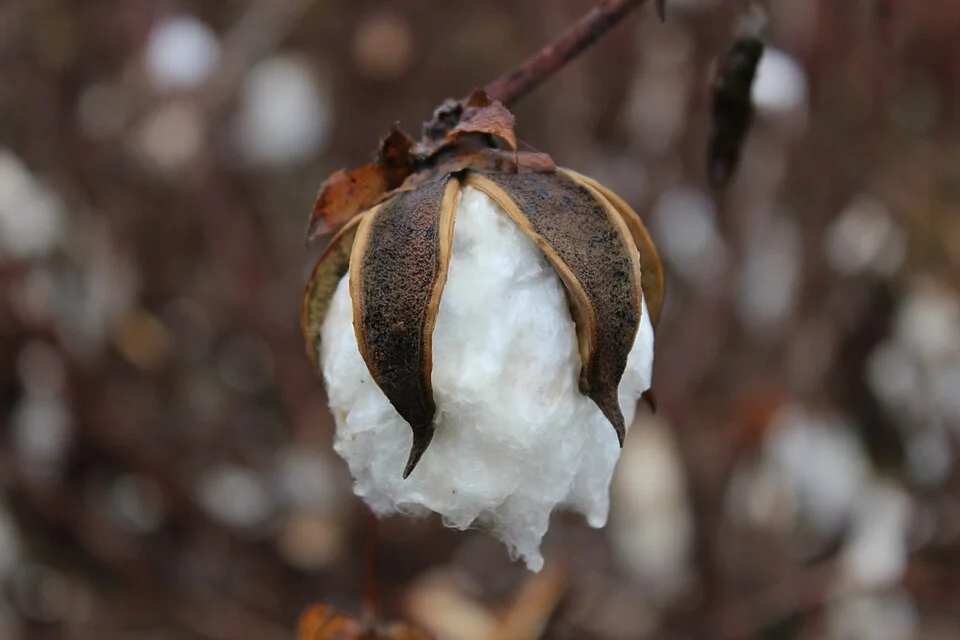 CottonFavourable Needs irrigation
Grows well in 1 of 5 districts
Plant 9 Aug 2026 – 28 Oct 2026 open now
matched to this season's forecast
about 4.0 t/ha expected
Pest/disease risk — manageableLate-maturing — drought risk -
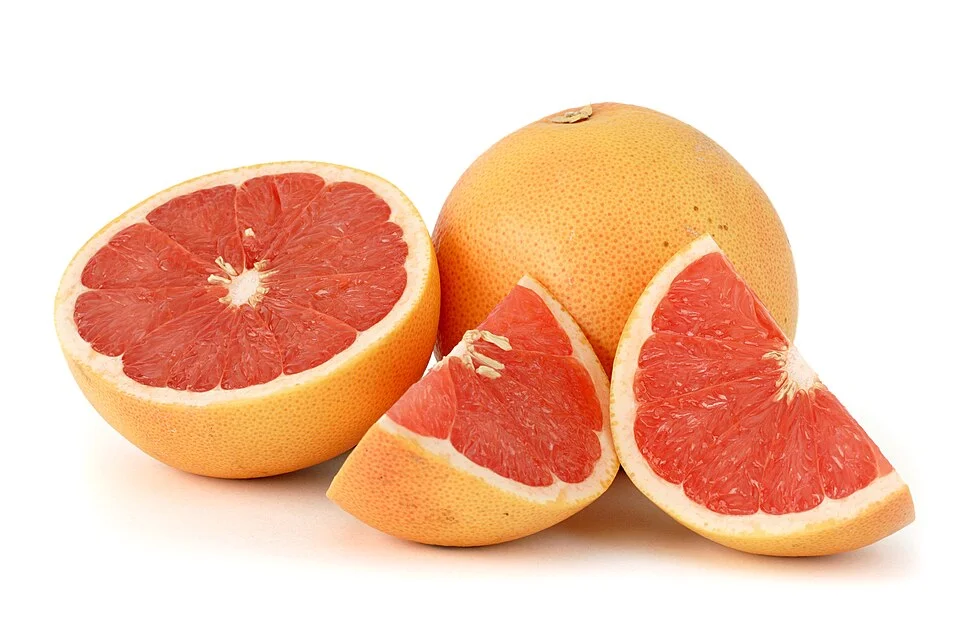 GrapefruitFavourable Needs irrigation
Clears in 1 of 5 areas scored
Plant 21 Jan 2026 – 1 Jan 2027 open now
matched to this season's forecast
about 17.9 t/ha expected
Frost risk -
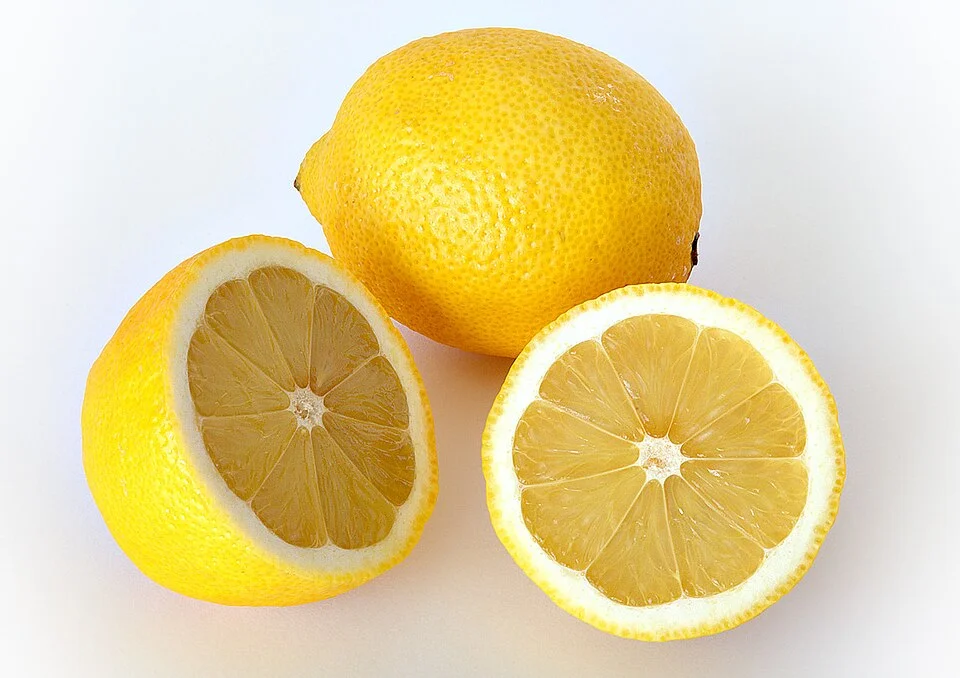 LemonFavourable Needs irrigation
Clears in 1 of 5 areas scored
Plant 10 Feb 2027 – 20 Jul 2027 opens in 19 weeks
matched to this season's forecast
about 22.5 t/ha expected
Frost risk
Plan the season, not just check it
The crops above are gathered from every district in Gauteng, and the ground under them is not all the same. Your own soil, slope and rainfall will shift the dates — the Divisi app works them out for your field, and dates each job that follows.


Support and extension
- Comprehensive Agricultural Support Programme
- Ilima/Letsema
- Agricultural Research Council
- National Extension Support Services
This calendar moves
Planting windows shift with the forecast. Leave your email and we'll send what changed, and a note when planting time nears — a couple of emails a month at most.
Frequently asked questions
What crops grow well in Gauteng?
Jute mallow, Watermelon, Niger seed, Sunflower, Soybean all rate well in Gauteng — scored against its own rainfall, soil and terrain rather than a national average.
When should I plant Jute mallow in Gauteng?
In Gauteng the window for Jute mallow runs 17 Dec 2026 to 15 Feb 2027.
Is there a farming app that works in Gauteng?
Divisi does. It reads Gauteng's own rainfall, soil and terrain rather than a national average, so the planting dates and crop shortlist on this page are the same ones the app works out for a field here — then dates each job for that field, and keeps working with no signal.
Is this exact for my own field?
No — these are readings taken across Gauteng, not on your field. Soil, slope and rainfall change from one farm to the next. Check your own location to see your own numbers.