 Divisi
Boost your soil, boost your crops. One of the most powerful upgrades you can give tired, sandy soil costs almost nothing — you make it from the crop waste already lying around your field. It's called biochar, a charcoal-like material you dig into the ground where it works like a sponge: it holds water through dry spells (available-water meta-analysis) and grips nutrients so heavy rain can't wash them away. Reviews of field trials find the biggest nutrient and yield gains in exactly the coarse, sandy soils many smallholders farm (sandy-soil systematic review) — and because biochar is alkaline, it also nudges sour, acidic ground back toward neutral (liming meta-analysis).

Photo: Artem Podrez / Pexels
What is biochar and how does it help soil?
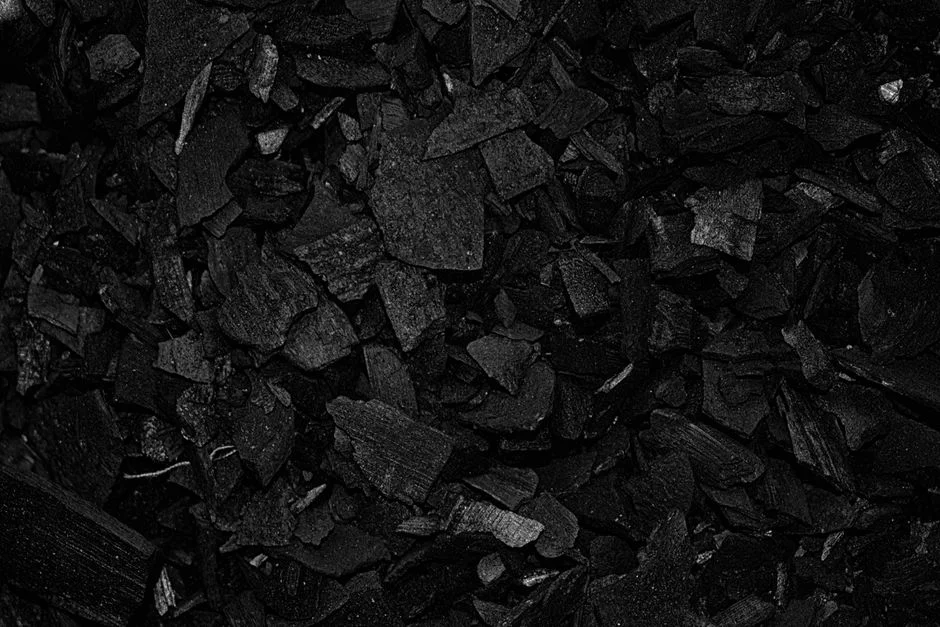
Biochar is a charcoal-like material made by heating dry organic waste — maize stalks, bean husks, groundnut shells, rice husks — with very little air, so it chars instead of turning to ash. The result is light, black and riddled with tiny holes, and that is what lets it act like a sponge: it soaks up water and holds it in the root zone through dry spells, measurably raising the available water in sandy soils (available-water meta-analysis). Those same pores grip nutrients so the rain doesn't wash them away. And unlike compost, which breaks down within a season, biochar barely rots — field and lab studies put its lifespan in the hundreds of years (biochar review, Frontiers), so one good application keeps working season after season.
Which soils benefit most from biochar?
Biochar earns its keep where soil is already struggling: light, sandy soils that drain too fast to hold water, and acidic soils where aluminium and low pH stunt roots. On acidic ground its alkalinity works like a mild lime — a global meta-analysis of 232 studies found biochar raised soil pH by about 5.6% on average (liming meta-analysis). On already-rich, well-structured soil the effect is smaller. So put your biochar where it will work hardest: your sandiest, most tired, most drought-prone fields.
What crop waste can I use to make biochar?
Any dry residue you already have: maize stalks and cobs, bean husks, groundnut shells, rice husks and prunings — waste that would otherwise be discarded or burned off.

Photo: Pixabay / Pexels
How do I make biochar on a small farm?
You don't need special equipment. Use a cone-shaped pit or a metal drum with air holes:
- Start a small fire at the bottom and add dry crop waste in layers, so each new layer covers the embers below and chars rather than turning fully to ash.
- When the pit is full of glowing char and before it greys to ash, quench with water or cover with soil to cut off the air.
- Let it cool, then break it into small pieces.
Work in a safe, open space, keep water nearby, and never leave it unattended.
Why must I charge biochar before using it?
Fresh biochar is empty. Its huge internal surface area is so good at grabbing nutrients that, dug in raw, it can pull nitrogen away from your crops for the first few weeks — biochar readily adsorbs mineral nitrogen and lowers the amount plants can reach (biochar and soil nitrogen). So charge it first: mix or soak it with well-rotted manure or compost for one to two weeks — the same organic matter you use to build soil that holds water. Now the sponge is loaded with nutrients, ready to feed your plants instead of competing with them.
How much biochar do I put per planting station?
A little goes a long way, and because biochar lasts, you build up your soil over several seasons rather than all at once. On smallholder farms in Kenya, even modest rates paid off: about 5 t/ha lifted maize yields by roughly 2.6 t/ha, while just 1 t/ha still added about 1 t/ha of grain (realistic biochar rates on Kenyan farms).
The easiest way to start is to spot-apply in the planting station, so the char sits right in the root zone where it works hardest:
| How you apply it | Metric rate | Local / no-tool measure |
|---|---|---|
| Spot in each planting station | about 100–150 g per station | 2–3 cupped handfuls |
| Banded along the planting row | 5 t/ha (built up over seasons) | about one 50 kg bag per 100 m² |
| A lighter first-year dose | 1 t/ha | about one 50 kg bag per 500 m² |
Treat your poorest, sandiest field first, then expand the area you cover each season as you make more char. Keep adding your normal manure and fertiliser too — biochar makes them work harder, it doesn't replace them.
Your next step this week
This week, char one drum of dry maize stalks, crush it, and set it to charge: pack it into an old sack or bin with a few handfuls of well-rotted manure, wet it down, and leave it to soak while you finish land prep. By planting time you'll have a batch of nutrient-loaded biochar ready to work — two or three handfuls into each station — into your sandiest, most drought-prone field. It's a soil upgrade that keeps paying back for years.