 Divisi
Ghana gives southern farmers two chances to plant each year, but in an El Nino season the short minor season (about September to November) is the one most likely to underperform, so treat it as a calculated bet, not a sure thing. Up north you get one season only, and El Nino tends to make it drier and shorter, so planting early with a fast-maturing variety is how you protect your yield and your income.
Here is how to read your season, match your crop, and decide before you spend on seed.
Why do I get two rain seasons in the south but only one up north?
Your zone sets your calendar.
| Your zone | Rain pattern | Main window | Second window |
|---|---|---|---|
| Forest, transition, coastal south | Bimodal | Major season ~Apr–Jul | Minor season ~Sep–Nov |
| Guinea-savanna north | Unimodal | One season ~Apr/May–Oct | None |
In the south the minor season is always the shorter, tighter one. In a typical year the transition and forest zones stay wet for about 70 to 108 days with 245 to 590 mm of rain, while the East Coast may get only 80 to 240 mm over 26 to 43 days. Up north, GMet's 2026 outlook puts the single onset between the third week of April and the second week of May, a little later in the Upper East. Knowing your window tells you how long a crop you can safely grow.
Will El Nino spoil my minor season this year?
It raises the odds of a weak, short minor season and northern dry spells, so plan for less rain, not none. El Nino is the warm Pacific phase that reshuffles rain across the tropics, and in West Africa it tends to weaken the monsoon. Forecasters put the chance of it developing at about 82% for May to July 2026, with above-normal temperatures across the region. The models disagree for the southern coast — some (NMME) lean drier over the Gulf of Guinea while others (WMO, C3S) lean average-to-wetter — so treat the minor season as uncertain rather than certainly dry, which is one more reason to wait for a real onset. The clearer signal is up north: GMet notes El Nino has historically brought drier weather and shorter seasons to northern Ghana, and its 2026 forecast flags early dry spells of 10 to 14 days and late dry spells of 9 to 18 days in the north. In the southern minor season, late dry spells can run 6 to 21 days. A long dry spell at flowering is what cuts maize yield most, so timing matters more than usual. New to terciles and probabilities? Start with how to read a seasonal forecast.
Which crop fits each season this year?
Match the crop's length to the rain you can count on.
| Crop | Best season this year | Why it fits |
|---|---|---|
| Short-duration maize | Major season; minor only if rain looks reliable | Finishes inside the 70–108 day window; pick drought-tolerant seed |
| Cassava | Plant early in the major season | Low-risk buffer, shrugs off dry spells, harvest when you need cash |
| Cowpea | Late major or minor season | Short cycle, feeds the soil with nitrogen, sells fast |
| Vegetables (pepper, tomato, okra) | Minor season, near water | High value and quick cash if you can water through dry spells |
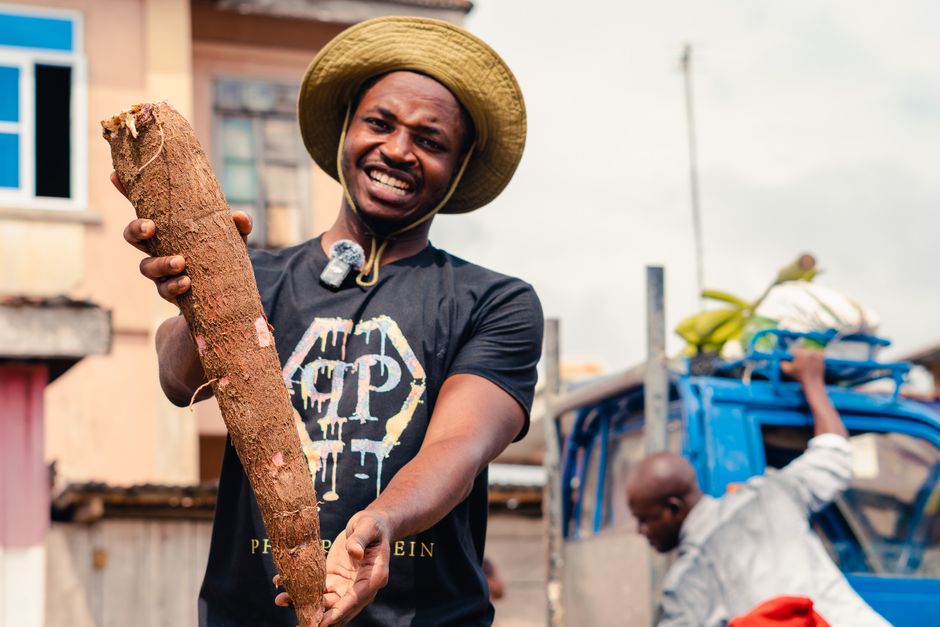
Photo: Carbell Sarfo / Pexels
Cassava is your anchor in a dry year because it forgives late rain. Cowpea is your low-cost insurance between maize crops; see cowpea, the Sahel insurance crop. For variety names and maturity, use choosing seed for a dry year.
Should I plant the minor season at all this year?
Run this quick go or no-go before you buy seed:
- Check GMet's minor-season update for your district first. The current forecast, not last year's memory, sets your date.
- Wait for a real onset: 20 mm or more over two to three days, then steady follow-up rain. Do not plant on a single teasing shower.
- No-tool test: stand a straight-sided tin (an empty olonka tin works) in the open; 2 cm of water collected is about 20 mm of rain. Then squeeze a handful of soil from 10 to 15 cm deep. If it holds its shape, there is enough moisture to germinate.
- Choose a crop that finishes inside your window. If only 70 days of reliable rain look likely, a 120-day maize will not make it, so grow cowpea or vegetables instead.
- Protect your price at sale: weigh and sell by the standardized 50 kg bag rather than the olonka, which the national survey found averages just 2.55 kg of dried maize and varies widely by trader.
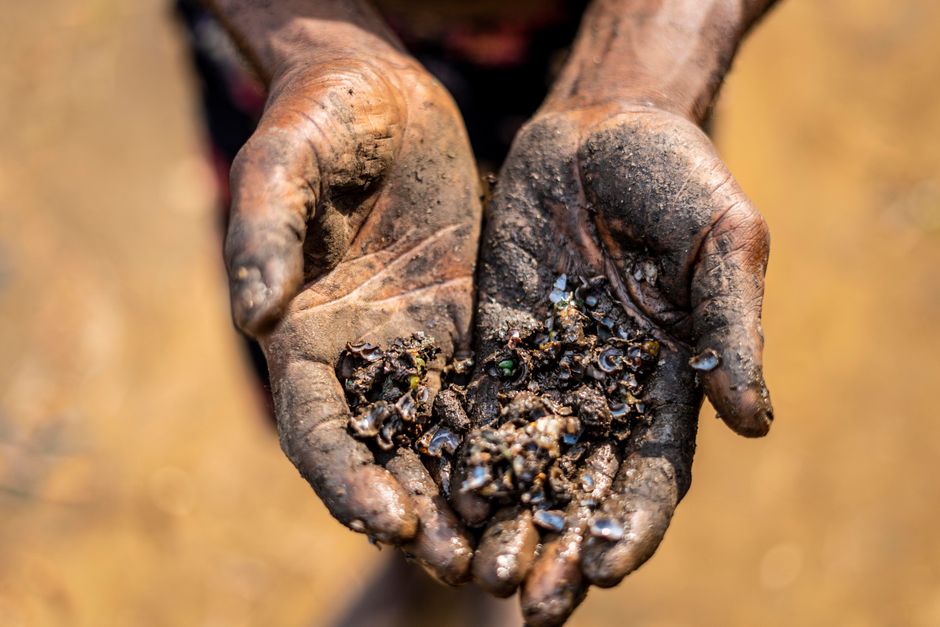
Photo: Garba Bakura / Pexels
If the update points to a late, patchy minor season, put your money into cassava and cowpea and hold your maize seed for a stronger year. West-coast farmers with reliable rain can still plant on time; see the West Africa dry-spell playbook.
Your next step this week
- Find your district in GMet's latest seasonal update and write down your expected onset and cessation dates.
- Set up your tin rain-gauge now so you can confirm a true onset before you plant.
- Decide your minor-season crop by window length, then buy short-duration, drought-tolerant seed before it sells out.