 Divisi
Weevils can hollow out a hard-earned harvest of maize and beans in a single storage season — but you don't need costly chemicals to stop them. Free protectants you likely have nearby — neem and wood ash for grain you'll eat, tephrosia or marigold leaves for seed — layered on top of proper drying and airtight storage will carry your grain through to the months it earns the most.
The pest you're fighting is usually the maize weevil (Sitophilus zeamais), a dark, snouted beetle about 3–3.5 mm long; in warmer lowland stores the larger grain borer (Prostephanus truncatus) often joins it (maize weevil ID, EAfrinet; larger grain borer, EAfrinet). Catch them early by the signs on the grain: neat round or ragged holes in the kernels, live beetles walking the surface, and a flour-like dust (frass) sifting out of the bag — badly bored grains even float in water. Left unchecked, storage pests like these help drive cumulative post-harvest maize losses of roughly 15–18% across Sub-Saharan Africa (APHLIS) — grain and income you can keep.
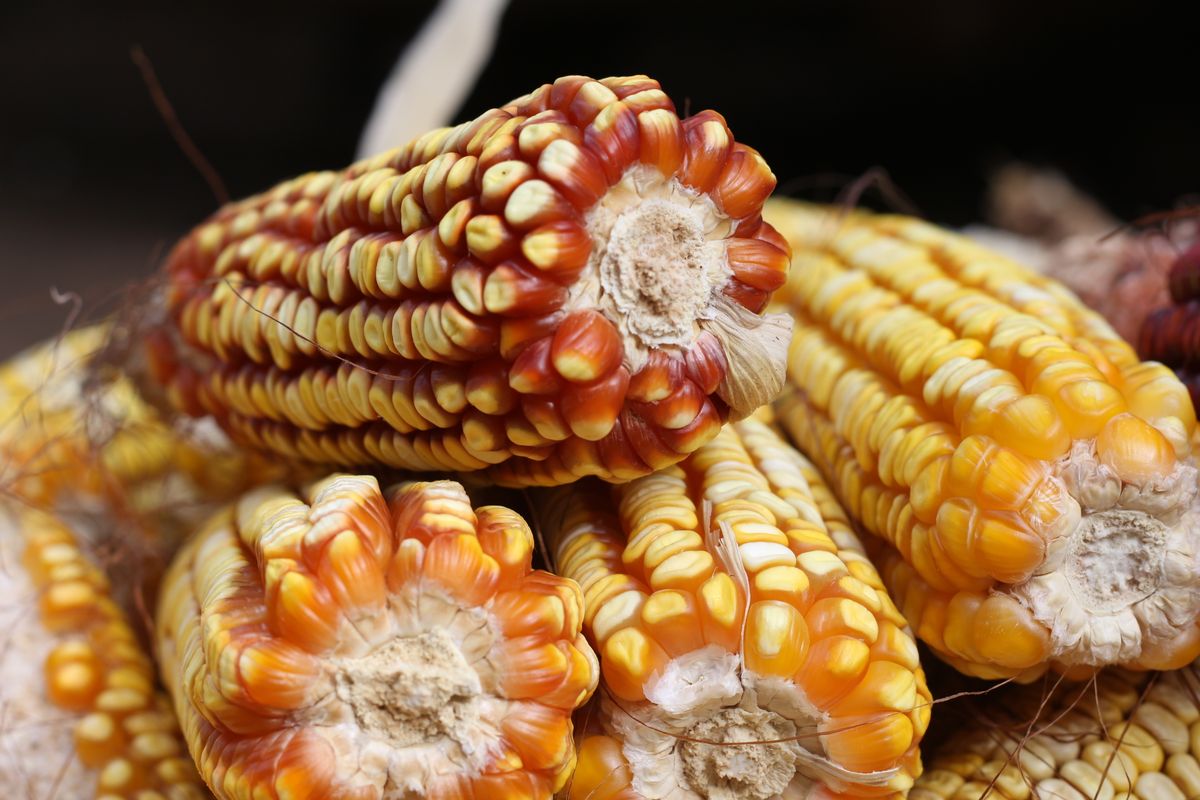
Photo: João Almeida / Pexels
Do botanical pesticides really work on stored grain?
Yes — when used correctly and as part of the whole package. Reviews of botanical grain protection show plant materials such as neem and tephrosia significantly reduce weevil damage in stored grain (review of botanicals for post-harvest insects, PMC), and combining them can work better than either alone (tephrosia + neem against maize weevil, Frontiers). They work best on top of three foundations: dry the grain to below 13% moisture — FAO's safe line for maize, above which spoilage roughly doubles for every extra 1.5% (FAO maize storage) — clean the store, and seal it as airtight as you can. No meter? Well-dried grain cracks sharply when you bite it rather than denting. Botanicals are protectants, not a rescue for grain that is already damp and heavily infested.
How do I use neem to protect stored grain?
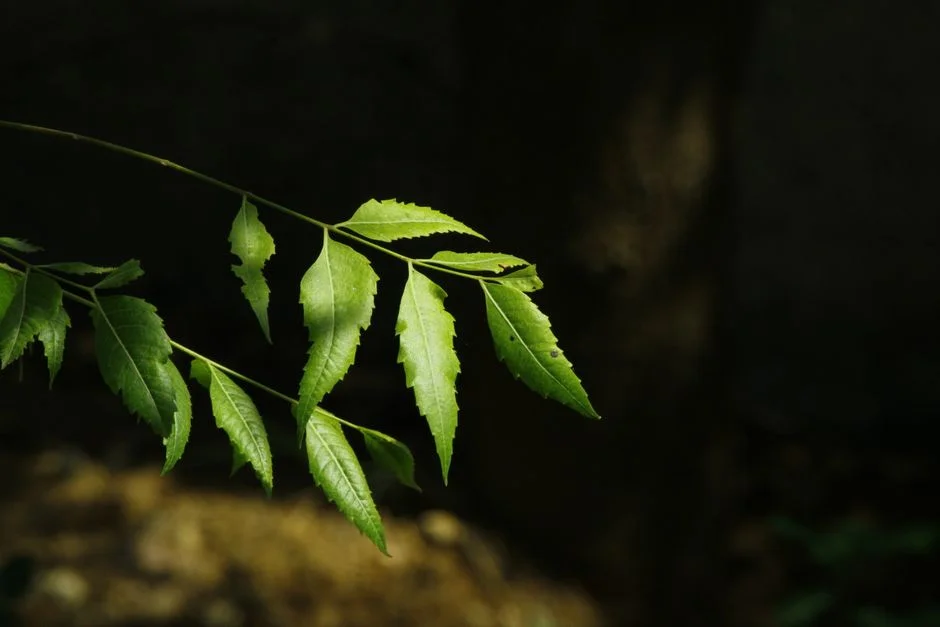
Neem (Azadirachta indica) is the most trusted botanical, and it goes straight through grain you'll eat. Dry the leaves in the shade, crush them to a powder, and mix it right through the grain at 1–2% by weight (neem leaf and seed powder vs maize weevil). On a 50 kg bag that is about 0.5–1 kg of powder — closer to a full 1 kg tin than a single handful (roughly 20–40 g per 2 kg gorogoro). Neem seed powder is stronger than leaf, so use a little less of it. Neem doesn't kill on contact; it stops weevils feeding and breeding, so the population collapses over the storage season (neem product vs maize weevil, Cameroon). Sieve the dust off before milling.
Is wood ash safe for grain I will eat?
Yes. Clean, dry, sieved wood ash coats the grain, fills the air gaps, dries out the insects and blocks egg-laying. Mix it at about 2–4% by weight (20–40 g/kg) — roughly 1–2 kg per 50 kg bag, and the more thorough the coating the better (wood ash & diatomaceous earth vs maize weevil); it only works on well-dried grain, losing its bite as moisture climbs, so dry first. Sieve the ash out before milling. Where you can buy it, food-grade diatomaceous earth (DE) — a fine fossil dust — is one of the most reliable non-chemical protectants: dose about 1–2 kg per tonne (1–2 g/kg, so 50–100 g per 50 kg bag) (same source).
Which plants keep weevils away?
There are two groups, and the difference decides what's safe to eat.
Safe to mix straight through grain for the pot: neem powder, sieved wood ash, food-grade diatomaceous earth and a light dusting of dried chilli. Sieve the dust off before milling and the grain cooks up fine.
Powerful, but not for food grain — keep them removable or seed-only: tephrosia (fish-bean, Tephrosia vogelii) and Mexican marigold (Tagetes minuta). Tephrosia leaves are loaded with rotenoids — rotenone and deguelin, the same fish-poison compounds that give the plant its name and that are now banned as a pesticide in many countries (rotenoids and rotenone toxicity, Insects; fish-bean profile, NRI ADAPPT). Marigold leaves carry light-activated thiophenes such as α-terthienyl, insecticidal compounds in their own right (thiophenes in Tagetes, Phytochemistry Reviews). Both work well, but use them one of two ways only: layer whole dried leaves between the grain so you can lift every leaf back out before cooking, or keep them for seed you'll replant, never eat. Do not grind them to powder and stir it through grain bound for the pot. Aromatic eucalyptus leaves are used the same removable, layered way.
Dry every leaf fully in the shade first — fresh leaves add moisture and invite mould.
Which method should I choose for my grain?
Match the protectant to the grain's job — the pot or the planting basin — and to how long you'll hold it. This table pulls every rate and the food-safety call into one place:
| Botanical | Dose (% by weight) | Per 50 kg bag | Food-safe or seed-only |
|---|---|---|---|
| Neem leaf/seed powder | 1–2% (source) | 0.5–1 kg | Food-safe — sieve off before milling |
| Wood ash (clean, dry, sieved) | 2–4% (source) | 1–2 kg | Food-safe — sieve off before milling |
| Food-grade diatomaceous earth | 0.1–0.2% (source) | 50–100 g | Food-safe — sieve off before milling |
| Dried chilli powder | Light dusting | A handful or two | Food-safe — sieve off before milling |
| Tephrosia or Mexican marigold | Whole dried leaves, layered — not powdered (≈0.1% as powder for seed only) (source) | ~50 g powder (seed only) | Seed grain only — or layer whole leaves and lift them out before cooking |
Then pick by volume and how long you're holding it:
- A few 50 kg bags for the kitchen: sieved wood ash or dried neem, mixed through each bag, is cheap, easy and safe.
- Grain you'll hold for months: pair any of the food-safe dusts with a near-airtight drum or hermetic bag — the two together are far stronger than either alone.
- Seed you'll replant: a light coat of cooking oil or ash guards germination; this is also the only grain where tephrosia or marigold powder belongs.
- Where you can buy it: food-grade diatomaceous earth (about 1–2 kg per tonne) is the most reliable non-chemical dust.
How do I keep treated grain safe to eat?
Keep the two groups apart and you're covered. Neem powder, sieved wood ash, food-grade diatomaceous earth and dried chilli are all fine for grain you'll eat — just sieve the dust off before milling or cooking. Tephrosia and Mexican marigold are not: the rotenoids and thiophenes that kill weevils are the reason (rotenone toxicity, Insects), so use those two only as whole dried leaves you can lift back out, or on seed you'll plant rather than eat — NRI's own tephrosia guidance stops short of clearing treated grain for people until its safety is established (NRI ADAPPT). When in doubt, label the bag and treat an unknown plant as seed-only.
Your next step this week
Before you seal the store this week: dry your grain until it cracks — not dents — when you bite it, sieve out the dust and broken kernels the weevils love, then dose each 50 kg bag with about 0.5–1 kg of dried neem powder or 1–2 kg of sieved wood ash and close it up as airtight as you can. That's a few hours' work that protects the maize and beans you'll sell when prices are highest.