 Divisi
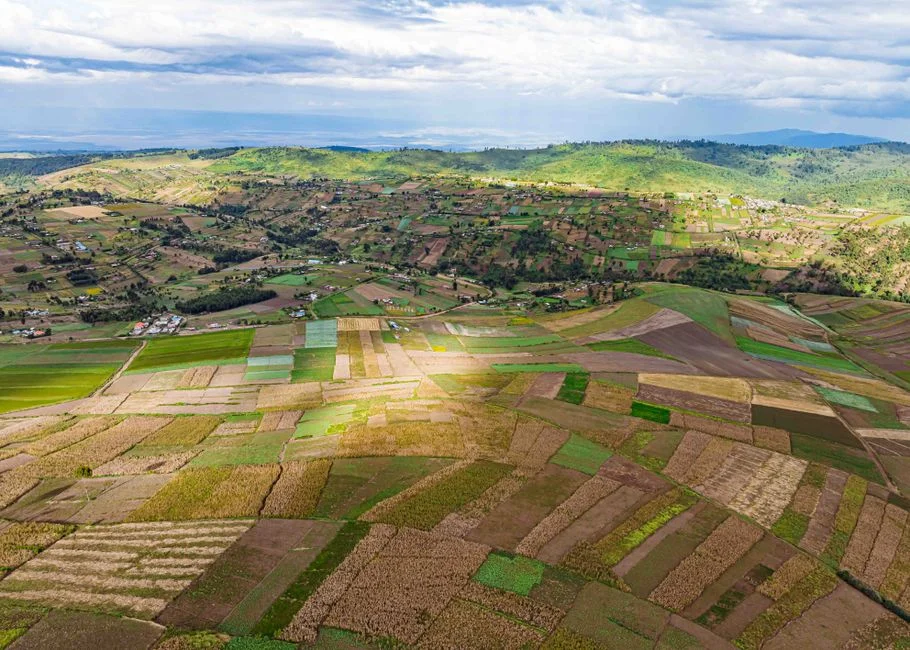
El Niño is expected to make Kenya's October-December short rains wet, even flood-prone — the opposite of a drought year. So this season your job is to plant for water you must drain away, choose fast seed, guard your harvest from pests and mould, and turn cheap, plentiful water into extra harvests.
Will the short rains really be wet where I farm?
Most likely yes. The Kenya Meteorological Department puts the chance of El Niño at 80-82% for June-August, rising toward 90-96% by the end of 2026, and it is watching a positive Indian Ocean Dipole that would amplify the October-December rains. FEWS NET agrees, expecting above-average short rains across bimodal Kenya, with an elevated risk of extreme downpours and flooding at the season's start.
This is the reverse of a dry-year plan. Flood-smart tactics are covered in our East Africa short-rains overview, and note that Ethiopia's highlands are the drier exception. Before you commit seed, check where your area sits in the seasonal forecast.
| Forecast signal | What it means for your plot |
|---|---|
| El Niño plus a likely positive IOD | Plan for surplus water, not scarcity |
| Flood risk highest at onset | Cut drainage before the first storms |
| Warm, humid air | More pests, disease and mould to manage |
How do I plant so heavy rain won't drown my crop?
Lift your crop above standing water and give runoff somewhere to go. Waterlogged roots suffocate, so shape the land before the rains arrive:
- Plant on raised beds or well-formed ridges so roots sit above saturated soil.
- Cut drainage furrows down the slope to carry water off the field, not across your rows.
- Keep beds narrow enough to weed without stepping on and compacting wet soil.
- Feed the soil organic matter — good structure drains faster and holds together in a downpour (build soil that holds water).
Which fast-maturing seed fits the short-rains window?
Choose a variety that finishes inside the OND window so wet weather at harvest can't rot your crop — then intercrop a fast legume to get more from the same rains.
| Crop | Variety | Days to maturity | Yield to plan for |
|---|---|---|---|
| Maize | SC Duma 441 (very early hybrid) | about 85-100 days | ~1.6-1.9 t/ha on most farms: 7-9 bags (90 kg)/acre |
| Beans | Nyota (KALRO, drought-tolerant) | about 2.5-3 months | ~1.3-2.0 t/ha: 6-9 bags (90 kg)/acre |
Speed is the point: a very early hybrid like SC Duma 441 finishes in about 85-100 days, and a Katumani-type open-pollinated maize in about 90-120 days, while a highland main-season hybrid needs six to eight months — it would still be standing when the wet harvest rots it.
A 90 kg bag is about 45 gorogoro (the 2 kg market tin). On most Kenyan farms maize averages about 1.6-1.9 t/ha — roughly 7-9 bags (90 kg), or 300-400 gorogoro, from one acre — so budget on that, not the much higher potential a seed packet quotes for a perfectly managed field. In a flood-prone short season, plan for the average and bank anything above it as a bonus.
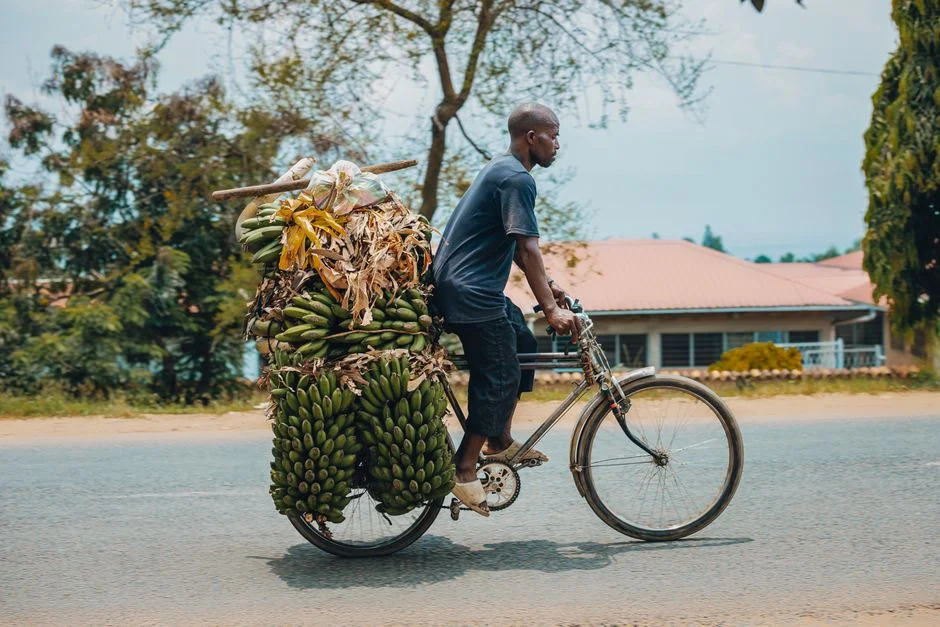
With water plentiful, intercrop a fast bean like Nyota between your maize rows, or use the gap between the long- and short-rains crops for a quick vegetable like sukuma wiki — that stacks harvests without gambling on a second full maize crop the roughly 90-day window can't finish.
How do I keep pests and disease from winning in the wet?
Scout early and often — warm, damp weather is exactly what fall armyworm and leaf diseases love. The pest already costs Africa up to 17.7 million tonnes of maize and USD 9.4 billion a year. Stay ahead:
- Walk your rows twice a week; check the whorl of young maize for windowpane damage and fresh droppings.
- Crush egg masses and young caterpillars by hand — a torn leaf is cheaper than a lost cob.
- Space plants well and clear weeds so leaves dry quickly; damp canopies spread fungal blight.
- Rotate maize with your legumes to break pest cycles.
How do I dry and store so my maize doesn't turn toxic?
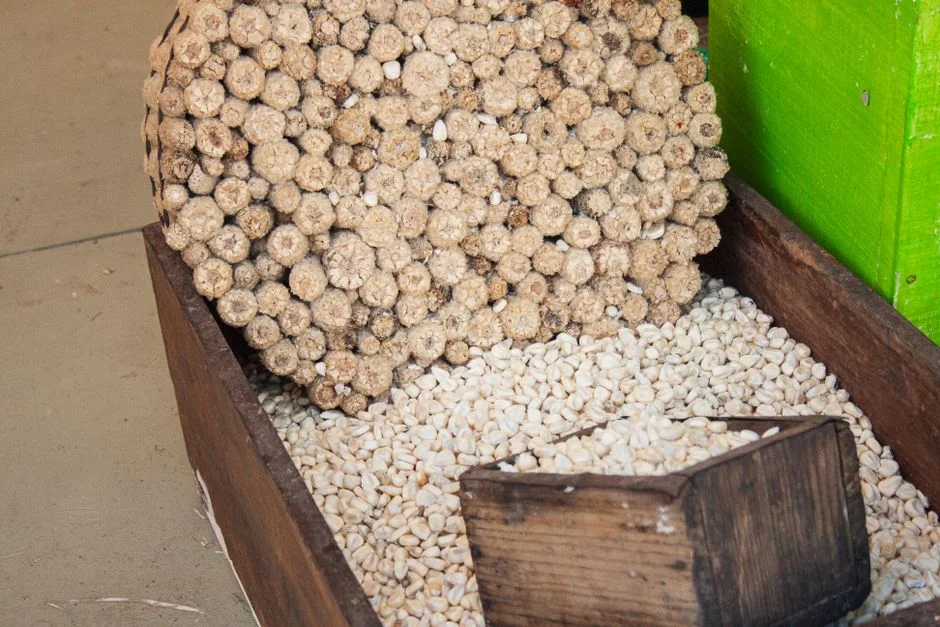
Dry fast and dry hard — humid air is when aflatoxin, an invisible poison, takes hold. The mould that makes it grows in warm grain — 24-35°C — and gets going once grain stays above about 14% moisture, so dry your maize down to the 13% ceiling Kenya's grain standard sets; the legal aflatoxin limit is just 10 parts per billion.
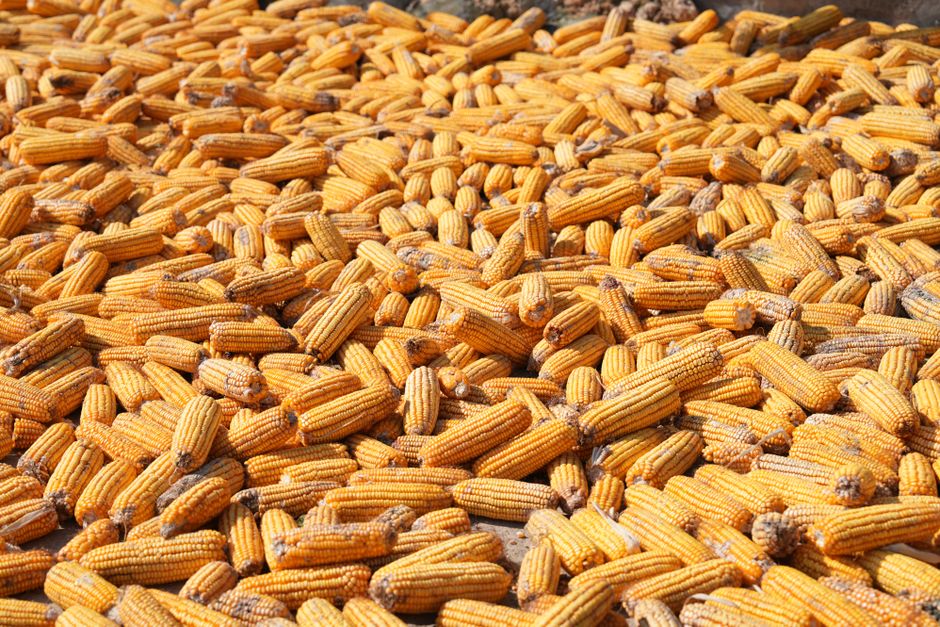
Photo: John Wu / Pexels
No moisture meter? Do the salt-bottle test: put a handful of shelled grain and a spoon of dry salt in a clean, dry bottle, seal it, and shake for three minutes. If salt sticks to the glass, the grain is still too wet — keep drying. Bite a kernel too: it should crack sharply, not dent.
- Dry on a raised rack or tarp, never bare wet ground.
- Shell only fully dry cobs; bag them and store off the floor on pallets.
- Keep the store airy and check bags weekly for damp or heat.
Your next step this week
Walk your field after the next shower and mark where water pools — that is where your furrows and raised beds go first. Then order fast-maturing seed before the rush, and set aside a dry, airy space for harvest. A wet season is a chance to grow more and sell more, as long as your ground, your seed and your store are ready before the first big storm.