 Divisi
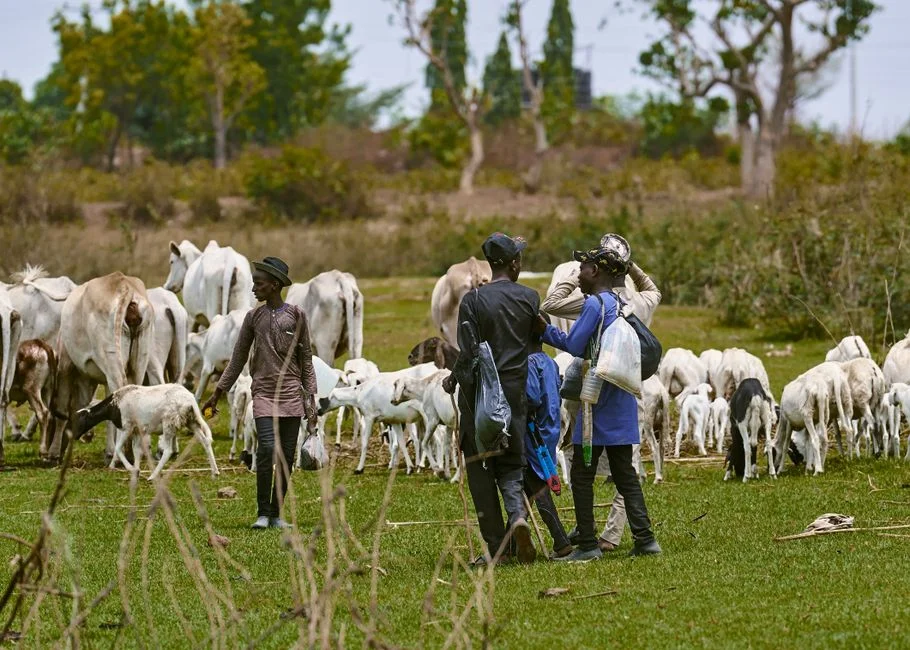
A dry El Nino season is survivable for your whole herd — cattle, goats, sheep and chickens — if you plan three numbers now: water per animal, feed per dry month, and how many animals to keep. Get those right and you protect your biggest asset, because animals in good condition sell for a fair price, breed back quickly, and carry your income into the next rains. (What El Nino means for your farm explains why 2026-27 is likely to run hot and dry across much of the south.)
How much water does each of my animals need a day?
Water is the first thing to run short and the fastest way to lose condition. A mature cow can drink 40-70 litres a day in the heat, and cattle water needs roughly double as the day warms from about 10°C to 35°C (University of Georgia). Small stock and poultry need far less, but they need it every day.
| Animal | Litres per day (hot dry season) |
|---|---|
| Mature cow or ox | 40-70 |
| Young / growing beast | 20-35 |
| Goat or sheep | 3-6 |
| Adult chicken | 0.2-0.5 |
Hardy dry-zone goats can get by on as little as 1.4-2.2 litres (FAO), and a chicken drinks close to twice the weight of its feed — more when it is hot (UGA poultry primer).
Cut the walking distance to water: an animal that treks far burns the very energy you are trying to save. Bring water to a clean trough, shade it, and store rain in a drum or lined pond (smart rainwater harvesting). No-tool check: pinch the skin on the neck — if it takes more than 2 seconds to flatten back, that animal is already dehydrated.
How do I stretch my feed through the dry months?
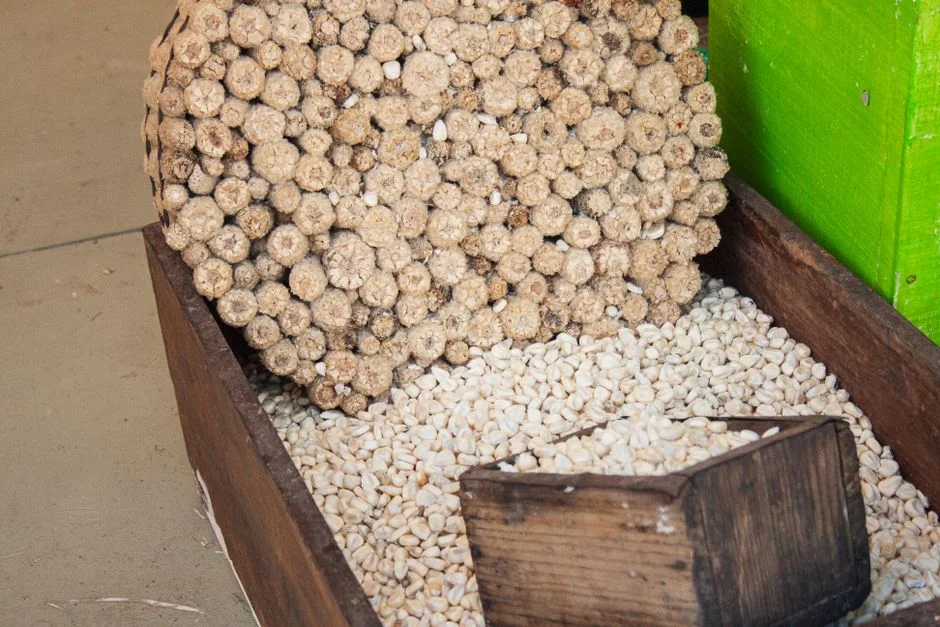
Bank feed the way you bank a 90 kg bag of grain. Dry, poor stover alone will not keep an animal — untreated maize stover is only about 3.6% protein and under 50% digestible (FAO), so animals slowly lose weight on it.
- Store every stalk. After harvest, cut and stack maize and sorghum residues off the ground, under cover, dry.
- Urea-treat the poorest stover. Dissolve about 5 kg of urea in 50 litres of water per 100 kg of dry stover, sprinkle it through, and pack it airtight in a drum, pit or plastic sheet for 3-5 weeks. This lifts digestibility by about 25% and intake by nearly 60% (FAO). Air it out for a day before feeding. Never give treated stover to chickens or very young calves, and never overdose the urea.
- Add protein. A handful of cowpea or groundnut haulms, or a urea-molasses lick, turns "filler" into a maintenance ration.
- Budget before the season. A cow eats up to about 3% of its body weight in dry feed a day (FAO) — roughly 8 kg for a 300 kg cow, close to a tonne over a four-month dry spell. Multiply: animals × daily feed × dry months. If the sum is bigger than your store, you already know you are carrying too many animals.
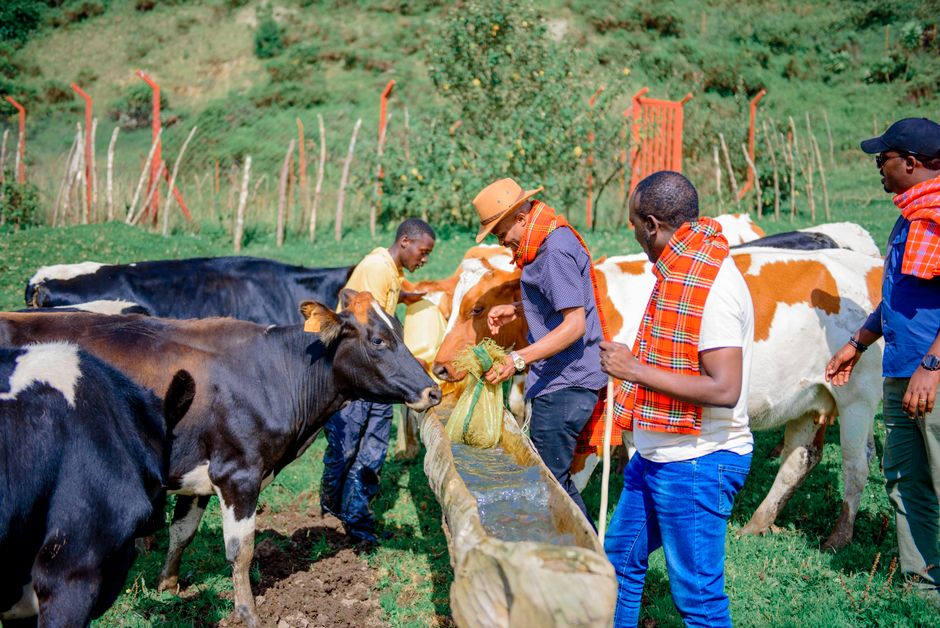
Photo: JUSTIN MUHINDA / Pexels
How do I know when an animal is slipping?
Run your hand along the backbone, ribs, hips and tailhead once a week — you don't need a scale (Oklahoma State University).
- Good (score 5-6 of 9): you feel the ribs under light pressure, the back looks smooth, some fat pads the tailhead. Keep breeding cows here.
- Slipping (3-4): ribs and backbone easily seen, no fat in the brisket. Increase feed now.
- Danger (1-2): every rib, hip and spine bone stands out. Act today — feed hard or sell.
Write each score down. A falling score is your earliest, cheapest warning.
Should I sell some animals now?
Yes — sell surplus, old and weak animals early, while they still carry condition and prices are still strong, and keep your productive core (best breeding females and one good bull). Selling early is not defeat; it is the single most profitable dry-season decision.
| Sell early (season looks dry) | Sell late (animals thin) | |
|---|---|---|
| Price per animal | Full, condition-based | Falls as everyone sells |
| Cash for your core herd | High | Low |
| Grazing & water | Freed for the keepers | Already gone |
In Ethiopia, early ("commercial") destocking put an average of about USD 186 per household in farmers' hands, most of it spent in the local economy, with roughly a third reinvested in caring for the animals they kept (LEGS). Timely selling beats every late option.
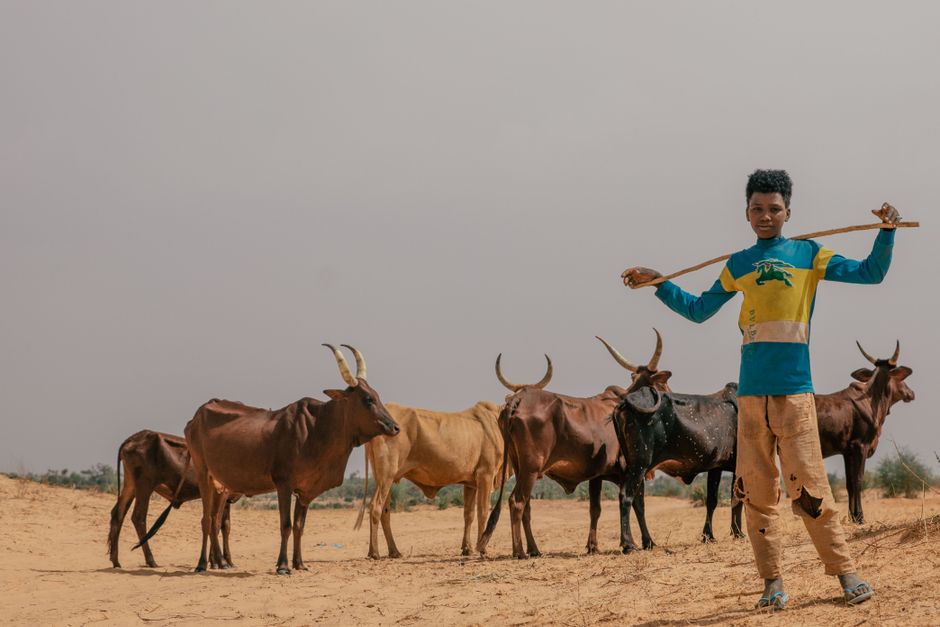
Photo: alameen .ng / Pexels
How do I keep them cool and healthy?
Cattle start to feel heat stress once the temperature-humidity index passes about 72 (Ceva). Give real shade, put the water in the shade, and move or work animals in the cool early morning — the same heat rules that protect you protect them (working safely in extreme heat).
Watch disease closely: in the dry season animals crowd at shrinking water points, the perfect place for illness to spread. Vaccinate and deworm before the season, keep troughs clean, and separate any animal that goes off feed. Healthy dung and a moist muzzle are good no-cost signs; scouring, coughing or a dry nose mean call your vet or extension officer.
Your next step this week
- Walk your water sources and compare what you can supply against the litres in the table above; fix any shortfall with storage and shorter walks.
- Score every animal by hand and write it down.
- List the surplus and weak animals to sell in the next two weeks, and ring-fence your breeding core.
- Build your feed bank now: treat your poorest stover before it rots, while keeping some residue back to feed your soil's water bank.