Divisi
El Niño will likely pull Mozambique two ways at once: a drier, hotter south and interior, and a flood-prone central coast and river basins. The winning move is to prepare for both — and one plan does it. Forecasters now put the chance of El Niño — a warming of the Pacific Ocean that shifts our rains — lasting into the heart of the 2026–2027 season at 96%.
Will El Niño bring drought or floods to Mozambique?
Both, depending on your agro-ecological zone — the area you farm, with its own rainfall and soils.
- Drier and hotter: the southern interior (Gaza, southern Inhambane) and parts of Tete. INAM, the national weather service, expects below-normal rain and above-average temperatures across the south and centre, while the north leans wetter.
- Flood-prone: the central coastal lowlands (Sofala, Zambézia) and the great river basins — the Zambezi through Tete and the centre, the Limpopo through Gaza. Heavy rain upstream can flood your field even when your own sky looks dry.
| If you farm… | Main El Niño risk | Your first move |
|---|---|---|
| Southern interior — Gaza, S. Inhambane (about 600 mm rain a year) | Dry spells, heat | Drought-tolerant, early seed + catch every drop |
| Zambezi / Limpopo basins, central lowlands | Late floods, cyclones | Raised beds, drainage, a raised store |
When will the rains start in Mozambique this season?
Late — so do not plant on the first shower. FEWS NET expects a below-average, late start to the season, and in past El Niño years the rains came about one dekad — 10 days later than normal, with the worst dryness in the second half of the season (December–March).
No-tool test: dig with your hoe. Plant only when the soil is moist to 15 cm — one hand-span — deep, not just damp on top. On the sandy southern soils that takes a real soaking, not a passing shower.
What is the best drought-tolerant crop for southern Mozambique?
Cassava and sorghum, backed by an early-maturing maize. They finish quickly or ride out dry spells.
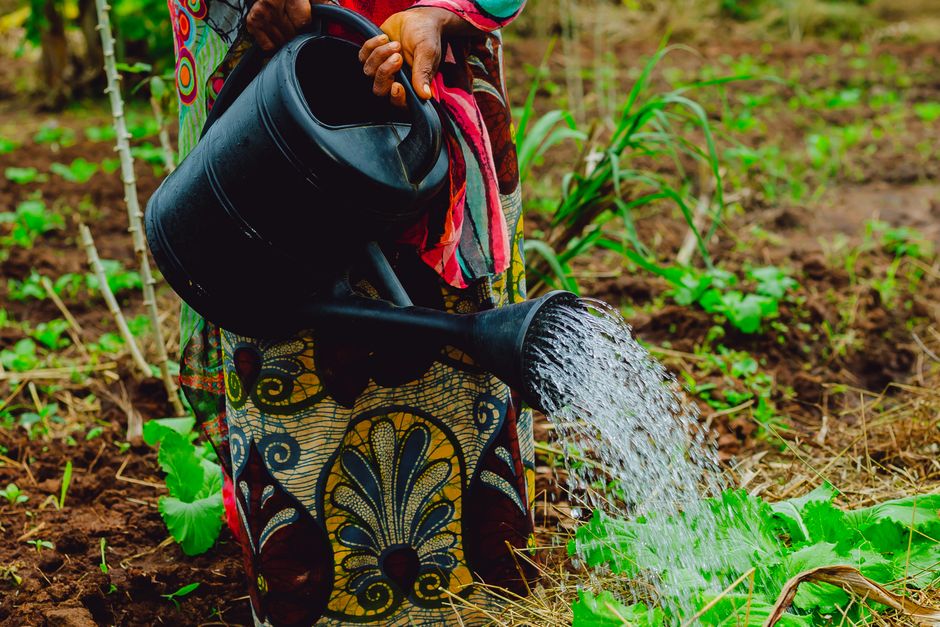
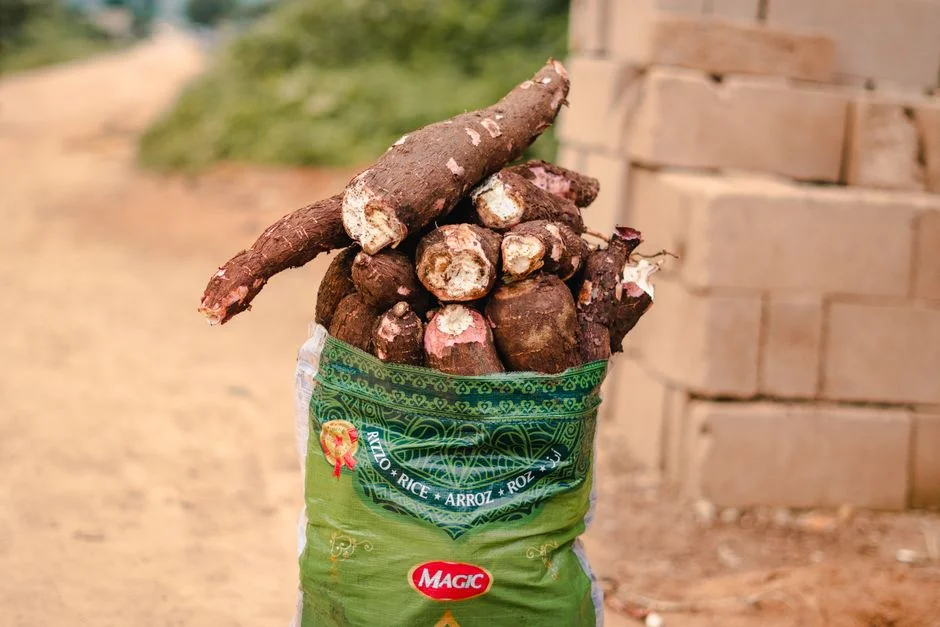
Photo: Peter Chilumba / Pexels
- Cassava stores its harvest safely in the ground and shrugs off drought — your safety crop for the driest plots. See land prep for cassava.
- Sorghum handles both a dry spell and a short soaking better than maize — see sorghum and millet agronomy for a dry year.
- Drought-tolerant maize (bred to yield even when rain is short): pick a variety that matures in under 120 days — about three and a half months, so grain fills before the late dry spell. These types are bred to add at least one tonne per hectare under moderate drought, a 20–30% gain the breeding programme aims for over farmers' current yields — a target to plan around, not a guarantee on every plot. At best, on a 0.4 ha (1 acre) plot that is up to 400 kg — about eight 50 kg bags — of extra grain. Go deeper in dry-year maize agronomy.
Then catch every drop: plant in basins or behind tied ridges (small earth walls across the furrow that trap rain where it falls). More in smart water harvesting.
How do I protect my maize from flooding near the Zambezi or Limpopo?
Lift the crop out of the water and lead the water off your plot. Four steps:
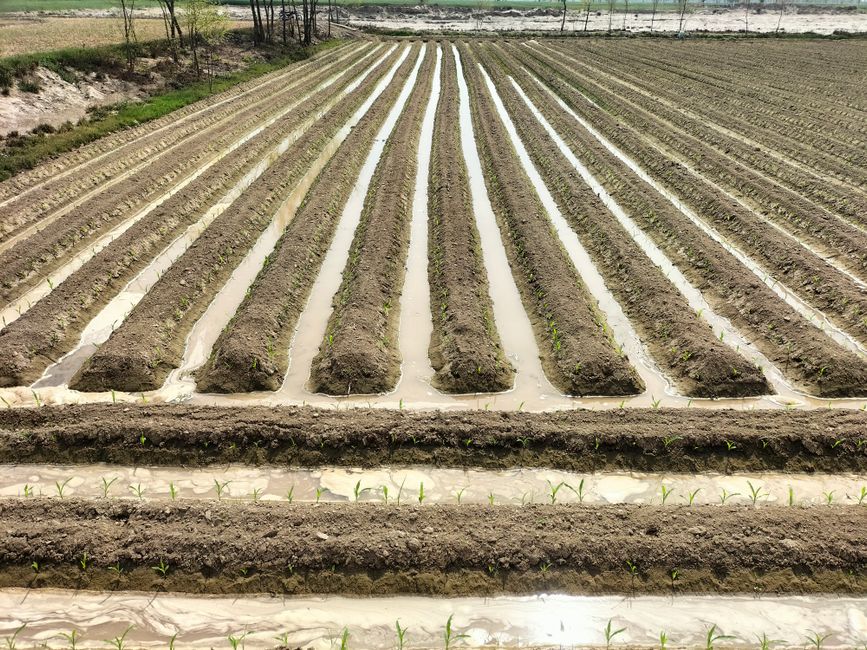
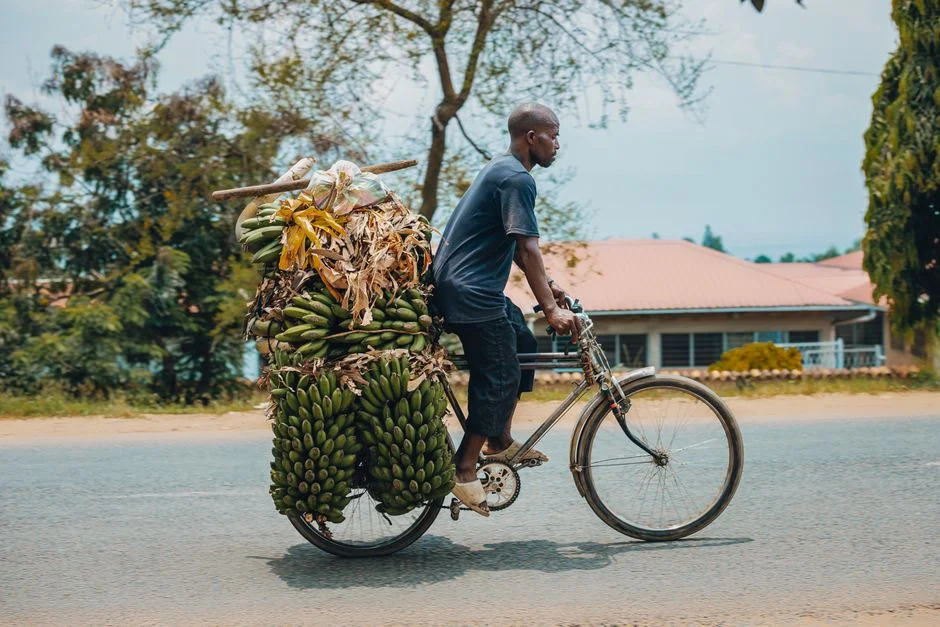
Photo: Kashif Ali / Pexels
- Raised beds or ridges — plant on top, 20–30 cm above the furrow, so roots sit above standing water.
- Drainage furrows — cut channels every few metres that carry water off the plot to a lower point, not through your rows.
- Early-maturing seed — the same under-120-day varieties let grain mature before the January–March flood-and-cyclone peak.
- A raised, dry store — keep grain on a platform at least 30 cm off the ground, roofed and dry, so a wet year does not rot your bags.
The same flood-smart moves are working in East Africa this season.
When is cyclone season in Mozambique?
November to April. The coast takes on average three to four storms a season, most landing on the central coast between December and March. Cyclones — and the basin floods along the Zambezi and Limpopo — are driven mainly by independent tropical systems and by rain falling upstream, not by El Niño; cyclone numbers in the southwest Indian Ocean show little clear link to El Niño, so they can still hit hard even in a drier El Niño year. That is exactly why you prepare for both: time early-maturing crops so grain is dry and stored before the peak.
Your next step this week
Wherever you farm, do these five things now:
- Name your risk from the table — dry interior or flood basin.
- Buy early-maturing, drought-tolerant seed (under 120 days) and keep at least one lata (a 20-litre tin) back to replant if the first rains fail.
- Split your land: part cassava and sorghum to survive drought, part early maize for quick grain.
- Shape the soil for your risk: basins and tied ridges to hold water in the dry south; raised beds and drainage furrows in the flood basins.
- Build or fix a raised, dry store before the rains.
Start with step one this week: walk your plot, decide which risk is bigger where you farm, and buy your early-maturing seed while stock lasts.