 Divisi
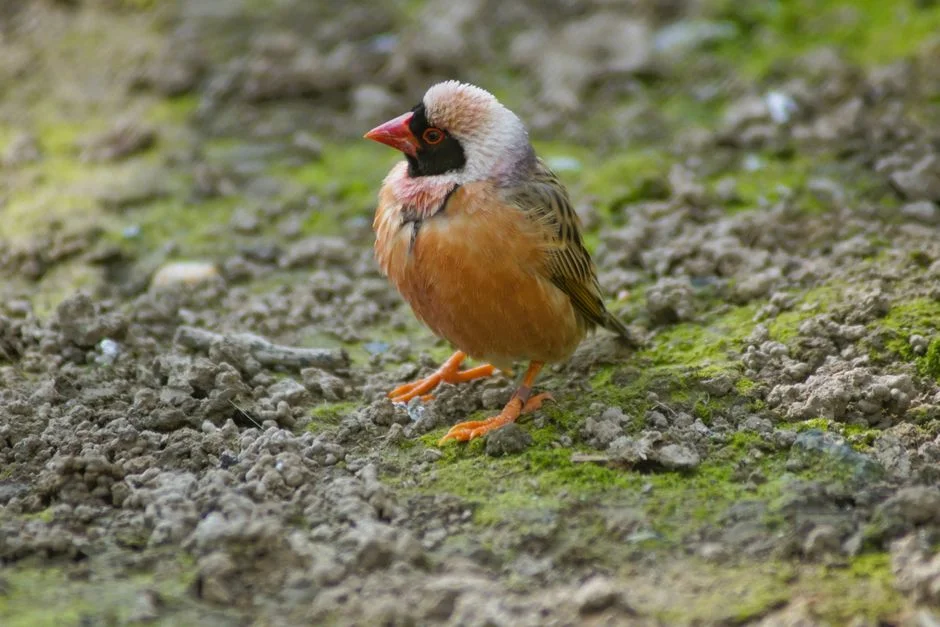
Those tiny birds stripping your sorghum are red-billed quelea (Quelea quelea) — the most numerous wild bird on earth, with more than 1.5 billion adults across Africa. You can beat them, but not alone: plant in step with your neighbours, scare them the smart way, warn each other early, and even turn the birds you catch into food or cash.
What are the small birds eating my sorghum?
Red-billed quelea are small, sparrow-sized weaver birds about 11–13 cm long, with a thick reddish bill that turns bright red on breeding males. They travel in flocks of thousands to millions and roost together at night in reeds, thorn trees or sugarcane. They love small grains — sorghum, millet, wheat and rice — and soft, milky maize. A single bird eats about 10 grams of grain a day, so a flock of two million can clear around 20 tonnes — roughly 400 fifty-kilogram bags — in a single day. Across the continent they cost farmers about USD 88.6 million a year.
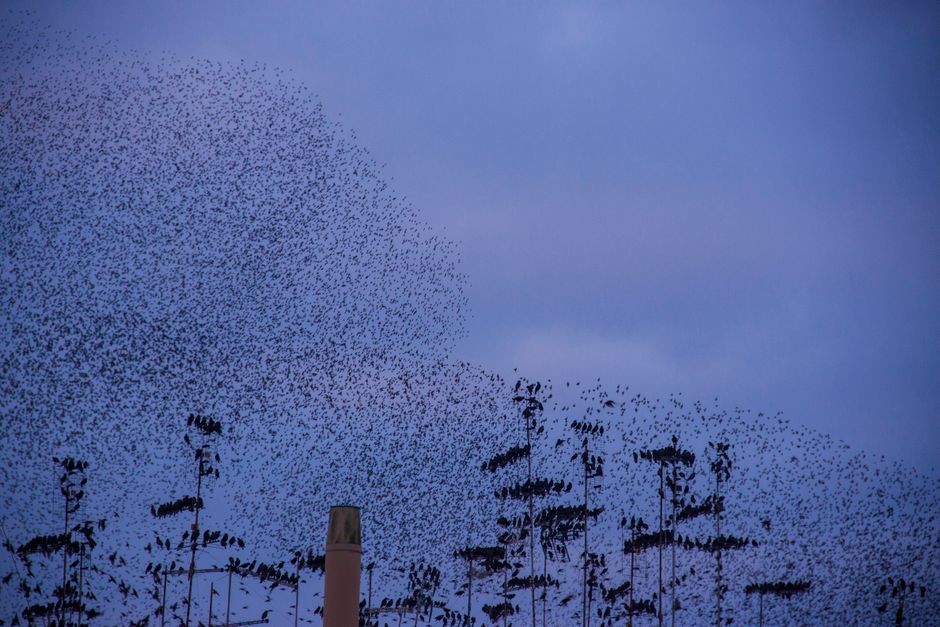
Photo: Francesco Rosati / Pexels
They chase the rain and the ripening grain. Breeding kicks off when roughly 300 mm of rain falls over about six weeks and wild grasses seed; when that grass dries off, the flocks turn to your field. Knowing when your rains come helps you see them coming — start with reading the seasonal rainfall forecast before you plant.
When do quelea attack my crop?
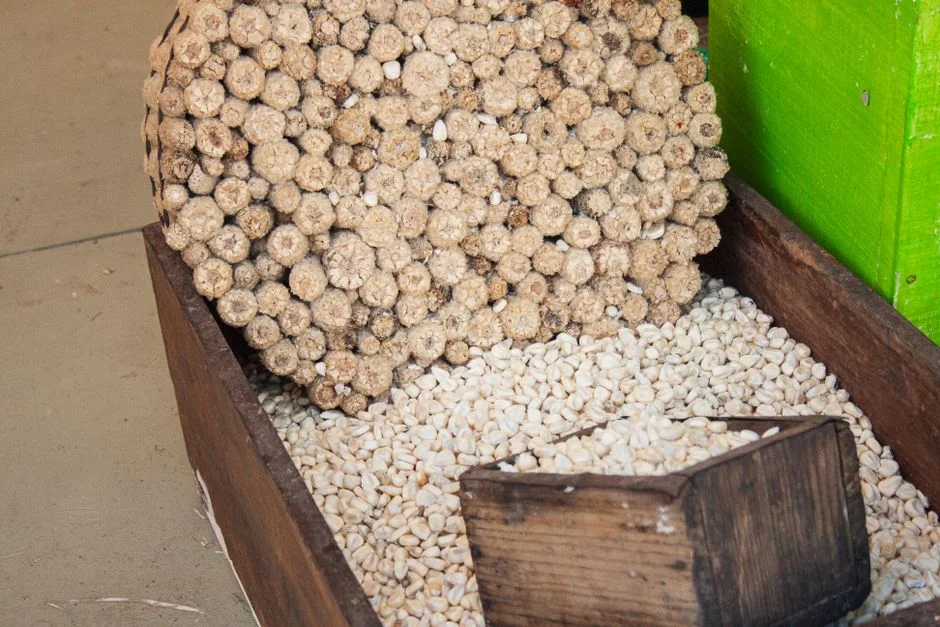
They strike hardest at the milk to soft-dough stage — squeeze a grain and it oozes white, before it hardens. That two-to-three-week window is when the grain is soft and sweet and the birds can eat fastest; birds peck hardest at this milk stage. Green, soft maize cobs are also fair game. Once grain is hard and dry, quelea lose interest — so your whole job is to get the crop safely past that soft window.
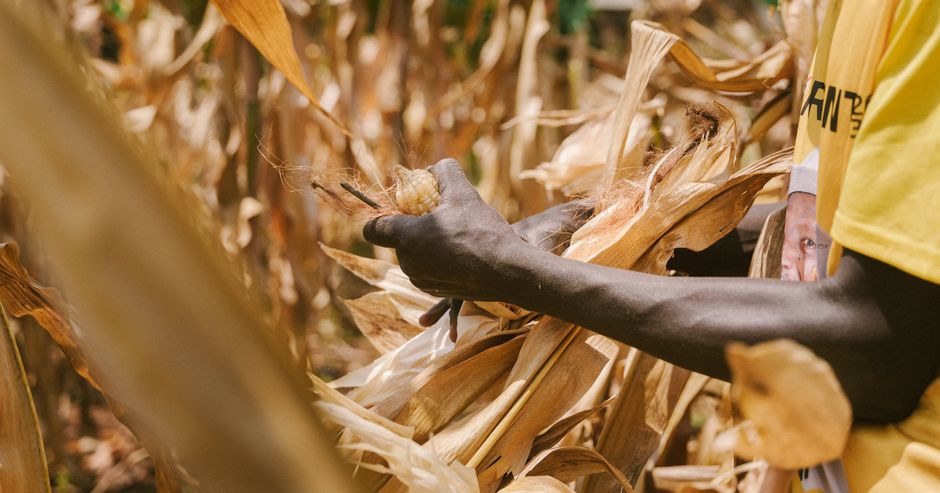
Photo: Mwesigwa Joel / Pexels
How do I keep quelea off my grain without poison?
Work down this list — cheapest and community-first; leave chemicals to the authorities (see below).
Photo: ZEUS THE CREATOR / Pexels
- Plant in step with your neighbours. Quelea swarm the lone ripe field. If a whole area plants within the same 1–2 weeks, the damage spreads thin instead of wiping out one farm — so avoid being the earliest or the latest, isolated crop.
- Grow bird-deterrent sorghum. Varieties with compact, high-tannin heads and darker grain, such as KALRO's Jasiri, Ndume and Pato1, taste bitter to birds at the milk stage; the tannin fades by harvest, so the grain is still good to eat.
- Scare them properly — and keep changing tactics. Quelea feed hardest at dawn and dusk, so that is when to scare. Put people on a rota with tins and noise-makers, string up reflective tape and old CDs, and set flags, kites and moving scarecrows — then shift or swap them every few days so the birds never settle.
- Net small, high-value plots. Fine netting over a seed plot or a small rice patch keeps the birds off completely.
- Harvest fast once ripe. The moment the grain hardens, cut it and dry it down for safe storage.
For getting small grains through a tough season, see our sorghum and millet guide; for paddy, our lowland and upland rice guide.
Why does bird scaring not work on my farm?
Because one farmer scaring alone just pushes the flock to the next field — and back. Quelea are a regional, moving pest, so the single best defence is early warning: knowing the flocks are coming before they land. Log every quelea sighting and flock movement in the Divisi app so nearby farmers get a heads-up and the community can track where the swarm is heading. That grassroots warning complements the official forecasting run by FAO and regional bodies like IRLCO-CSA and DLCO-EA, who monitor quelea breeding and movement across Southern and Eastern Africa.
Do not try your own control with chemicals. Governments sometimes spray the pesticide fenthion or destroy roosts, but fenthion is highly hazardous and harms vultures, raptors, poultry and other wildlife — it is a large-scale official operation, never a farmer's tool.
Can I eat or sell quelea birds?
Yes — quelea are a genuine high-protein food, so a raid can become a meal or an income. Communities have eaten quelea for generations, netting them at roosts and selling them fresh, dried or roasted, and researchers in Tanzania have used the protein-rich meat in complementary foods for young children. Trap them at night at the roost, count your catch in birds or kilograms, cook them thoroughly, and check your local wildlife and permit rules first.
Your next step this week
Open the Divisi app and log any quelea you see — the flock size, the field and the date — so farmers around you get the warning early. Then check whether sightings are already being reported near you before your grain reaches the milk stage.