 Divisi

Flooded field? You can still save your season, but the clock starts now. Get standing water off the plot within 2 to 4 days, throw out any grain the water touched, and replant fast wherever the crop is beyond saving.
El Niño is loading East and Central Africa toward flooding, not drought. Here is the recovery playbook, in the order to do it.
Is it safe to eat crops that were under floodwater?
Treat anything floodwater touched as unsafe until you have checked it. Floodwater carries sewage, animal waste and germs, and grain left damp grows Aspergillus flavus, a mould that makes aflatoxin, a poison the World Health Organization links to acute liver damage and liver cancer, with safe limits set at just 0.5 to 15 micrograms per kg. You cannot wash, boil or dry aflatoxin out.

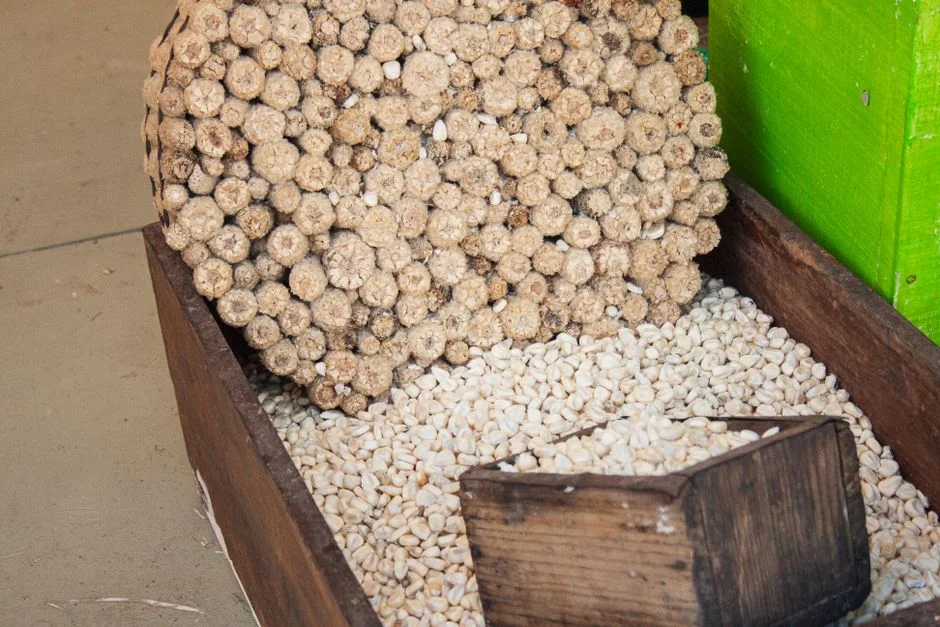
Photo: micka randrianjafisolo / Pexels
- Discard any cob, grain or bean that is mouldy, discoloured, shrivelled or smells musty. The WHO's own rule is to inspect whole grains and throw out anything that looks off.
- No-tool check: tip shelled maize into a 20 L bucket (debe) of clean water. Grain that floats, is cracked, stained or musty is bad. Do not feed it to the family or the animals; bury or burn it.
- Dry salvageable grain hard, to where a kernel shatters instead of denting under a stone (about 13% moisture), then seal it in a tight 50 kg bag inside a bin or hermetic liner to starve any remaining mould of air.
How fast must I drain water off my field after a flood?
Within 2 to 4 days, and sooner is better. Roots need air; once soil is waterlogged the oxygen runs out and roots start to die. Young maize with its growing point still below the soil can be killed by only 3 to 4 days under water. Even maize that survives loses yield fast: a controlled trial recorded about 17% grain loss after 4 days of waterlogging, 26% after 6 days, and total failure by 10 days, with the knee-high jointing stage the most sensitive.
Move the water:
- Walk the plot and find the lowest edge.
- Cut open furrows or a hoe-width channel (about 20 to 30 cm) from the wettest, lowest spots out to a ditch or field edge.
- Break any surface crust or plough pan so trapped water can soak down.
- Keep animals and your own feet off the wet soil. Walking on it seals the surface and makes drainage worse.
Should I replant or wait for my flooded crop to recover?
Decide by day 4 to 6, not week three. Use what the plants tell you once the water clears.
| Sign after the water goes | Action |
|---|---|
| Drained within 3 days, stems firm, new leaves greening | Nurse it: weed, top-dress, watch |
| Base or growing point soft, slimy or smells rotten | Replant that patch |
| More than half the plants dead or flattened | Replant the field |
If you replant, choose a fast, short-cycle variety to fit the days left in the season, or a flood-tolerant one where you can. Submergence-tolerant "Sub1" rice, for example, survives about two weeks fully under water, where ordinary rice is wrecked after one. Picking the right seed is its own decision: see choosing seed for a broken season, and time the replant to steady rain, not the first false start.
What can I plant fast to still make money this season?
Plant a "catch crop", a quick crop that turns cash while your main season is short. Leafy vegetables are fastest: amaranth (mchicha) gives a first leaf harvest 20 to 45 days after sowing and keeps cutting every 10 to 15 days. A short-season cowpea or bush bean adds a legume harvest in about two to three months and puts nitrogen back into flood-leached soil.

Photo: Sayeed Chowdhury / Pexels
| Catch crop | First harvest | Sell as |
|---|---|---|
| Amaranth / spinach | 20 to 45 days | leaf bunches |
| Cowpea leaves | about 30 days | leaf bunches |
| Bush bean / cowpea grain | 60 to 75 days | 20 L bucket, by kg |
More on turning a short window into steady income: dry-season vegetable farming.
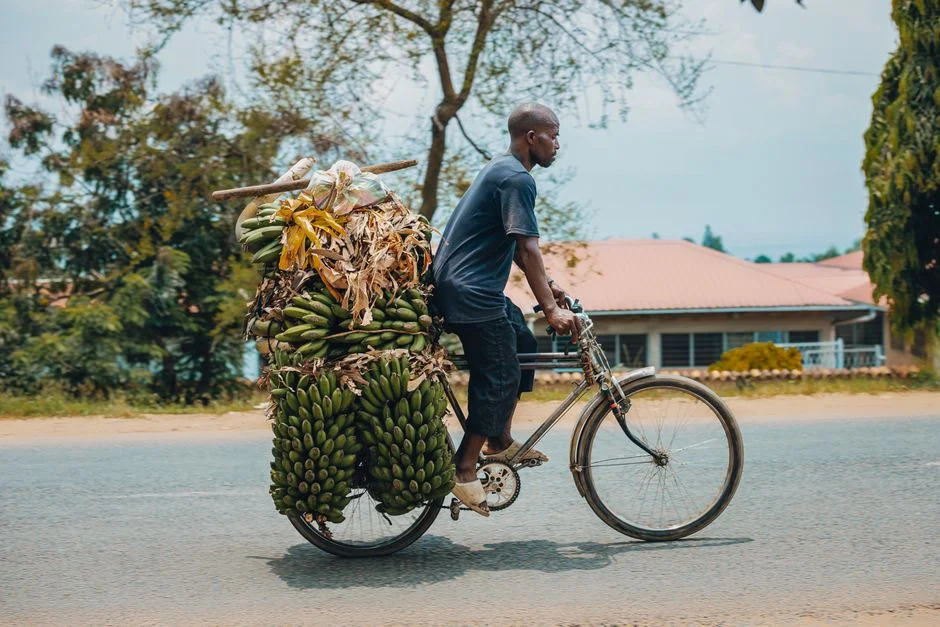
Why do my tomatoes and bananas wilt suddenly after flooding?
Sudden wilting with no yellowing is often bacterial wilt (Ralstonia solanacearum), which thrives in wet soil above 24C and spreads in running floodwater, hitting tomato, potato, pepper and banana. Confirm it for free: cut a 2 to 3 cm piece of a wilted stem and hang it in a glass of clear water. If milky threads stream out within seconds, it is bacterial wilt.
Work through it in order (no spray cures the bacterium itself):
- Sanitation: rogue out and burn or bury wilted plants; wash hands and tools before touching healthy ones.
- Cultural: do not replant tomato or potato in that spot for a season; rotate to maize or beans, and intercrop with beans, which has cut infection in trials.
- Biological: work in well-rotted compost to build the soil life that suppresses the bacterium.
- Chemical: for fungal blights that also surge in wet weather, a copper-based fungicide labelled for the crop can help. Wear gloves and a face mask, and respect the pre-harvest interval printed on the label.
Your next step this week
Walk your plot today and act on the clock: get standing water off within 2 to 4 days, remove any flood-touched grain, and mark the dead patches for a fast catch crop. East Africa's heaviest El Niño rains are still forecast for October to December, with flash and river flooding across the region, so read why this El Niño means floods, not drought, for East Africa and cut your drainage before the next big storm.