 Divisi
Pearl millet can still fill its grain at air temperatures up to 42°C, while maize stops setting grain once the air passes about 35°C (Plants review) — so in a hot Sahel year, the variety you plant largely decides your harvest. Do two things before the heat peaks: plant heat-tolerant, short-cycle (early-maturing) varieties, and build a water plan for people, animals and crops.
Niger and Mali routinely pass 40°C in the pre-monsoon months, roughly March to June. This year the WMO expects El Niño to strengthen into a strong event, raising the risk of heatwaves on land, and FEWS NET models "confidently project above-normal" temperatures for the season and warn that hot, dry spells raise the risk of crop heat stress. Heat is the thing to plan around.
Why are my millet and sorghum heads half empty after a hot spell?
Heat does its worst damage at flowering — the days when the crop sheds pollen (the dust that fertilises each grain) — because it kills the pollen, so the head forms but the grains never set. In sorghum, floret fertility (the share of flowers that make a grain) starts falling once the mean daily temperature — the average across the whole day and night — climbs past 25°C, and drops toward zero near 37°C; grains that do form can shrink to about 38% of normal weight at 40°C, per a heat-stress study. Cowpea is even more sensitive to warm nights. Its pollen holds above 90% viability around 22°C nights but crashes to about 22% when nights near 30°C in the 7–9 days before flowering, and the pods fail to set (Agronomy review). Warm nights above about 20°C are where the risk begins, and each 1°C above a 16.5°C night between emergence and flowering can cost roughly 13.6% of yield.
No-tool field test: at flowering, tap a head at mid-morning. If almost no fine dust puffs off, heat may already have hurt it. Two to three weeks later, rub a head between your palms — many light, papery, empty grains confirm heat struck at flowering.
Which crops handle Sahel heat best in a hot year?
Lean on pearl millet first, then short-cycle cowpea and sorghum bred to flower and fill before the worst heat. Millet is the one cereal that keeps filling grain at 42°C (ICRISAT), which is why it anchors Sahel farms where maize cannot. For dry-year agronomy on these small grains — spacing, seed rate and where to place a little fertiliser — see sorghum and millet in a dry year.
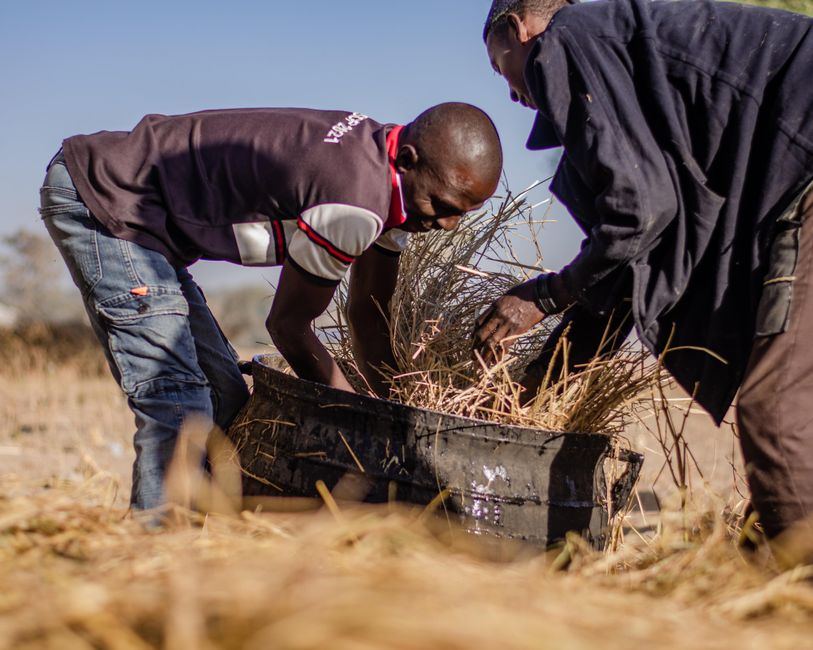
Photo: abubakar mamman / Pexels
Your agro-ecological zone — the rainfall band you farm in — changes the mix:
| Zone | Rainfall | Best bets |
|---|---|---|
| Northern Sahelian (north of Tahoua/Agadez, Gao, Timbuktu) | ~250–600 mm | Pearl millet + a 60–75 day cowpea; sorghum struggles |
| Sudano-Sahelian (Maradi, Zinder, Ségou, Sikasso) | ~600–900 mm | Sorghum and 90-day varieties — still pick heat-tolerant, early types |
Short-cycle varieties "escape" heat by flowering and filling earlier. In Mali, improved early-maturing varieties lifted yields from 880 to 1,300 kg per hectare across four regions — about 520 mudu (2.5 kg tins) of grain from each hectare (2.5 acres), up from 350, on plots of just 0.5–0.8 ha (about 1–2 acres) (ICRISAT). Buy certified, early-maturing seed rather than saving last year's grain — see choosing seed for a dry year. Time your planting so flowering lands after the pre-monsoon peak. For cowpea, see cowpea, your Sahel insurance crop.
How much water do my animals need in the hot season?
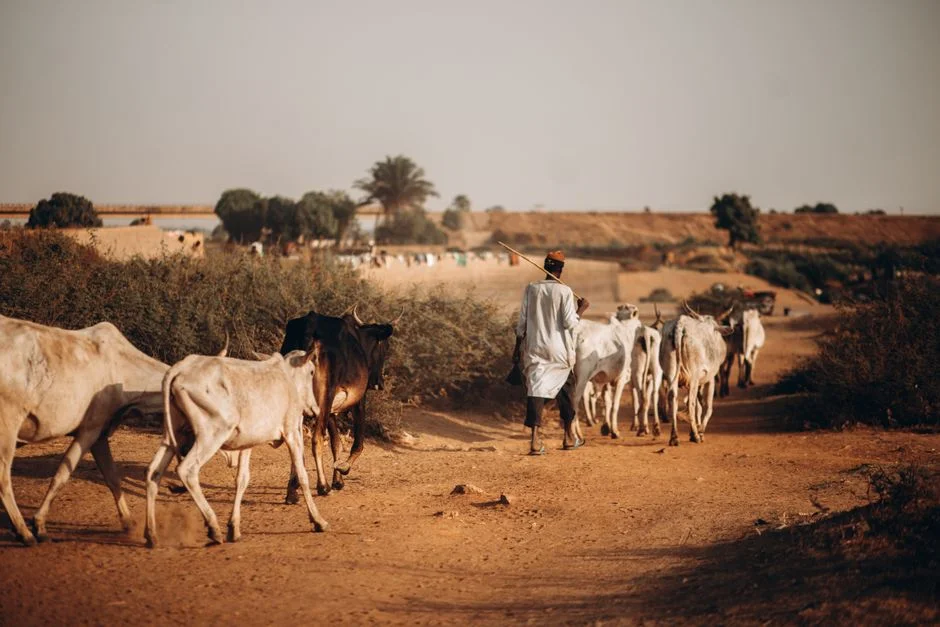
In Sahel hot-season conditions a cow drinks about 27 litres a day — under one and a half 20-litre buckets — a goat or sheep about 5 litres, and a camel about 50 litres (FAO). Heat raises the need: an animal uses about 57% more water per kilogram of feed above 27°C than in cool weather.
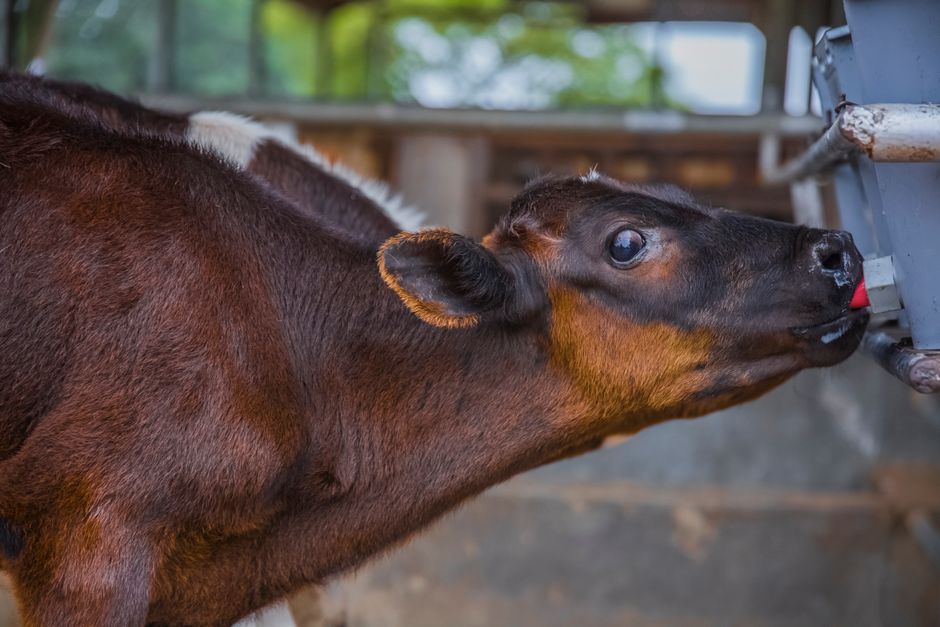
Photo: Workman House / Pexels
Cut the walking distance to water. Every kilometre an animal walks to drink in the heat burns energy and body-water. Site a trough near the pen and refill from stored water at dawn and dusk. When water and grazing get tight, plan feed early and know when to destock — see keeping livestock alive in a dry season.
No-tool test: if the trough empties and animals still crowd it, or they pant and stop grazing by mid-morning, they need more water, closer.
When should I work my field to avoid the worst heat?
Work in the cool hours — early morning and late afternoon — and rest in shade at midday. The middle of the day, roughly 12:00–15:00, is when heat stress and heat stroke hit hardest.
No-tool test: if your shadow at midday is shorter than you are tall, the sun is at its most dangerous — stop, rest, and drink before you feel thirsty. See working safely in extreme heat for the warning signs of heat stroke and how much to drink.
Will El Niño make Niger and Mali hotter in 2026?
Yes — expect above-normal temperatures. FEWS NET puts the chance of El Niño developing at 82% and links it to below-normal Sahel rainfall alongside hotter conditions (FEWS NET); the regional AGRHYMET forecast flags heatwaves and hot winds in drought-prone parts of Mali and long-to-moderate dry spells at the start of the season (AGRHYMET forum). For how the monsoon itself is shaping up, see protecting your main-season crop.
Your next step this week
- Harvest rain. Catch runoff from roofs and compounds; dig zaï (planting pits that hold water at the root) or half-moon bunds. See rainwater harvesting.
- Store shaded. Keep stored water covered and out of the sun to slow evaporation.
- Shorten distances. Put water close to animals and near seedlings so less is lost carrying it.
- Prioritise. In a shortage, water people first, then animals, then crops at flowering and grain-fill — the moment yield is decided.
Do one thing today: pick a short-cycle, heat-tolerant variety for your zone and set a planting date so your crop flowers after the worst pre-monsoon heat breaks.