 Divisi
Three moves keep your sorghum safe to the next season: dry it hard to about 12–13% moisture (FAO grain drying and storage guidance), thresh it clean, and seal it airtight — get all three right and you can cut storage losses by roughly half. That is grain worth protecting: across Ethiopia's dryland sorghum zones in Amhara and Tigray, post-harvest losses run at around a third of the crop — 29.8–35.1% depending on the woreda (FAO Ethiopia post-harvest loss assessment) — with storage weevils, chiefly the maize weevil (Sitophilus zeamais), and mould among the leading causes (World Bank: post-harvest loss in Sub-Saharan Africa; APHLIS loss estimates). For a farmer holding 5 quintals (500 kg) in the store, cutting storage losses in half is grain and income kept, not weevil feed.
When should I harvest sorghum to avoid losses?
You worked through a dry season to grow this crop (sorghum and millet agronomy for a dry year); the store is where you lock in the return. Cut the heads promptly once the grain is mature — a dark "black layer" forms where the grain joins the head, and mature grain is hard enough that you cannot dent it with a thumbnail. Leaving ripe grain standing invites birds, mould and rain. Thresh clean, so no chaff or broken grain — which hold moisture and pests — goes into the store.
How dry should sorghum be before storage?
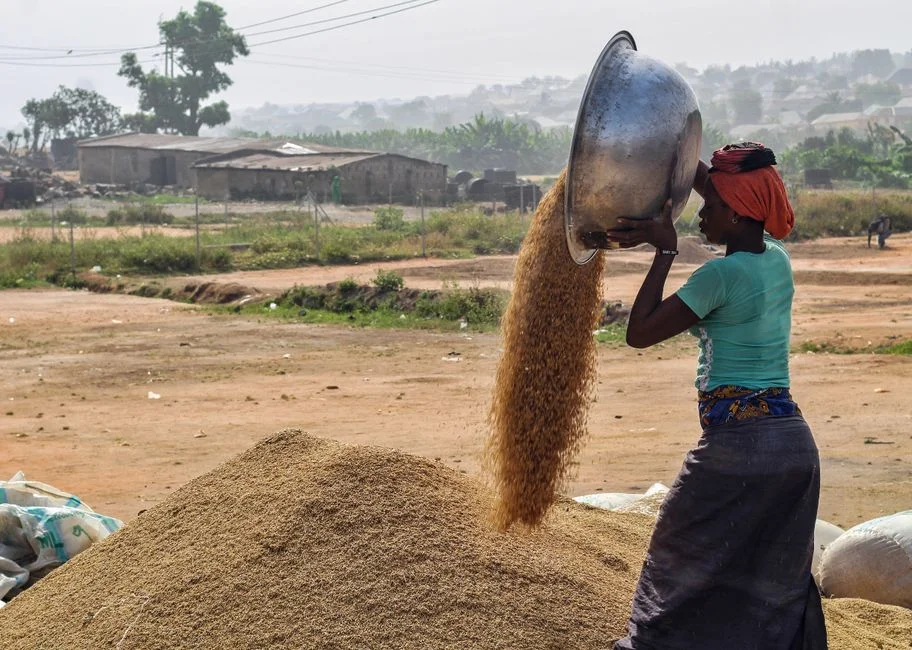
Drying is the foundation of everything else. Dry threshed sorghum to about 12–13% moisture or lower before it goes into store — the safe-storage maximum for cereals (FAO grain drying and storage); above roughly 15% moisture, storage moulds take hold (FAO sorghum post-harvest compendium). To check without a meter, bite a grain: when it's dry enough it cracks and shatters rather than bending. Dry on a clean tarpaulin or raised rack — never on bare soil, which adds moisture, grit and mould spores. Turn the grain so it dries evenly, and get it under cover before evening dew or rain re-wets it.
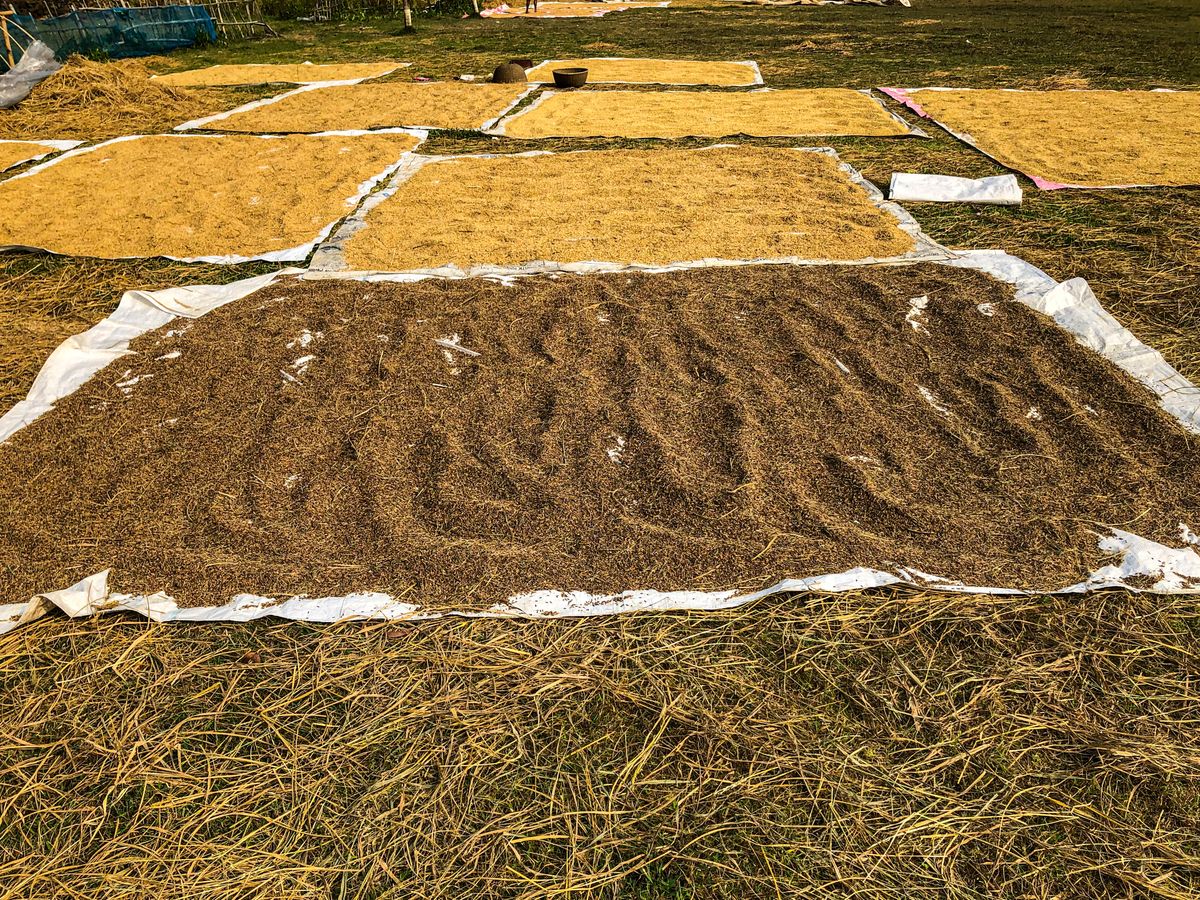
Photo: Leelamoy Sadhu / Pexels
What is the cheapest way to keep weevils out of stored sorghum?
Sealing is the step that turns a bad storage season into a good one. Store clean, fully-dry grain in an airtight (hermetic) container — a PICS triple-layer bag, a sealed drum, or a clean metal silo or grain bin. In a sealed container weevils use up the oxygen and die, even ones carried in from the field (hermetic PICS storage of grain, PLOS ONE).
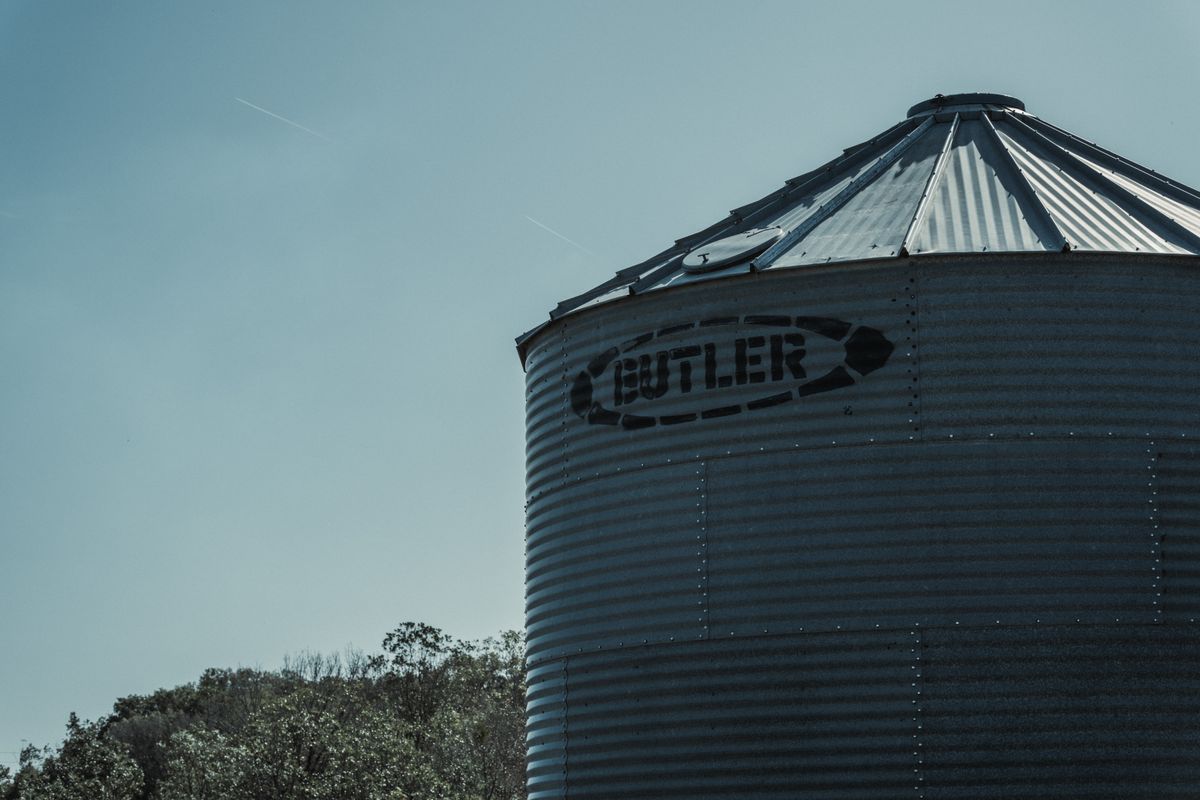
Photo: Connor Scott McManus / Pexels
If a fully airtight store is out of reach, protect the grain in an ordinary sack or a traditional gotera granary. Dry wood ash works as a low-cost protectant mixed through the grain at roughly 2.5–10% of the grain's weight (about one part ash to ten parts grain), coating and abrading the weevils so they dry out (post-harvest pest management in Ethiopia, Insects journal). Botanical powders do the same job: in trials on stored sorghum, mesquite or milkweed powder at about 0.2 g per 5 g of grain (~4% by weight) killed over 90% of maize weevils (botanical powders against Sitophilus zeamais, SciRP). Clean the store before loading and never mix new grain with old.
What container should I store sorghum in?
Match the store to what you have — but the order of protection is clear. This table sorts the common options fastest-to-safest:
| Container | Rough cost | Protection | Best hold time | Notes |
|---|---|---|---|---|
| PICS triple-layer bag | Low–medium | Airtight — best | Many months | Seals out oxygen; no chemicals; reusable for several seasons |
| Sealed metal drum or metal silo | Higher up front | Airtight — best | A year or more | Rodent- and moisture-proof; lasts years once bought |
| Clean gotera or granary + wood ash | Low, often on-farm | Good, with a protectant | Weeks to a few months | Keep it off the ground and cleaned out; mix ash through the grain |
| Bare sacks in a dirty store | Low | Risky — loses the most grain | Short | The default that feeds weevils; never mix new grain with old |
Whatever you use, the rule holds: dry first, seal or treat second, keep clean throughout.
Why is mould in stored grain dangerous?
Damp grain grows moulds, and some produce mycotoxins such as aflatoxins — hidden toxins that harm people and livestock and make grain unsafe to eat and impossible to sell (FAO: the significance of mycotoxins). Keep grain off the ground, protected from leaks and re-wetting, and check the store every few weeks for any hotspot that is heating, clumping or turning to dust.
Your next step this week
This week, dry a test batch to the bite-crack point — grains that shatter rather than bend — and move it into one sealed drum or PICS bag. Before you load anything, clean last season's grain and dust out of the store so you are not carrying weevils straight into the new harvest. One clean, airtight container, filled this week, is the fastest way to protect every quintal you brought in.