 Divisi
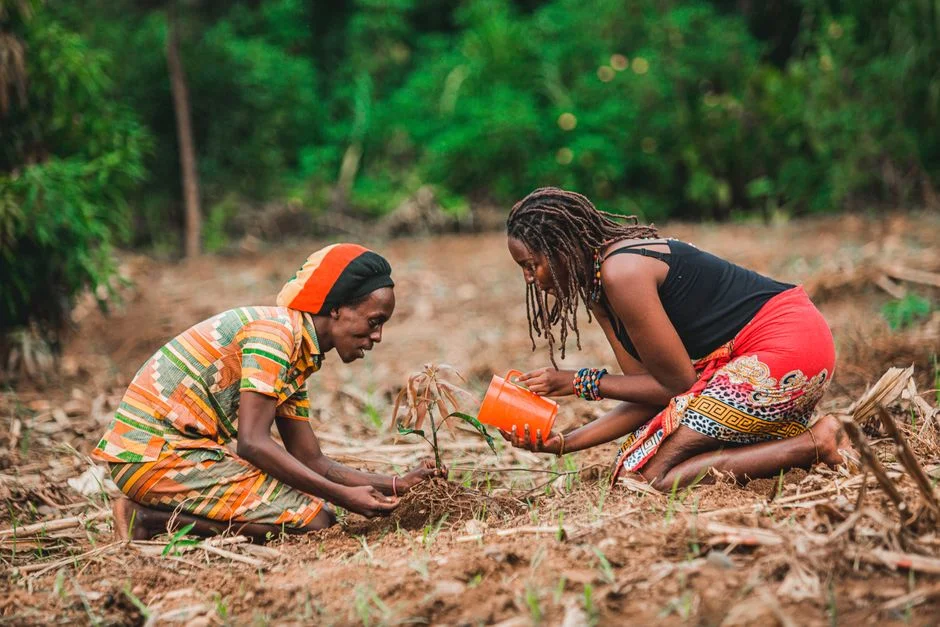
Wait for the first real rain before you plant - about 20 mm falling over two to three days, with no dry spell straight after - and commit your seed to that. The first light shower is a trap: it wets only the topsoil, sprouts your seed, then the sun returns and kills the young plants before their roots reach moisture.
That trap has a name: a false start. In an El Nino season the onset (the true start of the rains) often arrives late and jumpy, so false starts are common - and each one costs you seed and a replant. Timing your planting to the real onset is the cheapest protection you have. Before anything, read your seasonal rainfall forecast so you know roughly when your window opens.
How do I know if the rain is enough to plant?
Look for an effective onset rain - a wet spell that soaks the soil and keeps going. The widely used regional definition is about 20 mm of rain over three days, with no dry spell of seven days or more in the following three weeks (a dry spell is a run of days with no useful rain).
Zimbabwe's Meteorological Services Department puts it plainly: plant only after at least 20 mm in about three days with no dry spell for the next 10 days, and do not plant on scattered showers under 5 mm - use those for land preparation. Maize needs about 22 mm to germinate well.
Your threshold shifts with your rainfall zone - the drier and more unimodal your area, the longer the soaking you should wait for before you trust the onset:
| Your rainfall zone | Onset rain to wait for | No dry spell longer than | Check window after the rain |
|---|---|---|---|
| Bimodal / equatorial - two rainy seasons a year (e.g. much of East Africa) | 20 mm over 3 days | 7 days | the next 21 days |
| Unimodal semi-arid - one rainy season a year (e.g. the Sahel) | 25 mm over 5 days | 7 days | the next 30 days |
Groundnut and other Sahel crops reward this patience; see the Senegal groundnut basin guide.
How can I measure the rain without a rain gauge?
Use a straight-sided tin. Rainfall depth is the same whatever the width of the container, as long as the sides are vertical - so a tomato or fish tin works like a real gauge.
- Stand the tin in the open, level, away from roof drips and trees.
- 20 mm of rain = 2 cm of water. Scratch or mark a line 2 cm up the inside.
- If two to three days of rain reach your 2 cm line, you may have your onset. Empty it and re-check after each storm.
Then dig to be sure. Open a small hole one hand-span deep (about 15 cm) where you plan to plant; the soil should be dark and damp all the way down. No-tool test: squeeze a handful from the bottom - if it holds together as a ball and your palm feels wet, the root zone (the depth young roots drink from) is charged. If it crumbles to dust, wait.

Photo: Atlantic Ambience / Pexels
Should I dry plant or wait for the soil to soak?
In an El Nino year, plant on a confirmed soaking - not on dust. Dry planting (sowing into dry soil just before you expect rain) can win you a few days because the seed is ready the moment rain falls. But when onset is jumpy it is a gamble: a small shower germinates the seed, a dry spell follows, and you replant and rebuy seed.

Photo: Lucas Pezeta / Pexels
Waiting for the effective onset rain and a wet root zone costs a few days and protects your stand. Keep dry planting for later, once the rains are clearly established - more in growing maize in a dry year.
Should I plant all my seed at once?
No - stagger it. Splitting your seed spreads the risk that a single false start wipes out everything sown on one day.
- Plant part of your seed - say half - at the first confirmed onset soaking.
- Hold the rest and sow it 7 to 10 days later, once you are sure the rains have held.
- Even on a small 0.4 ha (1 acre) plot, two or three plantings a week apart still fit your season and give you two or three chances at a strong stand.
Which variety should I plant if the rains start late?
If onset is late or the season looks short, choose an early-maturing, drought-tolerant variety that finishes before the rains stop. Maize matures in anywhere from 90 to 180 days depending on the variety; a late start means a long-season type may not fill its grain before the soil dries.
Match the variety's days-to-maturity to the window your forecast gives you, and lean early in the drier, unimodal zones. See choosing seed for a dry year.
Your next step this week
Set a straight-sided tin in your field today and scratch the 2 cm line now - so the moment the rains come, you can tell a real onset from a false start in minutes.