 Divisi
Your matooke and coffee are your bank, and a wetter El Niño season is a chance to grow them bigger — if you get water off the roots fast. Uganda's short rains (September to December) are set to run above normal in 2026, so three jobs matter now: drain standing water, prop your heavy bunches, and stop wet-season disease before it spreads.
Forecasters put the chance of El Niño above 90% for late 2026, and a moderate-to-strong El Niño with a positive Indian Ocean Dipole points to a wetter-than-normal October–December across East Africa, with room for extremely enhanced rainfall (FEWS NET). Most of Uganda is bimodal — two rainy seasons a year — and will feel this most; only unimodal Karamoja in the northeast may stay drier. This is a flood-risk season, not a drought one (El Niño in East Africa: floods, not drought) — so read your zone's forecast before you plant.
Will El Niño's short rains help or hurt my matooke and coffee?
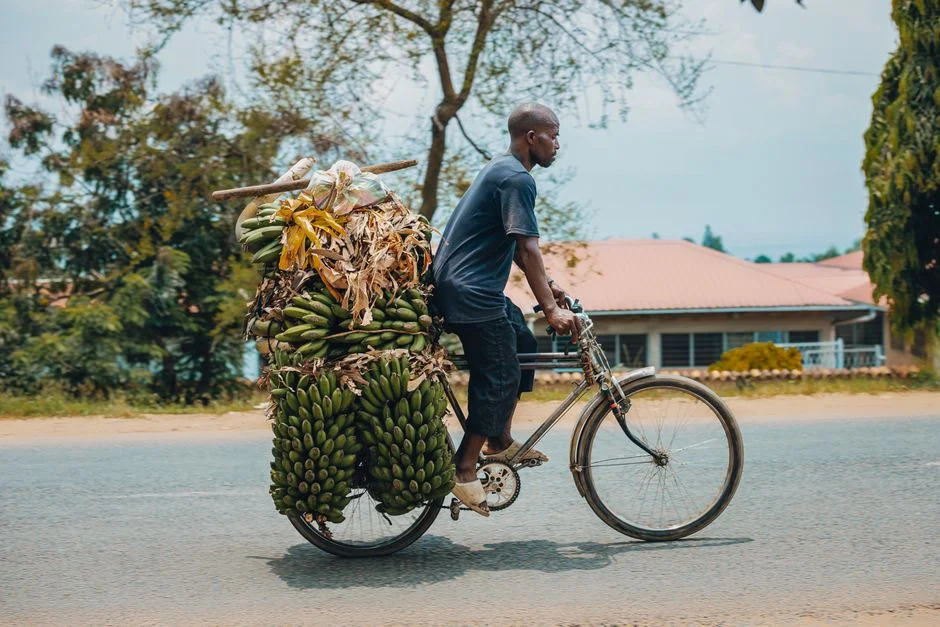
Both — and management decides which. Bananas need about 25 mm of rain a week (roughly 1,300 mm a year) to fill a heavy bunch (AJFAND), and a wet season delivers that for free. The danger is too much at once: waterlogged roots, toppled plants and fungal disease. Control the water and the same rain that could rot your farm builds your biggest bunches in years — a well-managed matooke plant can carry a bunch of 26–32 kg (NARO), and improved NARO/IITA lines like NARITA 17 push higher (CGIAR).
How do I protect my matooke from heavy short rains?
Do four jobs, in this order:
- Drain first. No-tool test: walk the plot a day after heavy rain — if water still stands after 24 hours, dig shallow channels to lead it off. This matters most on the heavy clay soils of the Lake Victoria crescent, Uganda's main matooke and robusta belt.
- Prop the bunches. A heavy bunch on soft, wet soil topples in one storm. Support every bearing plant with one or two forked wooden or bamboo props (NARO banana manual).
- De-sucker to three. Keep three plants per mat — mother, daughter, granddaughter — and cut the rest at ground level (NARO). A crowded mat stays damp and feeds disease.
- Mulch established plants. Cover bare soil with dry grass or banana leaves, thick enough that you cannot see the ground through it, so rain can't smash and wash away your topsoil. Keep mulch a hand-span off the pseudostem, and go light on very young plants — early thick mulch drives shallow roots. Build it up over the season with compost, manure and mulch.
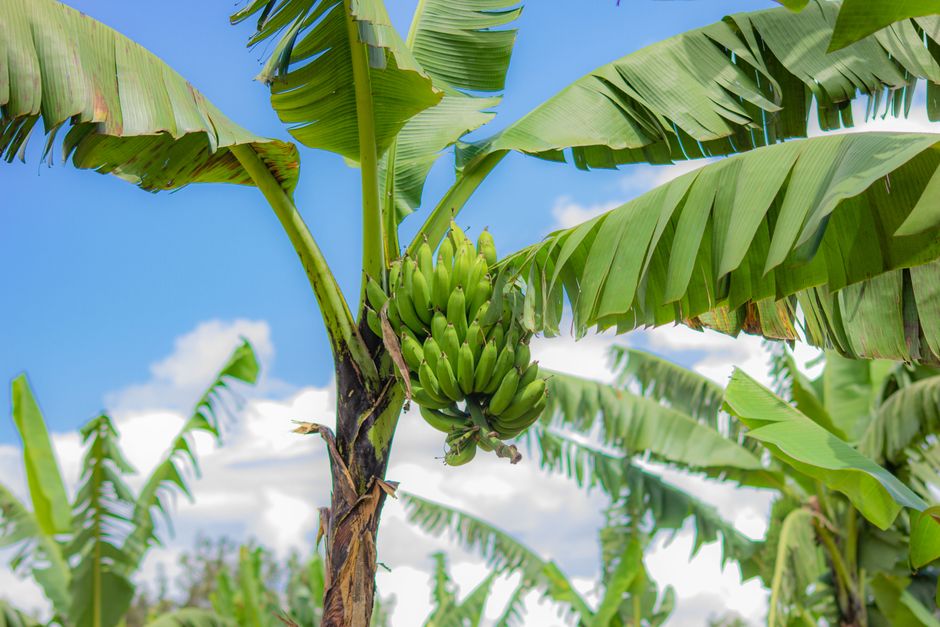
Photo: Emma Photography / Pexels
Watch the banana weevil (Cosmopolites sordidus), a 1 cm black beetle whose larvae tunnel the corm. Chop and clear old harvested stems where it breeds, then set split-pseudostem traps; if you catch more than 2 weevils per trap, treat (NARO).
| Job | Target |
|---|---|
| Spacing | 3 m × 3 m |
| Plants per mat | 3 (mother, daughter, granddaughter) |
| Props per bearing plant | 1–2 forked poles |
| Weevil action threshold | more than 2 weevils per trap |
How do I stop coffee wilt and twig borer in a wet season?
Robusta is about 85% of Uganda's coffee (Daily Coffee News), and wet weather is exactly when its two worst enemies move. Scout weekly and act on the first sign — the order is sanitation, then cultural steps, then traps, and chemicals only last.
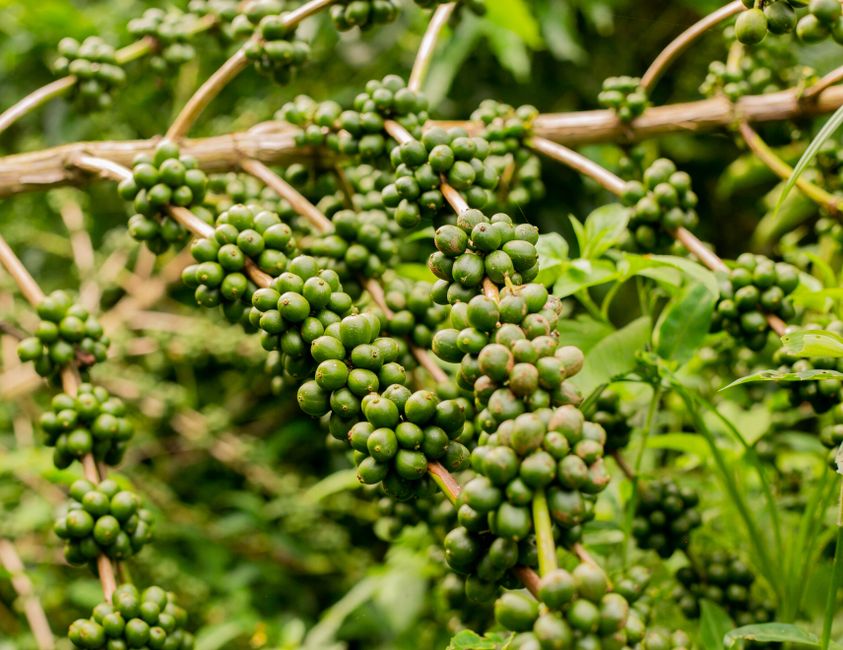
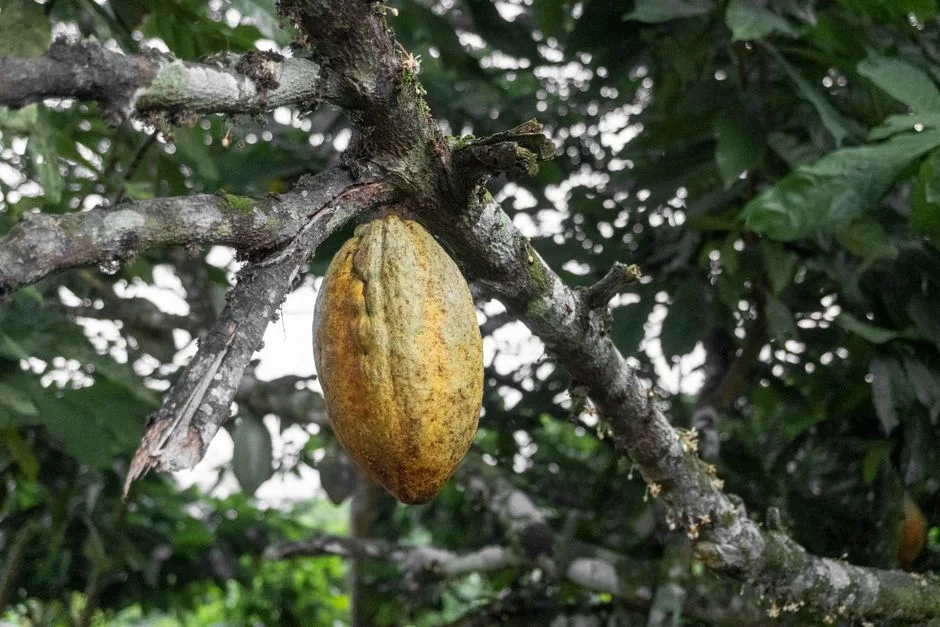
Photo: Speak Media Uganda / Pexels
- Coffee wilt disease (Fusarium xylarioides): leaves yellow and wilt, the tree dies over 3–15 months, and under the bark you will see a tell-tale blue-black stain (BSPP factsheet). It travels in soil, rain-splash, on tools and on moved suckers, and a machete wound is an open door. Sanitation is the only real cure: uproot and burn every infected tree, check trees within a 10 m radius, and never carry soil or suckers from a sick garden. Uganda lost about 80% of national coffee yield at the 2002 peak, when the disease reached 45% of bushes (BSPP) — fast removal is what saved farms. When you replant, use NARO's wilt-resistant robusta.
- Black coffee twig borer (Xylosandrus compactus): a shiny black beetle just 1.4–1.8 mm long bores into twigs; within a week the leaves on that twig curl and wilt, then turn brown (PlantVillage). It has spread to about 68% of Uganda's robusta farms and infests 40% of trees on an affected farm (World Agroforestry). Cut infested twigs below the entry hole and burn them, keep 3 m × 3 m spacing and prune for airflow, then hang bottle traps baited with 75% ethanol at about 15 per hectare, refilled every two weeks. Spray only as a last resort, wearing gloves, goggles and a mask, and keep to the label's pre-harvest interval.
Keep light shade trees over robusta — bigger, taller shade lowers twig-borer pressure — to break the force of heavy rain, mulch to stop erosion, and drain standing water as you do for bananas.
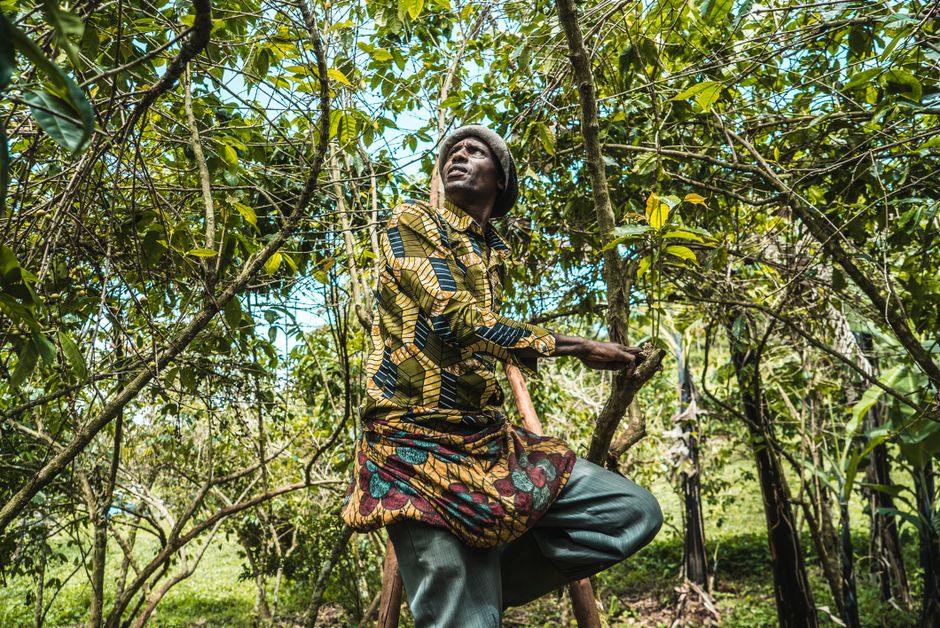
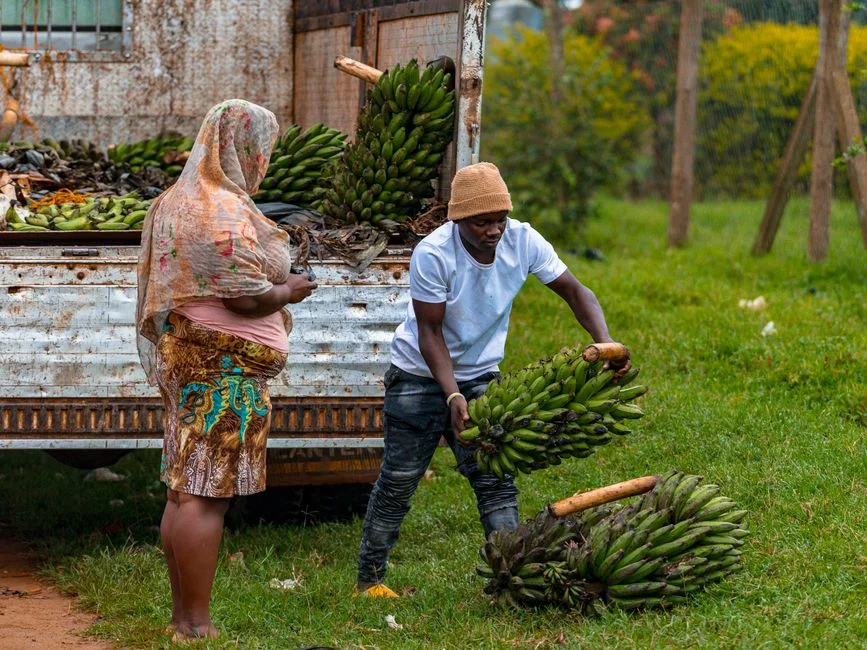
Photo: Dawid Sobarnia / Pexels
What fast crops can I plant to use the extra rain?
Plant quick annual crops now and turn the rain into cash in 2–3 months while your perennials ride out the season. Good short-rains bets: bush beans (65–90 days), vegetables like tomato, cabbage and sukuma wiki, or groundnuts — slot them into open alleys between young coffee or new banana mats, or a spare plot. Beans also fix nitrogen for next season. For a full wet October–December planting plan, see Kenya's short rains guide.
Start here this week
After the next big rain, walk both plots and mark every spot where water stands past 24 hours. Dig those drains first, then prop your heaviest bunches — dry roots and standing plants carry a wet season.