 Divisi
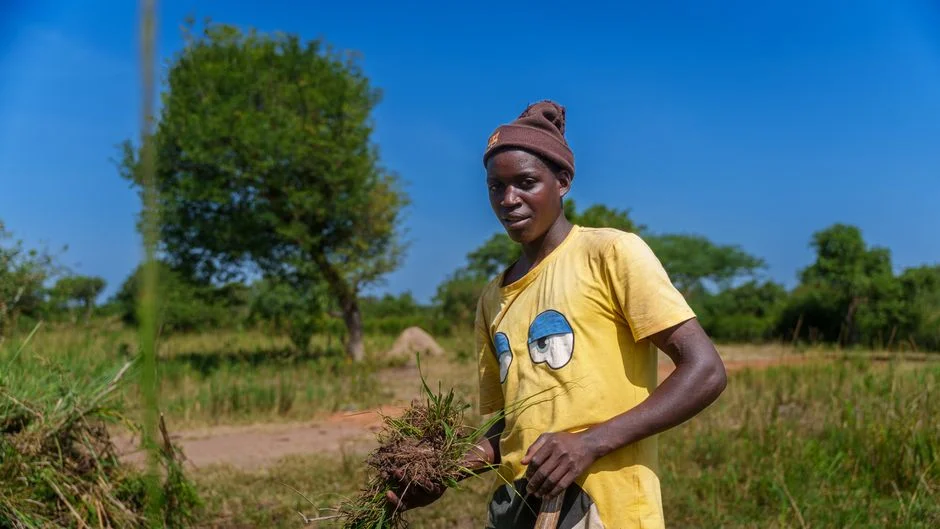
There's an old truth in farming: what you don't measure, you can't improve. As the main planting rains approach and a new season begins, the farmers who'll do best next harvest are already doing something simple that many overlook — they're writing things down.
Does record-keeping really improve my yield?
Yes — and the gain is measurable, not just a feeling. In one South African study of smallholder growers, those who kept records produced about 0.38 tonnes more per hectare — roughly four extra 90 kg bags on a hectare — and earned around ZAR 1,795 more each season than farmers who kept none.
Why? Because records turn guesswork into decisions. Every season your farm quietly runs an experiment: certain varieties, planting dates and inputs, and the weather does the rest. Without records, the result is a blur — "an okay year" — and next season you start again from memory and hope.
With records, the blur becomes a lesson. Picture two maize plots. One was planted in the first week of the rains, the other two weeks later; one got manure, the other didn't. At harvest, a farmer with no records has a vague feeling. A farmer with records can see plainly which plot filled more bags — and next season plants early and manures every plot. That is how a farm gets better instead of just getting older.
Records also protect your money. FAO's farm-management guidance notes that records capture the yields, costs and prices you've actually met over time — so once you know what a crop cost to grow, you know the lowest price you can afford to accept, and you won't sell a good harvest for less than it took to raise.
What farm records should I keep?
You don't need to record everything. Start with these essentials and keep them consistently:
| Record | What to note | Example line |
|---|---|---|
| Planting | Date, field, variety, seed rate | "12 Nov — Field 2 — SC513 maize" |
| Inputs | Fertiliser, manure, sprays: what, how much, when | "3 Dec — Field 2 — one 50 kg bag basal fertiliser" |
| Weather | Rain, and any big heat, dry spell or storm | "First rains 8 Nov; 10-day dry spell after" |
| Work & money | Labour used and every shilling or naira spent | "Weeding — 2 workers — 300" |
| Results | Yield per field and the price you sold at | "Field 2 — 18 × 90 kg bags — sold at market" |
Those few things, written every season, show what works on your land — not a textbook farm, but yours.

Photo: African Creator / Pexels
What will my farm records actually tell me?
After even one season, patterns appear that change what you do next:
- Your best planting window — which sowing dates caught the rains and which missed.
- Which variety performed — what stood up to the dry spell, pests or disease on your soil.
- Whether an input paid — did the fertiliser or spray add more value than it cost?
- Your true cost and profit per field — so you grow more of what makes money and less of what doesn't.
Across two or three seasons those patterns get sharper, and your decisions get better every year.
How do I start keeping farm records?
Keep it simple — the best system is the one you'll actually use. Here's a five-minute start:
- Grab one notebook and keep it in one place — the same shelf, every time.
- Write this season's plan first, one line per field: crop, variety, and the date you'll plant.
- Use one line per event, with a simple column layout: Date | Field | What you did | Amount | Cost or price.
- Update it little and often — a line whenever you plant, spend, spray or harvest. Consistency beats detail: a plain record kept every season is worth far more than a perfect one kept once.
- Add up at harvest — yield and price per field, minus what you spent, shows which plot actually made money.
A phone or a farming app makes this tidier — it adds reminders and spots patterns across seasons for you — but the habit matters more than the tool.
Do I need a smartphone to keep farm records?
No. Paper works, and starting on paper is better than not starting at all. A phone helps once the habit is there. Write down your plan for each field now — what you'll plant, where and when — then record what actually happens against it. By this time next year you won't be guessing about your farm; you'll know it, field by field.
Your next step this week
Start a notebook today. Write this season's plan, one line per field — crop, variety, planting date — then record what actually happens as the rains come. That single habit, kept from these first rains, is the reason next year's harvest can be your best yet.