Divisi
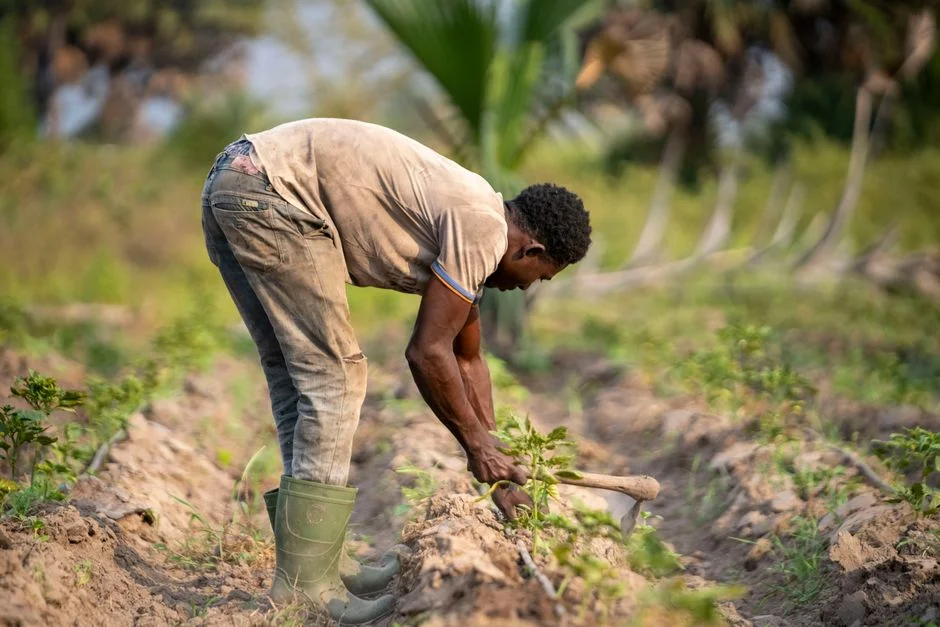
Extreme heat is one of this El Nino season's biggest farm risks, and one of the easiest to plan for. Drink water steadily, move the hard jobs to the cool hours, rest in shade at midday, and learn the warning signs; do that and your whole team keeps working, safely.
Why is it so hot on my farm this year?
El Nino tips the odds toward hotter days. The World Meteorological Organization expects above-average temperatures across almost all land areas between 60S and 60N during this event, and its influence usually peaks over the coming months. More hot days means more chances for heat illness on the farm, but heat illness is almost fully preventable once you plan for it. New to El Nino? Start with what El Nino means for your farm.
How do I tell heat exhaustion from heat stroke?
Heat exhaustion is a warning sign; heat stroke is a medical emergency. Knowing the jump between them protects your people.
| What you see | Heat exhaustion (act now) | Heat stroke (emergency, get help) |
|---|---|---|
| Skin and sweat | Heavy sweating, pale, clammy | Hot skin, sweating may stop, flushed |
| Head and mind | Headache, dizzy, weak, very thirsty | Confusion, slurred speech, fainting, fits |
| Body | Raised temperature, nausea | Very high temperature, around 40C or more |
| What to do | Move to shade, cool, sip fluids | Cool fast and seek medical help at once |
Signs from the US CDC/NIOSH. No thermometer in the field? Use these free checks: ask the person their name and to walk a few steps, because confusion or stumbling points to heat stroke; pinch the skin on the back of the hand, and if it stays tented they are dehydrated; check urine, where dark yellow means drink more and pale means you are on track.

Photo: Nicholas Githiri / Pexels
How much water should my family and I drink?
Little and often beats one big gulp, and do not wait until you feel thirsty. While doing hard work in heat, aim for about one cup (250 ml) every 15 to 20 minutes, roughly 1 litre an hour, and never more than about 1.5 litres in one hour. Over a full hot day of fieldwork that is often 6 to 8 litres per adult, so carry water with you, about a third of a 20-litre jerry can each. The WHO advises at least 2 to 3 litres a day, and a cup every hour even on lighter days.
If someone is sweating hard or has been ill, plain water is not enough because they lose salt too. Mix a simple rehydration drink: one litre of clean water, half a level teaspoon of salt (about 3.5 g) and eight level teaspoons of sugar (about 40 g), stirred until dissolved. Sip it slowly.
When should I do the hard work?
Work with the sun, not against it. This playbook keeps output high and risk low:
- Do the heavy jobs, such as hoeing, land prep and harvesting, in the early morning and late afternoon.
- Rest through the hottest hours, roughly 11am to 3pm, in deep shade; shade can cut how hot you feel by more than 10C.
- Wear light, loose, long-sleeved clothing and a wide-brim hat.
- Keep a wet cloth on your neck or head, and re-wet it often.
- A fan helps below 40C air temperature; above that it just blows hot air, so lean on shade and water instead.

Photo: Workman House / Pexels
Who on my farm is most at risk?
Some people heat up faster and need watching. The WHO flags children, older adults, pregnant women, and anyone working outdoors all day as most at risk. Protect them:
- Children: shade, frequent drinks, and never left in a parked vehicle.
- Older adults and pregnant women: lighter tasks, more breaks, and a check-in every hour.
- All-day workers: pair up, so one person notices the early signs in the other.
Your animals feel the same heat, so plan for them too with protecting livestock through the dry season.
What do I do if someone collapses?
Act fast and stay calm. Following the Red Cross steps:
- Move them into shade or a cool, airy place at once.
- Loosen or remove extra clothing.
- Cool them with wet cloths or water on the skin, and fan them.
- If they are fully awake, give cool water or the rehydration drink in small sips.
- If they are confused, vomiting, fainting or not improving, get medical help straight away and treat it as heat stroke.
Never give fluids to someone who is not fully conscious.
Your next step this week
Fill a clean, covered water container for each worker, set a phone alarm for a drink every 20 minutes, and agree today which hot hours your team will rest. Small habits, protected people, protected harvest.