 Divisi
Slugs and snails
· Mollusk
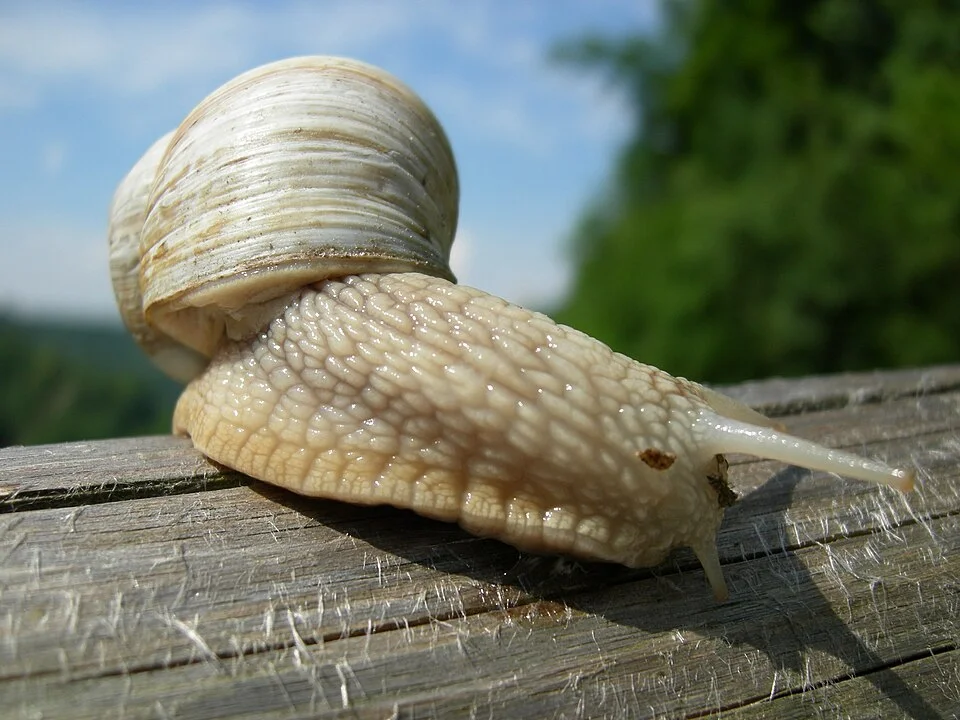
Photo: Pinky sl · CC BY-SA 3.0
Slugs and snails are soft-bodied molluscs — snails carry a coiled shell on their back, slugs go bare — that shelter by day in damp soil, debris and thick mulch and slide out to feed at night and after rain. They rasp plant tissue with a rough, file-like tongue (called a radula), leaving smooth-edged holes and tell-tale silvery slime trails. They hit hardest on young, tender seedlings and on low, leafy or ground-touching crops — cabbage, lettuce, beans, tomato, strawberry and other brassicas — and can graze a fresh stand to the ground in just a few damp nights.
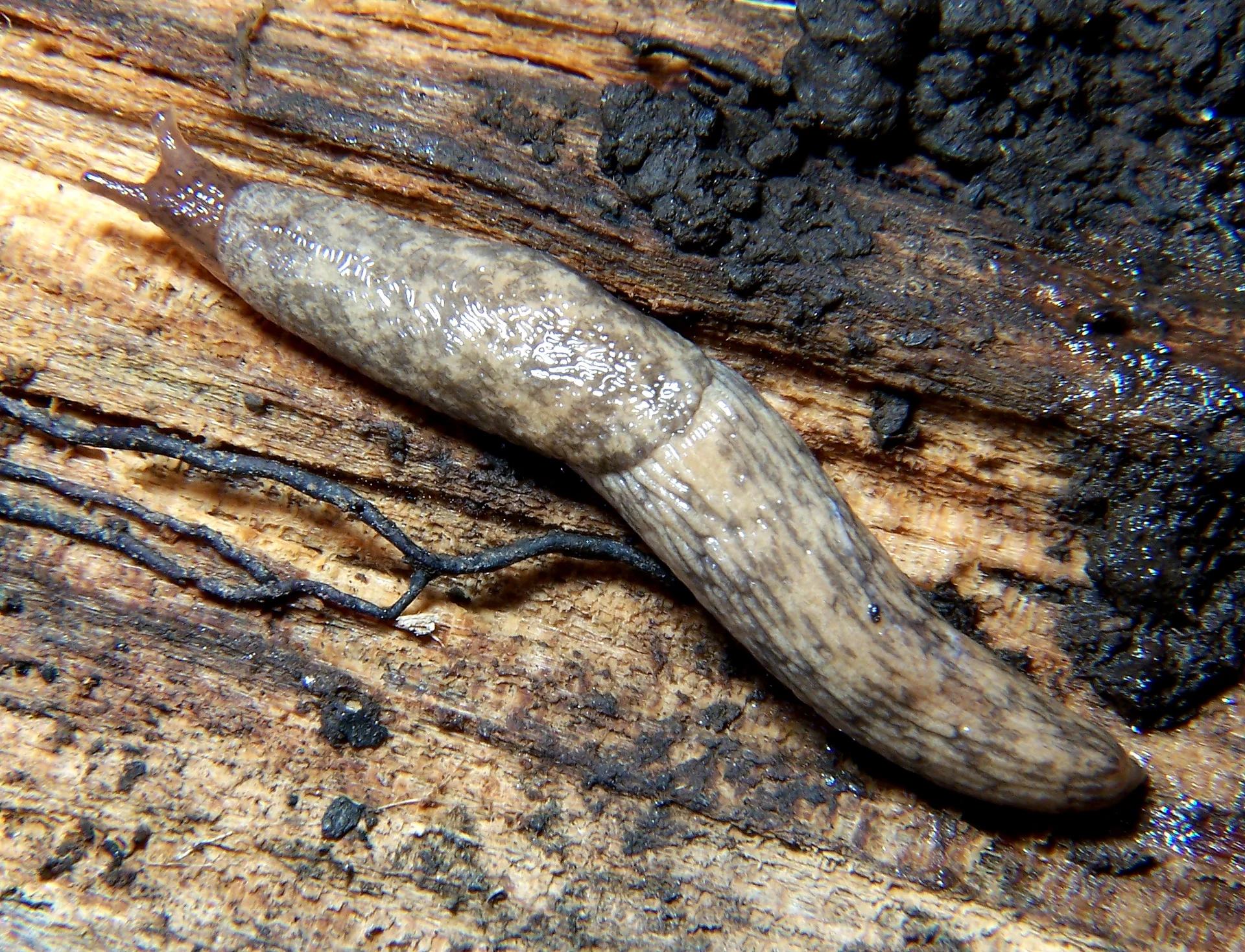
Bruce Marlin · CC BY-SA 3.0 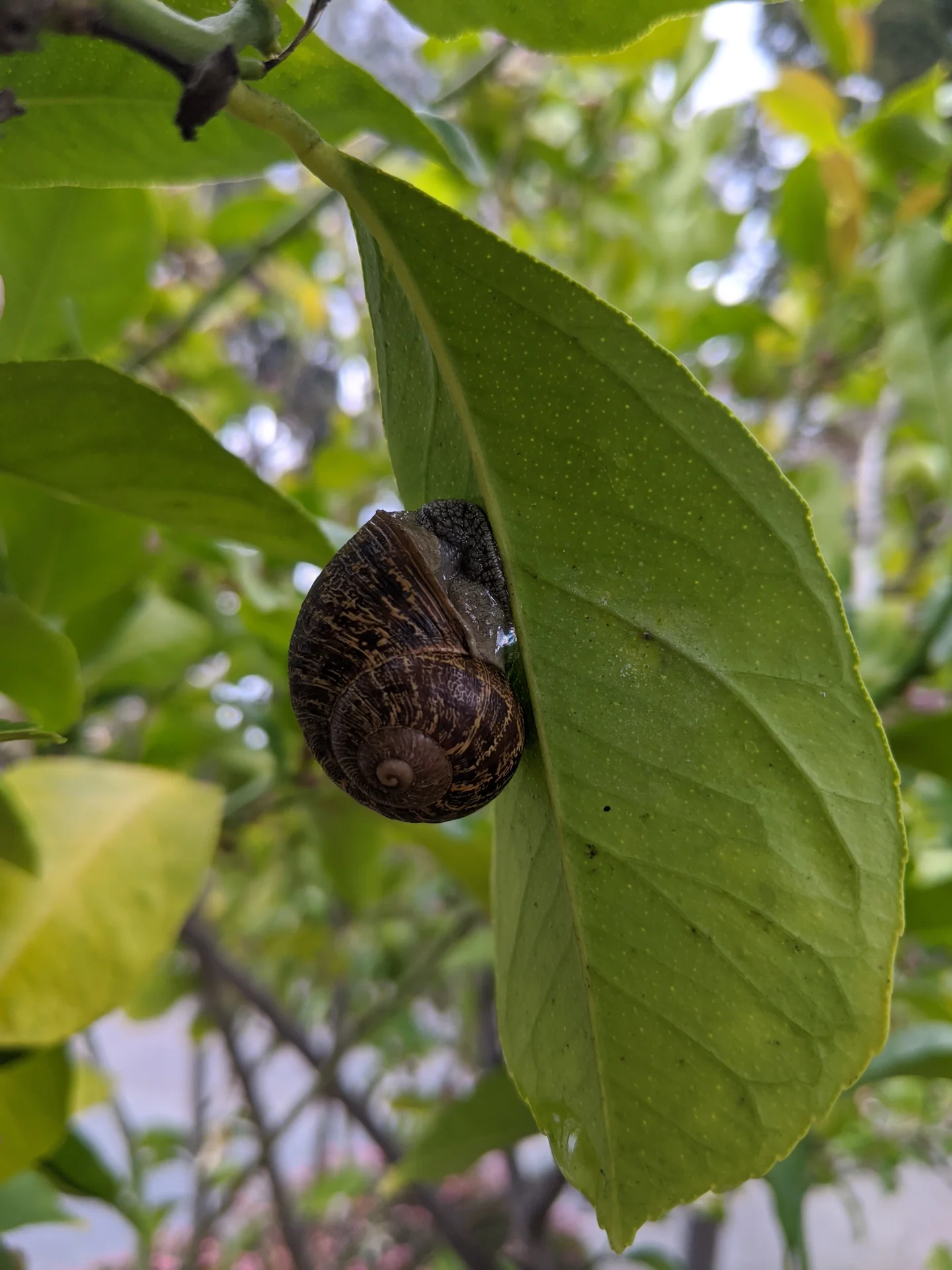
Grendelkhan · CC BY-SA 4.0
Why it matters
On young cabbage, lettuce, beans, tomato, strawberry and other brassicas, slugs and snails can strip up to 40% of your crop — and they do it fastest at the seedling stage, where a single night's grazing can cut a young plant clean off at the ground, and it never grows back. They feed hidden in the dark and melt away into wet soil and mulch by day, so by the time you notice the gaps the culprits are already gone. Once your plot stays damp and sheltered they breed and gather there night after night, so the only lasting fix is to change those wet, shady conditions — picking off a few or scattering a little bait never ends it on its own.
When to act
Seedlings or transplants being grazed and slime trails visible in the morning; act before stands are thinned.
This guidance is general, compiled from published agronomic references including FAO and CABI. Thresholds and timing shift with your crop, your variety and the season.
In much of the region a spray is simply called mushonga — medicine. But a chemical group you cannot name is one you cannot rotate, and a product you did not write down has no pre-harvest interval you can observe. Mushonga, and other farming words →
The full Slugs and snails field guide
Identify it
The damage shows first
look for smooth-edged holes eaten right out of the middle and edges of leaves, tender seedlings grazed down to a stump or cut clean off at the ground, and shallow gouges chewed into low-hanging fruit like tomato and strawberry. The give-away is the silvery, dried slime trail — shiny, ribbon-like streaks on leaves, stems and soil that catch the light in the early morning.
The culprit itself
search at night or at first light and you'll find snails carrying a coiled brown shell about the size of your thumbnail, and slugs — bare, soft and grey-to-black, from as small as a grain of rice up to as long as your finger. Both move slowly, glisten with slime, and wave two little feelers on the head. By day they pack together in the cool and damp: under mulch, boards, pots, low leaves, clods and in soil cracks — lift these and you expose them.
Tell them apart from look-alikes
caterpillars (like cutworm) and beetles also chew holes and topple seedlings, but they leave no slime — the shiny trail is what marks slugs and snails. Cutworm leaves a fat grub curled in the soil and no trail; grasshoppers do their chewing in the heat of the day, not the damp of night. Remember the rule: no slime, no snail — find the trail before you blame the molluscs.
Scout for it
Watch hardest from emergence through the young-leaf weeks
— the seedling and early-growth stage, when a grazed plant simply dies and cannot be replaced. Step up your checks in cool, wet, humid weather and after every rain, which is exactly when molluscs come out to feed.
Scout at night with a torch, or at first light before the dew dries, walking a big "W" across the plot so you cover all four corners and the middle — not just the wet edge by the path. Make about 10 stops along the way.
At each stop, check the stem base and soil surface, under low leaves, and along mulched or shaded edges for slime, for eggs (clusters of tiny clear or pearly beads tucked into the soil), and for the molluscs themselves. Lay damp boards, wet sacking or old cabbage leaves as traps between the seedlings and lift them each morning — slugs and snails shelter underneath, where you can count and collect them.
Your trigger to act
even 1 in 10 seedlings grazed or cut off with a fresh silvery trail beside it means you act that same evening — don't wait for a bigger count, because at the seedling stage every plant lost is gone for good. Finding a handful of molluscs under a single trap board on two mornings running confirms a damaging population.
Control it
Prevent first — dry them out and open up the plot:
clear away loose debris, weeds and thick mulch from around young plants, keep the beds weeded, and improve drainage so the surface isn't damp all night. Water in the morning, not the evening, so the topsoil dries before dark when molluscs move. Wherever you can, plant out hardened transplants (seedlings toughened up outdoors first) instead of sowing straight into cold, wet soil, so the crop races past the tender seedling stage that molluscs love. Drying out and clearing the plot is your strongest, most lasting tool — lean on it before anything else.
Act early — pick, trap and ring the beds:
after dark or at first light, hand-pick the slugs and snails by torchlight and drop them into salty or soapy water. Sink beer or bran traps (a cup of beer or fermented mash set level with the soil) so they crawl in and drown, and keep lifting your trap boards to gather more. Encircle the threatened seedlings with a dry, scratchy barrier of wood ash or crushed eggshell — molluscs won't cross it while it stays dry, so renew it after every rain.
Bring in the predators
ducks are the champion slug-eaters, and chickens, frogs, toads, ground beetles and birds all help thin them out. Keep a little habitat — a hedge, a damp corner, a log pile — near the plot so these helpers stay and hunt, and avoid broad poisons that would kill them too.
Last resort — molluscicide pellets (slug-and-snail bait):
if pellets are truly needed, scatter them thinly and well spread out — never in piles — around the threatened seedlings in the evening, when the molluscs emerge. Prefer iron-phosphate pellets, which are far safer around children, poultry and livestock than metaldehyde, which is very poisonous to animals and people. Keep pellets off the parts you eat, and away from water, children, poultry, bees and livestock; cover your skin, wash your hands well afterwards, and store the pellets sealed and labelled out of reach. Respect the pre-harvest interval — the waiting days printed on the label between treating and picking — and refresh after heavy rain, which dissolves them. If you ever use a liquid molluscicide instead, spray it in the cool of the day with the wind at your back, covering your nose, eyes and skin.
If it keeps spreading
slugs and snails don't build resistance to bait the way insects do to sprays, but leaning on pellets alone still fails — it just keeps pulling molluscs into a plot that is still perfect for them. Go back to the durable fix: drain the wet spots, strip out all mulch, debris and weeds, and open up the canopy so the surface dries, and lay a fresh bait or ash ring each evening after rain. If a seedbed keeps being wiped out, raise your seedlings in a clean nursery off the ground (on a bench or raised bed) and plant out hardened transplants, skipping the vulnerable direct-seed stage. When a stand is mostly destroyed, cut your losses on the worst beds, protect the survivors, and fix the drainage and shelter before you sow again — timing your next planting for drier weather.
Catch Slugs and snails before it costs you the harvest
This guide is the general answer. Divisi works out yours — the week to scout your own field for Slugs and snails, and what to do the day you find it.


Crops it affects
Plan the crops it attacks
-
 When to plant Lettuce in Kiambaa
 -
 When to plant Tomato in Goma
 -
 When to plant Cabbage in Les Eucalyptus
All planting calendars, country by country
Get Insights by email
A short digest of new Divisi articles. No email on quiet weeks.
Frequently asked questions
How do I identify Slugs and snails?
The damage shows first. look for smooth-edged holes eaten right out of the middle and edges of leaves, tender seedlings grazed down to a stump or cut clean off at the ground, and shallow gouges chewed into low-hanging fruit like tomato and strawberry. The give-away is the silvery, dried slime trail — shiny, ribbon-like streaks on leaves, stems and soil that catch the light in the early morning.
When should I take action against Slugs and snails?
Seedlings or transplants being grazed and slime trails visible in the morning; act before stands are thinned.
How do I control Slugs and snails?
Prevent first — dry them out and open up the plot:. clear away loose debris, weeds and thick mulch from around young plants, keep the beds weeded, and improve drainage so the surface isn't damp all night. Water in the morning, not the evening, so the topsoil dries before dark when molluscs move. Wherever you can, plant out hardened transplants (seedlings toughened up outdoors first) instead of sowing straight into cold, wet soil, so the crop races past the tender seedling stage that molluscs love. Drying out and clearing the plot is your strongest, most lasting tool — lean on it before anything else.
Which crops are attacked by Slugs and snails?
Among the crops covered here: Cabbage, Lettuce, Tomato.