 Divisi
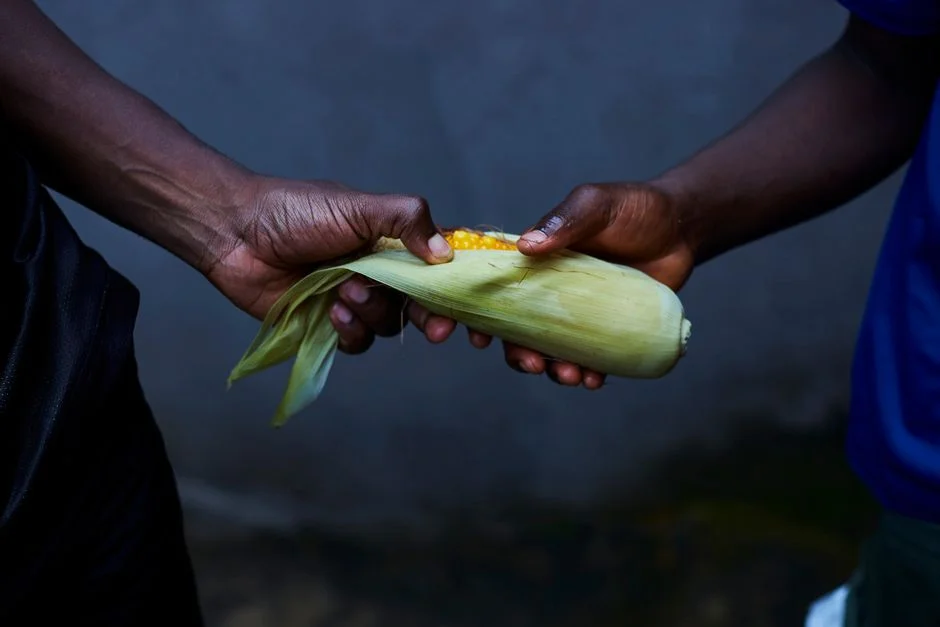
In a dry El Nino year, choose a certified, drought-tolerant variety whose days-to-maturity fit inside your expected rain window — a short window means short-season seed. Get that one decision right and drought-tolerant varieties give a 20–35% bigger grain harvest than ordinary seed when the rains fall short. In one Zimbabwe study, switching added about 0.6 tonnes per hectare — roughly seven extra 90 kg bags — and about US$240 more income per hectare (IITA). Here is how to pick, buy, treat and test your seed like a business.
Which seed should I choose for a dry El Nino year?
Start with your forecast, not the seed packet — and first confirm your region is the dry one. In an El Nino year the drought risk sits mainly in Southern Africa, while East Africa often gets heavier rain or floods and West Africa runs erratic, so check what El Nino means for your farm before you reach for short-season seed. Then read your seasonal rainfall forecast: if it leans below-normal or a late start, your rain window is short, so pick seed that races to maturity and beats the dry spell — but if your forecast leans wet, a fuller-season variety may pay you more. Early maize matures in about 90–95 days instead of the four-plus months a late variety needs (CIMMYT), and an early crop can give a harvest "within three months of planting" (UNCCD).
Match the seed to the window:
| Your forecast | Rain window | Days-to-maturity to pick | Good fits |
|---|---|---|---|
| Below-normal / late start | Short (~90 days) | Extra-early to early (≤100 days) | Early DT maize (90–95 days), early sorghum & millet, short-cycle groundnut & cowpea |
| Near-normal | Medium (~100–120 days) | Early-to-medium DT | Medium DT maize, sorghum |
| Above-normal but erratic | Variable | Early DT + staggered planting | Mix an early and a medium variety to spread risk |
Always look for the "DT" (drought-tolerant) label plus disease resistance, such as maize streak virus or leaf blight. The dry-year maize playbook covers spacing and flowering care once your seed is chosen.
Can I replant last season's hybrid seed?
No — recycling hybrid grain is the costliest shortcut on your farm. Grain saved from a hybrid crop loses its vigour fast: recycled hybrid seed yields 32% less grain than fresh certified hybrid (Grain SA).
| Seed you plant | Yield vs fresh certified |
|---|---|
| Fresh certified hybrid | Full yield (baseline) |
| Recycled hybrid (saved grain) | −32% (Grain SA) |
| Recycled OPV (open-pollinated) | −5%, refresh every 3 years (Grain SA) |
If you like saving seed, plant an open-pollinated variety (OPV) — it drops only about 5% and you can re-save it for roughly three seasons before buying fresh. Today only about 2.5% of the seed smallholders plant comes from formal seed companies (Farming First / AGRA), so certified seed is still your biggest untapped yield gain.
Where do I buy certified seed, and should I treat it?
Buy from a registered agrodealer or your national seed company — never loose grain sold as "seed" in the open market. Check the bag before you pay:
- A sealed, unopened bag with a certification or lot number and the seed company's name.
- A printed germination % and a packing or expiry date; refuse an old or torn bag.
- The variety name and its maturity days on the label.
Most certified seed already comes treated — a coloured coating you must never eat. Seed treatment (a fungicide-plus-insecticide dressing) shields the seed from soil pests and seed-rot diseases, giving stronger, more even stands and cutting losses by up to 70% in bean trials, with protection lasting about three weeks after planting (IITA). Buying untreated seed? Ask the agrodealer for the right dressing and wear gloves when you mix it.
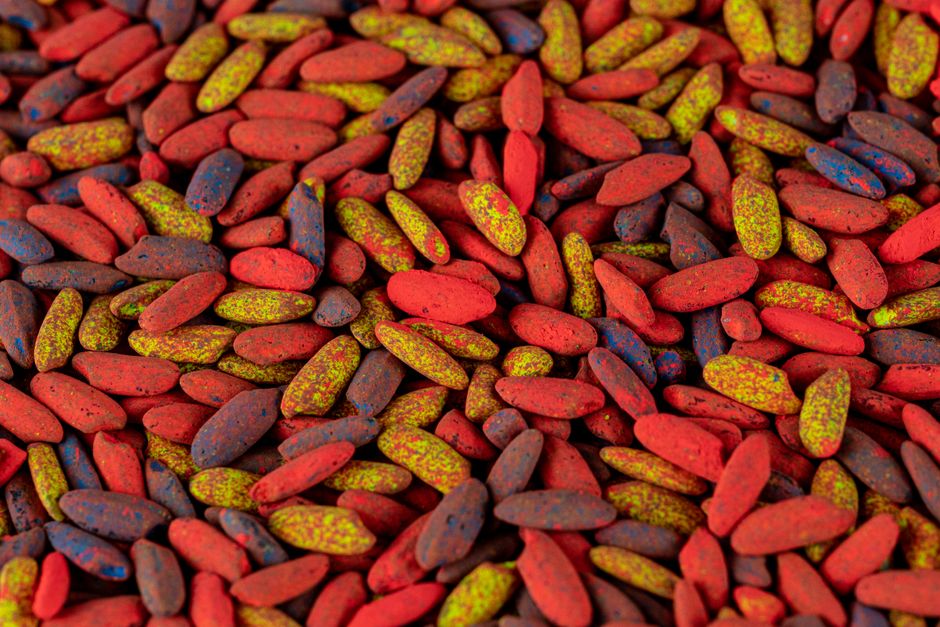
That coloured coat is your clue the seed is treated — certified maize usually comes pink or red. It protects the seed underground but must never be eaten or fed to animals. Photo: gusat silviu / Pexels.
How do I test if my seed will actually grow?
Run a rag-doll test one to two weeks before planting — the same simple check FAO recommends before you commit a bag to the field. It costs nothing and saves you a failed stand:
- Count out 100 seeds from the bag (FAO).
- Lay them on a damp cloth or paper towel, cover with a second damp layer, roll it into a tube, and seal it in a plastic bag.
- Keep it warm — about 30 °C, for example indoors out of direct sun (FAO).
- Count sprouts at day 4, then again at day 7–8. Sprouts out of 100 = your germination % (FAO).
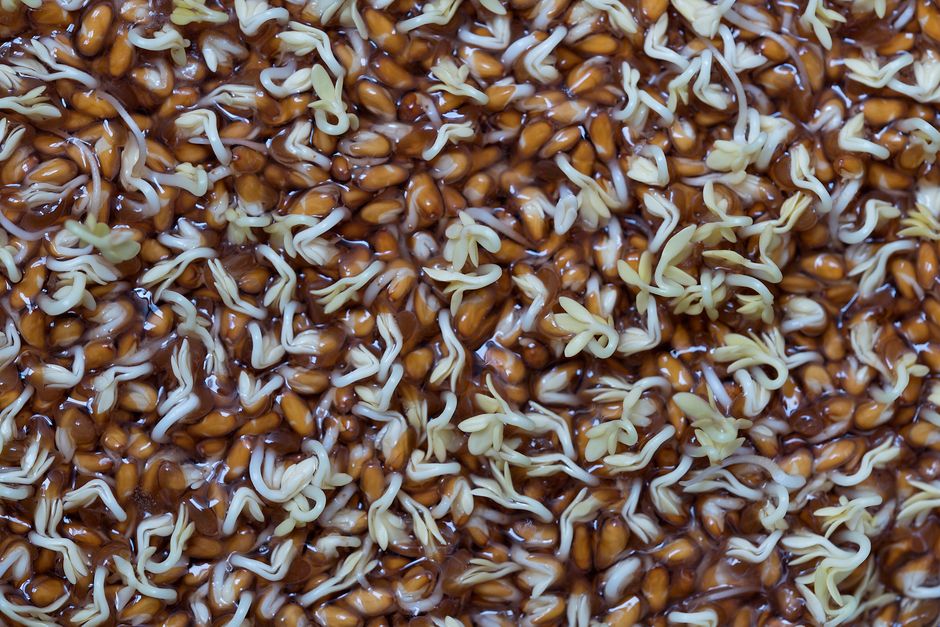
A rag-doll test in action: live seeds push out white roots on the damp cloth, so you learn your real germination rate before a bag ever reaches the field. Photo: Fez Brook / Pexels.
Your pass mark: 80% for maize, 75% for cowpea, and 70% for sorghum, millet, beans and groundnut (FAO).
- At or above the mark? Plant with confidence.
- Below it? The seed is weak — return the lot to the agrodealer, or if you must use it, sow an extra seed per station to fill the gaps. A lot far below the mark will leave holes in your stand that no re-seeding fully closes, so replace it if you can.
Your next step this week
Pull up your seasonal forecast, decide your rain window, and reserve a certified drought-tolerant variety in the right maturity class at your agrodealer now — good DT seed sells out early in an El Nino year. Then start a rag-doll test on any seed you already hold, so you know your real germination before the first planting rains.