 Divisi
Here is the short answer: while coastal East Africa braces for floods this El Niño, your Ethiopian highlands can swing the other way, drier. El Niño tends to hold back the June to September kiremt rains that grow most of your meher harvest, so your three smart moves now are to lock rain into the soil, plant shorter-season seed, and sow only on a real wetting rain.
You are the flagged exception in the wider East Africa forecast: the same ocean warming, the opposite result on your land. If you want the mechanics of why one El Niño can flood Kenya yet dry Ethiopia, start with what El Niño means for your farm.
Why is my season going drier when the rest of East Africa floods?
Because your highlands run on a different rain engine. Coastal East Africa gets its boost from the October to December short rains; your highlands depend on the kiremt, which delivers 50 to 80% of the year's rain (World Weather Attribution). El Niño tends to weaken that flow. For 2026, FEWS NET forecasts below-average kiremt rains, with the largest deficits in central and north-eastern areas.
How bad have past El Niño years been for the highlands?
2015 is the year worth studying. From February to September the rains came in at only half to three-quarters of normal, the belg started a month late, and the hardest-hit areas lost more than 75% of their crop (World Weather Attribution). Across El Niño years, highland maize and sorghum yields have run 30% or more below average (FEWS NET). The point is not worry, it is that this is a known, repeatable pattern — and the farmers who plan early are the ones who keep their yield and their income.
Which of my crops are most at risk, and what should I plant?
Long-cycle, rain-hungry crops feel a short season first. Match the crop to the rain you are likely to get:
| Crop | El Niño risk | Your play this year |
|---|---|---|
| Maize, sorghum (meher) | Highest — long cycle; a dry spell at flowering cuts deepest | Switch to early, short-season varieties; keep dry-year maize agronomy close |
| Teff | Moderate — flexible sowing window | Choose early types like Boset or Tsedey (near 62 days versus up to 140) so the crop finishes before the rain quits (teff review) |
| Wheat, barley | Moderate — cool-season crops that use stored soil moisture | Prioritise your best moisture-holding fields and tie ridges early |
Teff also protects income: even early varieties yield about 10 to 24 quintals per hectare (1 quintal = 100 kg, so roughly 1.0 to 2.4 t/ha) (teff review), and it stores and sells well.
How do I keep more rain in the soil?
Treat every rain like money in the bank. This playbook is proven on Ethiopian highland fields:
- Tie your ridges. Small cross-ties every 1 to 1.5 m turn your furrows into mini-ponds. In northern Ethiopia, tied ridges lifted sorghum grain by more than 40% and stored more than 25% extra soil water (tie-ridging review); maize rose up to 37%, and up to 60% with a little fertiliser.
- Mulch the surface with crop residue to cut evaporation and hold the topsoil.
- Weed early and often, because weeds drink the same water your crop needs.
- Microdose fertiliser — a bottle-cap dose per planting station — so the plant grows fast and roots deep while moisture lasts.
When should I plant, and how do I avoid a false start?
A false start — sowing on a light shower that then stops — cost farmers dearly in 2015. Run this quick check before you commit seed:
- Dig test: dig to a hand's depth (about 15 cm) and squeeze a handful. A ball that holds together means real moisture; dust that crumbles means wait.
- Belg versus meher: if the belg is late or thin, lean your main bet on the meher and hold seed in reserve.
- Read the NMA and FEWS NET seasonal bulletin and turn the outlook into a planting date before you buy or sow.
- Stagger sowing across two or three dates so one dry spell cannot take your whole crop.

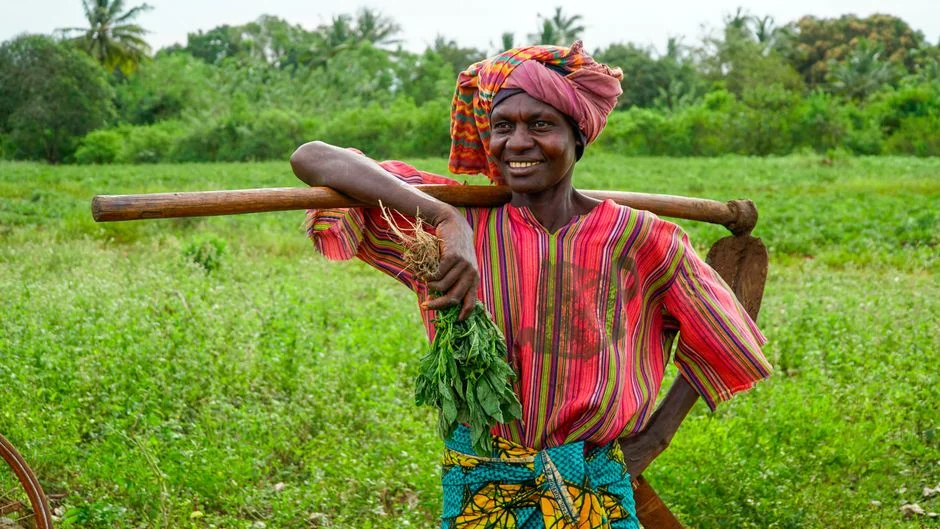
Photo: Elvis KAMBIRE / Pexels
Your next step this week
Walk your main meher plot, do the dig-and-squeeze test, and order enough short-season seed (early teff or a fast maize) to cover it — then start tying your ridges on the driest fields first.