 Divisi
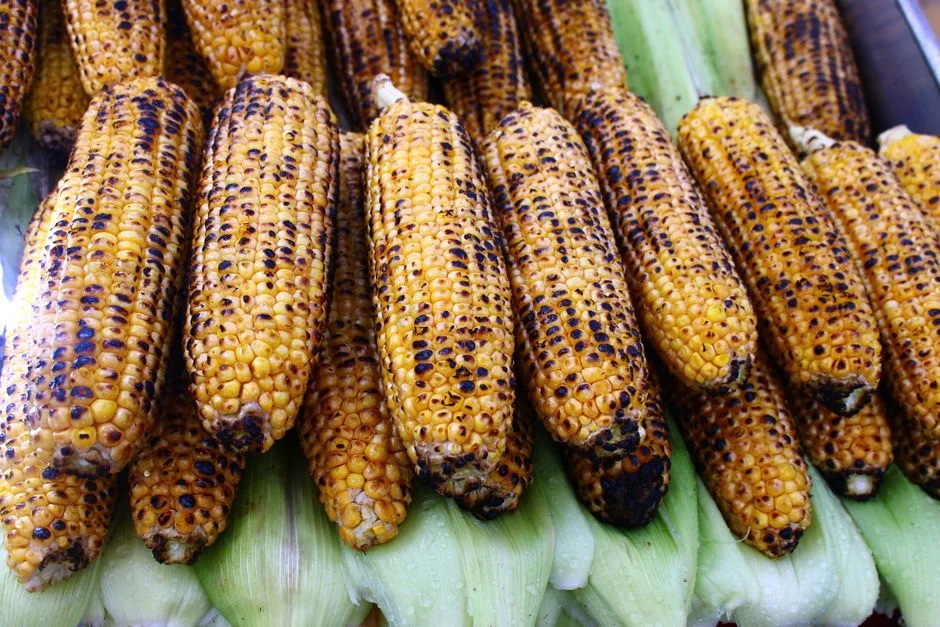
Green mealies, maize you pick young and sell fresh by the cob, put money in your hand weeks before dry-grain farmers fill a single 50 kg bag. You harvest at the milk stage, sell by the dozen at a premium as the season opens, and can fit two crops a year on the same plot (Commercial Farmers' Union of Zimbabwe).
A green mealie is field maize picked green and boiled or roasted on the cob. It is not sweet corn, which is a different crop grown from special sugary seed for a small niche market. Across Zimbabwe and the wider SADC region, buyers want a full, tender white cob off an ordinary field-maize hybrid. This is the faster-cash cousin of the dry-grain maize crop.
Why grow green mealies instead of waiting for dry maize grain?
Faster cash, and more of it per cob. Dry grain ties up your plot for months, then sells as one lump at the post-harvest price. Green mealies sell fresh, in a steady stream, at a premium. The CFU reports well-run green-mealie plots returning about US$2 to US$3 for every dollar spent, from roughly 3,500 dozens of cobs per hectare (about 1,400 dozens on 0.4 ha / 1 acre).
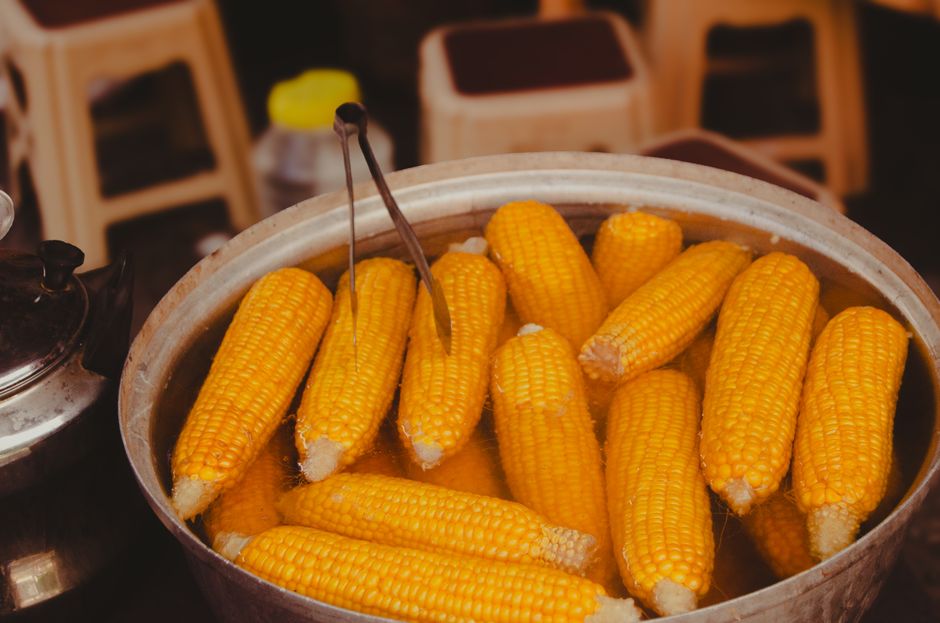
Photo: Esra Kaya / Pexels
| Green mealies | Dry grain | |
|---|---|---|
| When you sell | ~3 weeks after cobs flower, at milk stage | after grain-fill plus weeks of field drying |
| How you sell | fresh, by the cob or dozen | shelled, by the 50 kg or 90 kg bag |
| Price | premium per cob, highest early | grain price, often at a glut |
| Cash | quick, staggered through the season | one payment, months later |
Sell roadside, to urban vendors who boil or roast to order, or straight to households. The earliest cobs, before everyone's crop lands, fetch the best price.
Which maize variety is best for green mealies?
Pick an early- or medium-maturing white field-maize hybrid with a large, well-filled cob and tender, sweet kernels at the milk stage. Seed Co lists white hybrids such as SC403, SC533, SC637, SC719 and SC727 as strong green-mealie choices; SC608 is a yellow option where buyers accept yellow. Most SADC markets pay more for white cobs, so match your seed to your buyer.
How do I know when green mealies are ready to pick?
Pick at the milk stage, about three weeks after the cobs flower (Seed Co), and never let them slide into the doughy stage. Here is the no-tool test:

Photo: Mwesigwa Joel / Pexels
- Peel back a little husk and press one kernel with your thumbnail.
- Thin, milky white sap = ready. This is the milk stage, roughly 18 to 22 days after the silks appear, when kernels hold about 80% moisture (Purdue University).
- Thick, doughy paste = too late for the green trade. By the dough stage (about 24 to 28 days after silking, near 70% moisture) the cob turns starchy and loses its premium.
Check every day or two once flowering ends. The window is short, and a hot spell shortens it further.
How should I space and plant green mealies?
Stagger your planting and crowd the rows a little more than you would for grain.

Photo: Mwesigwa Joel / Pexels
- Plant a fresh block every 2 to 3 weeks. This gives you cobs in a continuous wave instead of one flood, and lets you hit the early premium window.
- Use a higher plant population than grain. Seed Co recommends 90 cm between rows and 25 to 27 cm in the row, about 45,000 plants per hectare; the CFU puts the range at 40,000 to 48,000. More plants means more evenly sized cobs to sell.
- Feed for full, tender cobs. Apply a basal compound such as Compound D (7:14:7) at 300 to 400 kg/ha at planting, then top-dress with 350 to 400 kg/ha of ammonium nitrate or urea about four weeks after emergence (Seed Co, The Scrivener).
- Keep water and weeds in check. Stay weed-free for the first 6 to 8 weeks (CFU); if you irrigate, aim for about 25 to 30 mm every 7 to 10 days (Seed Co). Steady moisture through flowering and cob-fill is what makes kernels plump and tender.
Time your first block to the first real rains so it flowers with steady moisture. See timing planting to the first real rains.
How do I keep pests off my green mealie cobs?
Two pests do the most damage. Scout your whorls (the funnel of young leaves) twice a week from emergence.
- Fall armyworm (Spodoptera frugiperda): ragged holes and moist, sawdust-like frass in the whorl. Scout and manage it early; see the fall armyworm guide.
- Maize stalk borer (Busseola fusca): a creamy-white, grey-tinged caterpillar with a dark head. Early signs are small "window-pane" patches and pinholes in whorl leaves; later a dead central shoot ("dead-heart") and frass-filled tunnels in the stem. It lays mostly on plants under two months old (EAFRINET).
Control in this order:
- Cultural first: after harvest, slash and destroy old maize stalks so borers cannot carry over in them, and clear volunteer maize (EAFRINET).
- Low-cost botanical: dab ground neem into the whorl early, before larvae bore into the stem.
- Chemical only as a last resort: use a registered product and respect its pre-harvest interval, which is vital for cobs you will boil and eat within days.
Food safety: sell and cook cobs the same day where you can, as green mealies are high in moisture and do not keep. Boil or roast them fully, and cull any cob with mould or borer tunnelling.
Your next step this week
Choose one white hybrid, plant your first block now, and mark your calendar to plant a second block in 2 to 3 weeks. Then, three weeks after those cobs flower, do the thumbnail test daily, pick the moment the sap runs milky, and take your first cobs to market ahead of the crowd. To lock in the best price, plan your sale with these four pricing strategies.