 Divisi
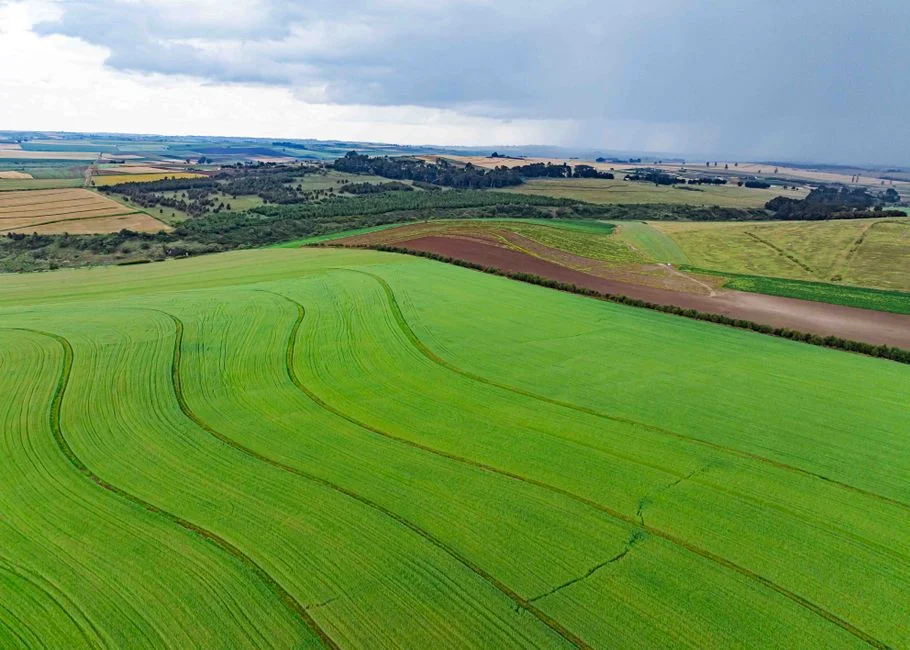
A wet El Nino year turns the cool highlands into perfect weather for late blight — the disease that can destroy as much as 60-100% of a potato crop, as recorded in Uganda. Beat it and you still lift a healthy crop and store it for a higher price, so here is the full plan: clean seed, ridges that drain, a spray you start before the first spot, and a cool, dark store.
Irish (ware) potato — the potato you eat and sell — thrives in Africa's cool highlands: Kenya's Nyandarua and Mau Narok, Rwanda's Musanze, Ethiopia's highlands, Uganda's Kigezi and Nigeria's Jos Plateau. In the tropics it is grown from 1,500-4,200 m, with the best yields where mean daily temperatures sit near 18-20°C. Those same cool, misty conditions are exactly what blight loves, so every step below keeps you one move ahead.
What seed potato should I plant for a wet El Nino year?
Start with clean, certified seed of a blight-resistant variety — it is the single best-value decision you make. "Certified" means the seed has been inspected and declared free of disease; saved tubers from last season are the most common way bacterial wilt and blight walk into a field.
- Plant whole, firm tubers of 30-80 g (about the size of a large egg), roughly 2 t/ha — about 16-20 fifty-kg bags per acre.
- Space them 75 cm between rows and 30 cm within the row — open spacing dries the leaves faster and slows blight.
- Ask your supplier for a variety listed as blight-tolerant. It will not remove the need to spray, but it buys you days. See choosing clean, certified seed.
How do I stop water and blight spreading on a wet slope?
On a wet-year slope, water is the enemy: it drowns roots and washes blight and bacterial wilt from plant to plant. Ridge (earth up) along the contour — across the slope, not down it — and cut shallow drains so rain runs off, not through your crop.
- Earth up into firm ridges when plants reach the 4-8 leaf stage, then again 2-3 weeks later; deep ridges keep tubers covered so blight spores cannot reach them.
- Feed the crop: work in about 10 t/ha of well-rotted manure plus 100-300 kg/ha of nitrogen. To shape and drain slopes, use the Rwanda terraces-and-drainage guide, build soil that drains and holds water, and grow cover crops and green manure to hold the slope between potato crops.
Why is my potato crop rotting in wet weather?
It is almost certainly late blight (Phytophthora infestans), the fastest-moving potato disease in a wet year. Look for dark, water-soaked patches on leaves that spread within a day, a white-grey fuzzy mould on the leaf underside in the early morning, brown streaks on stems, and a firm reddish-brown rot that runs into the tuber.
No-tool weather test: blight strikes when temperatures sit around 15-27°C with 6-12 hours of leaf wetness from dew or rain. If leaves are still wet past 8-9 am, or you get three misty or rainy days in a row, blight weather has arrived — act before you see a single spot.
When should I spray for late blight on potato?
Spray a protectant fungicide before disease appears, not after — once blight is visible it moves too fast to cure. Start at emergence and keep the leaves covered through the wet spell.
| Situation | Fungicide type | Spray interval |
|---|---|---|
| No blight seen yet (from emergence) | Protectant (mancozeb, chlorothalonil) — coats the leaf surface | every 7-10 days; tighten to 4-5 days in constant wet, misty weather |
| Blight found in your field or nearby | Add a systemic (e.g. metalaxyl-based) that moves inside the leaf, always tank-mixed with a protectant | every 5-7 days |
Do it safely:
- PPE: wear gloves, boots, long sleeves and a mask; spray in still, cool morning air and wash with soap afterwards.
- Resistance: never use a systemic on its own or more often than the label allows — always pair it with a protectant and alternate products, or the blight learns to survive it.
- Pre-harvest interval: stop spraying at dehaulming — cut or pull the haulms (vines) about 14 days before you dig. This sets the skins, starves any blight of green leaf, and clears the label's waiting period so tubers are clean to sell.
How do I stop bacterial wilt in potatoes?
Bacterial wilt (Ralstonia solanacearum) has no spray cure, so you win on hygiene. Confirm it with the glass-of-water test: cut a 2-3 cm piece of a wilted stem and hang it in clear water — if milky threads stream out within a few minutes, it is bacterial wilt.
- Plant only certified, wilt-free seed, and never replant tubers from a field that showed wilt.
- Pull and bury wilted plants with the soil around them the moment you see them; wash tools, boots and hands, and disinfect tools with a calcium-hypochlorite (bleach) solution.
- Rotate off potato, tomato and pepper for at least two years on an infected plot, and keep runoff from wilt-hit fields out of clean ones.
How should I store potatoes to sell later for more money?
Cure first, then store cool and dark — that is how you hold a crop past the glut and sell into a higher price. After harvest, let the skins toughen (cure) for a week or two in a shaded, airy place, keeping the air moist and moving (around 95% relative humidity, with ventilation). Skin-set test: rub a thumb across a tuber — if the skin does not scuff or peel, it is ready to bag.

Photo: Ilo Frey / Pexels
| Ware potato (to eat or sell) | Seed potato (to replant) | |
|---|---|---|
| Light | Dark | Diffused (indirect) light |
| Temperature | 6-8°C, cool store | cool, ambient shade |
| Why | dark stops greening and early sprouting | light holds short, green, sturdy sprouts |
Store ware potato in 50 kg bags on a raised rack in a cool, dark, ventilated room; keep seed potato in a single layer in indirect light. Timing the sale matters as much as growing the crop — see better farm prices when you sell, and run the same store-past-the-glut play with onions in the off-season.
Your next step this week
Order certified, blight-resistant seed now, and buy a protectant fungicide (mancozeb or chlorothalonil) so it is on the shelf before your crop emerges — because in a wet El Nino year, the first spray must go on before the first spot appears.