 Divisi
Your El Niño plan for Madagascar comes down to one question: where is your plot? Match your crop and your calendar to the forecast for your zone, and a season that looks uncertain becomes a plan you can act on this week.
Forecasters say El Niño has formed in the Pacific and is set to strengthen, and in past El Niño years southern Africa — Madagascar's deep south included — has turned hotter and drier. The east coast, meanwhile, is hit by cyclones almost every year whatever the Pacific does. So you build one plan with two faces. (For how the pattern works, see what El Niño means for your farm.)
Will El Niño make Madagascar dry or wet in 2026?
Both — it depends on your zone. Last season showed both faces at once: rainfall deficits of 200–300 mm across the Grand South from October to December, then three cyclones in three weeks on the east, each dropping as much as 300 mm in a single week. Find your row and start there.

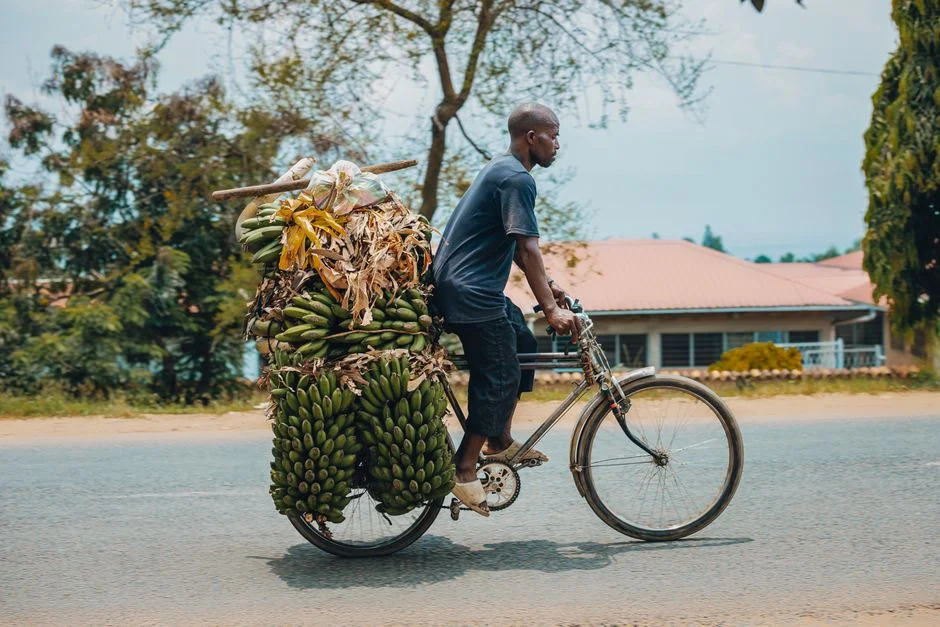
Photo: Mark Stebnicki / Pexels
| Your zone | Main El Niño risk | Your first move |
|---|---|---|
| Deep south — Androy, Anosy, Atsimo-Andrefana | Late, short, hotter rains | Drought-tough roots + water harvesting |
| Highlands around Antananarivo | Erratic rain, cold snaps | Short-cycle, cold-tolerant rice; nursery ready |
| East coast — Atsinanana, Toamasina | Cyclones + flooding, Nov–Apr | Drainage, sealed store, replant seed on standby |
What should I plant in the dry south of Madagascar?
Lead with cassava and sweet potato, then add sorghum and cowpea for insurance. Cassava is one of the most drought-tolerant crops there is: its roots reach full starch at 8 to 12 months and can wait in the ground until you need them — a living store. Even with simple methods, smallholders lift 5–12 tonnes per hectare.

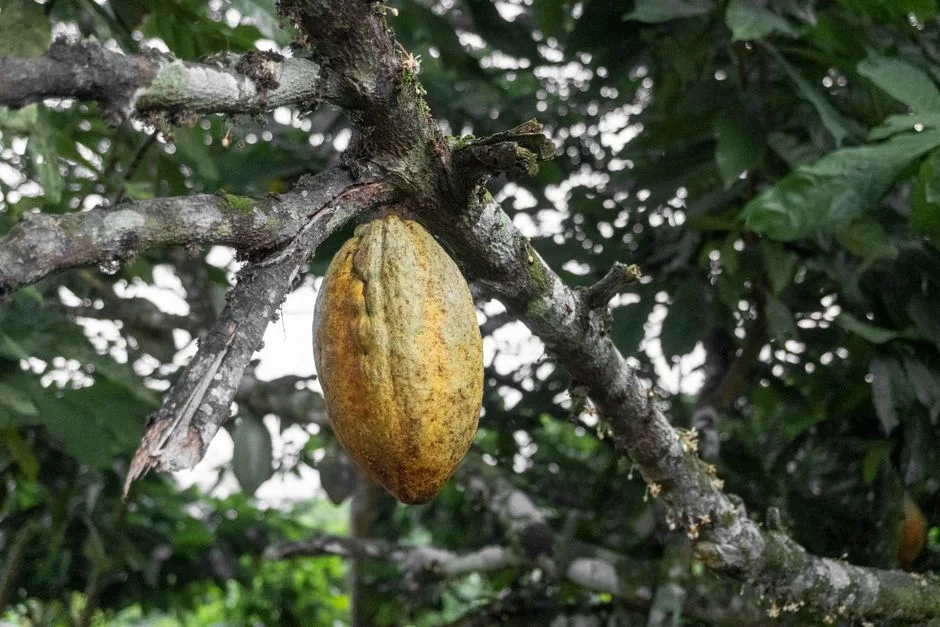
Photo: Matheus Bertelli / Pexels
Plant a cutting (a 20–25 cm piece of stem) only from a plant with clean, green leaves. Yellow-green mottling and twisted, distorted leaves are cassava mosaic disease, caused by cassava mosaic begomoviruses — a virus group spread by whitefly and by infected cuttings. There is no spray for it, so sanitation is your control: never take cuttings from a mottled plant, and pull out any that show it. How to land-prep and space cassava is covered in our cassava guide.
For sweet potato, choose orange-fleshed (OFSP) — it is relatively drought-tolerant and rich in vitamin A: one small root gives a young child a full day's worth, and the national programme has released 12 OFSP varieties since 2009. Catch every drop with tied ridges and half-moon basins, and keep a daba (a ~20 L tin) or a bucket per planting station for the dry spells. Smart rainwater harvesting shows you how.
How do I protect my rice through erratic rain?
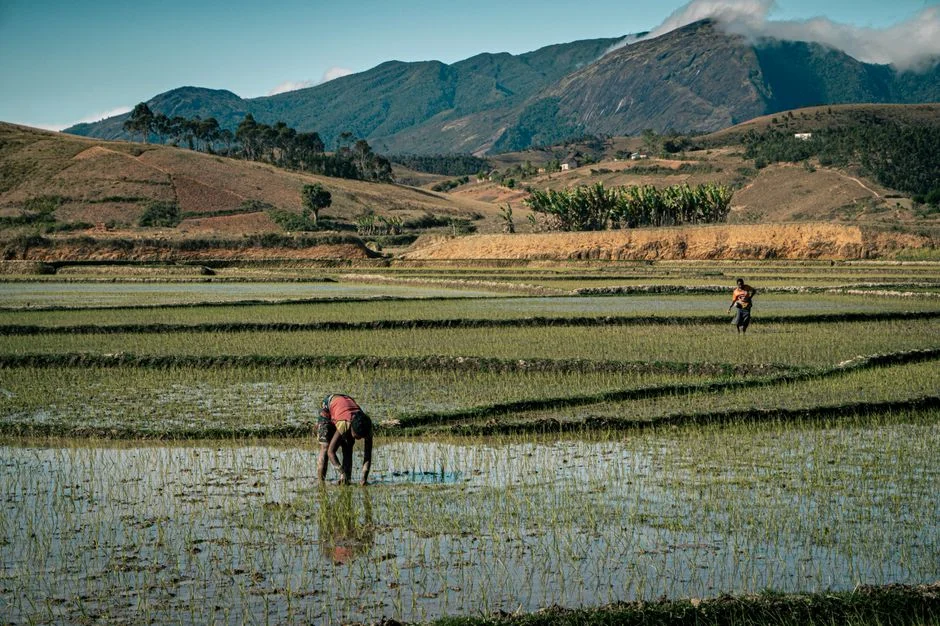
Choose a short-cycle variety and raise a strong nursery (a small seedbed) so you can transplant the day water arrives — never sit and wait. For the cool highlands, Mavitrika heads about 6 days earlier than the standard NERICA4 and yields 19% more on poor soils. FOFIFA's red-rice line FOFIFA 196 averages 5 t/ha under irrigation and up to 7 t/ha upland.
Keep your bunds — the low earth walls that hold water in the paddy — sealed to save every millimetre in a dry spell. When a cyclone's rain threatens, do the opposite: open a drain so the crop is never underwater more than a day. Our guide to rice in a wet El Niño year goes deeper on lowland versus upland.
How do I get my east-coast farm ready for cyclone season?
The cyclone season runs November to April. Do three things before November:
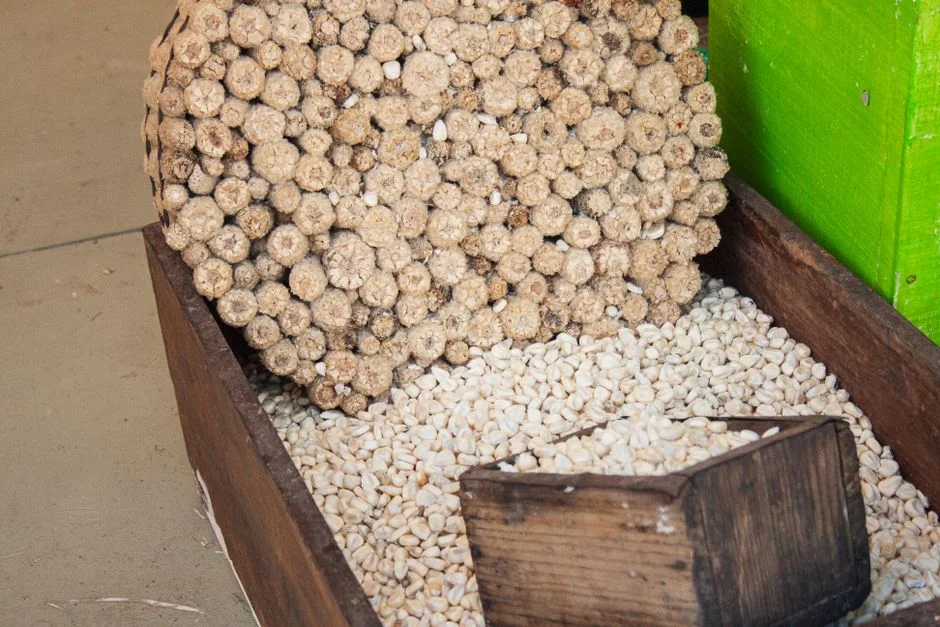
- Seal your store. Move grain into a raised, sealed store — a closed drum or hermetic bag beats an open granary. Dry it first with the bite test: a grain that shatters rather than squashes is dry enough to keep.
- Clear drainage. Dig channels so a field empties within 24 hours. Water that sits longer rots roots and drowns rice.
- Keep replant seed aside. Bundle spare cassava cuttings, or set aside a 50 kg bag or a few kapoaka of rice seed (a kapoaka is the ~250 g tin used to measure rice), so you replant within days of the water dropping.
Track the Meteo Madagascar alert colours: green is 2–5 days out, yellow is 24–48 hours, red means impact within 12 hours — at red, secure people and stores first. Once the water has gone down, drain, clean and replant fast.
Your next step this week
Write your zone at the top of a page and pick one action from its row: order clean cassava and OFSP cuttings for the south, raise a rice nursery in the highlands, or clear one drainage channel and seal your store on the east coast. Do it before the rains — and the cyclone season — set the pace for you.