Divisi
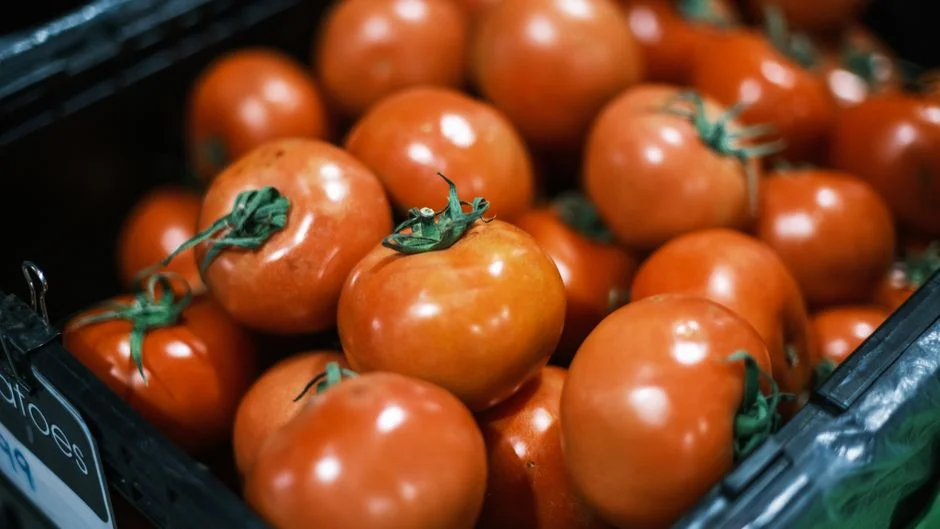
You can grow a beautiful tomato crop and still lose the profit in the hours after picking. Across Sub-Saharan Africa a large share of every crop is lost after harvest — studies put it as high as 33–50% in Nigeria's tomato chains, where fruit is bruised, overheated, crushed or left to rot before it sells, most of it down to rough handling and no cool storage (Scientific Reports, 2025). The good news: those losses happen in a few steps you fully control — pick at the right stage, cool fast, handle gently, pack in crates, grade honestly, and store cool.
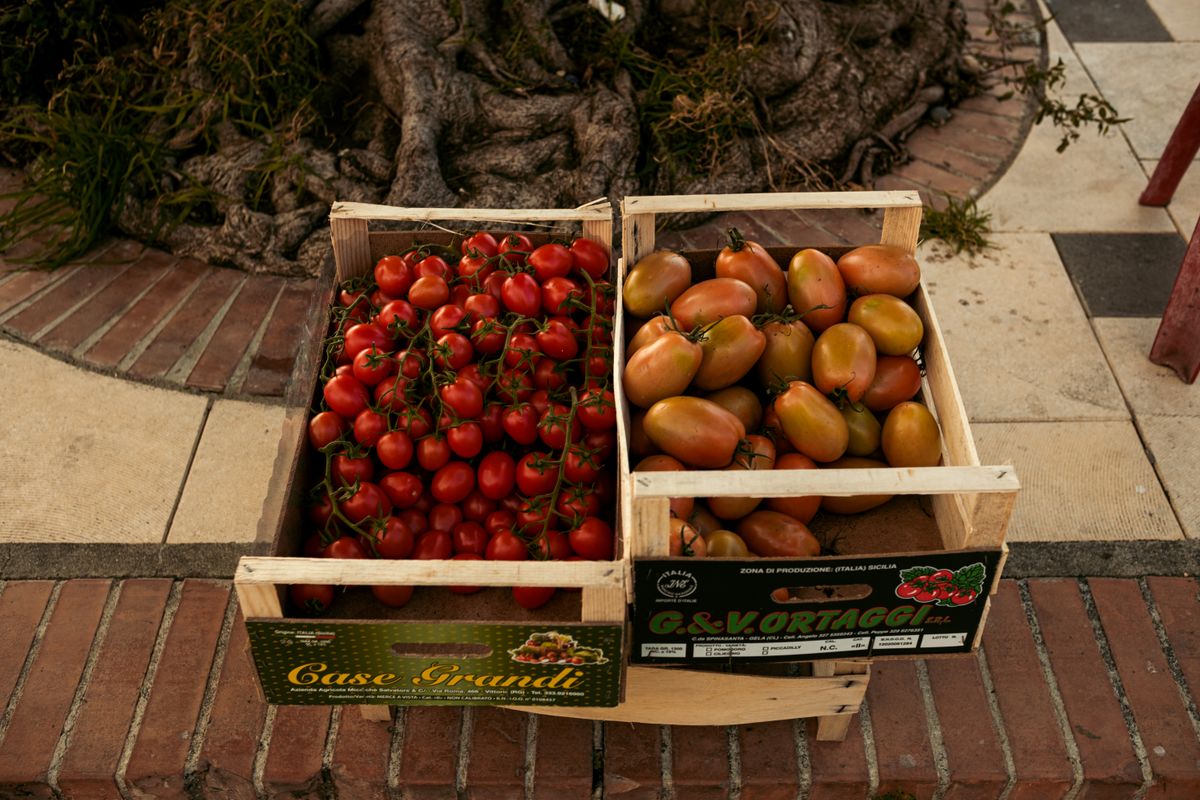
Photo: Matteo Basile / Pexels
At what ripeness should I pick tomatoes?
Ripeness is a business decision, not just a farming one:
- For distant markets: pick at mature-green to "breaker" — full-sized, just showing a first blush of colour. It's firmest here and ripens on the journey.
- For local or immediate sale: pick pink to red-ripe for the best flavour and appearance.
Matching ripeness to how far the fruit must travel is the first thing that separates a good sale from a crate of rot.
How do I keep tomatoes fresh without a cold room?
Heat is the enemy of shelf life, so get the field heat out early. Harvest in the cool of the morning and move fruit straight into shade — never leave picked tomatoes in the sun. And handle gently: every knock becomes a soft, rotting spot in a day or two. Pick by twisting to snap cleanly at the knuckle, and set fruit down rather than dropping it.
You don't need electricity to keep fruit cool. Store the crates in the coolest spot you have — a shaded, well-ventilated room, or a simple evaporative cooler: a clay pot sitting inside a bigger pot with damp sand packed between them, or a charcoal-walled chamber kept wet, where evaporating water pulls the heat out and holds the air moist. A zero-energy cool chamber — a double-brick box filled with wet sand under a damp cloth — has kept tomatoes marketable for about 40 days, versus roughly 12 days at room temperature (Zero-Energy Cool Chamber for Tomato Storage, Springer).
No thermometer? Judge "cool" by feel: the store should feel cooler than the air outside, the crate cool to the touch, never warm, and the sand or cloth always damp — once it dries out, the cooling stops. Keep air moving so heat doesn't build up.
Why shouldn't I pack tomatoes in sacks?
This one change prevents a huge share of losses. Sacks and overfilled baskets crush the fruit under their own weight — the bottom layer is bruised before it reaches the road. Use ventilated crates — a wooden crate at about 20–25 kg, or the sasseka box you sell by at roughly 25–30 kg — that let air move and hold the fruit without compressing it, and don't overfill. Then grade and sort: cull cracked, sunscalded, bruised and insect-damaged fruit before packing, because one rotting fruit spoils its neighbours and buyers pay more for an even crate.
Photo: Sara Er / Pexels
How should I transport tomatoes to market without spoilage?
The journey ruins more tomatoes than almost anything else. Protect them on the way:
- Travel in the cool of early morning or evening, not the midday heat.
- Pack in crates, not deep sacks, and don't stack crates so high that the bottom ones are crushed.
- Cushion the load and cover it to shade the fruit from sun and dust, while still letting air move.
- Take the shortest, smoothest route you can, and load and unload gently — every rough drop is money lost.
What temperature should I store tomatoes at?
If you can hold fruit before sale, match the temperature to the ripeness stage — and don't over-chill, because tomatoes are damaged by cold below about 10°C when held too long, turning pitted and mealy (UC Davis Postharvest, tomato):
| Stage | Target temp | Approx. shelf life |
|---|---|---|
| Mature-green | 12–15°C | up to ~2 weeks |
| Firm-ripe / red | 7–10°C | 3–5 days |
Source: UC Davis Postharvest Technology Center.
Read that table two ways. Those 3–5 days for ripe fruit assume a true cold store actually holding 7–10°C. A shaded store or wet-sand evaporative cooler stays well below the outside air and is cool enough to hold firm, mature-green fruit at 12–15°C for the wait — but it cools by evaporation and can't reach the 7–10°C a cold room gives, so it won't buy red-ripe fruit those days. Red-ripe tomatoes sitting in a cooler still need to sell within a day or two, so keep only mature-green fruit for the longer hold.
Your next step this week
Before your next pick, get ventilated crates (borrow or buy) and set up one cool store — a shaded, airy corner, or a simple wet-sand evaporative cooler you can build this week. Then plan a dawn harvest straight into shade. Those three moves alone turn a fragile harvest into a full-value sale.