 Divisi
Kibaigwa Maize Market
Wholesale · Kibaigwa, Tanzania · also called Kibaigwa, Kibaigwa grain market
Tanzania's grain market, in Kongwa District. Maize from the surrounding villages and from the southern highlands is traded here in bulk to domestic and export buyers, which is why prices at Kibaigwa are the ones grain traders elsewhere in the country quote against. The FAO and the national smallholder network MVIWATA have mapped it as one of Tanzania's territorial markets.

In season here in September: Sunflower
What trades at Kibaigwa Maize Market
| Crop | Sold by | Supply peaks |
|---|---|---|
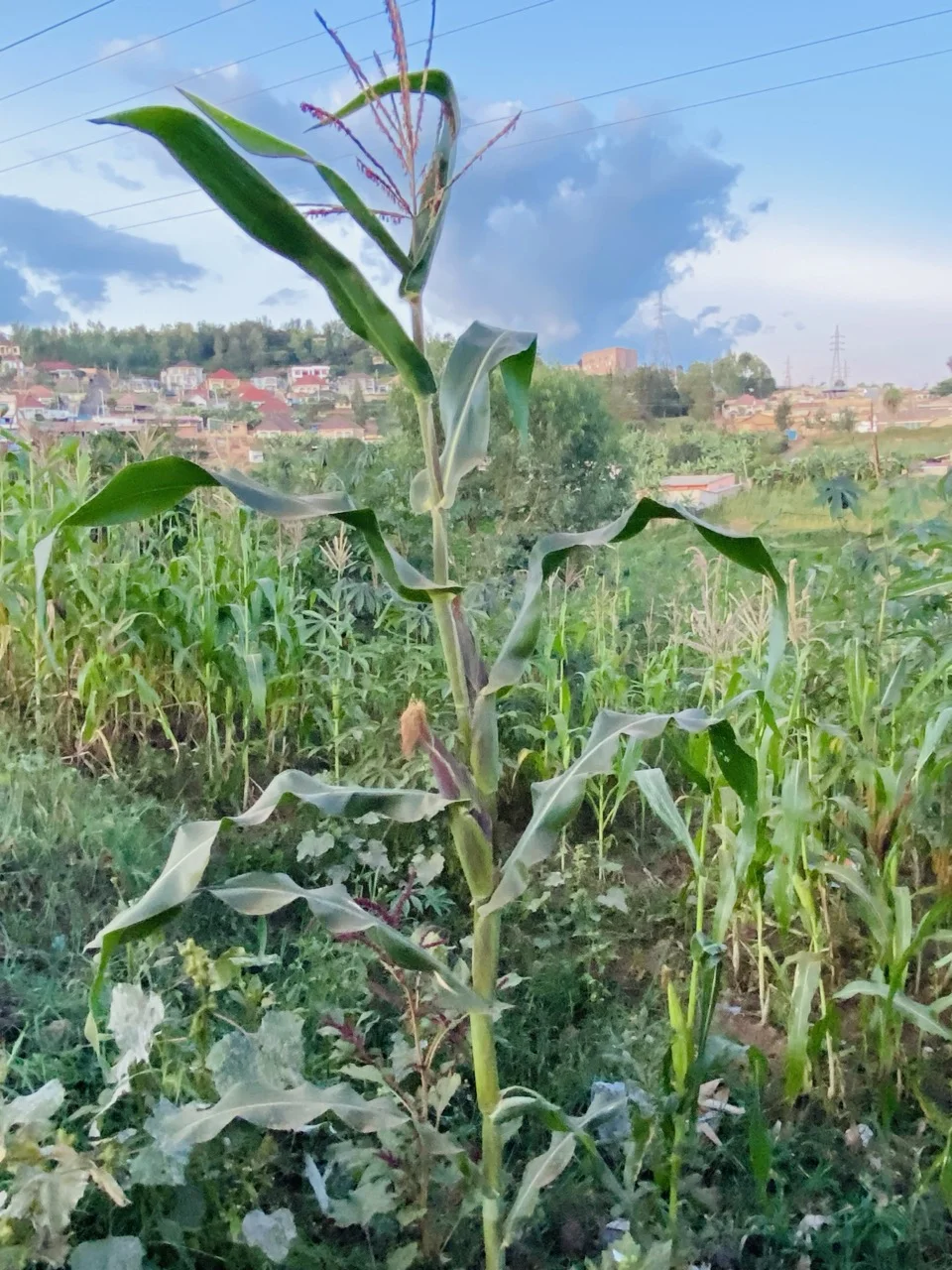 Maize Maize |
100 kg bag | June to August |
 Sunflower Sunflower |
100 kg bag | July to September |
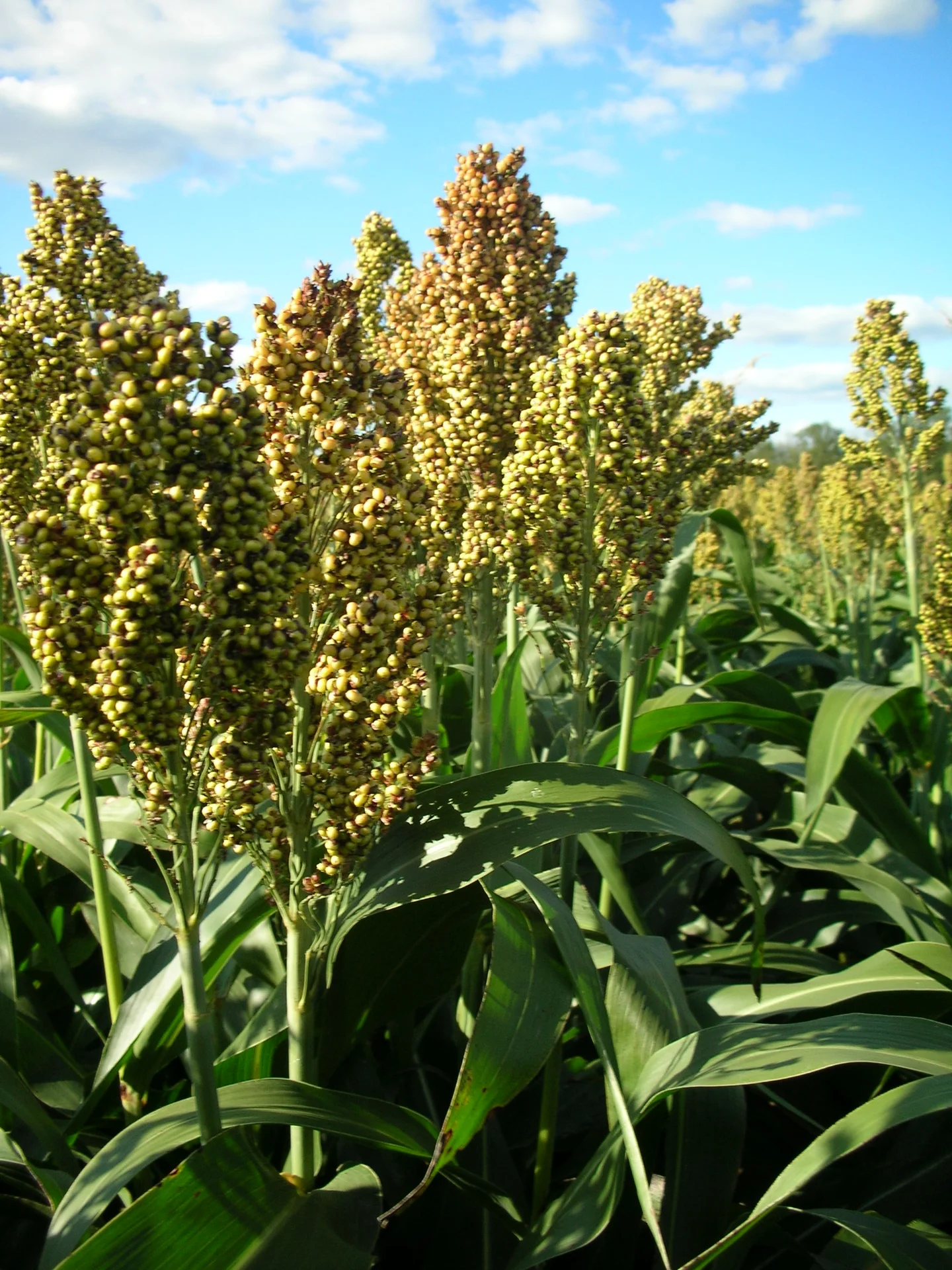 Sorghum Sorghum |
100 kg bag | June to August |
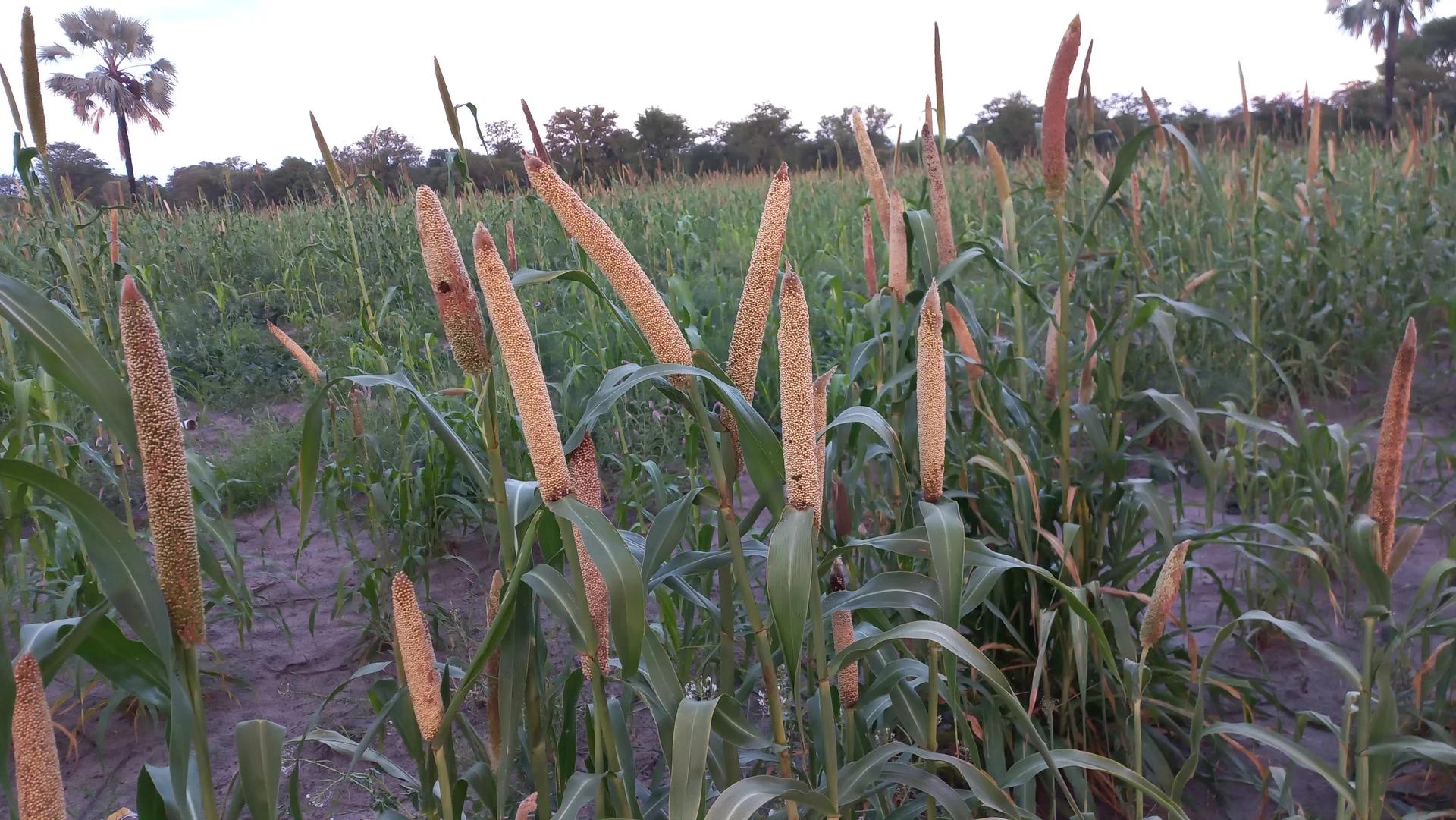 Pearl millet Pearl millet |
100 kg bag | June to August |
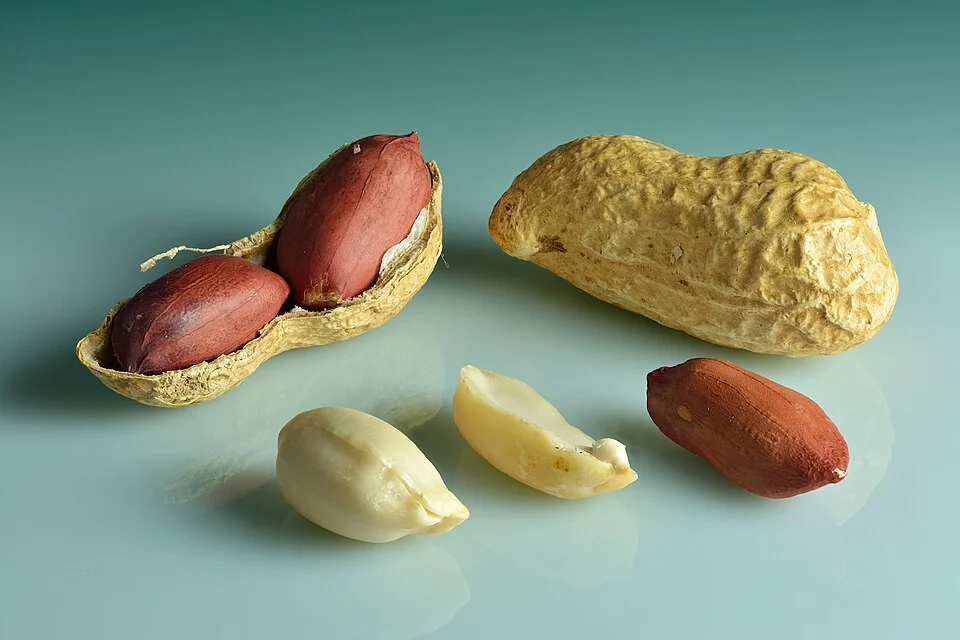 Groundnut Groundnut |
100 kg bag | July to August |
 Common bean Common bean |
100 kg bag | June to July |
Selling by the bucket or the bag? The farming glossary turns those measures into kilograms — what a 20 litre bucket of each crop really weighs, level and heaped. Open the glossary →
Selling here
- Trading days
- Every day
- Currency
- TZS
Trade is in Tanzanian shillings. Grain moves by the 100 kg bag, and larger consignments are usually settled by transfer rather than in cash — agree the terms before your load is weighed.
Growers sell in bulk to traders who break the load down and resell. The best price for a full load, and the longest trip.
At Kibaigwa, Kongwa District, on the Dodoma–Morogoro road. Deliver dried and cleaned grain: moisture and foreign matter are what a buyer discounts for, and aflatoxin in badly dried maize is the reason a load gets rejected outright.
Places that could sell into Kibaigwa Maize Market
-
 Gairo · 35 km
-
 Kongwa · 36 km
-
 Mpwapwa · 57 km
-
 Chamwino · 85 km
-
 Dodoma Urban · 90 km
-
 Kilosa · 102 km
-
 Mvomero · 109 km
-
 Kiteto · 116 km
Kibaigwa Maize Market prices, and what to grow for it
Prices here move hour to hour, so they belong in the app rather than on a web page — a printed number would be wrong before you read it, and a live one from the traders standing in this market will not be.
Market prices are coming to the Divisi app — reported by the farmers and traders who are actually on the floor. Divisi also plans the season on your own field: what to plant, when to plant it, and what to do each week. Free for farmers, works offline.


Frequently asked questions
What is sold at Kibaigwa Maize Market?
Kibaigwa Maize Market trades maize, sunflower, sorghum, pearl millet, groundnut, common bean. Tanzania's grain market, in Kongwa District. Maize from the surrounding villages and from the southern highlands is traded here in bulk to domestic and export buyers, which is why prices at Kibaigwa are the ones grain traders elsewhere in the country quote against. The FAO and the national smallholder network MVIWATA have mapped it as one of Tanzania's territorial markets.
When is maize cheapest at Kibaigwa Maize Market?
Supply of maize into Kibaigwa Maize Market peaks June to August, and that is when prices are usually at their lowest. Selling just before the peak, rather than in the middle of it, is where the money is.
What currency is used at Kibaigwa Maize Market?
TZS. Trade is in Tanzanian shillings. Grain moves by the 100 kg bag, and larger consignments are usually settled by transfer rather than in cash — agree the terms before your load is weighed.
What are today's prices at Kibaigwa Maize Market?
Divisi does not publish daily prices for Kibaigwa Maize Market — they move hour to hour, and a number printed on a web page would be wrong before you read it. Market prices are coming to the Divisi app, reported by the farmers and traders who are actually there. Install it and you will have them the day they land.