 Divisi
Marché Mokolo
Wholesale · Yaoundé, Cameroon · also called Mokolo market, Mokolo
Yaoundé's principal market for fresh food, supplied by the Centre region's departments — Lékié, Grand Mbam, Mefou-Afamba, Akono, Nyong-et-Mfoumou and Mfoundi — and regularly by the South and Littoral regions as well. Macabo, plantain, yam and cassava are the staples of the trade, with papaya, safou and citrus alongside.

In season here in September: Yam
What trades at Marché Mokolo
| Crop | Sold by | Supply peaks |
|---|---|---|
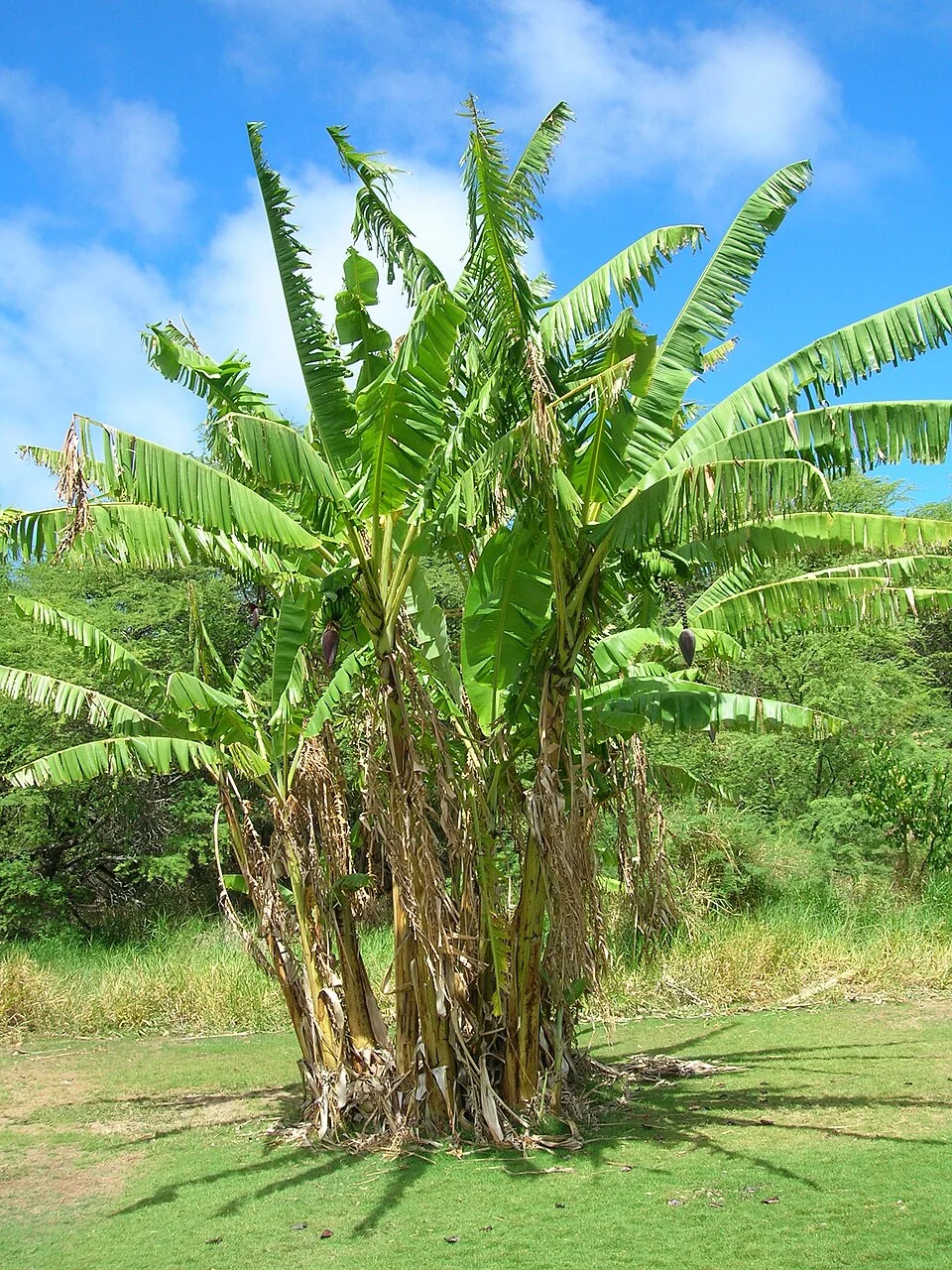 Banana & plantain Banana & plantain |
bunch | — |
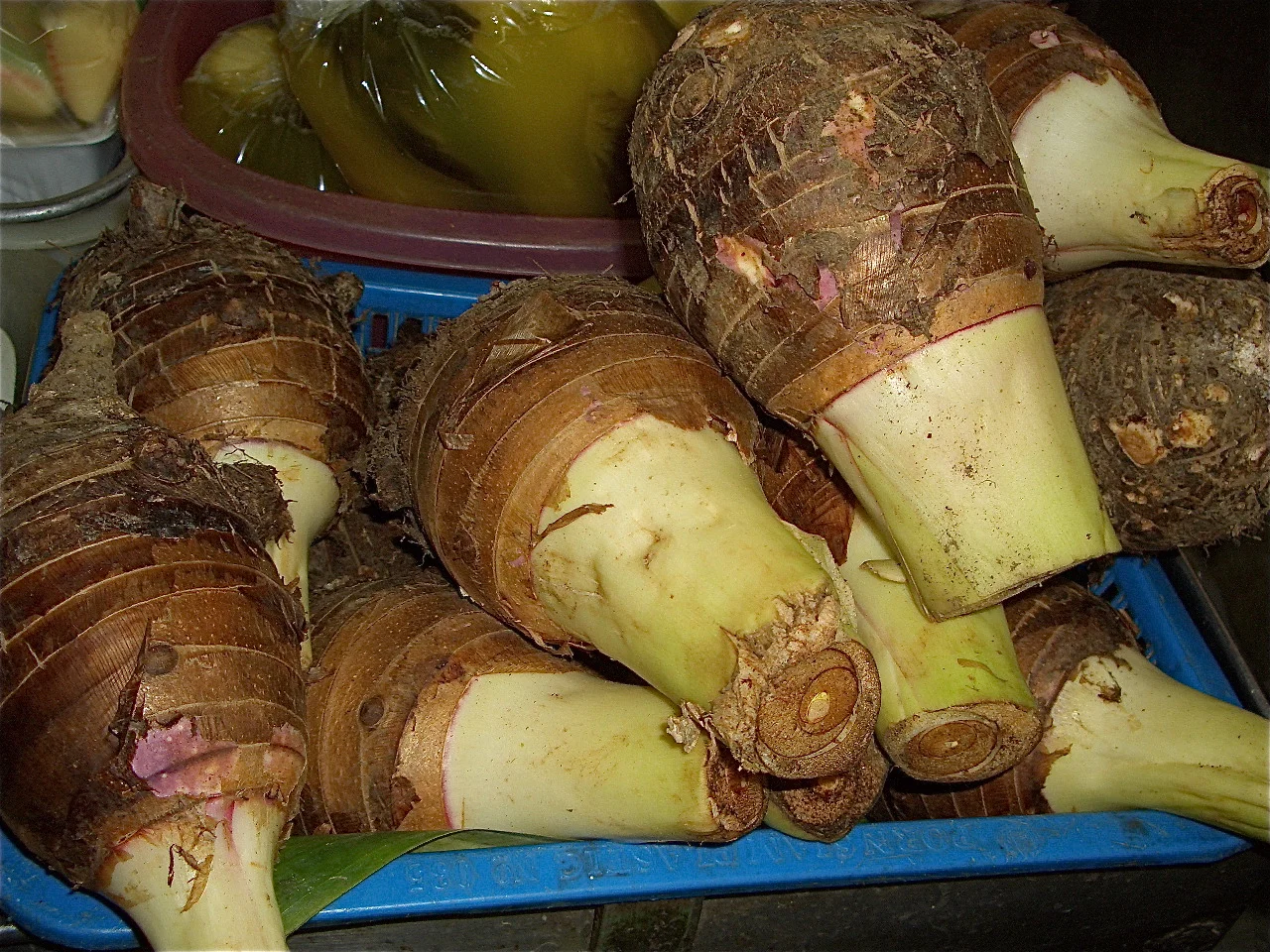 Cocoyam / Taro Cocoyam / Taro |
basket | — Macabo — a staple of this market. |
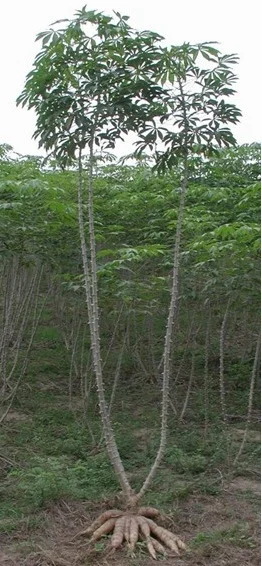 Cassava Cassava |
basket | — |
 Yam Yam |
tuber | August to October |
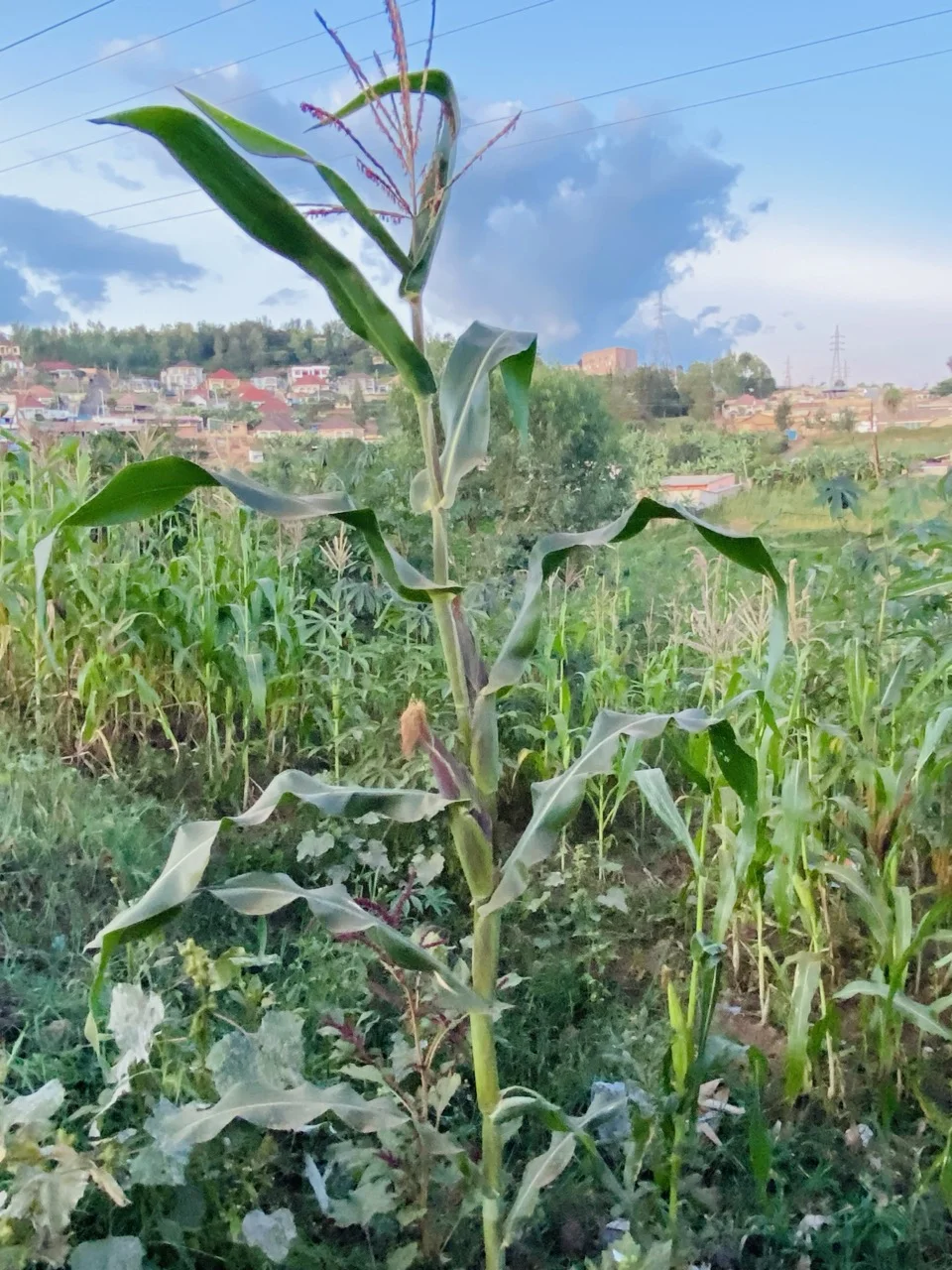 Maize Maize |
sack | July to August, November to December |
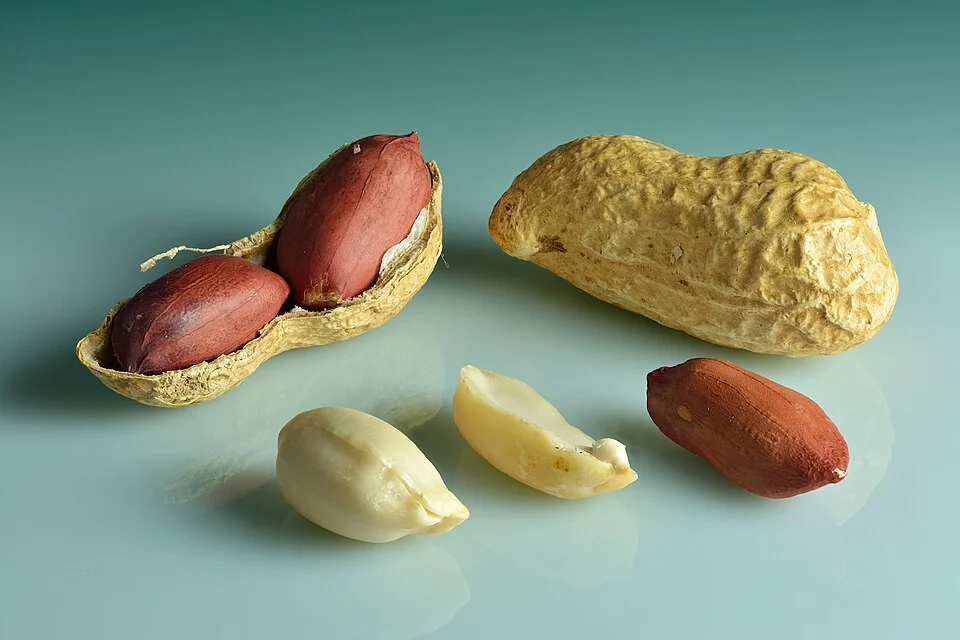 Groundnut Groundnut |
sack | July to August, November |
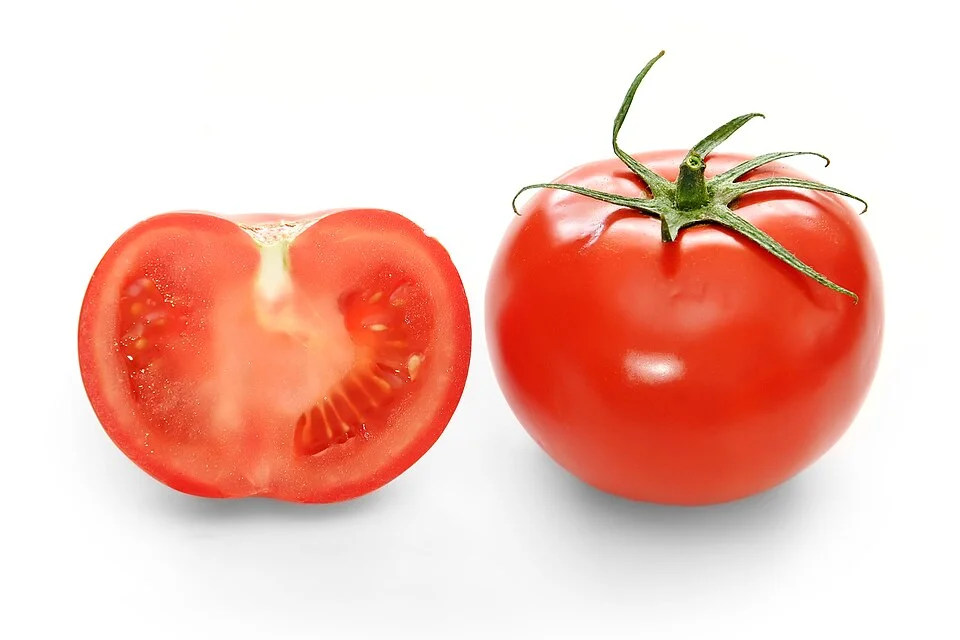 Tomato Tomato |
crate | November to January |
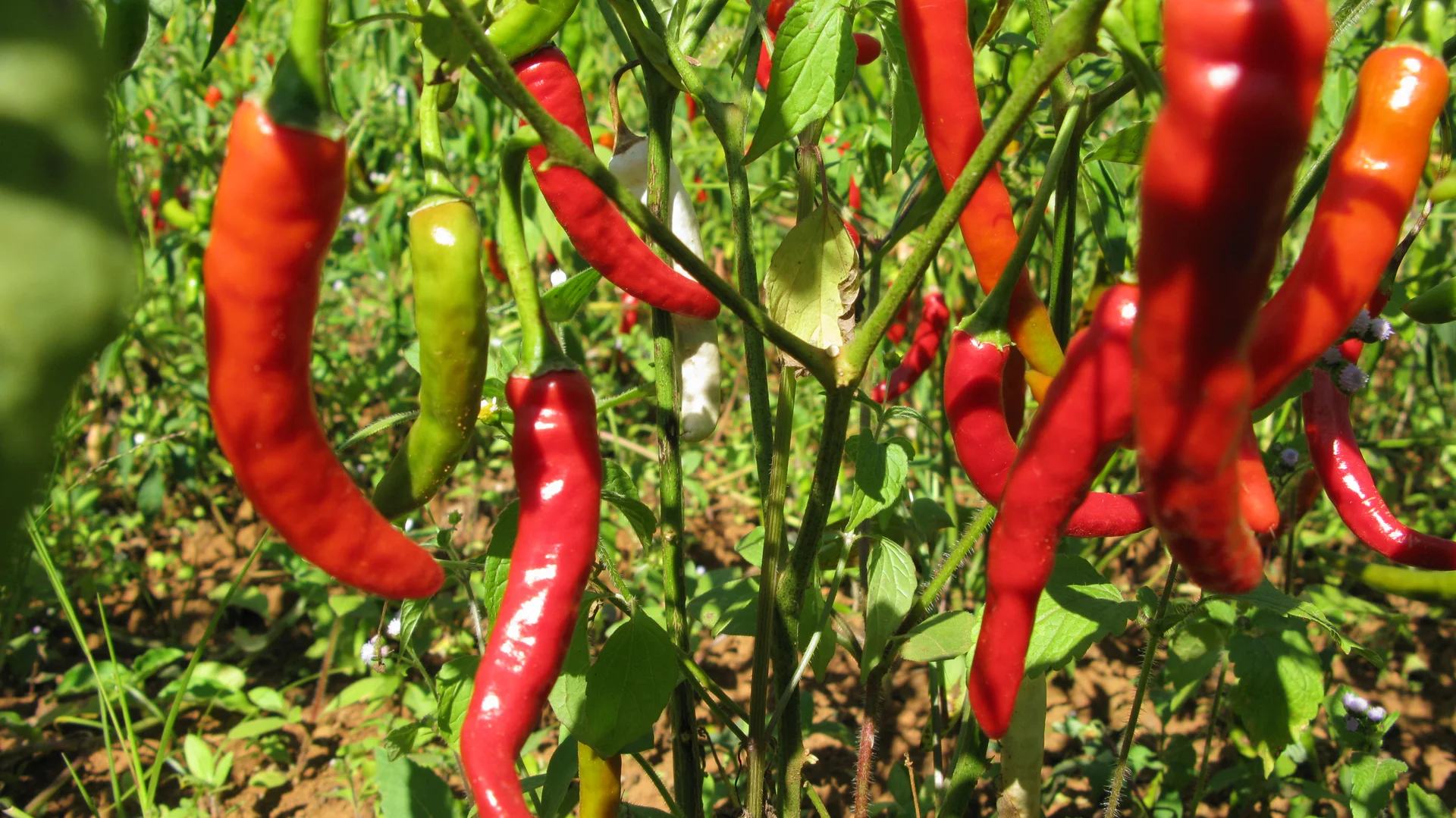 Hot pepper Hot pepper |
basket | November to January |
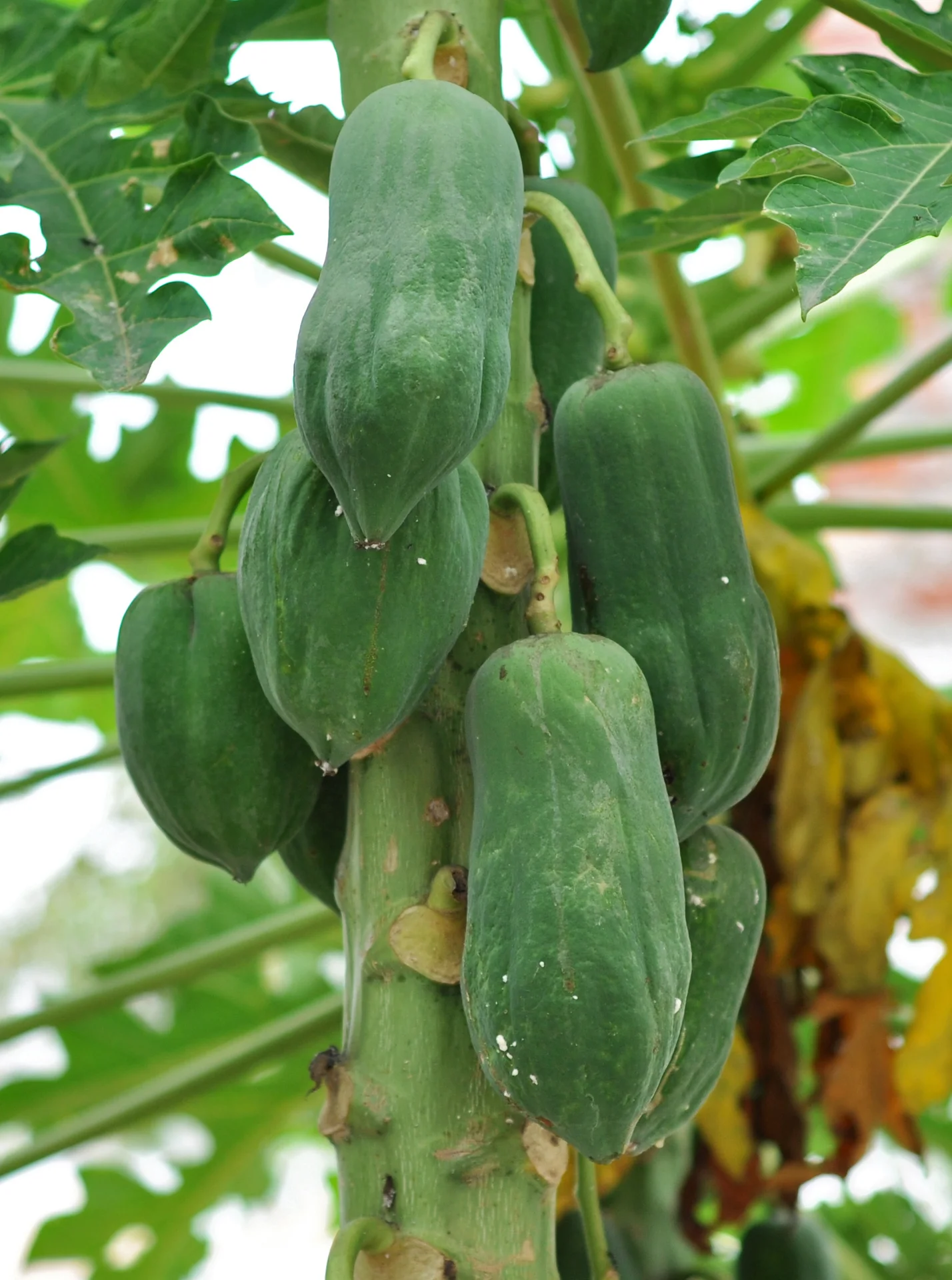 Papaya Papaya |
piece | — |
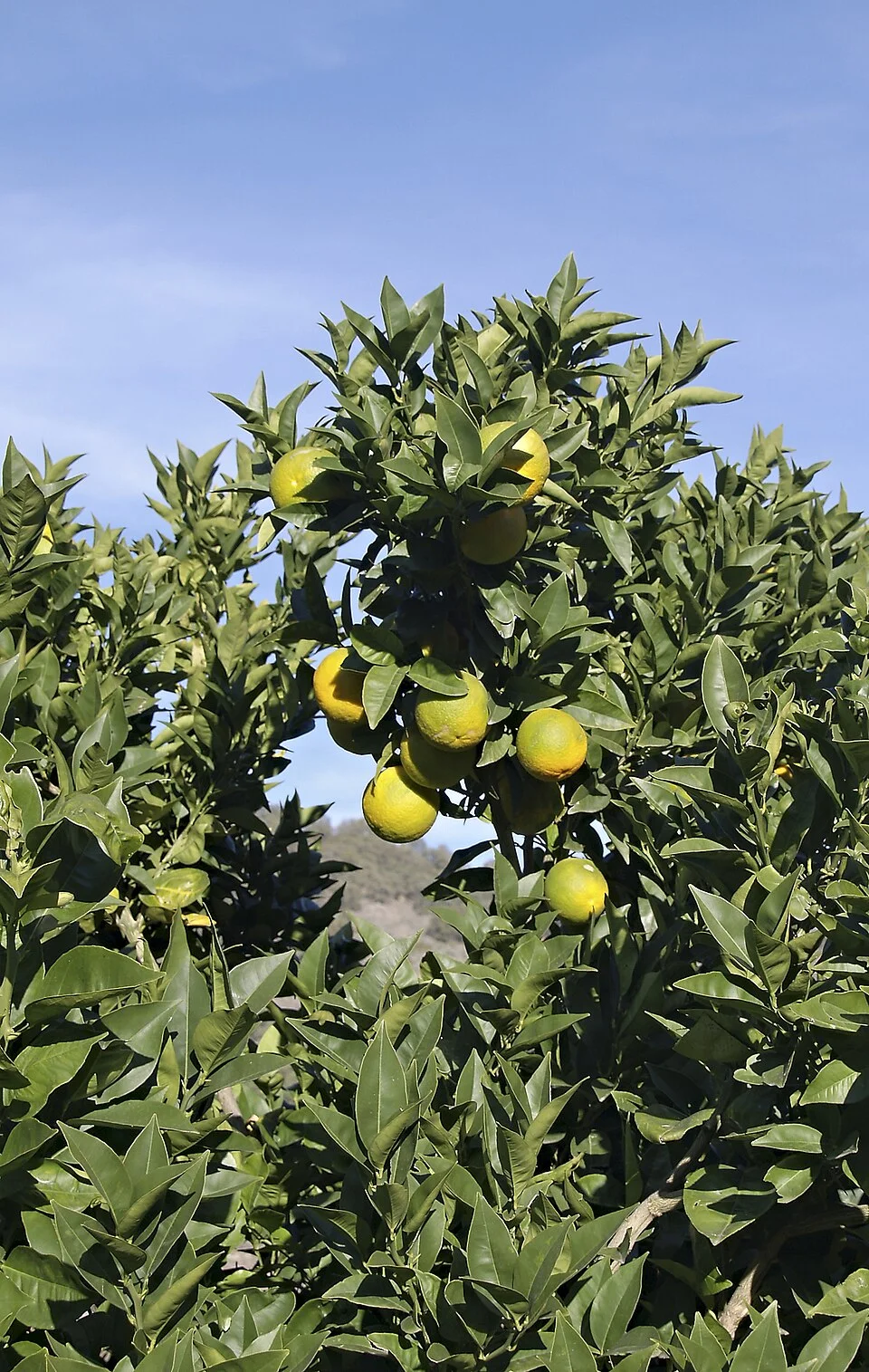 Sweet orange Sweet orange |
basket | November to January |
Selling by the bucket or the bag? The farming glossary turns those measures into kilograms — what a 20 litre bucket of each crop really weighs, level and heaped. Open the glossary →
Selling here
- Trading days
- Every day
- Currency
- XAF
- Trading since
- 1949
Trade is in CFA francs (XAF), cash or mobile money. Roots and tubers go by the basket or the heap and grain by the sack — agree the measure first.
Growers sell in bulk to traders who break the load down and resell. The best price for a full load, and the longest trip.
In the Mokolo quarter, Yaoundé 2nd arrondissement.
Places that could sell into Marché Mokolo
-
 Mfoundi · 3 km
-
 Mefou-et-Akono · 23 km
-
 Nyong-et-So'o · 53 km
-
 Lekié · 53 km
-
 Mefou-et-Afamba · 56 km
-
 Nyong-et-Kellé · 64 km
-
 Sanaga-Maritime · 80 km
-
 Dja-et-Lobo · 82 km
The story of Marché Mokolo
Mokolo has traded on the same ground in Yaoundé's second arrondissement since around 1949. It is now formally divided into sectors by trade, one of which is the fresh-food sector — which is the one a grower wants and not the one a visitor usually ends up in.
Marché Mokolo prices, and what to grow for it
Prices here move hour to hour, so they belong in the app rather than on a web page — a printed number would be wrong before you read it, and a live one from the traders standing in this market will not be.
Market prices are coming to the Divisi app — reported by the farmers and traders who are actually on the floor. Divisi also plans the season on your own field: what to plant, when to plant it, and what to do each week. Free for farmers, works offline.


Frequently asked questions
What is sold at Marché Mokolo?
Marché Mokolo trades banana & plantain, cocoyam / taro, cassava, yam, maize, groundnut, tomato, hot pepper, papaya, sweet orange. Yaoundé's principal market for fresh food, supplied by the Centre region's departments — Lékié, Grand Mbam, Mefou-Afamba, Akono, Nyong-et-Mfoumou and Mfoundi — and regularly by the South and Littoral regions as well. Macabo, plantain, yam and cassava are the staples of the trade, with papaya, safou and citrus alongside.
When is yam cheapest at Marché Mokolo?
Supply of yam into Marché Mokolo peaks August to October, and that is when prices are usually at their lowest. Selling just before the peak, rather than in the middle of it, is where the money is.
What currency is used at Marché Mokolo?
XAF. Trade is in CFA francs (XAF), cash or mobile money. Roots and tubers go by the basket or the heap and grain by the sack — agree the measure first.
What are today's prices at Marché Mokolo?
Divisi does not publish daily prices for Marché Mokolo — they move hour to hour, and a number printed on a web page would be wrong before you read it. Market prices are coming to the Divisi app, reported by the farmers and traders who are actually there. Install it and you will have them the day they land.